I just returned from a trip to Switzerland, and I must tell you that it is a place of pure magic. You might think such beauty only exists in movies or postcards, but I saw it with my own eyes. I traveled there in early July, which is a perfect time because the days are long and full of sunshine. This allowed me to fit so many activities into my schedule. If you have only four days to spare in 2026, do not worry. It is enough time to see the most stunning parts of this country if you plan with care.
Planning Your Swiss Adventure
First of all, you need to think about how you will get around. Many people love the trains, and the rail system is truly world-class. However, I found that renting a car gave me the most freedom. I picked up my rental car in Geneva and it allowed me to stop whenever I saw a view that took my breath away. If you prefer the rails, you should look into the Swiss Travel Pass. It is a great investment for four days. For a second-class pass in 2026, the cost is roughly €298. This pass is like a magic key. It gives you unlimited travel on trains, buses, and boats. On top of that, it grants you free entry to over 500 museums.
Money is another big topic. The official currency is the Swiss Franc. I suggest you carry cash for small purchases, though most places accept credit cards. I carried about 500 Swiss Francs for my trip. Switzerland is famous for being expensive, so you should prepare your budget accordingly. Additionally, remember that travel insurance is a must for your visa and your peace of mind.
Day 1: The Charm of Geneva and the Road to Interlaken
I started my journey in Geneva. It is a city that feels both global and cozy at the same time. The Old Town is full of narrow streets and historical charm. I walked through the Place Bourg-de-Four and visited the St. Pierre Cathedral. At that time, the sun was shining on the stone buildings, and it felt like I had stepped back in time.
A highlights of Geneva is the Jet d’Eau fountain. This fountain shoots water 140 meters into the air. It is a powerful sight. I also took time to visit the Flower Clock and the Broken Chair monument near the United Nations office. For lunch, I highly recommend a place called Gives A Fork. Their food is wonderful, but you must make a reservation.
Gradually, I made my way toward the lakefront to try some famous Swiss chocolates. You cannot leave Switzerland without eating your weight in chocolate. I stayed at the Bernina Hotel Geneva, which cost about $236 for the night. It was very close to the station and very comfortable.
Later, I drove toward Interlaken. This drive takes about two hours and offers beautiful views. Interlaken is special because it sits between two lakes: Lake Brienz and Lake Thun. Therefore, it is the perfect base for exploring the mountains.
Day 2: Peaks and Turquoise Waters in Interlaken
I woke up excited to see the mountains. My first stop was Harder Kulm, which people call the Top of Interlaken. I took a funicular to reach the top, which sits at 1,322 meters. The viewing platform was a bit crowded, but the view of the town below was worth every second. Similarly, the sight of the Eiger, Mönch, and Jungfrau peaks from here is something I will never forget.
After I came down from the mountain, I went for a cruise on Lake Brienz. The water is a stunning turquoise blue. It looks almost fake because the color is so bright. This cruise is included if you have the Jungfrau Travel Pass or the Swiss Travel Pass. I got off the boat at the Grandhotel Giessbach and walked to the Giessbach Falls. It is a short, pleasant hike that takes about 15 minutes to reach the first viewpoint.
For lunch, I ate at a restaurant called Sapori. They have delicious Italian food and many vegetarian options. Additionally, I spent some time walking through the town of Interlaken. I even saw the statue of Yash Chopra, a famous Bollywood director, in the Kursaal garden.
Finally, I drove to Grindelwald to check into my hotel for the next two nights. I stayed at the Hotel Gletschergarten, which cost about $600 for two nights. It was a cozy, beautiful place with flowers on every balcony.
Day 3: Jungfraujoch – The Top of Europe
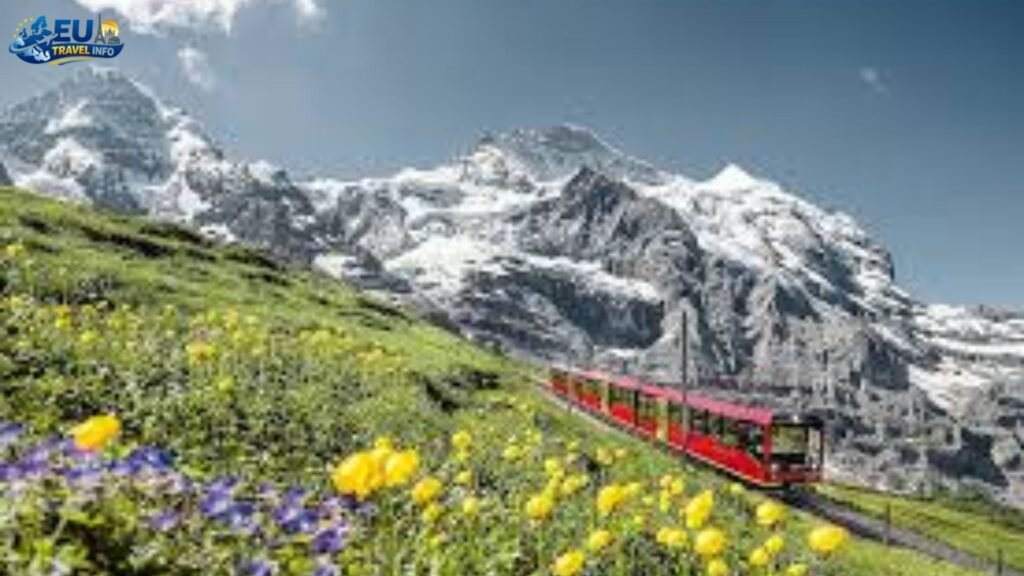
This was the big day. I headed to Jungfraujoch, the highest railway station in Europe. It sits at an altitude of 3,454 meters. To get there, I took a cable car and then a cogwheel train that travels through a 7-kilometer tunnel built inside the mountain.
Once I reached the top, I felt like I was in a different world. Snow and ice were everywhere, even in the middle of summer. I visited the Sphinx Observatory for a 360-degree view of the Alps. I also walked through the Ice Palace, which has many beautiful ice sculptures. Plus, I made sure to buy some treats at the Lindt chocolate factory at the summit.
However, you must remember that it is very cold up there. I wore a winter jacket, waterproof gloves, and sunglasses to protect my eyes from the bright snow. It is a very expensive trip, costing about 200 CHF if you do not have a pass, so plan your budget well. Fortunately, the Jungfrau Travel Pass can help cover much of the cost.
Later in the afternoon, I went to Grindelwald-First. I took a 25-minute gondola ride that offered panoramic views of the mountains. The highlight here was the First Cliff Walk by Tissot. It is a narrow metal bridge that hangs off the side of a cliff. I have a fear of heights, so it was a bit scary. Though the fear was real, the view at the end was breathtaking.
Day 4: Lucerne, Zurich, and the Journey Home
On my last day, I wanted to see the famous cities of Lucerne and Zurich. Lucerne is only about an hour away from Interlaken. It is a very picturesque city on the shores of Lake Lucerne. I walked across the Chapel Bridge, which is a beautiful covered wooden bridge. I also visited the Lion Monument, which is a very moving piece of art carved into the rock.
For lunch, I found a great Thai place called Phanat Thai. The food was a nice change from all the cheese and chocolate. Gradually, I made my way to Zurich, the largest city in the country. It has a very modern, fast-paced vibe compared to the mountain villages.
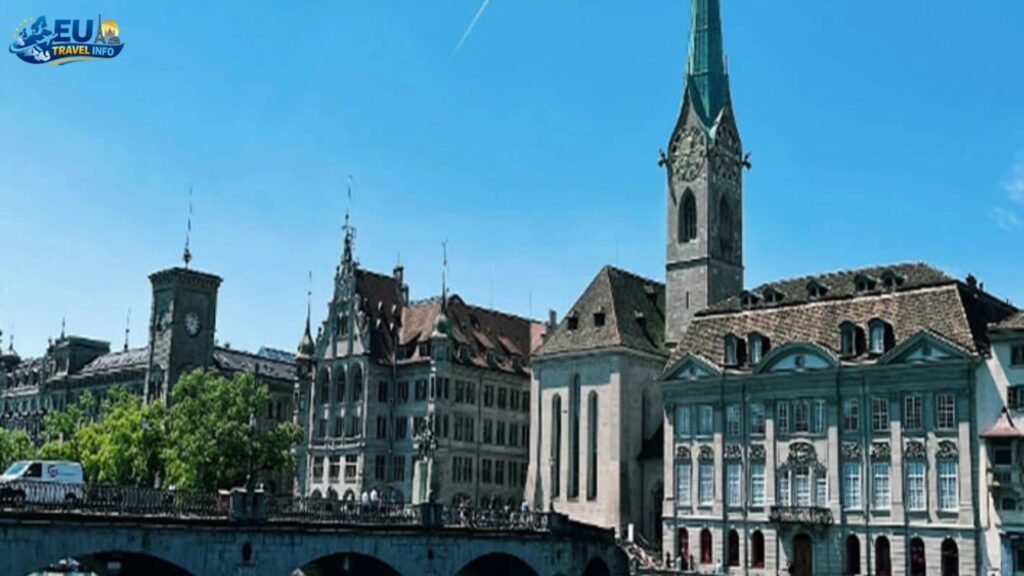
I explored the Old Town (Altstadt) and walked along the Bahnhofstrasse, which is one of the most famous shopping streets in the world. I also took a walk along the Zurich lakefront. First of all, I visited the Fraumünster Church to see the beautiful stained glass windows. Finally, I had my last Swiss dinner at Tibits, a famous vegetarian restaurant.
An Alternative Route for Hikers: Zermatt
If you love hiking more than city tours, you might choose to spend your four days in Zermatt. Zermatt is a car-free village, which means you must leave your car in the town of Täsch and take a train the rest of the way.
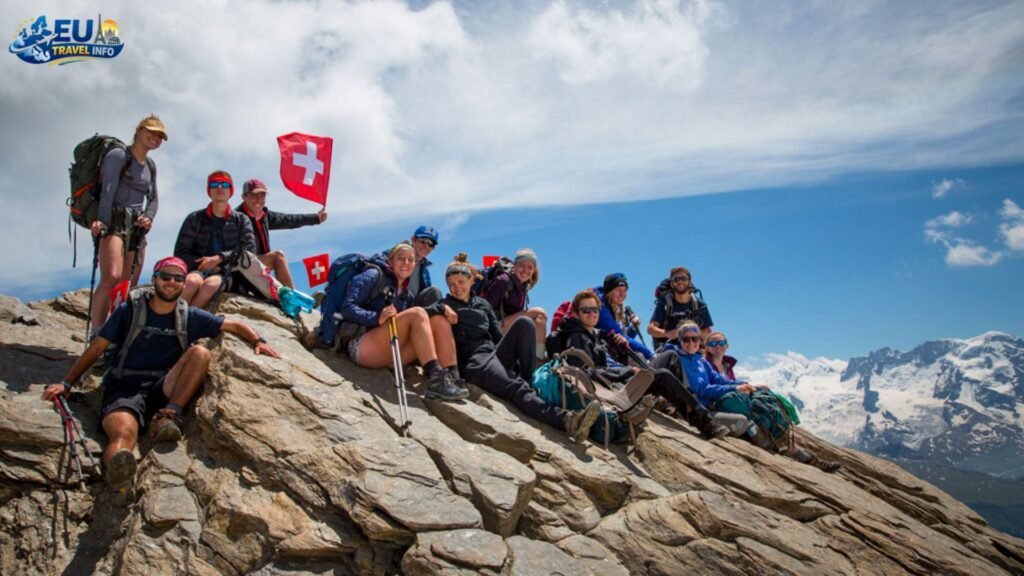
In Zermatt, the Matterhorn mountain is the star of the show. On your first day, you can walk through the Gorner Gorge. On the second day, you can hike the Edelweiss Trail, which takes about 7 to 8 hours and offers views of the Matterhorn’s north face.
On the contrary, if you want something less tiring, you can take the Gornergrat cogwheel train. It takes 40 minutes to reach the top station. From there, you can hike down to Lake Riffelsee, where you can see the reflection of the Matterhorn in the water. This is a view that every photographer dreams of.
Additionally, the Tufteren High Trail is another great option for your fourth day. It is a 12.2-kilometer hike that takes about 4 hours. You will walk through forests and meadows while the Matterhorn stays in your sight. For accommodation, I recommend staying near the Bahnhofstrasse in Zermatt so you are close to everything. Places like Hotel Walliserhof or Unique Hotel Post are excellent choices.
Important Tips for Your 2026 Trip
You should know that Switzerland is very organized. Use the SBB mobile app to check train schedules in real time. It is a life-saver. Also, the weather can change very quickly in the mountains. Always check the MeteoSwiss app before you head out for a hike or a mountain excursion. If it is cloudy or rainy, you might not see anything at the top of the mountains, and that would be a waste of money.
When it comes to food, restaurants are expensive. I found that buying sandwiches and fruit at supermarkets like Coop or Migros saved me a lot of money. Therefore, I could spend more on fun activities like paragliding or boat cruises. You must also try authentic Swiss dishes like Rösti, Fondue, and Raclette at least once. They are heavy but delicious.
Finally, remember to pack right. You need layers of clothing even in summer. A waterproof jacket is essential because you never know when a rain shower will start. Bring good hiking shoes if you plan to walk on the trails. Your feet will thank you at the end of the day.
Statistical Data for Your Planning
To help you with your 2026 planning, here are some key numbers to remember:
- 4 days: The minimum time needed to see the highlights of Switzerland.
- €298: The approximate cost of a 4-day Swiss Travel Pass in second class.
- 3,454 meters: The altitude of the Jungfraujoch station.
- 140 meters: The height of the Jet d’Eau fountain in Geneva.
- 500+: The number of museums you can visit for free with the Swiss Travel Pass.
- $22: The cost for two people to ride the cogwheel train to Jungfraujoch if you have a travel pass.
- 2 hours: The time it takes to drive from Geneva to Interlaken.
- 7 to 8 hours: The time required to complete the Edelweissweg hike in Zermatt.
- 15+: The number of delicious foods you can try on a Zurich food tour.
Frequently Asked Questions
What is the best way to handle heavy luggage while traveling by train?
Most large train stations have lockers where you can store your bags for a fee. Additionally, many high-end hotels in car-free towns like Zermatt offer a free shuttle service to pick you up and carry your luggage from the station.
Is it safe to drink the tap water in Swiss towns?
Yes, it is very safe. Swiss drinking water is known to be some of the cleanest in the entire world. You can save a lot of money by carrying a reusable bottle and filling it at the many public water fountains you will see in villages and cities.
Do I need to tip at restaurants in Switzerland?
Service is usually included in the price of your meal in Switzerland. However, it is common to round up the bill or leave a small amount if the service was especially good.
Can I visit mountain tops if I have mobility issues?
Yes, many of the most famous peaks like Jungfraujoch and Gornergrat are accessible by train or cable car. You can enjoy the views from the observation decks without having to hike.
What should I do if the weather is bad on my mountain day?
If the clouds are low, you should use your Swiss Travel Pass to visit museums instead. The FIFA Museum in Zurich or the Olympic Museum in Lausanne are great indoor options. You can also spend time in the chocolate shops or enjoy a long Swiss meal.
Concluding Words
My 4-day trip to Switzerland in 2026 was a dream. From the fountain in Geneva to the icy peaks of Jungfraujoch and the wooden bridges of Lucerne, every moment was special. Whether you choose to drive through the valleys or take the precision trains, you will find beauty at every turn. Use a travel pass to save money and stay flexible with your plans. Switzerland is a place that stays in your heart long after you leave.