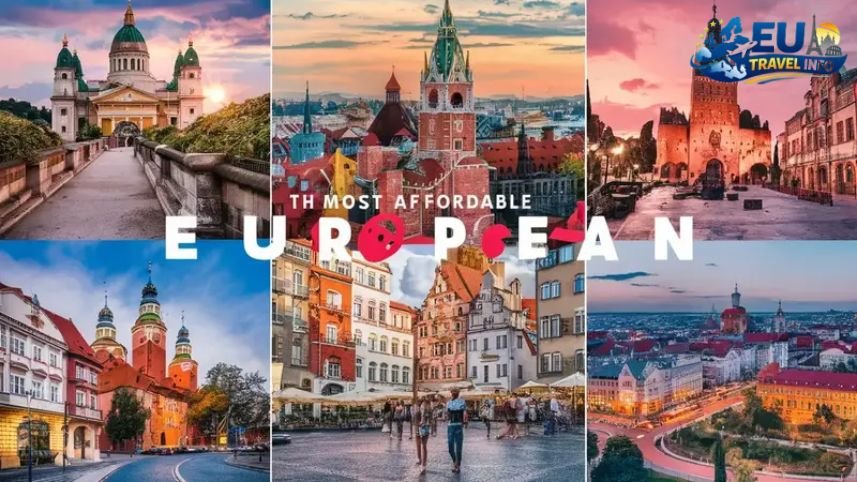

I have traveled to almost every European country. I know the secrets. Europe does not have to be expensive. You can explore this amazing continent for just $50 a day without missing out on the fun. First of all, you must pick the right destinations. Additionally, you need to know the best platforms to unlock hidden deals. I have spent years finding the 15 Best Cheap Student Travel Packages Europe has to offer. My goal is to help you see the world without breaking your bank account.
The Real Cost of a European Adventure

You might wonder how a person can travel on such a small budget. I have broken down the math for you based on my actual journeys. Accommodation usually costs about $15 for a hostel dorm. Food will take another $15 to $20 if you shop at supermarkets like Aldi or Lidl. Transportation within a city is roughly $8 for a day pass. Finally, you should budget $10 to $20 for activities like a museum entry or a walking tour. Therefore, a total of $48 to $58 is very realistic if you plan well.
However, you must stay away from tourist traps. On the contrary, you should eat where the locals eat. I once found a tiny shop in a city where I could not understand a single word on the menu. Gradually, I realized it was the best meal of my trip. Plus, it cost half as much as the restaurants near the main square.
EF Ultimate Break: The Cultural Deep Dive
EF Ultimate Break is a top choice for students who want a mix of culture and education. They offer some of the best europe tours for young adults. Their groups usually have about 35 people. This size ensures you get plenty of attention from the guide.
EF tours europe 2026 programs are already looking great. They focus on things like sustainability and climate change. For example, they have a trip to the Dominican Republic that lasts six days. Additionally, they have an 11-day tour of South Africa. This tour allows you to explore the Kruger National Park. Therefore, you get a lot of value for your money.
Contiki: The Social Butterfly’s Choice

I have seen many people choose Contiki because it has a huge reputation for being a party. It is strictly for people aged 18 to 35. They cover six continents. All-inclusive packages take away the stress of budgeting.
Though it is known for nightlife, the logistics are top-notch. They have an app that connects you with your group before the trip even starts. Later, you can use the app to stay in touch during the journey. I recommend this for solo travelers who want to make friends fast.
G Adventures: Authentic Local Vibes
If you want to save money, G Adventures is often a better deal than Contiki. One traveler noted a price difference of nearly $2000 for a similar route in Southeast Asia. They hire local guides and stay at local hotels. Additionally, they focus on putting your money back into the local economy.
First of all, their groups are small. This allows you to go off the beaten path. Similarly, they offer “National Geographic” tours for those who want a bit more depth. Therefore, you get a very authentic experience.
Busabout: The Ultimate Flexibility
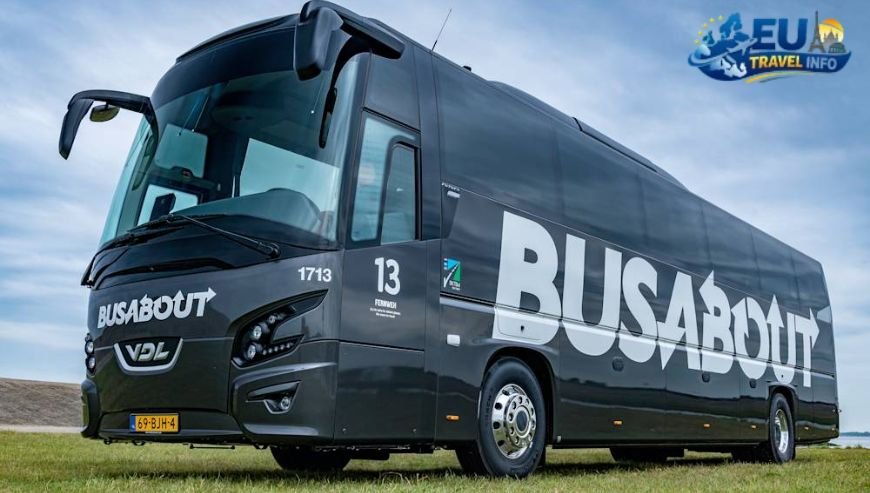
Busabout uses a hop-on, hop-off bus network across Europe. This is perfect if you like to design your own path. You get the structure of a tour with the freedom of solo travel. Gradually, you can change your plans as you meet new people. Their mobile app makes it easy to modify your route in real time.
EF Tours: Educational Excellence
Education First (EF) is a giant in the travel world. They have a presence in 120 countries. They offer everything from cultural exchanges to academic degrees. First of all, they have a nine-day tour of Athens, Crete, and Santorini. Additionally, you can earn professional learning hours if you are an educator.
WorldStrides: The Accredited Explorer
WorldStrides started in 1967. It is a travel study school that is independently accredited. They provide programs for elementary and university students alike. One of their most popular trips is a 4-day visit to Washington, D.C.. Later, you can explore sites like the Holocaust Museum or Mount Vernon.
Topdeck Travel: The Red Bus Adventure
Topdeck Travel specializes in adventures for young adults. Their famous red buses are an icon on European roads. They offer flexible options like camping or hotels to fit your budget. On top of that, their itineraries include “hidden gems” that most tourists miss.
Intrepid Travel: Sustainable and Small
Intrepid Travel focuses on local leaders and sustainable practices. Their groups average only 12 people. Therefore, you get a very intimate cultural connection. They offer student discounts on most of their trips all year. I found that their accommodations reflect the local culture better than big hotel chains.
Bus2alps: The Weekend Warrior
For students already studying abroad in Europe, Bus2alps is a lifesaver. They offer student weekend tours in Europe that last 2 to 4 days. First of all, these trips usually depart on Thursday and return on Sunday. Additionally, they include breakfast and a trip leader.
I have seen their Florence to Prague trip for as low as €199. They also offer a “Florence to Budapest, Vienna & Salzburg” package. Therefore, you can see multiple cities in one short break.
Yes-Trips: The ESN Partner
Yes-Trips is the largest travel partner for ESN (Erasmus Student Network) sections. They handle everything from huge events with 3,000 students to small group adventures. First of all, they have trips to see the Northern Lights in Lapland for about €685. Additionally, they offer a Rio Carnival experience for €1240.
ACIS: High-Quality Educational Trips
ACIS has been around since 1978. They focus on middle and high school students. First of all, they use local tour guides and artisans to teach students. Additionally, they pick hotels located near historic sights. Their “Cradle of Civilization” trip visits Athens, Sorrento, and Rome.
StudentUniverse: Cheap Flights for Groups
StudentUniverse is the top site for booking student flights. They have partnerships with over 200 airlines. First of all, they negotiate special fares that can be up to 40% off regular prices. Additionally, they offer discount rates for large groups. You must verify your student status with a university email.
EuroLines: The Low-Cost Coach
EuroLines connects over 600 destinations across 35 countries. They offer student discounts all year. First of all, their coaches have WiFi and power outlets. Additionally, you can take overnight journeys to save on the cost of a hotel. I once saved €30 just by sleeping on a bus from one city to another.
FlixBus: The Modern Way to Move
FlixBus changed how people travel in Europe. They have a massive network that covers tiny towns and major cities. First of all, their mobile ticketing means you do not need paper. Additionally, you can book last-minute deals on sites like Lastminute.de for spontaneous trips.
RegioJet (Student Agency): Reliable Rail and Bus
Student Agency, which owns RegioJet, is a Czech travel agency. They offer bus and rail transport across the Czech Republic and Slovakia. First of all, their trains are a private alternative to state-owned lines. Additionally, they offer routes to cities like Vienna. I have found their service to be very professional and cheap.
How to Find Cheap Europe Trips for Students
Finding the right package is only the first step. You must also know where to go. Budapest, Hungary is one of the most budget-friendly capitals in Europe. I love the Széchenyi Thermal Bath because it is affordable luxury. Similarly, Prague, Czech Republic is famous for its cheap prices. A beer there often costs less than a bottle of water.
Krakow, Poland is another must-visit. The Old Town is a UNESCO site and is mostly free to explore. Additionally, dining there is a total bargain. Tallinn, Estonia has a magical medieval feel. Many of its top spots, like Toompea Hill, are free. Therefore, your money goes much further in the East.
Smart Accommodation Strategies
Where you sleep can make or break your budget. Hostelworld is the best site for finding social and safe spots. I highly recommend Generator Hostels. They are like a hybrid between a hostel and a boutique hotel. They have locations in cities like London, Paris, and Rome.
a&o Hotels and Hostels is the largest chain in the world with over 28,500 beds. They are very inexpensive and well-located. Similarly, Wombat’s Hostels welcomes over 300,000 travelers every year. They have a great bar called the WomBar where you can get a free welcome drink.
On top of that, you can stay for free. Couchsurfing connects you with locals who offer a free couch. Additionally, many countries like Norway, Sweden, and Finland allow wild camping. First of all, check the local laws before you set up your tent. Finally, housesitting platforms like Trusted Housesitters let you stay in a home for free if you look after a pet.
Transportation: Eurail vs. Interrail
If you plan to visit many countries, a train pass is a smart move. Eurail Passes are for people from outside Europe. Interrail Passes are for European residents. First of all, you can get a Global Pass that works in 33 countries. Additionally, a Flexi Pass lets you travel on a set number of days within a month.
However, you must remember that some high-speed trains require a seat reservation. These cost extra and are not covered by your pass. Therefore, you should check the Rail Planner app to see if you need one. I suggest using the “No reservation needed” filter to save even more money.
The Importance of the ISIC Card
The International Student Identity Card (ISIC) is the only student ID accepted worldwide. It is endorsed by UNESCO. First of all, it unlocks discounts in over 130 countries. Additionally, it can get you free entry to many museums.
For example, the Louvre in Paris is free for EU students under 26. Similarly, the Prado Museum in Madrid is free for all students aged 18 to 25. On top of that, the Vatican Museums are free on the last Sunday of every month. Therefore, always keep your ISIC card in your pocket.
Travel Insurance: Do Not Skip It
Many students think they do not need insurance. On the contrary, healthcare in countries like France or Germany can cost thousands of pounds. First of all, a specialized student policy covers medical emergencies and hospital stays. Additionally, it protects you if your trip is canceled or your bags are lost.
Plus, many European countries require proof of insurance for your student visa. Therefore, you should compare plans on sites like SafetyWing or HeyMondo. I have seen a single hospital visit drain a student’s entire budget in one day.
Managing a 7 Days Europe Tour Package
If you only have one week, you must be efficient. First of all, choose a region with close cities. Benelux (Belgium, Netherlands, Luxembourg) is a great choice. You can start in Brussels and have the best waffles. Later, take a short train to Bruges, which is a magical town.
Additionally, you can finish in Amsterdam. The transport between these countries is very fast. You can be in a new country within 30 minutes. Therefore, a 7 days europe tour package can feel very full and exciting without being too stressful.
Planning a 14 Days Europe Tour Package
With two weeks, you can cover more ground. I suggest an Eastern Europe loop. First of all, start in Berlin. Later, take a bus or train to Prague. Additionally, visit Vienna and Budapest.
On top of that, you can head down to Krakow. This route is much cheaper than a Western Europe trip. Therefore, a 14 days europe tour package in the East will allow you to stay in better hostels and eat more restaurant meals.
High School Europe Trip Cost: What to Expect
A high school europe trip cost can vary wildly. First of all, programs like WorldStrides or EF Tours include almost everything. Additionally, you need to think about the europe teen tour safety standards. These companies provide 24/7 support and professional guides.
On the contrary, if you plan it yourself, you might save money but lose peace of mind. Chaperones often travel for free with big operators. Therefore, the cost per student is usually between $2500 and $4500 depending on the length and destinations.
Tips for a 35-Day Backpacking Adventure
If you are like Arya, a student from the University of Stirling, you might want a longer trip. She traveled for 35 days across Europe. First of all, she found that one backpack is the dealbreaker. If you want to travel cheap, you must pack light.
Additionally, do not let planning dictate every second of your trip. Europe has a lot to offer, and you never know how you might feel after one country. Similarly, you should use supermarkets for brunch to save money. Croissants and coffee from a local shop are filling and cheap.
Saving on Flights and Inter-city Travel
I always check Skyscanner and Google Flights first. First of all, use the “Whole Month” view on Skyscanner to find the cheapest dates. Additionally, Google Flights has a map view that shows prices for many cities at once.
Kiwi.com is another great tool for creative routing. They use “Virtual Interlining” to combine different airlines for a lower price. However, be careful with short layovers. On the contrary, budget airlines like Ryanair or EasyJet can offer tickets for as low as €9. Therefore, you can fly across the continent for the price of a pizza.
FAQ
What is the cheapest way to travel Europe as a student?
The most affordable methods include using extensive bus networks like FlixBus and Eurolines, or utilizing “Virtual Interlining” on platforms like Kiwi.com to find creative, low-cost flight routes. For ground travel, regional buses and trains or carpooling platforms like BlaBlaCar are highly cost-effective.
Which part of Europe is the cheapest to visit?
Eastern Europe is the most budget-friendly region, offering a rich cultural experience at a fraction of the cost found in Western Europe.
Is $100 a day enough in Europe?
Yes, $100 is more than enough. Budget experts suggest it is possible to explore Europe for as little as $50 a day, which covers basic accommodation in a hostel, street food, daily transport passes, and cheap or free activities.
Is 1000 euros enough for 2 weeks in Europe?
Yes. Following a daily budget of approximately $50 to $70, two weeks would cost roughly $700 to $980, making 1000 euros a comfortable amount for a 14-day trip, particularly in affordable Eastern European destinations.
What is the cheapest month to travel to Europe?
The cheapest times to visit are the shoulder seasons: late spring (May and June) and early autumn (September and October). During these months, accommodation costs are lower, and there are fewer tourists.
Which EU country is best for international students?
Germany is highly recommended for its support of international students. Other top contenders for 2026 include the Netherlands (specifically Rotterdam) for its diverse community and Poland (Kraków) for its balance of quality education and low cost of living.
How to travel Europe in low budget?
To save money, use budget airlines like Ryanair or EasyJet, sleep in hostel dorms or try wild camping where legal, and eat at local markets or street food stalls. Additionally, search for free walking tours and museums with free student entry.
Where is still cheap in Europe?
Cities like Budapest, Prague, Kraków, Riga, Tallinn, Bratislava, and Brasov remain highly affordable options for travelers in 2026.
Are hostels a good option for saving money?
Yes, hostels are excellent for saving money. They offer shared dorms for as low as $10–$15 in Eastern Europe, provide social environments to meet other travelers, and often include kitchen facilities to help reduce dining costs.
How much does a 7 day Europe trip cost?
On a strict budget, a 7-day trip can cost around $350 (roughly $50/day), covering basic hostels, groceries/street food, and public transit. This does not include the cost of international flights to and from Europe.
What is the cheapest way to travel around Europe?
Bus travel via providers like FlixBus or Student Agency is generally the cheapest. For those visiting many cities, a Eurail or Interrail Pass can also provide significant savings on train travel.
Is $5000 enough for a vacation?
Yes, $5000 is a very generous budget for a student vacation. For comparison, some multi-country Southeast Asia tours are priced between $2900 and $4600, and many students complete month-long European backpacking trips for significantly less.
Concluding words
Traveling Europe as a student is highly attainable with the right planning and resources. By utilizing specialized platforms like StudentUniverse or ISIC for discounts, choosing affordable Eastern European destinations, and booking with budget-oriented tour operators like Contiki or Bus2alps, students can unlock a continent of culture and history without overspending. Success lies in balancing professionally designed itineraries with spontaneous, low-cost opportunities like hostelling and local transit.