I have been traveling across Europe since 2006. Over the years, I have seen many things change. It is a dream for many travelers to see the cobblestone streets of Prague or the art galleries of Paris. However, the cost of a European trip often scares people away. I am here to share my personal experience to help you create A Guide To Europe Trip Budget that works for you.
Europe is a culturally rich continent. It has a mix of centuries-old cultures, diverse food, and histories that shaped our world. I remember sitting in a big seat on a train and watching the stunning landscape go by. It was peaceful. It was easy. I have learned that a successful trip requires a good plan.
First of all, you must understand that Europe is not just one price. The cost of travel depends on your choices regarding location, pace, and style. A trip to the North will look very different from a trip to the East in terms of your wallet.
The Financial Map of Europe
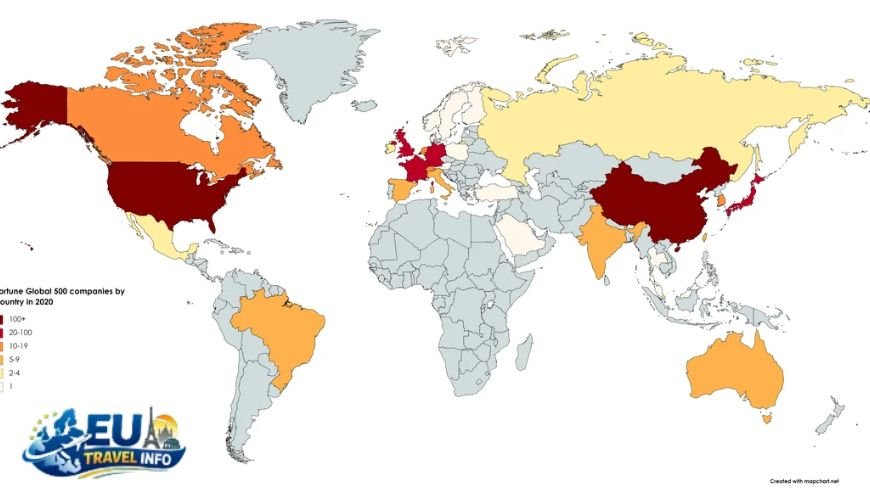
Europe has different economic regions. These regions define how much you will spend on a daily basis. I often divide the continent into four distinct parts to make my europe trip budget easier to manage.
Northern Europe (The High-GDP Corridor)
This region includes Scandinavia and the North Atlantic states. It is the most expensive area for visitors. In countries like Norway and Denmark, you might spend $100 to $200 per day if you are not careful. I found that a coffee in Denmark can cost roughly €5. High labor costs make dining and hotels very pricey here.
Western Europe (The Traditional Core)
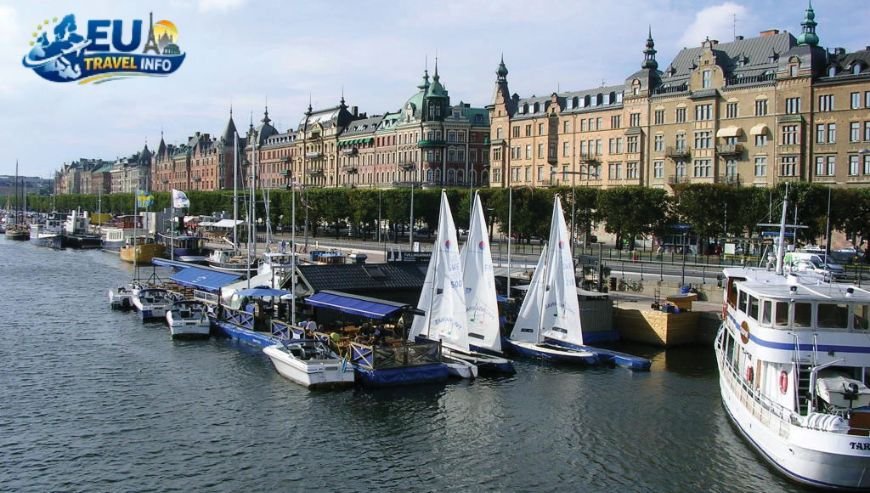
France, Germany, and the Netherlands are major parts of this economy. These nations have high living expenses. In Germany, a single person might spend around €1,880 a month on total needs. For a traveler, a mid-range daily budget here sits between €120 and €200.
Southern Europe (The Value-Added Sunbelt)
Italy, Spain, Greece, and Portugal offer a great mix of culture and value. I found Portugal to be one of the most budget-friendly Western European spots. Spain also has competitive prices for tourism. You can expect to spend $60 to $110 per day here.
Eastern Europe (The Growth Frontier)
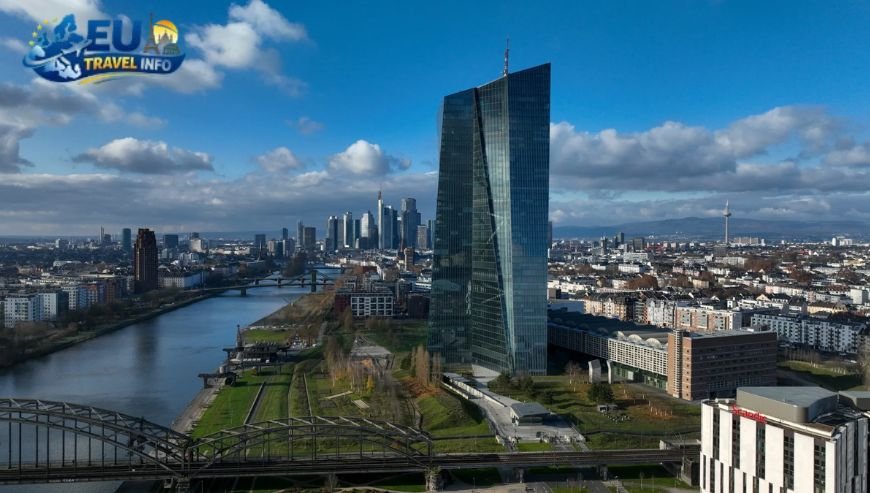
This region is the best place for value. Countries like Poland, Hungary, and Romania are much cheaper than the EU average. In 2025, cities like Riga, Vilnius, and Warsaw are the cheapest for city breaks. A single person can live here for much less than in the West.
I once stayed in a small town in Eastern Europe. The food was cheap. The history was deep. It felt like a bargain compared to my days in London. Additionally, Eastern Europe often outperforms Northern and Southern Europe in economic growth when you adjust for living costs.
Daily Budget Tiers for Your Trip
I have used a europe trip budget template many times to track my spending. Your daily costs will depend on your travel philosophy. Here is how I break down the tiers.
- Shoestring Tier (€40–€70 per day): You stay in hostel dorms or go camping. You buy groceries at supermarkets and walk most of the time. This is for those who want to travel for a long time without much money.
- Budget Tier (€70–€120 per day): You stay in private hostel rooms or budget hotels. You mix self-catering with cheap local restaurants. You might pay for one or two attractions per week.
- Mid-Range Tier (€120–€200 per day): You prioritize comfort and time. You stay in 3-star hotels or Airbnbs. You eat at restaurants daily and take faster trains.
- Comfort or Splurge Tier (€200+ per day): You choose luxury. You stay in 4-star or 5-star hotels. You enjoy fine dining and private tours.
I have also searched for advice on a europe trip budget reddit to see what other travelers suggest. Most people agree that €50 to €100 per day is a solid baseline for a comfortable but modest trip. On top of that, I always add a 15% buffer for unexpected costs.
Planning Your Major Expenses
Three main things will eat your budget: travel, food, and lodging.
Lodging: Where You Will Sleep
Lodging is often the biggest cost. In Western Europe, a hostel bed might cost $25 to $40. In Eastern Europe, that same bed is $15 to $25. If you want a luxury experience, a villa can range from $500 to $10,000 per night.
I have found that staying outside city centers can save you 30% to 40% on rent. Similarly, major cities like Paris or London have very high costs. Dublin and Edinburgh have some of the highest-priced hotels in the region. On the contrary, Riga and Warsaw have the lowest.
Food and Dining
You can enjoy European food without spending too much. A sit-down meal in Paris might be $25 or more. However, street food like a falafel wrap in Berlin or a pizza slice in Rome only costs a few euros.
I suggest shopping at local markets for fresh produce, bread, and cheese. You can make a great picnic lunch for very little money. Many hostels also have kitchens. I used a kitchen in a hostel in Poland to save about $15 to $25 a day on food.
Transportation: Getting Around
Transportation is the next big cost after lodging. You have several choices:
- Trains: The European rail system is extensive and high-quality. A Eurail pass can cost $200 to $500 depending on your route. I like trains because the stations are in the city center. This saves you time and money on airport transfers.
- Budget Airlines: Ryanair and EasyJet offer flights for as low as $20 if you book early. However, they charge many fees for bags.
- Buses: FlixBus is usually the cheapest way to travel, with prices starting at 5 EUR. It is slower but very cost-effective.
- BlaBlaCar: This service lets you hitch a ride with locals. It is often faster and more interesting than a bus.
- Rental Cars: This is good for flexibility in rural areas. Car rentals can be as low as 25 EUR per day, but gas is expensive.
Finally, I recommend mixing your modes of travel. Take a train for short trips and a bus for longer ones. I once used a europe trip budget calculator to see if a flight was cheaper than a train. The flight was cheaper, but the airport was far away. I spent more on the taxi to the airport than on the ticket! Therefore, always check the total cost of travel.
Regional Cost Breakdowns for 2026
I want to share some specific data I found for various cities to help you plan.
| City | Daily Budget Range | Level of Cost |
| Copenhagen, Denmark | €110 – €200 | Very Expensive |
| Amsterdam, Netherlands | €90 – €170 | Expensive |
| Dublin, Ireland | €85 – €150 | Expensive |
| Madrid, Spain | €60 – €110 | Moderate |
| Athens, Greece | €40 – €75 | Budget-Friendly |
| Warsaw, Poland | €35 – €65 | Budget-Friendly |
If you are planning a europe trip budget from philippines or a europe trip budget malaysia, you must account for the long-haul flight first. A round-trip ticket can cost $500 to $1,500. I found that flying into a major hub like London or Frankfurt is often cheaper. Later, you can take a budget airline to your final spot.
Administrative Costs and Fees
There are fees that many people forget to include in their budget.
Starting in late 2026, the ETIAS fee will be mandatory for travelers from visa-exempt countries. This includes citizens from Australia, the United States, and Canada. The fee is officially set at €20 per person. It is valid for three years or until your passport expires.
Additionally, travelers from countries like the Philippines or India must pay for a Schengen Visa. As of June 2024, the fee is €90 for adults and €45 for children. You must also have travel insurance with at least €30,000 in coverage.
I always buy travel insurance because medical emergencies can be very expensive. A basic plan costs about $50 to $100 for a month. Plus, some cities have a tourist tax of €1 to €5 per night. Small costs like paid public toilets or lockers for bags also add up.
Strategic Timing for Better Value
The time of year you travel makes a massive difference.
- Peak Season (June–August): Prices for hotels and flights are much higher. Cities are crowded. I have seen accommodation prices jump by 40% to 60% in the summer.
- Shoulder Season (April–May, September–October): This is the best time to visit. The weather is pleasant, and prices are 20% to 40% lower than in summer.
- Off-Season (November–March): This is the cheapest time to travel. However, the weather is cold and days are short.
Gradually, I have learned to love the shoulder season. The lines for museums are shorter. The locals are more relaxed. Similarly, a europe trip budget from australia is much better if you avoid the peak European summer.
Experience Sharing: My Best Savings Tips
I have picked up a few “pro” tips over the years to keep my budget tight.
First of all, use a travel-friendly bank card with no foreign transaction fees. I once lost a lot of money to exchange fees at an airport. Never exchange money at the airport. Use an ATM instead.
Second, download helpful apps. I use Skyscanner to find flights. I use Trainline to compare train and bus prices. I also use Radical Storage to find cheap places for my bags, which costs about €5 per day.
Third, embrace free activities. Many cities have free walking tours. Most major museums have free days, often on the first Sunday of the month. I spent a whole day in Paris just walking through public parks and looking at architecture. It was free. It was beautiful.
Also, consider your connectivity. Roaming fees are a nightmare. I use a Jetpac eSIM which gives me 10GB of data for $13. It is much cheaper than using my home plan.
Sample Itineraries and Costs
To give you a better idea, here are three sample trips.
- One-Week Western Europe (London, Paris, Amsterdam): This trip is on the pricier side because these cities are popular.
- Daily Budget: $100–$150.
- Total Spend: $700–$1,050 (not including international flights).
- Tip: Use free walking tours in Paris and market food in London.
- Two-Week Central & Eastern Europe (Berlin, Prague, Budapest, Krakow): This is a high-value route for history lovers.
- Daily Budget: $60–$100.
- Total Spend: $840–$1,400.
- Tip: Trains and buses are very cheap here, sometimes under $10.
- One-Month Multi-Region Adventure: This balances expensive cities with cheaper ones.
- Route: Lisbon, Spain, France, Germany, Czech Republic, Croatia.
- Daily Budget: $50–$120.
- Total Spend: $1,500–$3,600.
- Tip: Get a Global Eurail Pass for about $400 to $500 for flexibility.
I have seen people ask about a europe trip budget reddit ph specifically. Filipino travelers often have to budget more for the visa process and long flights. I suggest a 15-day trip for about $1,500 to $3,000 for a moderate budget.
FAQ
What is the average cost of a European trip?
A comfortable trip typically costs between $75 and $155 per day. This total includes your room, food, and local travel. However, your final price depends on the region and how you choose to spend.
How much does a 7 day Europe trip cost?
You should expect to spend between $700 and $1,400 for a moderate one-week trip. On top of that, you must factor in your international flight costs.
Is $5000 enough for a vacation?
Yes. It is more than enough for a standard trip. A full month in Europe usually costs between $2,500 and $4,500 for most backpackers. Plus, you would have extra money for luxury meals or private tours.
Is 1000 euros enough for 2 weeks in Europe?
Yes. It is enough. You will have about €71 per day. This fits the budget tier well if you stay in hostels and eat local street food.
What is the cheapest month to go to Europe?
The cheapest months are November to March. You will find that accommodation prices are 20% to 30% lower during this winter period.
Is $100 a day enough in Europe?
Yes. It is a solid budget. It works perfectly for budget travel in the West and provides mid-range comfort in Eastern European countries.
How much does it cost to go to Paris for 7 days?
A one-week trip to major Western hubs like Paris averages between $700 and $1,050. Additionally, you might spend more if you choose high-end hotels instead of hostels.
Is $1000 enough for a vacation?
Yes. It is enough for a moderate one-week holiday. You can enjoy local sights and good food if you plan your transport early.
Concluding words
Europe is a dream destination for many. It is a place of history and beauty. You can enjoy it on any budget if you make smart choices. You should prioritize Eastern Europe for the best value. Also, book your trains and flights months in advance to save money. Always keep a small buffer for unexpected fun. Safe travels.