
I have spent many years dreaming of the perfect European getaway. It is a dream that many of us share as we get older and look for deeper experiences. However, the biggest question always remains the same. How much money do I actually need?. I want to share my personal experience and a full guide to help you plan your own Budget to Travel Europe for 1 Month. Ready for an adventure? Let us dive in.
The Big Picture: What is the Total Cost?
First of all, I must tell you that Europe is not just one price. It is a continent where some of the most expensive and most affordable countries sit side by side. If you want a comfortable trip for one month, you should budget between $2,500 and $4,500. This amount usually includes your flights, a place to sleep, food, and fun things to do.
Some travelers on r/Shoestring have different ideas. For example, the user [deleted] mentioned that they spent around £2000 for two and a half months by staying in spare rooms and using buses. On the contrary, others suggest that a safe budget for a one-month trip is closer to $4,000. If you want to travel in a more relaxed way, a 2 month europe trip cost might be double that, but you can save money by staying longer in one place.
Additionally, I found that two people traveling together for a month might spend closer to €9,000 to €12,000 for a mid-range experience. That sounds like a lot of money. Is it worth it? Absolutely.
Daily Costs by Region
Your daily spending depends mostly on where you choose to go. I learned that Western Europe and Scandinavia are much harder on the wallet than the East.
- Western Europe: I spent about $75 to $125 per day here. This includes cities like Paris, London, and Amsterdam.
- Eastern Europe: This region is a paradise for budget travelers. I only needed $40 to $90 per day in places like Prague, Budapest, and Warsaw.
- Southern Europe: Countries like Spain, Italy, and Greece usually cost me $60 to $110 per day.
- Scandinavia: Prepare yourself for high prices. I spent $100 to $150 every single day in cities like Stockholm and Copenhagen.
Therefore, if you want to travel europe on a budget, you should spend more time in the East.
Accommodations: Where to Rest Your Head

The place you sleep will be one of your biggest costs. I have tried many different options over the years.
Hostels are the best choice for a solo traveler on a budget. You can expect to pay $20 to $40 per night. I always look at the reviews on Hostelworld.com to find the safe ones. Plus, many hostels have kitchens where you can cook your own meals.
However, as a mature traveler, I sometimes prefer more comfort. A mid-range hotel for two people can cost between €150 and €400 per night. I also love Airbnbs. User [deleted] on Reddit shared that they found decent deals by staying 30 minutes away from the city center. I did this in Lisbon, and it saved me a lot of money.
Additionally, Couchsurfing is a free option if you want to meet locals. It requires a lot of planning, but it is great for culture. Later in my travels, I found that apartments are a bargain for groups of three or more people.
Transportation: How to Move Around
I love the 1 month europe itinerary by train. It is a classic way to see the continent.
The Eurail Pass
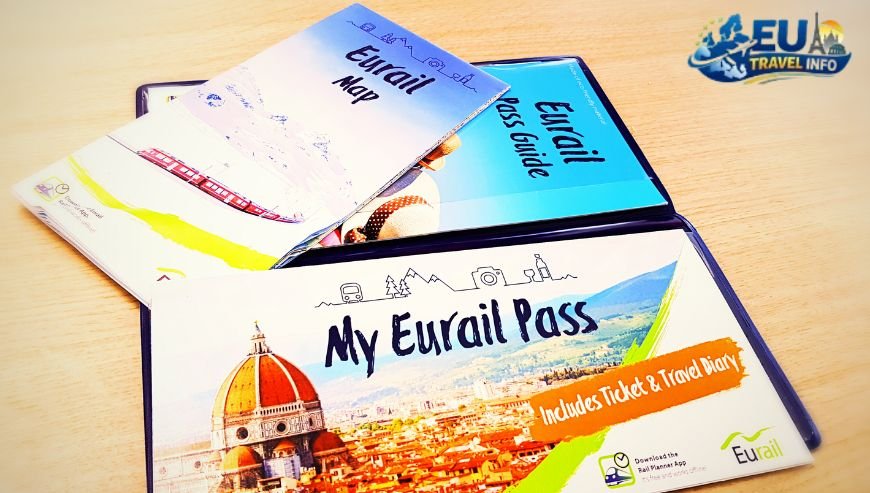
A Eurail Global Pass for one month costs between €500 and €650. It is your ticket to more than 30,000 destinations in 33 countries. I think it is perfect for long-distance travel. For example, I used it to go from Stockholm to Rome. Though, you must remember that some high-speed trains require you to pay for a seat reservation separately.
Buses and Ridesharing
If you want to save even more, FlixBus is the way to go. I found tickets for as low as €5 to €20 between major cities. It takes longer, but overnight buses save you the cost of a hotel room. Similarly, BlaBlaCar is a great ridesharing app. You meet locals and split the fuel costs.
Budget Airlines
I often use Ryanair, EasyJet, or Wizz Air for long distances. If you book early, these flights are very cheap. However, you must watch out for hidden fees for baggage. My backpack is usually 40-50L so I can carry it onto the plane and avoid these costs.
Food and Dining: Eat Like a Local
I love to eat, but I do not like to overspend. Food costs can vary a great deal.
First of all, I try to cook at least one meal a day in my hostel or apartment kitchen. I shop at discount supermarkets like Lidl, Aldi, or Tesco. This strategy saves me about $15 to $25 every day.
When I go out, I look for lunch specials. These are often 40% cheaper than dinner menus. In Western Europe, I budget €45 to €60 per day for food. In Eastern Europe, I can eat well for only €10 to €20 a day.
On top of that, street food and local markets are amazing. I found that a basic meal at a restaurant in Warsaw costs only €5 to €10, while the same meal in London is €10 to €20. Therefore, eating in the East is a smart move.
A Closer Look at Specific Cities
I want to give you a real idea of the travel in europe for a month costs by looking at some specific cities I visited in 2026.
- Amsterdam, Netherlands: This city is expensive. I spent about €90 to €170 per day. My room was €45 to €100, and food was €30 to €40.
- Copenhagen, Denmark: This was very expensive. I needed €110 to €200 per day. The local transport alone was €10 to €15.
- Athens, Greece: This was much more budget-friendly. I only spent €40 to €75 per day. My accommodation was only €20 to €40.
- Warsaw, Poland: This was my favorite for saving money. I spent €35 to €65 per day. A beer here is only €1 to €3.
Is it cheaper than the United States? Often, yes. Public transport and budget hotels in Europe are usually better deals than what I find back home.
Smart Banking and Money Tips
I made a big mistake on my first trip. I did not organize a travel-friendly bank card. It cost me hundreds of dollars in fees.
I now use banks like Starling or Monzo. Starling is great because it has no fees for purchases or cash withdrawals abroad. Monzo is also good, but they might charge a 3% fee if you withdraw more than £200 or £400 in a month.
Another tip? Always pay in the local currency. If a machine asks if you want to pay in your home currency, say no. This choice avoids a bad exchange rate. Also, carry some cash for emergencies because some countries are still cash-heavy.
Luggage and Storage Solutions
I try to travel light. It makes everything easier. However, sometimes I need to store my bags to explore a city before my train leaves.
Traditional lockers at train stations are hard to find now. I use Radical Storage instead. They have over 5,000 locations in local businesses. It costs only €5 per bag per day. I used it in Paris, Rome, and Barcelona. It is secure because they offer a €3,000 guarantee. Plus, there are no size restrictions for my big backpack.
Additionally, you must check the bag policies for museums. The Louvre and the Tower of London have strict rules. Some places like the Anne Frank House have no storage at all. Plan ahead so you do not get stuck with a heavy bag at the door.
Planning Your Itinerary
If you only have a short time, you might wonder about a 7 day europe trip cost. I think you should spend at least three weeks to see the best spots.
How much does a trip to europe cost for 3 weeks? Based on my data, you should budget about $2,000 to $3,500 for a mid-range trip. If you have less time, a 15 day europe trip cost might be around $1,500 to $2,500.
I suggest you follow the “less is more” rule. Do not try to see ten countries in one month. Focus on two or three regions. For example, I loved combining Southern France and Northern Italy.
The Classic Eastern Circuit (3-4 weeks)
- Route: Berlin → Prague → Vienna → Budapest → Krakow → Warsaw.
- Daily Cost: $50 to $80.
- Highlights: History, cheap food, and great nightlife.
The Mediterranean Budget Trail (4-5 weeks)
- Route: Barcelona → Nice → Rome → Athens → Istanbul.
- Daily Cost: $60 to $100.
- Best Time: April to June or September to October.
Seasonal Impacts on Your Budget
The time of year you travel changes everything.
- Summer (June-August): Prices are 40% to 60% higher. It is crowded and hot. I usually avoid this time.
- Shoulder Season (April-May, Sept-Oct): This is the best value. The weather is pleasant, and the prices are standard.
- Winter (November-March): Prices are 20% to 30% lower. It is the cheapest time to visit, but some things might be closed.
Gradually, I learned that booking 6 to 9 months in advance is the best way to save money on flights and rooms.
Important Documents and Safety
You must have travel insurance. I use AXA Schengen or Safety Wing. It is mandatory for many visas and covers medical emergencies. A basic plan can cost as little as €22 per week.
Also, a Schengen Visa for adults now costs €90. Children between six and twelve pay €45. It is a standardized fee for all Schengen countries.
Finally, I always carry a printed copy of my itinerary. Phones die and batteries fail. A piece of paper can save the day when you are lost in a new city.
Frequently Asked Questions
How much does it cost to go to Europe for 30 days?
A typical 30-day trip for two people visiting multiple countries can cost approximately $5,640 excluding flights, or around $6,700 including international airfare. For a comfortable mid-budget experience, you should plan to carry between €5,000 and €10,000 for the month to cover all personal expenses and activities.
Is $5,000 enough for a vacation?
Yes, $5,000 can be enough for a month-long trip for one person, as the daily average for a couple can be as low as $94 per person. However, travelers seeking semi-luxury accommodations or visiting expensive cities like London may find that their budget scales closer to $10,000 to $15,000 per person.
Is 1,000 euros enough for 2 weeks in Europe?
Budgeting only €1,000 for two weeks may be challenging, as mid-range recommendations suggest saving €2,500 to €3,400 for a 14-day stay. While it is possible to survive on a lower amount by staying in hostels and eating street food, mid-range travelers typically spend significantly more.
Where to go in Europe for 1 month?
For a diverse experience, a one-month itinerary could include a week in Spain (Madrid and Barcelona), two weeks in Italy (Rome, Florence, and Milan), and a final week split between Czechia and France. Alternatively, you can use a Eurail pass to traverse 10 different countries, including Austria, Germany, Belgium, and Croatia, in a single trip.
What is the cheapest month to go to Europe?
The cheapest months to travel are during the winter, specifically November through February, when travel packages can be 25% to 40% less expensive than in summer. Late October to early November is also recommended as an affordable off-season with fewer crowds.
Is $100 a day enough in Europe?
Yes, $100 (approx. €92) is sufficient for a mid-range traveler, as average daily costs often range between €75 and €125. In more affordable regions like Eastern Europe, you can even travel comfortably on as little as €35 to €75 per day.
Concluding words
Planning a one-month trip to Europe requires balancing various costs, from international flights to daily dining. While a couple can spend around $6,700 for a 30-day adventure through iconic cities like Madrid, Rome, and Paris, costs vary wildly based on the season and chosen region.
Choosing to travel during the winter off-season or focusing on Eastern European destinations can lead to savings of up to 40%, making a dream European tour accessible for different budget levels.