
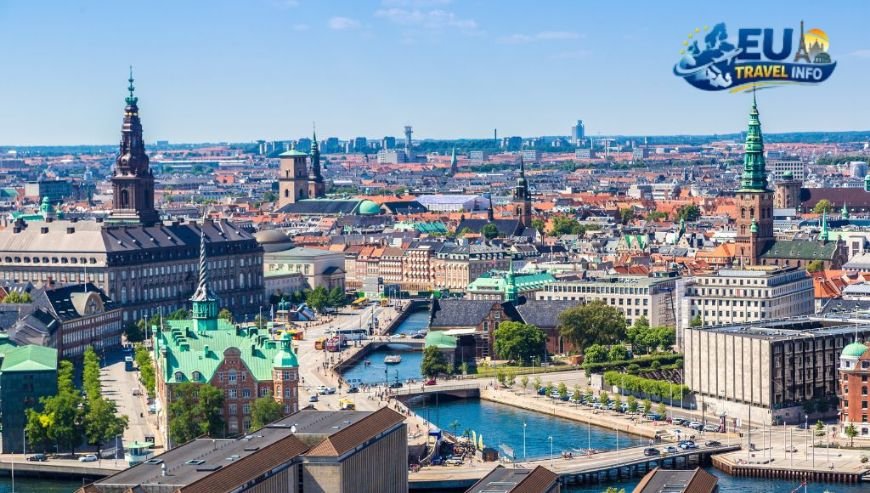
I have spent years exploring the winding streets of the Old World. I know the thrill of seeing the Eiffel Tower for the first time. I also know the fear of looking at a dwindling bank account in a foreign city. It is entirely possible to travel Europe on a budget in 2025 and 2026. Careful planning and smart choices make the difference. The average Budget Travel Europe Cost Per Day is around €50 to €75 for a basic trip. However, this number can change a lot depending on where you go and how you like to sleep.
The dream of a European adventure does not have to be a dream. It can be your reality. The secret? Strategy. You must understand that Europe is not one single price tag. It is a mix of high-cost capitals and hidden gems. First of all, you need to choose your travel style. Are you a “shoestring” traveler who does not mind dorm beds? Or do you seek a “mid-range” balance with private rooms? Your choices will define your daily spend.
The Daily Breakdown: What Does Europe Really Cost?
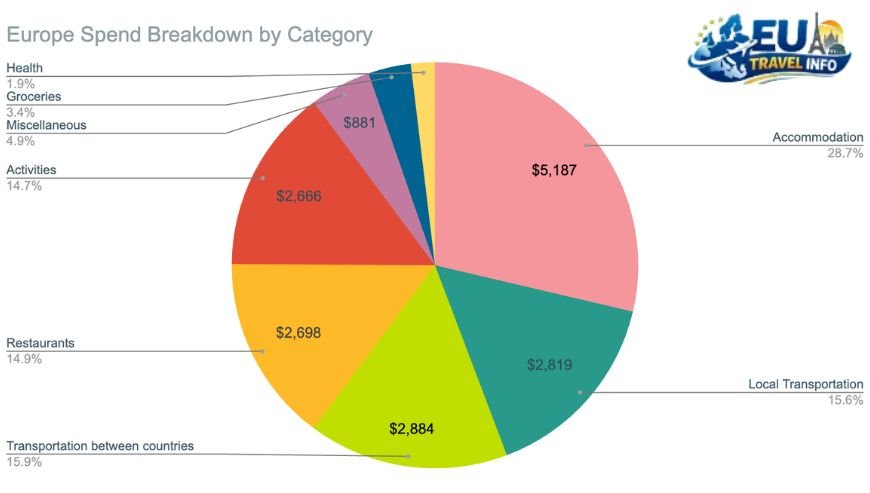
I have seen budgets vary wildly. A simple meal in one city might cost as much as a whole day of fun in another. To help you plan, I have broken down the typical daily ranges for a single person.
| Travel Style | Daily Budget (Euros) | What You Get |
| Shoestring | €35 – €75 | Hostel dorms, supermarket food, walking, free sights |
| Mid-Range | €75 – €125 | Budget hotels or private hostel rooms, some restaurant meals, public transport |
| Premium/Luxury | €125 – €200+ | High-end hotels, fine dining, private tours, frequent flights |
The price of a bed? The single biggest factor. If you move from a hostel to a mid-range hotel, you might add €50 to €100 to your daily bill. Additionally, you should always keep a 15% buffer for surprises. A missed train or a spontaneous boat tour can happen. You do not want to be stuck without cash.
Regional Differences: The Map Matters
The location you pick is the most effective way to save. Western Europe is beautiful. Though, it is very expensive. Countries like France, the UK, and the Netherlands will test your wallet. On the contrary, Eastern Europe offers a high return for your money.
Western Europe usually requires $75 to $125 per day for a budget traveler. You can expect to pay $25 to $40 for a hostel bed here. On top of that, food might take another $15 to $25 daily. Cities like Amsterdam can be pricey. A typical day there costs €90 to €170. You will pay for the history and the canals.
Eastern Europe is a budget paradise. You can often survive on $40 to $90 a day. In countries like Poland or Romania, the Budget Travel Europe Cost Per Day can even drop to $31 (around 140 RON). Warsaw is very friendly to your wallet. You can enjoy the city for €35 to €65 per day.
Scandinavia and the Nordic countries are the most expensive. Copenhagen and Stockholm will often cost $100 to $150 per day just for the basics. A day in Copenhagen might reach €110 to €200. Therefore, you should limit your time in the north if you are on a tight budget.
Southern Europe sits in the middle. Athens is quite affordable at €40 to €75 per day. Madrid is also moderate, usually costing €60 to €110 daily. Similarly, Portugal and Greece offer great value compared to their northern neighbors.
Trip Duration: Planning Your Total Cost
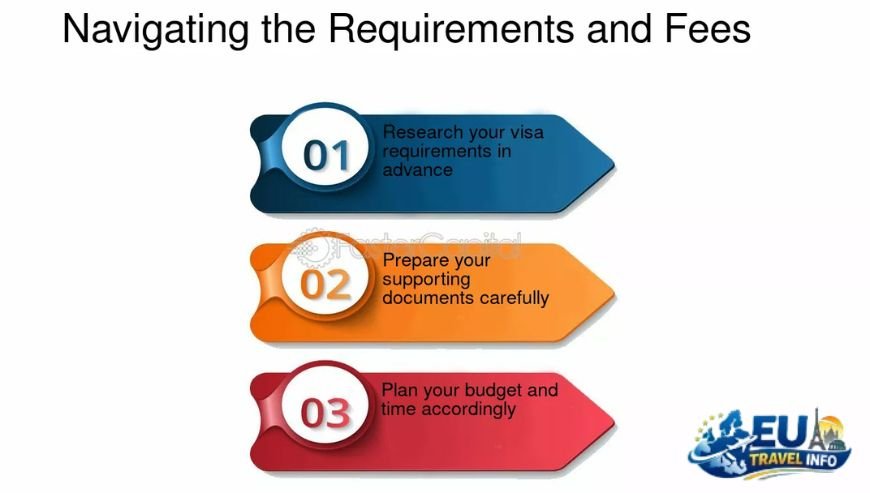
I often get asked about the total cost for specific trip lengths. These estimates are for a mid-range travel style. This means you have some comfort but still watch your spending.
Short Trips (1 to 2 Weeks)
A 7 day europe trip cost usually ranges from €525 to €1,400+ per person. This does not include your flights from home. If you stay in budget-friendly cities like Prague or Budapest, you will stay on the lower end.
A 15 day europe trip cost often falls between €1,125 and €3,000. I recommend picking one or two regions for this length. Plus, you save money when you do not move cities every single day.
The Three-Week Adventure

A 3 week europe trip cost is a common question for those with a bit more time. If you average €100 a day, you are looking at €2,100 for the 21 days. I suggest a mix of expensive and cheap cities. You might spend a week in Italy and then move to the Balkans to balance the bill.
One Month and Beyond
The cost to travel europe for a month generally sits between $2,500 and $4,500. I have seen solo travelers do it for less by staying in hostels and cooking their own meals. Gradually, you learn the tricks of the local supermarkets.
A 3 month europe trip budget is a large investment. One traveler spent about €4,670 ($5,045 USD) for 87 days in 2022. That is a daily average of €53.77. However, inflation has changed things since then. For 2026, a safe budget for three months is closer to $10,000 to $15,000.
Travel for Families: The Family of 4 Budget
I know that traveling with a family changes everything. You cannot always stay in a hostel dorm. A cost of trip to europe for family of 4 usually requires €180 to €350 per day. This covers family rooms and kid-friendly dining. On top of that, you must factor in higher activity costs and more expensive transport.
Accommodation: Where You Sleep Matters
I have slept in some strange places to save a Euro. The choice of lodging is your biggest budget lever.
Hostels are the classic choice for a reason. They are cheap and social. A bed in Western Europe starts around $30. In Eastern Europe, it can be as low as $15. However, popular cities might charge $60 or more for a single bed.
Private rooms in hostels are a great middle ground. They cost between $70 and $150 per night. You get your own space but can still use the hostel kitchen to save on food.
Alternative stays can also save you money.
- Airbnb (Shared Rooms): Often cheaper than hostels in busy cities.
- Couchsurfing: This is free accommodation with locals. It is great for culture but needs a lot of planning.
- Camping: Very popular in the mountains or Scandinavia.
First of all, book your rooms 2 to 3 days in advance for flexibility. During the peak summer, you should book 1 to 2 weeks ahead.
Transportation: Moving Across the Continent
A large part of your europe road trip cost or train budget goes to getting around.
Trains are the most romantic way to see Europe. The Eurail Pass is a popular option. A 15-day Global Pass costs between €400 and €500. A one-month pass is around €500 to €650. Though, you should check if it is truly cheaper for your route. Many high-speed trains require a €10 to €18 seat reservation fee even with a pass.
Buses are almost always the cheapest way to travel. FlixBus covers most of the continent. You can find tickets between major cities for €5 to €20. It takes longer, but the savings are huge.
Budget Airlines like Ryanair, EasyJet, and Wizz Air are great for long distances. However, you must be careful. They charge heavy fees for big bags. I recommend a 40-50L backpack that fits as a carry-on to avoid these costs.
Food and Dining: Eating Well for Less
I love a good meal, but eating out every night is a budget killer.
Supermarket Hacking is your best friend. Shop at discount chains like Lidl, Aldi, or Tesco. You can save $15 to $25 a day by cooking in your hostel kitchen. A simple pasta meal is the classic backpacker dinner.
Street Food is another great option. You can find local specialties at food markets. A meal from a vendor often costs $8 to $15. Additionally, look for lunch specials. Many restaurants offer a midday menu that is 40% cheaper than dinner.
The Cheapest Meal? A recent study found that Kosovo is the cheapest place for a three-course meal for two. It costs an average of just €20 ($17.35). On the contrary, the same meal in Switzerland might cost €107.
The Hidden Costs: What No One Tells You
I made the mistake of ignoring the small stuff on my first trip. Those small coins add up fast.
Toilets and Water: Public toilets often cost €0.50 to €2. I suggest using the free facilities in museums or cafes before you leave. Similarly, clean water is not free everywhere. I carry a reusable bottle and fill it up at taps.
Laundry: This is an ongoing expense. A full load can cost quite a bit over time. One couple spent about $235 on laundry during an 11-month trip.
Banking Fees: ATMs often charge $2 to $7 per withdrawal. Therefore, I use a travel-friendly card like Revolut or Wise to avoid these fees.
Luggage Storage: If you arrive before check-in, you might need a place for your bag. Many train stations charge €5 to €10 a day for a locker. Services like Radical Storage offer fixed prices around €5 per bag.
Seasonal Impact: When to Go
The time of year changes your Budget Travel Europe Cost Per Day dramatically.
Peak Season (June to August): This is the most expensive time. Prices for rooms can jump 40% to 60%. The cities are crowded, and the heat can be intense.
Shoulder Season (April to May, September to October): This is the “sweet spot”. The weather is pleasant. Additionally, accommodation prices are often 20% to 40% lower than in summer.
Winter (November to March): This is the cheapest time for rooms and flights. Prices can be 20% to 30% lower. However, some sights might be closed, and the days are short.
Practical Tips for Your Journey
I have learned that the best travel is “slow travel.” Do not try to see 30 countries in 30 days. You will spend all your money on trains and planes.
Travel Light: Avoid the extra bag fees. One backpack is all you need.
Use Public Transport: Taxis are very expensive in Europe. The metros and buses are world-class and cheap.
Seek Free Activities: Europe is an open-air museum. Walking through the streets of Rome or Barcelona costs nothing. Many cities offer free walking tours. I always give a small tip to the guide.
First of all, check the bag policies for major sights. Many places like the Louvre or the Colosseum have strict rules for large bags.
FAQ
How much budget per day in Europe?
A typical Budget Travel Europe Cost Per Day for a basic trip is between €35 and €75. This covers your hostel bed, local transport, and simple meals. If you want more comfort, a mid-range budget usually sits between €75 and €125.
Is $100 a day enough for Europe?
Yes, $100 is plenty for most parts of the continent, especially if you travel europe on a budget. You can enjoy nice hostels and even some restaurant meals on this amount. However, big cities like Paris or Copenhagen might make this budget feel tight.
How much does a 7 day Europe trip cost?
A 7 day europe trip cost usually ranges from €525 to €1,400 per person [Previous Turn Context]. If you choose a budget-friendly route in Eastern Europe, you could even stay closer to $350 to $560 for the week.
Is $5000 enough for a vacation?
This amount is a very healthy budget for a single person. It can easily cover the cost to travel europe for a month, which usually ranges from $2,500 to $4,500. Plus, it might even last for a two-month adventure if you stay in cheaper regions.
Is 1000 euros enough for 2 weeks in Europe?
It is possible to make this work. Since a mid-range daily budget is around €75 to €125, 14 days would cost about €1,050 to €1,750. To stay under €1,000, you should focus on Southern or Eastern Europe.
Is 7 days enough for a Europe trip?
A week is enough to see one major city or a small region. However, trying to see too many countries in seven days is often too rushed. A better choice for a short trip is a Mediterranean cruise where you visit a new port every day.
Concluding words
Your Budget Travel Europe Cost Per Day depends mostly on where you sleep and how fast you move. A smart traveler can survive on €50 a day by staying in hostels and cooking their own meals. However, those who want a private room and restaurant dinners should plan for €120 or more. Regional choices are the biggest factor for your wallet.
Western Europe remains pricey, but Eastern Europe offers amazing value for every Euro. The secret to a great trip? Balance. If you mix expensive cities with hidden gems, you can see the whole continent without going broke.