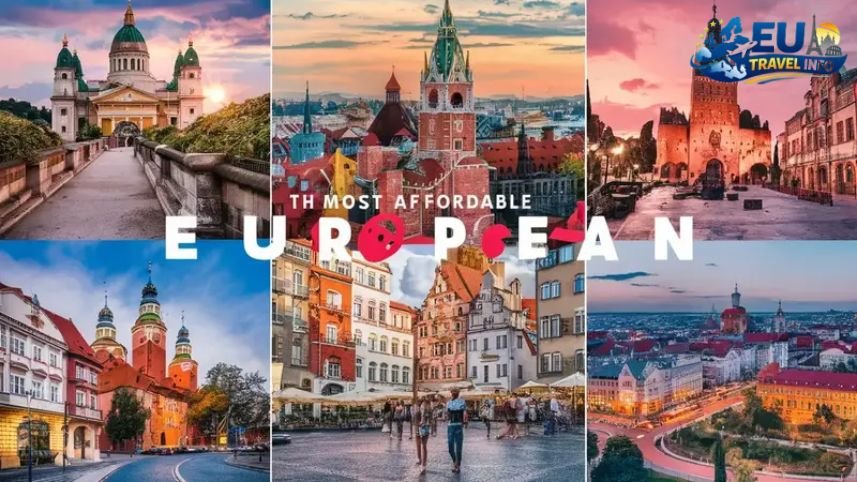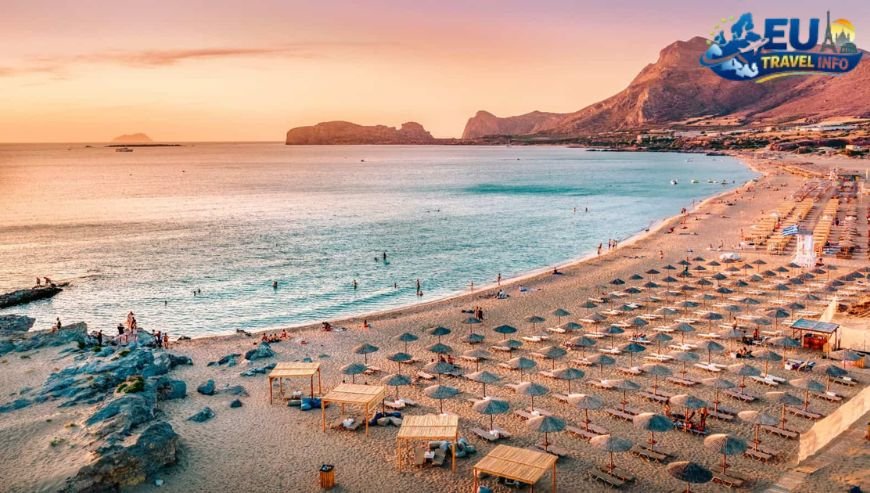
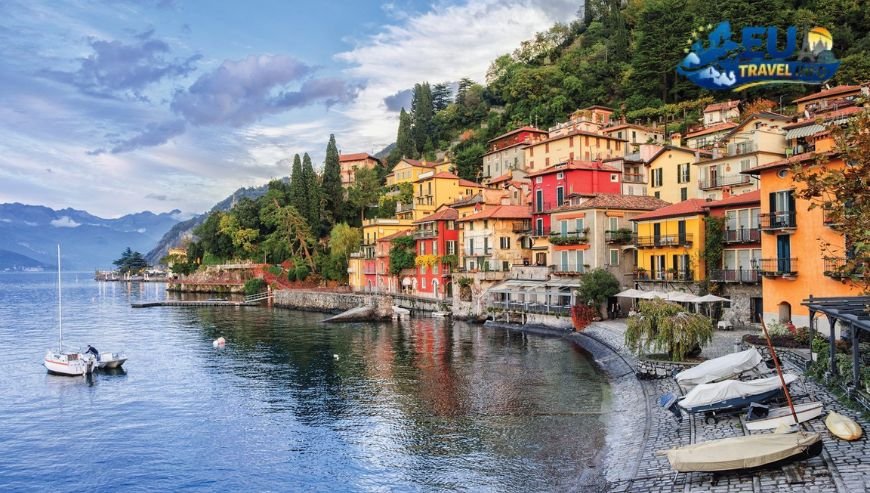
I decided to prove that a Budget Travel Europe Itinerary is possible for anyone with a little discipline. I once challenged myself to create a two-week trip to four countries for under $1,500, and that even included my flights. Europe is a vast land with many cultures and areas of natural beauty to explore. You can see historic cities that have influenced humanity for centuries or visit epic mountains and lakes. My journey was a profound sense of adventure and freedom. I found that a cheap europe travel route exists if you know how to balance your costs.
First of all, I must talk about the five pillars of travel expenses. These pillars are flights, places to stay, food and drinks, fun activities, and travel on the ground. The tighter your budget is, the more you will have to compromise on which pillar you spend your money on. Plus, you must remember that travel is intensified living and maximum thrills per minute. It is recess for adults, and we all need it. Therefore, I will share exactly how I planned my europe budget travel itinerary to help you do the same.
How to Plan Your Budget and Flights
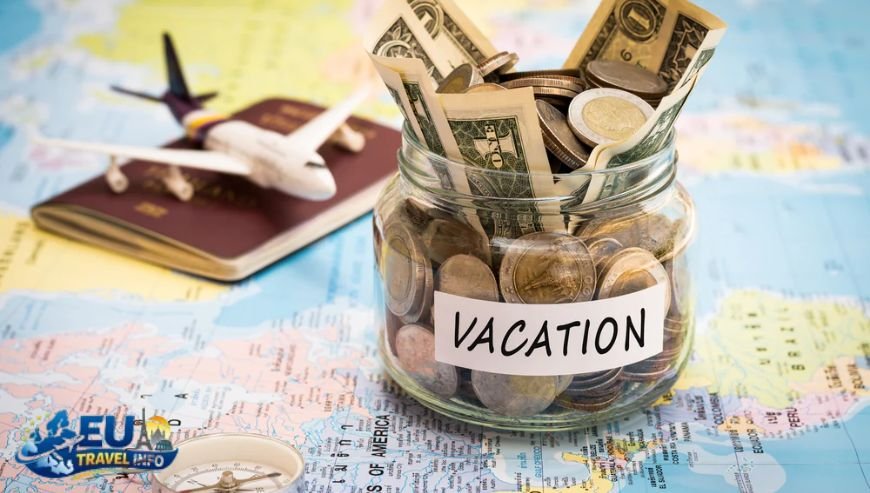
Many people ask me, how much should i budget for a trip to europe?. The answer is subjective, but you can get a good sense of costs by looking at the major categories. I expect to pay between $700 and $2,000 for airfare from the United States. Transportation inside Europe can cost between $500 and $3,500 depending on your style. Additionally, I budget about $15 to $40 per night for hostels. Daily food usually takes $10 to $20, and entries to attractions cost another $10 to $20.
What is a good budget for travelling europe if you want to be a budget tourist?. I found that €80 to €110 daily covers a hostel bed, street food, and free attractions. At that time, I learned that flights are where a budget trip is made or broken. I use apps to track deals and find killer prices. For my two-week trip, my total flight cost was only $490. I chose a multi-city flight that arrived in Berlin and departed from Paris. This type of “open-jaw” ticket saves time and money because you do not have to return to your starting city.
However, I always clear my browser cookies before I book a flight. Websites remember you were there and might jack up the price. I also recommend checking the national airline of the country you want to visit. Sometimes their deals are better than the big search engines. Plus, you should always consider travel insurance. It covers medical expenses and travel problems. A four-week policy can cost between $100 and $150. It is a small price for peace of mind.
Choosing the Right Transportation
I had to decide between a train pass or point-to-point tickets for my cheap europe travel itinerary. The Eurail Global Pass offers one of the most flexible ways to explore. This pass is valid for unlimited train rides across 28 countries like Italy, Germany, and France. A 10-day second-class FlexiPass costs about S$882. On top of that, it can save you over $1,000 compared to buying single tickets for a long route.
A Eurail pass offers you more value if you cover a lot of ground between cities. I also like it because I can catch overnight trains to earn “free” sleep for the night. Though, I must warn you about seat reservations. Some high-speed rails require a limited seat reservation which can come as a costly surprise. Additionally, I suggest you take advantage of the 7PM rule. If you travel on a train that leaves after 7 PM and arrives after 4 AM, you only use one travel day. This rule is great for budget tourists who want to save their travel days for more expensive rides.
Similarly, I found that Busabout is a great choice for independent travelers. It is a network of modern coaches with a hostel-to-hostel pickup service. You get a driver and a guide who can help you book places to stay before you arrive. They have different passes like the North Loop or the Go Roman route. Later, I also discovered budget airlines like Ryanair and EasyJet. Flights within Europe can be crazy cheap, sometimes as low as $15 to $30. Finally, I always pack good walking shoes. The best and cheapest way to see a city is on foot. I averaged 20,000 to 30,000 steps every day during my trip.
Where to Stay on a Budget
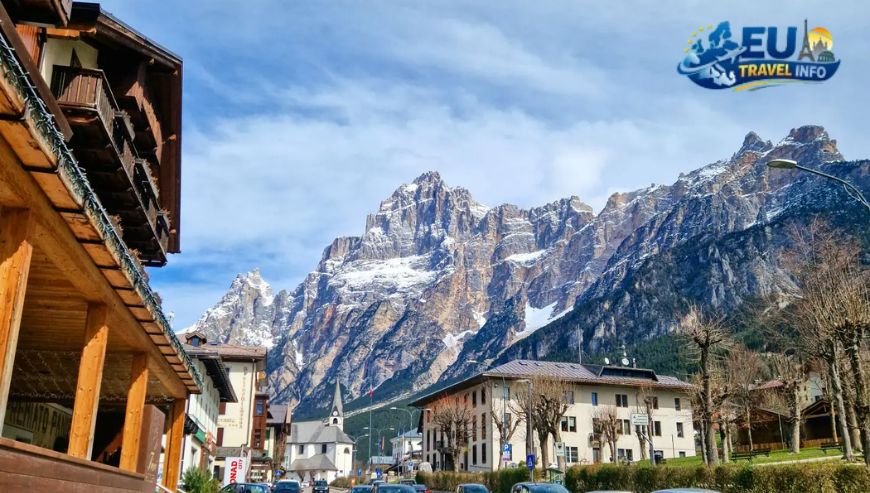
I chose to sacrifice a little comfort to save money for my food budget. Hostels are the traditional choice for people who want to travel Europe cheap. They range from $15 a night in Prague to $31 a night in Paris. Modern hostels now offer deluxe amenities like on-site bars and even spas. I personally have an affinity for hostels because you meet like-minded travelers and make friends for life.
Hostels are one of the least expensive lodging options in the region. Most have a community kitchen where you can cook your own meals. This habit is one of the easiest ways to fix a broken budget. However, I recommend you carry a hanging toiletry bag to keep your stuff off the ground in shared showers. I also use a money belt to keep my cash and cards hidden under my clothes. Pickpockets are the biggest danger in Europe, especially in crowded markets and train stations.
Gradually, I realized that Airbnb or apartment rentals can be just as cheap if you travel with a group. You get more space and privacy plus a washing machine. For a truly unique experience, you can try Couch Surfing. It is very cheap and helps you get to know the locals. On the contrary, you must be willing to open your own home to travelers as well. Therefore, I usually stick to hostels or budget hotels to keep things simple.
Two-Week Itinerary: The Best Routes
If you only have 14 days, you should not expect to see every country. I recommend focusing on one region or a few major cities. Here is a Budget Travel Europe Itinerary that combines history, culture, and value.
Days 1 to 3: The Charm of Italy
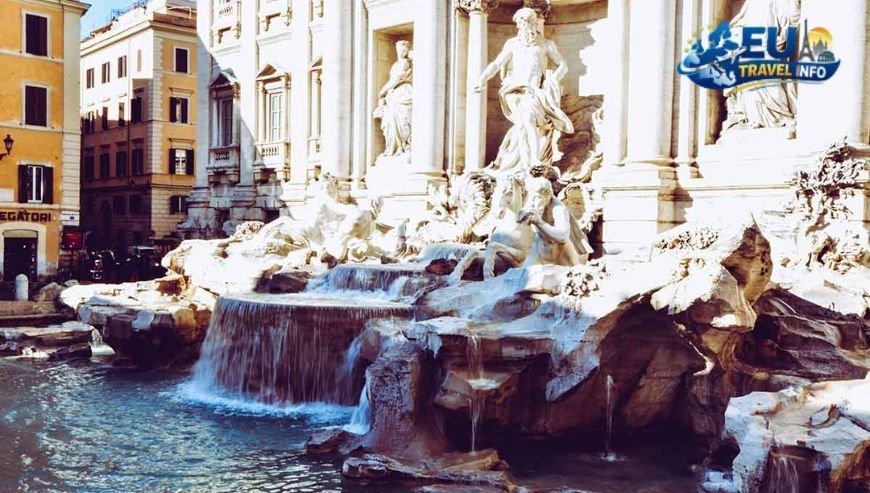
I started my journey in Rome, the City of Love. I lost myself amidst the Colosseum and the Pantheon. The interior of the Duomo cathedral is free to enter, though you need a reservation. I suggest you visit the Piazzale Michelangelo for a panoramic view of Florence that costs nothing. After exploring Rome, I took a high-speed train to Venice. It is the Queen of the Adriatic. I recommend navigating the water bus system to see as much as possible. To save money, I cached a map of Venice on my phone before I arrived.
Days 4 to 6: Salzburg and Munich
Later, I headed to Salzburg, Austria. It is famous for the “Sound of Music” and rustic architecture. I visited St. Peter’s Abbey and hiked up to the Eagles Nest for stunning views. Then, I took a short two-hour ride to Munich, Germany. The gothic wonder of the Neues Rathaus took my breath away. I had a lazy picnic lunch on the lawns of the Englischer Garten. In Munich, I used public transport and bike lanes to save money on taxis. I even visited the Neuschwanstein Castle, which inspired the Disney castle.
Days 7 to 10: The Eastern Gems (Prague and Berlin)
Where to travel in europe on a budget if you want the best value?. Prague is the answer. It is still ridiculously cheap and full of old-world sparkle. I stayed at Hostel One Prague, which offered a free dinner every night. I walked across the Charles Bridge and explored the Jewish Quarter. From there, I went back to Berlin. I walked the length of the Berlin Wall and visited the Holocaust Memorial. Berlin has a cutting-edge arts scene and vibrant neighborhoods. I suggest a free walking tour to learn the deep history of the city.
Days 11 to 14: Poland and Bratislava
Finally, I traveled to Warsaw, Poland. It is a vibrant cultural space steeped in history. I walked the Royal Route, which is the most beautiful part of the city. Additionally, hitchhiking in Poland is an economical way to see the country because people are very nice. I ended my trip in Bratislava, Slovakia. Everything here is considerably cheap compared to other countries. I hiked up to the Skok waterfalls and visited the Spiš Castle, one of the biggest in Europe. It was the perfect place to splurge a little on a nice meal after weeks of saving.
Eating and Drinking Without Going Broke
I love to taste different cultures, but dining is an easy place to cut costs. I always find out where the locals eat and avoid tourist hordes. I ask the folks who work at the hostel for advice because they know where to find hearty meals. At that time, I discovered that aperitivo bars in Italy serve drinks with complimentary food spreads. This can easily substitute for dinner.
Additionally, I shop at local markets for fresh bread, cheese, and seasonal fruit. A typical picnic for two costs about $10. I also fill my water bottle at public fountains instead of buying bottled water. In Germany, a trip is not complete without currywurst. I found a place where schnitzel, sides, and a liter of beer cost under €20. However, I avoid purchasing food on trains. It is more expensive and the quality is usually poor. Plus, I always stand at the bar to drink my coffee in Italy. Seated service can cost double the price.
Essential Tips for the Mature Traveler
I found that the best travel months are May, June, September, and October. Peak season in July and August has the sunniest weather but the worst crowds. It is also the most physically grueling time to travel. Off-season travel from October to April offers fewer crowds and lower prices on rooms. I also prefer to travel slowly. I spend a few days in each place to really soak up the atmosphere.
Smart travelers learn the phone system and use it daily. I recommend buying a pre-paid SIM card. Local calls and internet can be ridiculously low in some countries. Though, I always bring a U.S. driver’s license if I plan to rent a car. Renting a car is great for reaching rural villages where trains do not go. Similarly, I suggest you carry some cash. Many small bars and cafes in places like Berlin and Florence do not accept credit cards.
Frequently Asked Questions
Do I need a special plug for my electronics?
+You will need an adapter plug for your gear because European outlets are different. Continental Europe uses two round prongs, but Great Britain requires three flat prongs. Plus, you should check if your appliances have built-in converters for different voltages. Simple gear for a simple trip.
What should I do if my credit card is lost or stolen?
You must report the loss immediately to the global customer service center for your bank. You should prepare for this by carrying photocopies of your cards to help with the replacement. However, if you report the loss quickly, you are usually not responsible for unauthorized charges. Peace of mind.
How does the Schengen Agreement affect my travel?
Most travelers only need a passport to enter countries in the Schengen Area for up to 90 days. You must make sure your passport is valid for at least six months after the date of your return flight. Additionally, you should keep proof of your return flight on hand at all times. Essential paperwork.
How do I get a tax refund on my souvenirs?
You can receive most of the Value Added Tax back if you make a purchase at a participating store. You must have the merchant fill out a refund document called a “cheque”. Finally, you must get this document stamped by a customs agent at your last stop in the European Union. Extra cash for your pocket.
Concluding words
A two-week Budget Travel Europe Itinerary is possible for any traveler with a little discipline. You can visit four or more countries for under $1,500 if you balance your expenses correctly. Use a Eurail pass to cover a lot of ground or choose budget airlines for quick trips between cities. Plus, you should choose hostels or apartment rentals to keep your lodging costs low. Therefore, you can enjoy a profound sense of adventure without breaking the bank. Finally, I promise that your effort to plan will lead to memories that will last a lifetime. Recess for adults.