You have decided to plan a trip to two of the most beautiful countries in Europe. This is a choice you will not regret. Croatia and Slovenia offer a mix of crystal-clear seas and jagged mountain peaks. However, your experience depends entirely on your calendar. You must pick the right window to see these places at their best.
The Magic of the Shoulder Season
You will find the Best Time To Visit Croatia And Slovenia falls in late spring and early autumn. Specifically, the months of May, June, September, and October are the winners. During these times, the sun shines bright. The air stays pleasantly warm. You can walk through ancient stone streets without brushing shoulders with thousands of other people.
First of all, let us look at the weather. In May, temperatures in Croatia start to break into the 70°F range. The rains begin to fade away. By the second half of May, the Adriatic Sea is often warm enough for a quick swim. Therefore, you can enjoy the beaches before the massive summer crowds arrive.
On top of that, prices are much lower. You will save a lot of money on hotels and boat rentals if you avoid the peak of summer. For example, a catamaran cruise in the last week of May can cost half of what it costs in July or August. That is thousands of dollars back in your pocket. You can use that extra cash for fine wine and fresh truffles.
Summer Heat and the Tidal Wave of Tourists
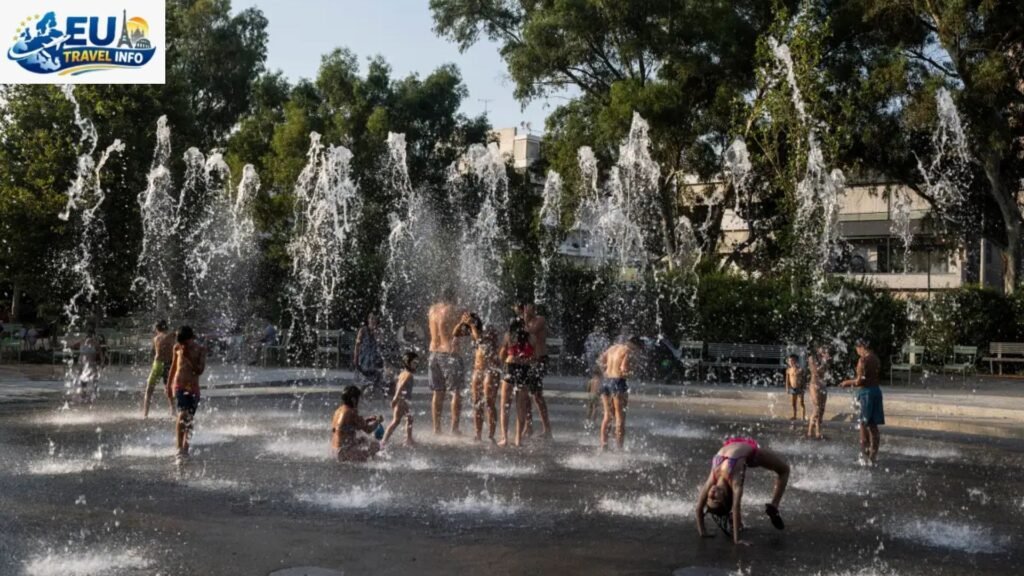 July and August are the busiest months. You will see the cities of the coast fill up like a tidal wave. European vacationers flood the beaches. Temperatures often soar to 85°F or higher. Prices for everything go up. Boats, buses, and restaurants are overstuffed.
Wait. You might love a high-energy atmosphere. If you enjoy festivals and a busy social scene, summer is for you. Dubrovnik kicks off its famous Summer Festival in July. Additionally, the nightlife on islands like Hvar is at its peak. However, you must book everything months in advance. You will need to plan every detail to avoid getting stuck in long lines.
Similarly, the heat can be intense. Mature travelers often find the midday sun in the Old Town of Dubrovnik difficult to handle. You should stay in a private villa with a pool during these months. This gives you a place to hide when the cruise ship crowds are at their worst.
Best Time To Visit Croatia 2026 For Fewer Crowds
If you want peace, you should aim for mid to late September. This is the “sweet spot” for many experienced travelers. The massive cruise ship crowds start to drop off. The sea remains warm from the summer heat, often staying around 70°F.
Additionally, the locals are less stressed. They have survived the summer rush. They are more willing to chat. You will feel a more authentic vibe in the cafes and markets. This is also a great time to visit nearby countries. You might consider the best time to visit croatia and montenegro or even the best time to visit croatia and greece. September offers stable weather across the entire Balkan region.
Weather In Croatia By Month: A Detailed Guide
You need to know what to pack. You need to know what to expect. Here is a breakdown of the weather in croatia by month to help your 2026 planning.
January and February: These are the coldest months. Temperatures on the coast hover between 45°F and 50°F. Further inland, in places like Zagreb, the mercury drops below 40°F. You will see snow in the north. It is a quiet time for local life and winter festivals.
March and April: Spring begins to wake up. In April, daytime highs reach about 60°F in the south. You will see flowers blooming everywhere. However, the weather is unpredictable. You must pack layers and rain gear.
May and June: These are nearly perfect months. June brings daytime highs in the upper 70s. The water is refreshing. Peak season prices have not started yet. You can explore the Diocletian’s Palace in Split or walk the walls of Dubrovnik comfortably.
July and August: This is the height of summer. Expect hot, dry days. Average highs are 80°F to 86°F. The Adriatic Sea is at its warmest. On the contrary, it is the most crowded time of the year.
September: You will experience warm days and a warm sea. It is widely considered one of the best months for a visit. Highs are usually between 75°F and 81°F.
October: The weather in croatia and slovenia in october brings a big change. In southern Croatia, you still get highs around 68°F. Fall colors make the landscapes beautiful. But be careful. By the first week of October, many coastal restaurants start to close for the winter.
November and December: Winter returns. November is often the rainiest month in Croatia. However, December brings a festive spirit. Zagreb has one of the best Christmas markets in Europe. You can drink mulled wine and enjoy the lights.
Planning For Slovenia: Mountains And Lakes
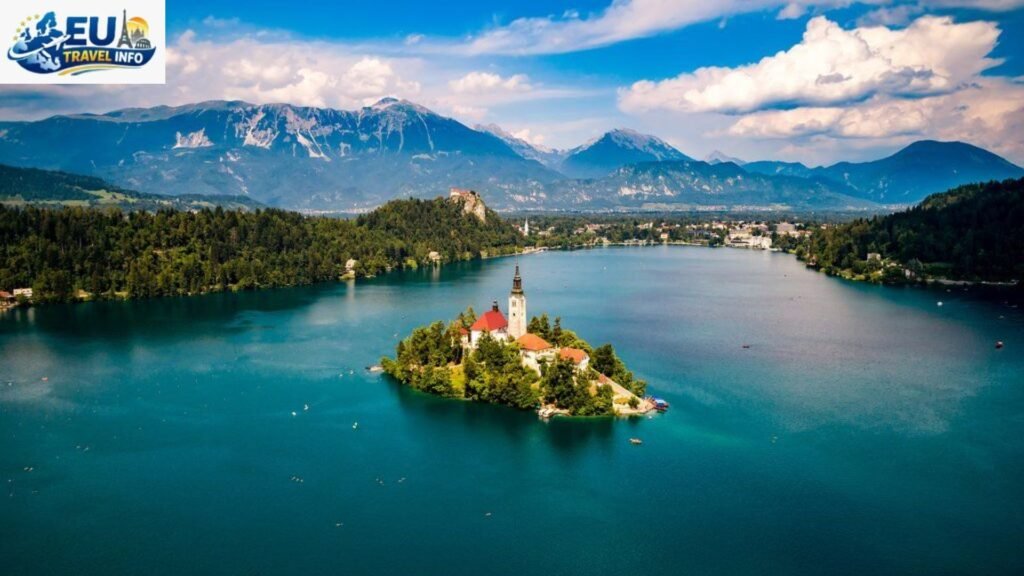
Slovenia is a land of green. You will find that the Best Time To Visit Croatia And Slovenia includes time in the Julian Alps. But the mountains have their own rules.
If you want to hike the high trails or climb Mount Triglav, you must wait for the snow to melt. The reliable window for high-altitude hiking is late June through September. Most mountain huts do not even open until the last week of June.
First of all, consider July and August. These months offer the most stable weather for the high peaks. However, you must watch out for afternoon storms. These are very common in the Alps. You should start your hikes early in the morning to stay safe.
Later, in September, the air becomes crisp and clear. This is the best time for photography. The crowds at Lake Bled and Lake Bohinj begin to thin out. Additionally, the temperatures are perfect for long walks in the valleys.
Gradually, the high trails become dangerous as October approaches. Snow can fall early in the mountains. Therefore, you should stick to lower regions like the Soča Valley or the coast in late autumn.
Winter Sports and Skiing in Slovenia
You might prefer the snow. Slovenia is a great spot for a winter holiday. The high ski season starts in late December and lasts until March.
January and February are the heart of the season. These months provide the best snow conditions. You can visit resorts like Krvavec or Vogel. Plus, Slovenia is often more affordable than the ski resorts in Italy or Austria. This makes it a smart choice for the best time to visit croatia and italy if you want to combine a city trip with some time on the slopes.
Best Time To Visit Croatia Dubrovnik
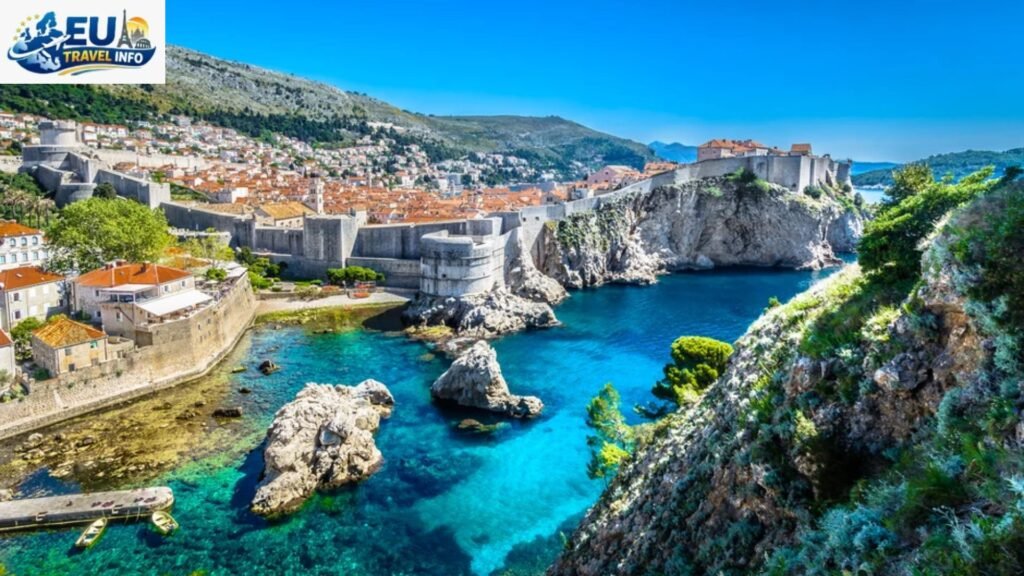
You likely have Dubrovnik on your list. It is the “Pearl of the Adriatic.” But it is also a victim of its own beauty. To truly enjoy it, you must be strategic.
The best time to visit croatia dubrovnik for fewer crowds is late September or early October. During these weeks, the heat of August has passed. You can walk the stone walls without feeling like you are in a furnace.
Additionally, you should check the cruise ship schedules. Some days are much busier than others. If you visit in the summer, try to go into the Old Town early in the morning or late in the evening. Use the middle of the day to escape to the Elaphiti Islands or Lokrum Island. The water is blue. The air is fresh. It is the perfect escape.
Statistical Data For Your 2026 Trip
- Average High Temperature (Croatia Coast – July): 86°F.
- Average High Temperature (Slovenia – January): 40°F.
- Sea Temperature (Croatia – September): 70°F.
- Price Increase (Peak vs. Shoulder Season): Up to 100% for boat rentals.
- Mountain Hut Season (High Alps): Late June to late September.
Transitioning Between The Two Countries
You will find it very easy to move between Croatia and Slovenia. They are neighbors. You can drive from Zagreb to Ljubljana in about two hours. Therefore, you do not have to choose just one.
First of all, start in the north. You can enjoy the lakes and mountains of Slovenia when the weather is cool. Later, head south to the Croatian coast as the sun gets stronger. This “north to south” route is a classic for a reason.
On the contrary, you could start with the beaches of the south in September. As the month ends, you can travel north to see the fall colors in the Plitvice Lakes National Park. The waterfalls are stunning when surrounded by orange and red leaves. Finally, end your trip with a city break in Ljubljana. The cafes along the river are very cozy in the autumn.
Things To Remember For 2026
You should keep a few practical things in mind.
- Book Huts Early: If you plan to hike in Slovenia during July or August, you must book mountain huts weeks or even months ahead.
- Pack Layers: Even in the summer, the mountains can be cold and windy. A warm hat and gloves are necessary for high-altitude treks.
- Check Ferry Schedules: In the off-season (mid-October to mid-May), boat and bus schedules are greatly reduced.
- Try the Wine: September and October are the months for the wine harvest. You can attend St. Martin’s Day celebrations in early November to taste the “new wine”.
A Final Word on the Experience
You are looking for a trip that stays with you forever. You want memories of sunset dinners and mountain air. The Best Time To Visit Croatia And Slovenia is not just about the weather. It is about the feeling of the places.
When you visit in the shoulder season, you get the best of everything. You get the beauty without the stress. You get the luxury for a better price. You get the chance to see these countries as they really are.
FAQ
What is the best month to go to Croatia?
September is the best all-around month. You get warm sea water, pleasant air temperatures, and fewer crowds than the summer peak.
Which month is best for Slovenia?
September is also excellent for Slovenia, especially for hikers. The air is clear, the trails are less busy, and the summer storms have usually passed.
Which country is better to visit, Croatia or Slovenia?
It depends on what you love. Croatia is better for beach lovers, island hoppers, and fans of Mediterranean history. Slovenia is better for hikers, mountain enthusiasts, and those who love green, alpine landscapes. Most people find that visiting both provides the perfect balance.
What is the rainy season in Croatia?
November is typically the rainiest month in Croatia. Late autumn and winter bring more precipitation, while the summers are generally dry.
Concluding Words
Planning your 2026 trip for the shoulder seasons of May, June, or September is the smartest move you can make. You will enjoy warm weather, lower prices, and far fewer crowds than the “tidal wave” of July and August. Whether you are hiking the Julian Alps or sailing the Adriatic, timing your visit to the late spring or early autumn ensures a more relaxed and authentic experience.