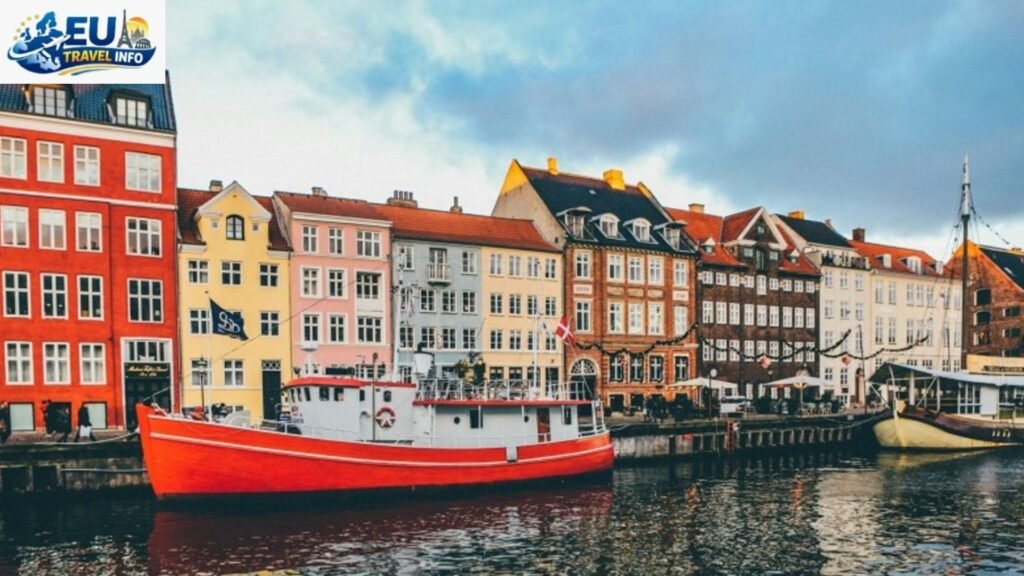
You are planning a trip to a land of old stories and modern style. Denmark in 2026 is calling your name. Imagine the wind in your hair as you cycle past colorful houses. Think of the taste of a fresh pastry on a cool morning. You deserve this adventure. This guide will help you find the Best Time to Visit Denmark so you can see the magic for yourself.
The Golden Rule of Danish Travel
 First of all, you must know that Denmark is a year-round destination. Every season has a different mood. However, most people agree that the period from May to August is the absolute peak. During these months, the country wakes up. The landscapes are lush and green. Outdoor cafes fill the city streets. You will see locals and visitors enjoying the coastal areas together.
The weather is mild. Temperatures usually stay between 15°C and 25°C (59°F to 77°F). On top of that, the daylight hours are incredibly long. In June, you can enjoy up to 17 hours of daylight. This gives you endless time for exploration. You can hike in the green forests or stroll through blooming gardens. Similarly, the coastal areas offer perfect spots for swimming and cycling.
Springtime Secrets: Is April the Right Time?
Perhaps you prefer to avoid the big crowds. If so, spring is a charming choice. Weather in Denmark in April can be a bit of a gamble. Though it marks the start of spring, it remains quite chilly. Temperatures often range from 10°C to 15°C. Some days might even drop to 50°F (10°C).
Expect some rain and wind during this time. However, the country starts to bloom. Gardens like Tivoli in Copenhagen look beautiful with fresh flowers. Additionally, April 2026 brings important holidays. The Easter period runs from April 9 to April 13. At that time, many Danes head to their summer houses. Shops and supermarkets will close on major “red days” like Maundy Thursday and Good Friday. You should plan your grocery shopping ahead of time.
Plus, this is a peaceful season. You can take coastal walks and see the early spring landscapes without many other tourists around. It is a great time for a quiet, authentic look at Danish life.
Summer Bliss: June and August Highlights
Summer is the heart of the Danish travel season. Weather in Denmark in June is arguably the best for outdoor fans. The days are the longest and the landscapes are in full bloom. The Roskilde Festival starts on June 27 and runs until July 4, 2026. This is the largest music and culture event in Northern Europe. It attracts some 80,000 people every year.
Similarly, the Aarhus Jazz Festival takes place from June 26 to July 5. You can find 300 jazz concerts at 30 different venues. Most daytime shows are free to attend. On June 23, do not miss Sankt Hans Aften. Danes celebrate Midsummer Eve with big bonfires along the coasts and beaches. The atmosphere is warm and festive.
Later in the season, you might consider August. Weather in Denmark in August remains warm and lively. Average temperatures sit between 18°C and 25°C. Occasionally, heatwaves can push the thermometer above 30°C. This is a prime time for festivals. Smukfest in Skanderborg runs from August 2 to August 9. It is often called “Denmark’s Most Beautiful Festival” because it is set in a beech forest.
Copenhagen also comes alive in August. Copenhagen Pride Week hits its peak on August 15. The City Hall Square turns into Pride Square with many activities. If you love food, the Copenhagen Cooking and Food Festival happens from August 21 to August 30. This is one of the biggest food events in Northern Europe. You can taste the best of Nordic cuisine across the city. Therefore, August is a fantastic month for those who love a busy, cultural vibe.
The Best Time to Visit Denmark Copenhagen
If your main goal is the capital, you should aim for May to June or September. Best time to visit Denmark Copenhagen is when you can balance good weather with manageable crowds. May brings lower rainfall than the summer months, averaging around 40-50mm. The city’s outdoor dining and harbor swimming spots start to buzz with life.
Tivoli Gardens is a must-see. It is usually open and decked out for the season. You can also visit museums like the National Museum of Denmark or the Designmuseum Denmark. For a unique experience, join the Kulturnatten (Night of Culture) in mid-October. Over 300 museums and galleries open their doors after hours.
However, be prepared for high costs. Copenhagen is a very expensive city. To save money, you might use the Copenhagen Card. It gives you unlimited public transport and free entry to 89 attractions. Also, consider renting a bike. The city has a world-class cycling culture with 250 miles of bike lanes. It is the cheapest and often the quickest way to get around.
Autumn Colors and Winter Hygge

Gradually, the weather cools down in September and October. Temperatures drop from 18°C to around 8°C. This is a lovely time for scenic photography as the leaves turn gold and wine-colored. The summer crowds thin out. You can explore national parks and cultural sites in peace.
Finally, winter arrives. November to April is the off-season. It is the coldest period, with temperatures between -2°C and 8°C. The days are short. It is often dark by early afternoon. Worst time to visit Denmark for general sightseeing is likely January or February because of the cold and darkness.
However, December is magical. This is the season of hygge. Think of candlelight, warm interiors, and cozy cafes. Christmas markets open in late November. The Copenhagen Christmas Market at Højbro Plads is a highlight. You can sample gløgg (mulled wine) and æbleskiver (round pancakes). In 2026, Christmas in Tivoli is expected to run from November 13 to January 3, 2027.
You might even see the Northern Lights in the far north between October and March. Though the chance is lower than in Norway or Sweden, it is still a dream for many.
Denmark Temperature by Month (Averages)
To help you pack, look at these average temperatures for Copenhagen:
| Month | Average Temperature |
| January | 36°F (2°C) |
| February | 37°F (3°C) |
| March | 43°F (6°C) |
| April | 50°F (10°C) |
| May | 61°F (16°C) |
| June | 68°F (20°C) |
| July | 70°F (21°C) |
| August | 70°F (21°C) |
| September | 63°F (17°C) |
| October | 54°F (12°C) |
| November | 45°F (7°C) |
| December | 39°F (4°C) |
Rainfall is fairly steady throughout the year, so a light raincoat is always a smart item to carry.
Budget Travel: Cheapest Time to Visit Denmark
Denmark has a reputation for being pricey. However, you can find ways to save. Cheapest time to visit Denmark for flights is February. If you are not fussy about the weather, you can save a lot of money.
Accommodations are often the biggest expense. Budget-friendly hotels start around $80 per night. Hostels are even cheaper, with some starting at $20 per night. Look for places like Sleep in Heaven in Copenhagen. Additionally, you can shop at budget supermarkets like Netto or Aldi to avoid high restaurant prices.
Eating out can be affordable if you look for a pølsevogn (sausage wagon) for a quick hot dog. Also, check out folkekøkken (communal kitchens) like Absalon in Copenhagen for a cheap meal around $7.
Combining Your Trip: Best Time to Visit Denmark and Sweden
Many travelers want to see more of Scandinavia. The best time to visit Denmark and Sweden together is during the summer. You can find 10-day or 15-day tours that cover both countries. The Øresund Bridge connects Copenhagen directly to Malmo, Sweden.
In winter, you can cross the bridge to enjoy a Swedish festive experience alongside the Danish markets. Just remember that both countries can be quite cold and dark in the mid-winter months. Summer offers the best chance for smooth travel between the two nations.
Family Fun in Billund
If you have children, or if you are just a big kid at heart, Billund is a top destination. This small town is the home of LEGO. LEGOLAND Billund is the first park of its kind in the world. The best months to visit are May through September.
Keep in mind that LEGOLAND has strange opening hours and is not open year-round. You must check the schedule before you book. July and early August are the busiest times. To save money, buy your tickets online in advance. If you only have one day, you might choose the LEGO House instead of the theme park. It is a must-do for any LEGO lover.
Practical Tips for 2026
First of all, Denmark is highly cashless. Digital payments are the norm. You should have a reliable card or mobile payment option. Secondly, public transport is amazing. Trains and buses are integrated and easy to use. If you want to explore the islands, you will likely use a ferry.
Thirdly, be prepared for the weather to change quickly, especially on the coast. Dressing in layers is the best strategy. A good rain jacket is essential even in summer.
Lastly, do not forget the concept of hygge. It is about being present with friends and family in a cozy setting. Whether it is a bonfire in June or a candlelit cafe in December, try to live in the moment.
FAQ
What are the best months to visit Denmark?
The best months are May, June, July, and August. You get the warmest weather and the longest days. May and June are particularly good if you want to avoid the biggest summer crowds and higher prices of July and August.
What is the cheapest month to visit Denmark?
February is generally the cheapest month for flights. Accommodation prices are also lower in the winter off-season, excluding the Christmas period.
Why is Denmark on the no travel list?
The provided sources do not mention Denmark being on a “no travel list.” In fact, they describe it as a safe destination with high driving standards and modern infrastructure. You should always check the latest official government travel advice for the most current information.
What is Denmark’s coldest month?
January and February are the coldest months. Average temperatures during this time hover just above freezing, ranging from -2°C to 8°C.
Concluding Words
Denmark in 2026 offers something for everyone. If you love long, sunny days and vibrant festivals, visit in June or August. For those seeking the cozy magic of hygge and festive markets, December is the time to go. While summer is the most popular season, the shoulder months of May and September provide a wonderful balance of mild weather and fewer crowds. No matter when you choose to visit, the blend of history, design, and natural beauty will make your trip unforgettable.