
You are ready to plan the adventure of a lifetime. The year 2026 is your time to see the world. You want to see the rolling green hills of the Emerald Isle. You want to walk the historic streets of London. This guide will help you find the Best Time To Visit England And Ireland. You deserve a trip that is perfectly timed.
The weather in these places is famous for being changeable. You might see sun, rain, and wind all in one afternoon. However, the mild climate makes it possible to visit any time of the year. You just need to know what you want. Do you want warm sun? Do you want to save money? Do you want to avoid the massive groups of tourists? Let us dive into the details so you can make the right choice for your 2026 journey.
The Big Picture of the Seasons
You should know that England and Ireland have four distinct seasons. Each season brings a different feeling to your trip. Spring is full of flowers and new life. Summer is the time for long days and festivals. Autumn turns the leaves into gold and red. Winter is the season for cozy pubs and Christmas markets.
The best time to visit uk and europe often depends on your own likes and dislikes. Many people think the summer months of June, July, and August are the most ideal. This is because the weather is the warmest then. However, this is also when everyone else travels. On top of that, prices for flights and hotels go up.
If you want a balance, you should look at the shoulder seasons. These are the months of May, September, and October. You will find mild weather and fewer people during these times. It is a great way to see the sights without the stress.
Spring: The Season of Flowers and Life
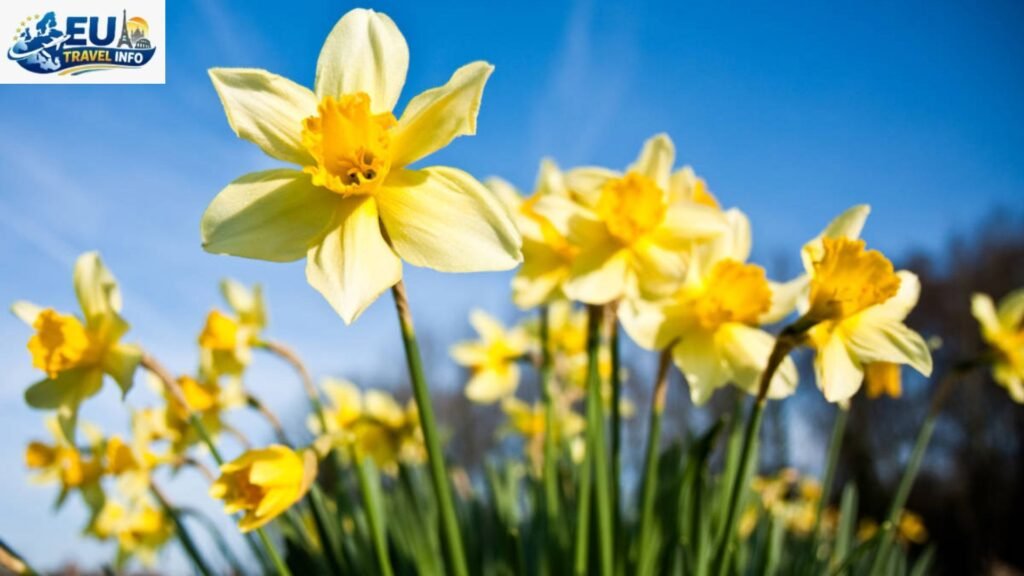
Spring starts in March and lasts until May. This is a rewarding time to travel because the days get longer. You will see the landscape come to life with bright colors. In England, daffodils appear in March. Bluebells and fruit tree blossoms follow in late April. Ireland also becomes a “riot of colour” with wildflowers and yellow gorse.
Is march a good time to visit england? The answer is yes if you like literature and festivals. Bath holds a literature festival every March. However, the weather can still be cold and rainy. You might even see a few sunny spells between the showers.
March is a huge month for Ireland. St. Patrick’s Day is on March 17th. People from all over the world flock to Dublin for parades and music. You should expect the city to be very busy and expensive during this week. If you love a lively atmosphere, this is for you.
April and May are fantastic for walking and hiking. The weather gets warmer and the spring flowers reach their peak. You can see vivid fuchsias along the west coast of Ireland. In England, the countryside is full of little lambs.
The average temperatures in spring range from 8 to 15 degrees Celsius. You should be aware that Ireland tends to be wetter than England during this time. Additionally, schools in Ireland get two weeks off around Easter. This can make it harder to find a place to stay. You should book your hotels early if you plan to visit in late April.
Summer: Long Days and Peak Energy
Summer is the most popular time for a reason. From June to August, the days are at their longest. In northern Scotland, the light can stay in the sky until 11 PM. This gives you so much more time to explore. You can have a long dinner and still go for a scenic walk afterward.
June is often the best month of the summer. It is usually warm and sunny. It is also the start of the festival season. You could go to the Glastonbury Festival for music. Or you could watch the tennis at Wimbledon in London. The Royal Ascot horse races also take place in June or July.
Ireland in June is beautiful. The gardens are full of color. It is an ideal time to visit one of Ireland’s National Parks. July is the best time to go if you want the highest chance of good weather. The average highs in July reach about 19 degrees Celsius in Ireland. In England, summer temperatures typically stay between 21 and 26 degrees Celsius. This is warm but usually not too hot for walking.
However, you must be ready for the crowds. Schools go on break in mid-July. This makes it the busiest and most expensive time to travel. You will pay peak prices for your B&B or hotel. Popular spots like the Ring of Kerry or the Cliffs of Moher will be very crowded.
August is the hottest month of the year. It is a great time to see the Edinburgh Fringe Festival in Scotland. In London, you can experience the Notting Hill Carnival at the end of the month. Ireland stays green and lush because of the summer rain. You will find a very “buzzy” atmosphere in the towns and villages during this time.
Autumn: Gold Leaves and Crisp Air
Autumn begins in September and lasts through November. Many travelers think this is the most beautiful time. The air turns cool and clear. The trees change into shades of gold, red, and orange. It is a more peaceful time to enjoy the natural beauty of the land.
Is october a good time to visit uk? It is actually a favorite for many experts. You can bypass the busy summer crowds. You get to see the purple heather on the hills of the Yorkshire Dales. The weather is usually crisp and cool. It is less rainy than other times of the year. After a day of hiking, you can sit by a roaring fire in a pub with a pint.
September is also a strong choice for your trip. The temperatures start to drop but it can still be warm and sunny. This is sometimes called an “Indian Summer“. Farmers are busy with the harvest. You can visit the York Food and Drink Festival or the Jane Austen Festival in Bath.
Ireland in September is wonderful. The kids go back to school, so the tourist numbers drop. You will find that flights are a little cheaper too. The average high temperature is between 13 and 16 degrees Celsius. It is the perfect time for a road trip on the Wild Atlantic Way.
October in Ireland remains full of life. There are many festivals to enjoy. The countryside turns into a “golden tapestry of colour”. You might even see Europe’s largest Halloween celebration in Derry. However, the days start to get much shorter. By mid-October, the sun sets around 6:40 PM.
November is when the winter chill really starts. It is usually a cold and damp month. The sun sets very early, around 4 PM. But you can see Guy Fawkes Night on November 5th. There are bonfires and fireworks all across England. It is a great way to stay warm. On top of that, many towns start their Christmas markets in mid-November.
Winter: Quiet Charm and Great Value

Winter runs from December to February. This is the worst time to visit england if you hate the cold and rain. It is the coldest part of the year. You will find snow in the northern parts of England and on the mountains. The Lake District can look very beautiful when it is snowy.
But there are good reasons to visit in winter. It is the cheapest time to visit england. Flights and hotels cost much less than in the summer. You can see the famous museums and landmarks without any lines. London is especially quiet in January and February. You can also enjoy a spa retreat in Bath to escape the chill.
December is a magical time for cities. You will see Christmas lights decorating the towns. You can go ice skating at Somerset House in London. Edinburgh and Bath have very famous Christmas markets. Ireland also has a festive buzz. The pubs are cozy with big open fires.
January is the coldest month. The sun rises late and sets early. However, you can celebrate Burn’s Night in Scotland on January 25th. You can eat haggis and drink whiskey to stay warm. February is similar but slightly drier than January. You might even see the first snowdrops poking through the frost.
You should be aware that some attractions close in the winter. This is especially true in smaller villages and rural areas. You should always check the opening times before you go. Additionally, the weather can be very unpredictable. You might face heavy rain, strong winds, or even flooding.
Finding the Best Time to Visit Ireland to Avoid Crowds
You want to experience the magic of the Emerald Isle in peace. To do this, you must avoid the peak summer months. July and August are the most crowded times. The best time to visit ireland 2026 to avoid these crowds is the shoulder season.
The months of May, September, and October are your best friends. In May, you get the long days of summer but without the school holiday rush. In September, the weather is still mild but the “kids have gone back to school”. You will have more space at iconic spots like the Cliffs of Moher or the Ring of Kerry.
If you really want silence, consider the winter months. January and February are the quietest times. You might have the hiking trails all to yourself. The landscapes can be stunning when they are covered in a light blanket of snow. You just need to be well-prepared with waterproof gear and warm boots.
Another tip is to visit the east coast. Dublin is the driest place in Ireland. The west coast receives much more rain and wind. If you want to avoid the crowds in Dublin, stay away during the week of St. Patrick’s Day. March 17th is the busiest day of the year for the city.
How to See London Without the Stress
You might be asking about the best time to visit london to avoid crowds. London is a busy world city, but you can find quiet windows. The busiest times are summer (June to August) and the weeks around Christmas.
Late April is a “sweet spot”. The weather is starting to feel good, but the summer demand has not started yet. September is another great choice. Once the summer travel drops, the prices for flights often soften too.
If you do not mind the cold, January and February are very quiet. You can walk through Westminster or visit the Tower of London with very few people around you. London Fashion Week happens in February and September. This brings a lot of excitement to the city, but it is mostly focused on the fashion areas.
You should also avoid the public holidays, which are called Bank Holidays in the UK. There are two in May. The first and last weekends of May are always very busy with local travelers. Late August also has a Bank Holiday weekend that coincides with the Notting Hill Carnival. Avoid these dates if you want a more relaxed visit.
Budget Travel: Saving Your Pennies
You want to see these beautiful countries without breaking the bank. Timing your flight and hotel booking is key. The cheapest time to visit england and Ireland is usually the winter off-season. This includes late January, February, and November.
Flights to Dublin are often at their lowest in February. You can save a lot of money if you travel mid-week. Tuesday and Wednesday departures usually have better prices than weekends. You should start tracking your flight prices 2 to 5 months ahead for these low seasons.
For peak times like summer or St. Patrick’s Day, you must plan much earlier. Start looking 4 to 7 months in advance. Prices for the weekend closest to March 17th disappear very early.
In Ireland, January and February offer the lowest hotel costs. You might find that some seasonal hotels are closed, but the ones that are open will have great deals. In England, November is a “pre-holiday lull”. You can find good value before the Christmas travel pushes prices up.
Remember that currency is different. The UK uses the Pound Sterling (£). The Republic of Ireland uses the Euro (€). Northern Ireland also uses the Pound. You should carry some cash for smaller shops, but most places take cards.
Regional Weather Secrets
You should know that the weather changes depending on where you go. Southern England is typically the warmest part of the UK. London and the southern counties get the most sun and the least snow.
As you go further north, it gets cooler. In Central and North England, rain is common all year round. Cities like Liverpool often have fresh coastal breezes. The Lake District is very beautiful but it is also one of the rainiest places. In October, the Lake District can receive over 318mm of rain.
Scotland is usually the coolest part of the UK. It snows in the winter, especially in the mountains. Ireland has a very mild climate because of the Atlantic Ocean. This keeps the hills “emerald green” but it means showers are frequent.
The west coast of Ireland receives much more rain than the east coast. For example, Dublin received about 801 mm of rain in a year, while parts of the west can get much more. You should always pack a raincoat and an umbrella, no matter where you go.
What You Should Pack
You are going to a place where you might see “four seasons in one day”. You must be prepared. Layers are your best friend. You can take them off when the sun comes out and put them back on when the wind starts to blow.
A good raincoat is essential. Do not just bring a small umbrella; the wind can be strong and might break it. Waterproof clothing is a must if you plan to go hiking in the Irish countryside. You also need sturdy and comfortable shoes. You will be doing a lot of walking on cobblestone streets and rugged trails.
If you visit in the summer, do not forget sunscreen and a hat. Even when it is cloudy, the sun can be strong. If you visit in the winter, you will need warm hats, scarves, and gloves. You want to stay cozy while you explore the Christmas markets.
Summary of the Best Times for 2026
You have a lot of options for your 2026 trip. Here is a quick guide to help you decide:
- For the best weather: July and August.
- For the best flowers: April and May.
- For the lowest prices: January, February, and November.
- For the fewest crowds: May, September, and October.
- For the best festivals: June, July, and August.
- For a cozy winter vibe: December.
No matter when you choose to go, England and Ireland will offer you an unforgettable experience. The history, the culture, and the scenery are waiting for you. You will find a warm welcome and plenty of stories to bring home.
Gradually, you will find that the rain is just part of the charm. It makes the grass green and the pubs feel even warmer. Finally, you are ready to book your ticket. 2026 is going to be your year for adventure. Happy planning!
FAQ
Which month is best to visit England?
May and June are often the best months. They are typically warm and sunny with less rain than the winter. You also get to see the beautiful gardens and parks at their peak.
What is the best time to go to Ireland and England?
The shoulder seasons of May, September, and October are the best. You get a great mix of mild weather, long days, and fewer crowds than the summer peak.
What is the best month to visit Ireland?
Many experts say May is the best month. It has long, mild days and the incoming summer brings a lively atmosphere before the big crowds arrive.
What is the rainiest month in the UK?
This can vary by region. In the Lake District, October is often the wettest month with over 318mm of rain. In southern cities like London and Bath, December and January often see the most frequent rain and damp conditions.
Concluding Words
You now have a complete guide for your 2026 trip to England and Ireland. Summer offers the warmest weather and longest days for your outdoor fun. Spring and autumn provide the best balance of pleasant temperatures and smaller crowds for a relaxed pace. Winter is the ideal choice for budget travelers who love cozy pubs and festive markets. You should pick the season that fits your dreams and start your journey today.