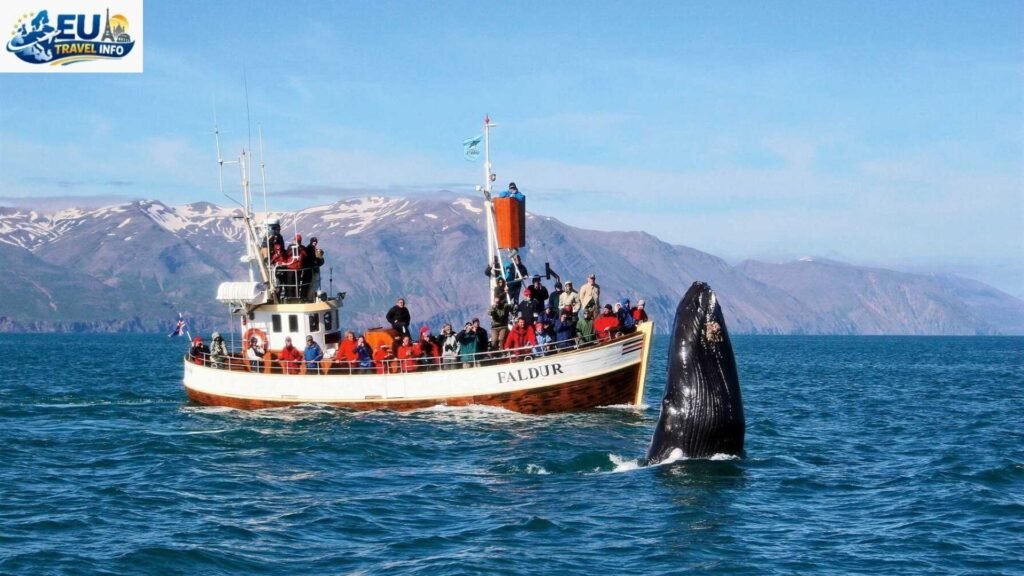
You stand on the deck of a traditional oak boat. The salty mist hits your face. The air is cold, but your heart beats fast with excitement. You scan the horizon of the North Atlantic. Suddenly, a massive tail breaks the surface. A fountain of mist shoots into the sky. This is the moment you came for. Iceland is a true paradise for whale lovers. There are around 23 to 24 species of whales found in these waters. Some stay all year, while others just pass through for the summer feeding season. You want to know the Best Time To Visit Iceland For Whale Watching. You want to see these giants for yourself in 2026. This guide will tell you everything you need to know to plan the perfect trip.
The Broad Overview: When to Go?
First of all, you can see whales in Iceland at any time of the year. However, the experience changes a lot depending on the month you choose. The best month to see whales in iceland is usually in the summer. This season runs from April until September. At that time, many species are frequently spotted. The bigger whales travel to these waters to feed. Summer is the most comfortable time for a tour. The days are long. The weather is more agreeable. Plus, you can see seabirds like puffins from April to mid-August.
On the contrary, winter tours from October to March are less frequent. Only a few harbors like Akureyri and Reykjavík offer tours all year. Winter tours come with challenges like cold wind and rough seas. However, they offer the bonus of snowcapped mountains and long sunsets. You might even see the northern lights while you search for whales. Additionally, winter is a great time to see certain species like orcas.
Why Húsavík is the Whale Capital
If you want the best results, you must head north. Húsavík has claimed the title of the whale capital of Iceland. This town sits on Skjálfandi Bay. It has a 98% to 99% success rate for spotting whales on tours. The nutrient-rich waters attract many species. You can see humpbacks, minkes, and even blue whales here.
Gradually, Húsavík has grown into a major center for research and tourism. You should visit the Húsavík Whale Museum while you are there. It offers deep information about whale biology and history. Later, you can soak in a geothermal spa and maybe even spot a whale from the water.
Convenience in the Capital: Reykjavík
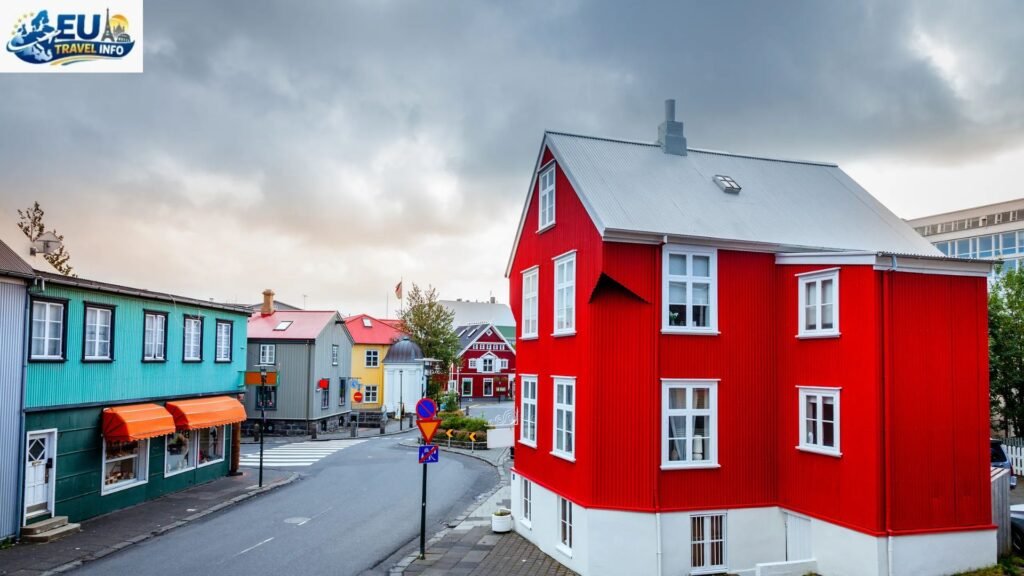
You might prefer to stay in the city. In that case, whale watching iceland reykjavik is the perfect choice for you. Tours depart from the Old Harbor, which is a short walk from downtown. These tours look for whales in Faxaflói Bay. The main species you will see are white-beaked dolphins, minke whales, and harbor porpoises.
These tours are very convenient. They usually last 3 hours or less. This allows you to fit other activities into your day. Therefore, you can see whales in the morning and visit a museum or a restaurant in the afternoon. If a tour is canceled due to bad weather, most operators let you join another tour for free. Similarly, if you do not see any whales, you often get a free ticket for another try.
Meeting the Giants: The Species of 2026
You will encounter many different types of marine life in Iceland. Each species has its own personality and habits.
The Humpback Whale: The Diva of the Sea
Humpback whales are the true stars of the summer. They are known for their acrobatics. You will see them breaching, which is when they launch themselves out of the water. They also slap the surface with their fins and tails. These whales grow to 13-17 meters long. They have a lifespan of about 150 years. They are very curious and often approach boats. You have a high chance of seeing at least one on a summer tour in the north.
The Minke Whale: The Curious Resident
The minke whale is the most common whale in Iceland. You can see them year-round. They are smaller than humpbacks, reaching 7-10 meters in length. They have a small, sleek body that is dark gray on top. Gradually, they have become very used to boats. They are known for their curiosity. They often swim close to the vessel, so have your camera ready.
The Blue Whale: The King of the Ocean
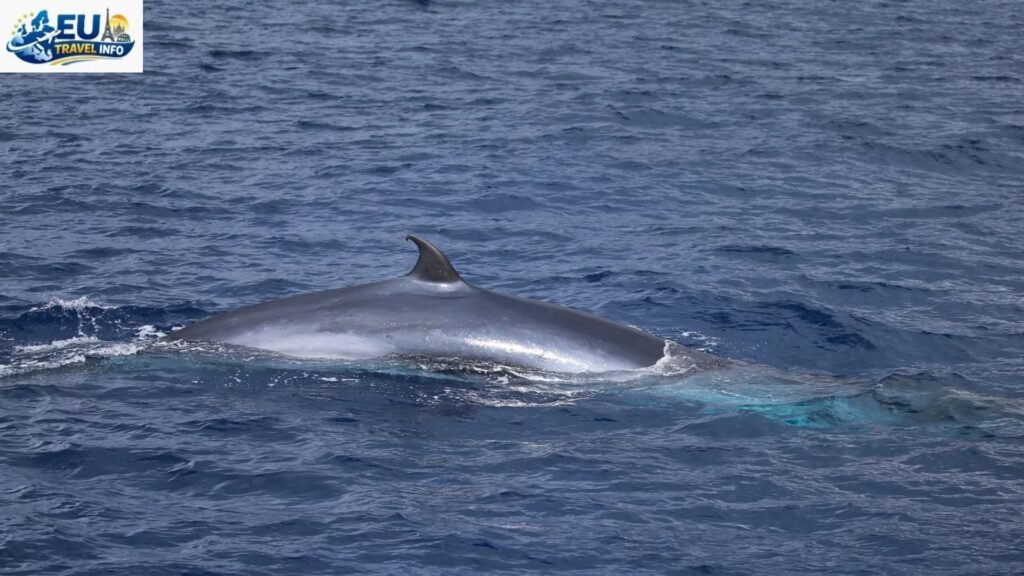
If you are very lucky, you might experience blue whale watching iceland. The blue whale is the largest animal on Earth. They can grow up to 30 meters long and weigh up to 150 tonnes. These giants feed almost entirely on krill. The chance to see them is highest in Skjálfandi Bay near Húsavík around June. They are rare but breathtaking to witness.
The Orca: The Wolves of the Sea
Orcas, also called killer whales, are actually the largest species of dolphin. About 5,000 individuals live around Iceland. They are social animals that live in family groups called pods. You will find them where the food is. They follow herring and capelin. The best time to see orcas in iceland is during the winter and spring. They congregate in Breiðafjörður Bay near the Snæfellsnes Peninsula.
A Monthly Guide for Your 2026 Trip
You need to pick the right month for your specific goals. Here is a breakdown of what to expect throughout the year.
January and February
Can you see whales in the middle of winter? Yes. can you see whales in iceland in february? The season for orcas to feed around Snæfellsnes begins in mid-February. Tours from Ólafsvík start at this time. You can also find white-beaked dolphins and harbor porpoises year-round. These species do not migrate, so they stay near Iceland through the winter. However, the weather is very cold and the sea can be rough. You must dress in many layers.
March and April
Spring is a time of change. The migratory whales begin to return. You might see early arrivals like humpbacks. Tours from Húsavík usually start in March. By April, your chances of sightings improve steadily. This is also the start of puffin season, which begins in April. The success rate for tours starts to climb toward the high summer numbers.
May and June
These are some of the best months for your visit. Gradually, the daylight increases until the sun does not set at all in late June. You can take midnight sun whale watching tours. Imagine a humpback whale basking in the orange glow of the sun at 11:00 PM. In June, your chance of seeing a blue whale is at its peak. Success rates for sightings often reach 100% in the north during these months.
July and August
This is peak whale season. The weather is usually the best of the year. You will see the greatest variety of species. Humpbacks, minkes, and dolphins are everywhere. Additionally, this is the last chance to see puffins before they head back to sea in mid-August. Tours are very frequent because the daylight is so long. This is the most popular time to visit, so you should book your tours early.
September and October
The summer season begins to wind down. However, whale watching iceland october is still very worth it. Many migratory whales are still present before they head south for the winter. The crowds are smaller than in July. You might also start to see the northern lights on evening tours as the nights get darker. The weather can get more stormy at this time, so be prepared for some cancellations.
November and December
Winter returns. can you see whales in iceland in november? Yes, but your options are more limited. Tours from Húsavík usually run through November. In the winter, you are more likely to see resident species like dolphins and porpoises. You can also look for orcas in Breiðafjörður Bay. At that time, the scenery is dramatic with snow on the mountains.
Where to Go: The Best Ports in Iceland
You have many choices for your departure point. Each area offers a different view of Iceland’s nature.
Akureyri and Eyjafjörður
Akureyri is the “capital of the north”. It sits at the end of Eyjafjörður, the longest fjord in Iceland. The waters here are deep and sheltered. This means the sailing is often smoother than in the open ocean. You can see humpbacks and minkes here all year. Additionally, the backdrop of snowcapped mountains is stunning.
Dalvík
A short drive from Akureyri brings you to Dalvík. This is a prime location for whale watching in Eyjafjörður. Tours here have an 11-year average sighting rate of over 98% from May to October. You can join an express tour on a RIB speedboat. These boats are fast and get you very close to the action. Believe me, a RIB tour is a thrilling experience you will never forget.
The Snæfellsnes Peninsula
This area is a hidden gem for whale watchers. Tours leave from Ólafsvík and Grundarfjörður. This is the best place in Iceland to see toothed whales. You can find orcas, sperm whales, and pilot whales here. The scenery is also spectacular with the Snæfellsjökull Glacier towering over the coast.
Hólmavík
For a more remote experience, head to Hólmavík in the Westfjords. This area is remote and unspoiled. Humpback whales are the most common species here. The fjords are calm and peaceful. Tours run from mid-June to mid-October. This is the perfect spot if you want to avoid the big crowds.
How to Prepare: Tips for a Great Experience
You want to enjoy your tour without any problems. A little preparation goes a long way.
What to Wear
Even in the summer, the sea air is chilly. You must dress in warm, layered clothing. First of all, wear thermal underlayers. Then, add an insulated jacket. Finally, use a waterproof outer layer. Do not forget warm gloves, a hat, and sturdy waterproof boots. Most tour operators provide warm floatation suits. These will keep you warm and safe, but you should still wear your own warm clothes underneath.
Dealing with Sea Sickness
The waters of the North Atlantic can be rough. If you get nausea easily, you should take motion-sickness medication. Take the tablets 1-2 hours before you go out to sea. Stay on the deck where you can see the horizon. This helps your brain understand the boat’s motion. Similarly, stay in the back of the boat where the movement is often less intense. Morning tours sometimes have calmer waters, which might be better for you.
Choosing Your Boat
You can choose between different types of vessels. Traditional oak boats offer a stable and comfortable ride. They are great for families and those who want a relaxed pace. On top of that, they are a beautiful part of Icelandic history. Later, you might try a RIB speedboat. These are faster and allow you to cover more ground. They offer a more personal encounter because you are closer to the water. However, they are more bumpy and not always suitable for everyone.
Is it worth it?
You might wonder, is whale watching in iceland worth it? The answer is a loud yes. To see a 30-meter blue whale or a breaching humpback in its natural home is a life-changing event. Iceland offers some of the best whale watching in the world. The success rates are incredibly high. Plus, you get to see some of the most beautiful scenery on the planet at the same time. It is a must-do activity for any visitor in 2026.
Rules of the Water: Responsible Watching
Icelanders care deeply about their marine life. There is a Code of Conduct for responsible whale watching. Tour operators aim to minimize the impact on the animals. They stay at a safe distance, usually 100 to 300 meters. They avoid making sudden loud noises. They never deliberately sail through a pod of whales.
As a guest, you must also be respectful. Do not try to touch or feed the whales. Do not throw any litter into the ocean. Remember that these are wild animals in their own home. Show them patience and respect. By following these rules, we ensure that whale watching is sustainable for the future.
Statistical Data and Fun Facts
To help you understand these creatures better, here are some interesting facts and numbers:
- 23-24 species: The number of whale species found in Icelandic waters.
- 98-99%: The success rate for spotting whales in Húsavík during the summer.
- 30 meters: The maximum length of a blue whale.
- 150 years: The impressive lifespan of a humpback whale.
- 72 km/h: The top speed of a fin whale, making it one of the fastest swimmers.
- 2 hours: The length of time a sperm whale can hold its breath underwater.
- 5,000: The approximate number of orcas living around Iceland.
- 300,000: The number of people who went whale watching in Iceland in 2018.
Planning Your Journey in 2026
You have many ways to travel around Iceland. Many visitors choose to rent a camper van. This gives you the flexibility to chase clear skies. You can adjust your route for the best weather. If the weather is bad in the south, you can drive north to the fjords.
First of all, decide which species you want to see most. If you want blue whales, go to Húsavík in June. If you want orcas, visit the Snæfellsnes Peninsula in February or March. For the best overall experience, plan your trip for July or August. Book your tours and accommodation early, as this is the peak season.
Final Thoughts for Your Tour
You will love the experience of seeing whales in Iceland. Whether you are on a large oak ship or a fast RIB boat, the sight of a giant surfacing is magical. Use this guide to pick the Best Time To Visit Iceland For Whale Watching. Dress warmly. Be prepared for some sea motion. Most importantly, enjoy the incredible nature that Iceland has to offer. These gentle giants are waiting for you in the deep blue waters of the North Atlantic.
FAQ
What month is best to see whales in Iceland?
The best months are June, July, and August. These months offer the best weather and the greatest variety of whales. Humpback and minke whales are very common at this time. You also have a high chance of seeing dolphins and puffins.
Can you see whales in Reykjavik?
Yes, you can see whales in Reykjavik year-round. Tours leave from the Old Harbor and go into Faxafloi Bay. You will most often see minke whales, white-beaked dolphins, and harbor porpoises. Summer tours in Reykjavik also frequently spot humpback whales.
What’s the best month to go whale watching?
July is often considered the single best month. The weather is usually the calmest. Success rates for sightings are near 100% in many areas. You can also enjoy the midnight sun and see many puffins.
Can you see orcas in Iceland in January?
Yes, you can see orcas in January. They are resident in Icelandic waters all year. However, the best place to find them in the winter is Breidafjordur Bay. Success rates for sightings can still be as high as 100% in some winter months.
Concluding Words
Iceland is one of the top places on Earth for whale watching, with a 98% success rate in peak spots like Húsavík. While you can see whales year-round, the best time to visit is from April to September, with June, July, and August being the absolute peak for species variety and good weather. You can see giants like humpback and blue whales in the summer or seek out orcas in the winter fjords. No matter when you go, you will witness some of the most majestic creatures in the world against a backdrop of stunning volcanic scenery.