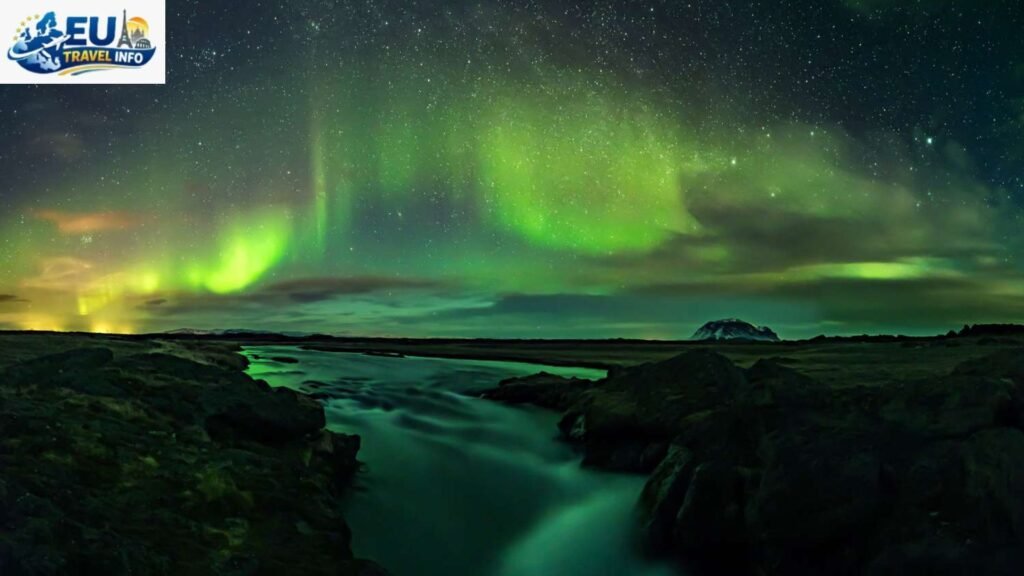
You stand on the edge of a volcanic cliff and feel the mist of a massive waterfall on your face. This is the land of fire and ice. You probably want to know the Best Time To Visit Iceland Weather patterns so you can plan the perfect adventure. The year 2026 is a massive year for this island. A natural cycle of the sun reaches its peak. This means your chances to witness the Aurora Borealis are the highest they will be for over a decade. Every single month here offers you a completely different world. You might walk through blue ice tunnels in the morning and soak in a steaming hot spring at night.
A General Look At The Climate
The climate on this island is quite unique. You might think it is always freezing, but the Gulf Stream keeps the coastal areas relatively mild. First of all, the weather is very variable throughout every single day. People here have a saying: “If you do not like the weather, wait five minutes”. You should expect rain, wind, and sun all within one afternoon. Temperatures in the capital, Reykjavik, usually stay between 28°F and 56°F depending on the month. However, the interior Highlands are much colder and more rugged. Additionally, the dramatic change in daylight hours will shape your entire trip. You will experience nearly twenty-four hours of light in the summer and only four to five hours in the deep winter.
January: The Deep Silence Of Winter
January brings you a true winter wonderland experience. You will find that it is the least touristy time to visit, which makes it the cheapest time to travel to Iceland. At that time, the landscape is covered in thick snow and frozen waterfalls. You only get about five hours of daylight each day. On January 1, the sun rises around 11:19 AM and sets at 3:44 PM.
The average temperature stays around 32°F. You should be ready for frequent snowstorms and freezing winds that create icy road conditions. Therefore, you must rent a 4×4 vehicle with studded winter tires if you plan to drive yourself. Plus, the long nights are perfect for hunting the Northern Lights. You can combine your aurora chasing with tours of natural ice caves in glaciers like Vatnajökull.
February: The Crown Jewel Of Aurora Hunting
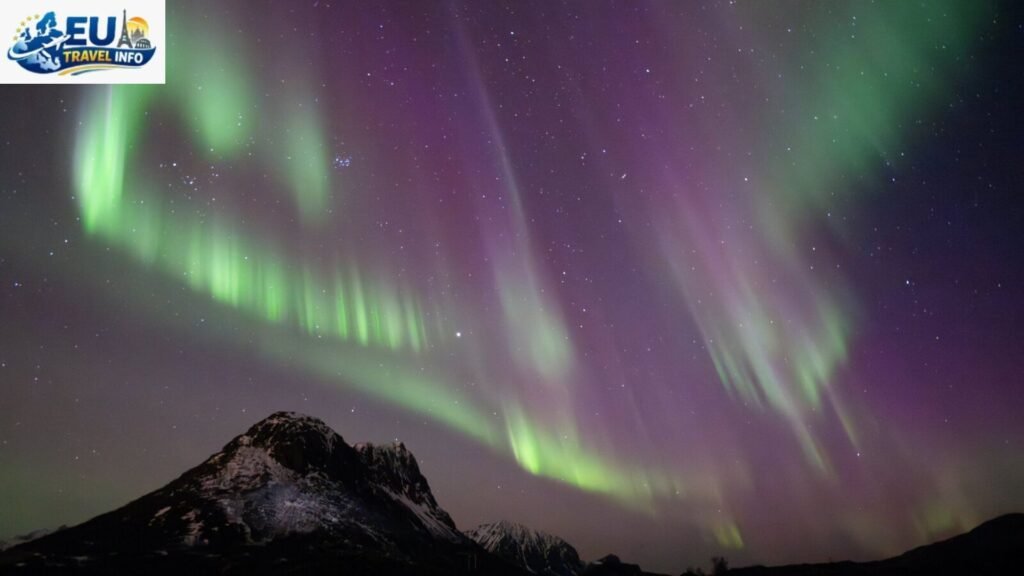 any experts agree that February is the best month to go iceland for northern lights. You get the perfect mix of very long, dark nights and weather that is slightly more stable than January. The days start to stretch out, and you get about seven to nine hours of daylight by the end of the month. Similarly, the snow-covered landscapes remain beautiful for photography.
February is also the time for the Þorrablót festival. You can try traditional Icelandic foods like fermented shark and smoked lamb. If you seek romance, you might find a spot under the green dancing lights for a special Valentine’s Day. However, it is still very cold, with temperatures often dropping to 28°F. You must dress in many layers to stay warm while you wait for the lights to appear.
March: The Edge Of Spring
March signals the start of the first thaw. You will notice that the days are much longer now, with up to eleven hours of light. On March 19, the sun rises at 7:33 AM and stays up until 7:40 PM. This month is one of the best times to see the Northern Lights in Iceland because the spring equinox often brings high solar activity.
The climate begins to improve, though you should still expect sudden snow squalls. Additionally, this is a fantastic time for snorkeling in the Silfra Fissure. You can swim between the tectonic plates in water that is some of the clearest on the planet. On top of that, you might see orcas and dolphins near the Snæfellsnes Peninsula at this time.
April: Nature Wakes Up
April is when the spring season truly begins on the island. The snow starts to melt at lower levels, and the first green grass and wildflowers appear. You will find that this is a great time for the Golden Circle or the Ring Road because the roads are more accessible. At that time, you get about fourteen to sixteen hours of daylight.
This is also the last month to catch the Northern Lights before the sky becomes too bright. On the contrary, it is the month when puffins begin to return to the coastal cliffs to mate. You can see these cute birds at spots like Dyrhólaey. Similarly, the waterfalls become more powerful as the snow melts from the mountains.
May: The Perfect Secret Season
You will find that May is a hidden gem for travelers. It is a shoulder season, which means there are fewer crowds at popular spots like the Blue Lagoon or Geysir. Additionally, prices for hotels and car rentals can be 20-30% lower than in the peak summer months. You get between seventeen and twenty hours of light each day.
The weather is mild, with temperatures ranging from 37°F to 50°F. First of all, the whale watching season hits its stride in May. You have a very high chance of seeing humpbacks and minke whales. Though most main roads are clear, you must remember that the Highland F-roads remain closed until late June. Therefore, you cannot visit places like Landmannalaugar with a regular car yet.
June: The Land Of The Midnight Sun
June brings you the incredible phenomenon of the Midnight Sun. Around the summer solstice on June 21, the sun barely dips below the horizon. You will experience twenty-four hours of daylight in the north of the island. This allows you to go sightseeing at midnight to avoid the daytime crowds.
The weather is stable and perfect for outdoor activities like hiking and horseback riding. Most secondary roads and Highland access points finally open during this month. Additionally, you can enjoy vibrant festivals like the Secret Solstice in Reykjavik. You will also see the hillsides turn purple as the lupines bloom across the landscape.
July: The Heart Of Summer
July is the warmest month of the year in Iceland. You will find average temperatures between 50°F and 59°F, and it can sometimes reach 68°F. This is the best month to visit Iceland if you want to go trekking in the remote Highlands. Roads to areas like Landmannalaugar and Askja are open for 4×4 vehicles.
You should expect the most tourists during this month because the conditions are so ideal. Popular sites will be busy between 10:00 AM and 6:00 PM. On top of that, you must book your hotels and tours many months in advance. Similarly, this is the prime time for birdwatching and seeing millions of puffins on the cliffs.
August: Festivals And Final Summer Days

August offers you a mix of warm weather and the return of a few hours of darkness. By the end of the month, the sun sets around 10:00 PM, which brings back the chance to see the stars. This is a fantastic time for festivals like Reykjavik Pride or the massive Thjodhatid music festival in the Westman Islands.
The Total Solar Eclipse will happen on August 12, 2026, which will be a once-in-a-lifetime event for visitors. You will find that the whale watching remains excellent during this month. Later in the month, the puffins begin to leave their nests to head back to the sea. Additionally, you can join the locals in berry picking for wild blueberries and crowberries in the countryside.
September: The Expert Favorite
Many travel experts believe September is the best time to visit Iceland weather wise. You get the best of both summer and winter worlds. The weather is still relatively mild, with temperatures around 45°F, but the summer crowds have thinned out. First of all, the autumn colors turn the landscape into a tapestry of gold, orange, and red.
The Northern Lights reappear in the dark night skies during this month. You can capture amazing photos of green auroras dancing over fiery autumn foliage. Additionally, the Highland roads are often still open for part of the month, so you can still enjoy some mountain hiking. This is also the time for the Reykjavik International Film Festival.
October: The First Snows
October is a transitional month where winter begins to return. You will see the first snowfalls of the season, and the Highland roads usually close. However, the weather remains relatively mild compared to mid-winter, with temperatures around 39°F. You get about nine to eleven hours of light.
This is a great month for peace and quiet because there are fewer tourists. You can visit the Imagine Peace Tower on Viðey Island, which is lit from October 9 until December 8. Additionally, this is an excellent time for best time to visit iceland for northern lights tours because the nights are getting much darker. You might even see the fall colors and the first white snow at the same time.
November: The True Start Of Winter
Best time to visit iceland november is when you want a genuine taste of the Icelandic winter without the holiday crowds of December. You will find that the country transforms into a stunning world of ice. This is the optimal time for ice caving because the temperatures drop low enough to make the caves stable and safe to explore.
You only get about five to six hours of daylight now. On top of that, the nights are long and perfect for seeing the aurora. You can also experience the Iceland Airwaves music festival in Reykjavik, which brings artists from all over the world. Similarly, this is the best time to visit iceland for whale watching if you want to see orcas around the Snæfellsnes Peninsula.
December: A Magical Holiday Atmosphere
December is one of the most enchanting months to be on the island. The towns are decorated with sparkling Christmas lights, and the holiday spirit is everywhere. You will find that the days are the shortest now, with only four hours of light around the winter solstice on December 21. The sun rises as late as 11:30 AM and sets around 3:30 PM.
This is the worst time to visit iceland if you hate the cold and dark, but it is the best for a cozy atmosphere. You can soak in the Blue Lagoon while snow falls around you under a star-filled sky. Additionally, you should look out for the thirteen Yule Lads, who are mischievous Christmas characters from local folklore. The New Year’s Eve fireworks in Reykjavik are legendary and light up the entire city sky.
Planning Your Seasonal Activities
You should choose your travel dates based on the specific things you want to do.
Finding The Northern Lights
The best time to visit iceland for northern lights is between late September and early April. You need three things: darkness, clear skies, and solar activity. Since 2026 is part of the solar maximum, you will likely see more frequent and intense displays with brighter colors. The best time of day to watch is usually between 11:00 PM and 1:00 AM. You should try to stay at least five to seven nights to increase your chances of seeing them.
Visiting The Blue Lagoon And Hot Springs
The best time to visit iceland blue lagoon depends on the feeling you want. In the summer, you can lounge in the warm water under the golden light of the midnight sun. In the winter, the contrast between the freezing air and the hot mineral water is irresistible. You might even see the auroras while you soak. Additionally, you should consider other best time to visit iceland hot springs locations like the Sky Lagoon or the Secret Lagoon for a more local experience.
Going Whale Watching
The peak season for best time to visit iceland for whale watching is from June to August. This is when minke whales, humpbacks, and dolphins are most active near the shore. However, you can see whales all year round from Reykjavik. If you visit in the winter, specifically February to March, you have the best chance to see orcas in Breidafjordur Bay.
Safety Tips For Your Trip
You must always be prepared for the Icelandic elements.
- Driving: Always check road.is for road conditions and vedur.is for weather alerts. In winter, you must use a 4×4 vehicle and follow existing tracks. Never drive off-road because it is illegal and damages the nature.
- Clothing: You should dress in layers. Use a waterproof jacket, thermal base layers, and sturdy hiking boots. Do not forget your swimsuit for the geothermal pools!
- Booking: You should book your tickets for the Blue Lagoon and popular tours at least a week or more in advance.
FAQ
What is the best month to go to Iceland?
Many people find that September is the best month because you get mild weather, beautiful fall colors, and the return of the Northern Lights. However, February is best for winter activities and June is best for the midnight sun.
What is the cheapest month to go to Iceland?
The off-season from late October through early April is the cheapest time, excluding the Christmas holidays. January often has the lowest prices for flights and hotels.
Do they speak English in Iceland?
Yes, most people speak very good English. You will find that expert guides and staff at all major tourist locations are happy to help you in English.
Is Iceland expensive to visit?
It is known as an expensive country. However, you can save money by grocery shopping at stores like Bonus, drinking the clean tap water, and staying in campsites or guesthouses.
Concluding Words
Your perfect trip to Iceland in 2026 depends on your interests. If you want to see the Northern Lights during the solar maximum, you should visit between October and March, with February being a top choice. For whale watching, puffins, and the Midnight Sun, you should target June or July. If you want fewer crowds and lower prices, May and September are the best shoulder seasons to choose. Regardless of when you go, the dramatic landscapes and magical skies will stay in your heart forever.