You dream of the Mediterranean. You imagine the sun on your face. You think of the history. You want to see the Best Time To Visit Italy And Greece for your 2026 adventure. This choice changes everything for you. It decides if the sea is warm enough for a swim. It determines if your favorite restaurant is open. It tells you if you will wait in long lines or walk through empty streets.
The Best Time To Visit Italy And Greece
You must consider your expectations first. Both countries have similar weather patterns. You will find that the south is typically warmer than the north. Spring and fall serve as the perfect times for sightseeing because you avoid the intense summer heat. April, May, and October are the top months for a trip to these lands. The temperatures stay mild during these times. You can enjoy the outdoors to your heart’s content.
Spring: The Time Of Flowers And Ruins
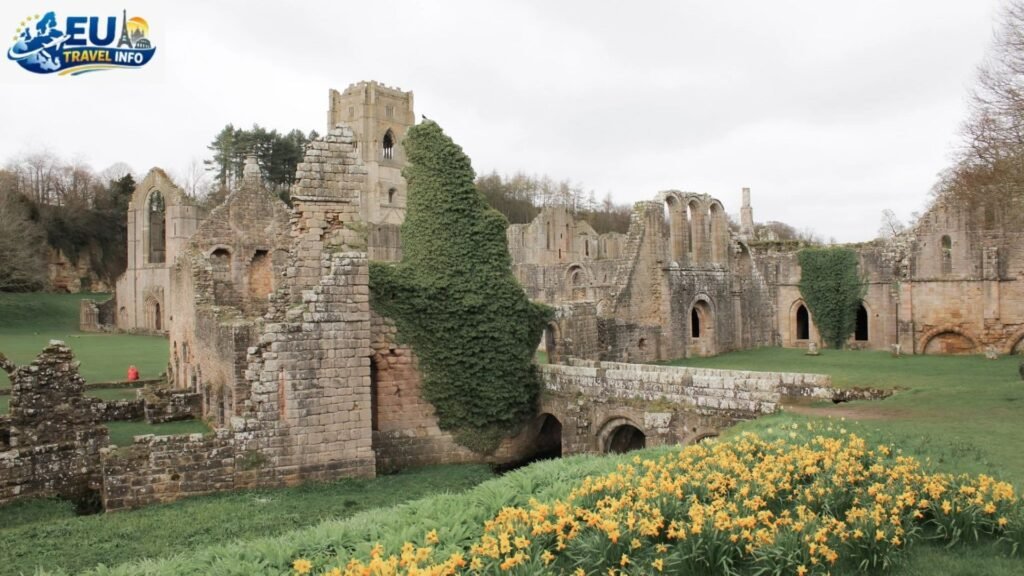 You visit in the spring to see lush nature in full bloom. March still brings some cold and rain. However, April and May bring longer days. The temperature rises steadily during these months. You will see average highs reach 66.1°F in places like Naples and the southern Aegean by May.
This is the perfect season for a hike in Crete. You can walk through the ruins of Pompeii without melting. Wildflowers cover the countryside. First of all, you will see fewer people than in the summer. Similarly, the weather is idyllic for outdoor adventures. Additionally, you have access to all the main attractions. Winter often shuts down many sites, but they open up now.
Summer: Heat, Beaches, And Life
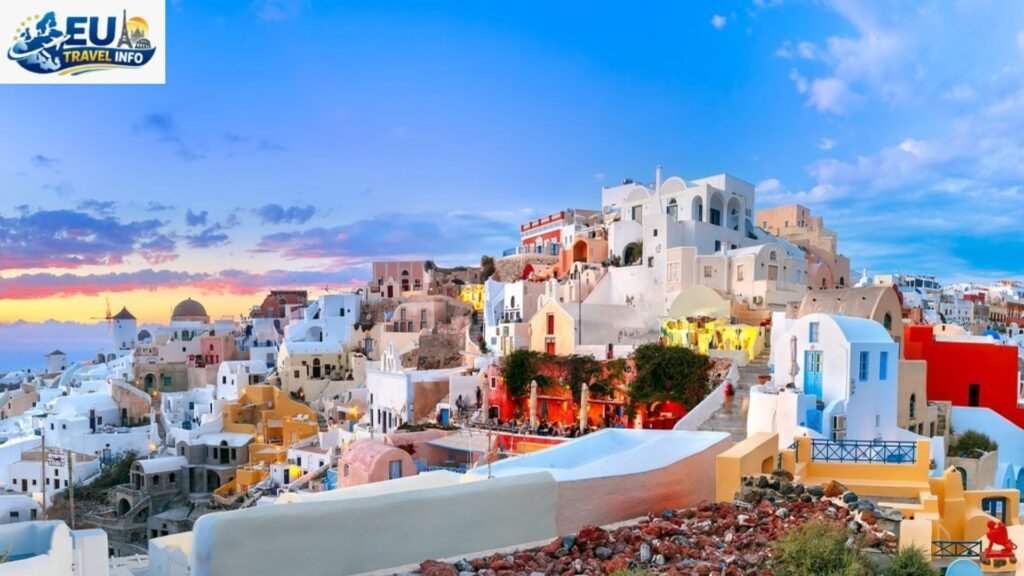
You might love the hot sun. July and August are the hottest months for both Italy and Greece. You will experience average highs of 83.3°F in Athens during August. Santorini stays around 78.6°F at that time. Rome is very hot in August with an average high of 78.1°F. No cooling sea breeze reaches the city of Rome.
You should pace yourself during a summer trip. You must take a rest during the hottest part of the day. This is the best time to go to Italy for beach trips. July and August provide guaranteed beach weather. The sea is teeming with people. Everyone enjoys life outdoors. Though the cities are hot, they might be cheaper. Many Europeans leave the cities for the mountains or sea in the summer. Therefore, hotel rates in Rome or Athens can actually be lower than in the busy shoulder months.
Fall: The Season Of Harvest And Warm Water
You will find that many travelers prefer the fall. September might be the perfect month for weather. The air is warm but not too intense. The days remain relatively long. On top of that, the sea is deliciously warm after a long summer. September is often the month with the warmest sea water. The water holds onto the heat from the summer sun.
You should know that September is a new peak month for travelers. Over 20% of trips from specialized planners start in September. This popularity means prices for the Amalfi Coast or big Greek islands are higher than in the middle of summer. Additionally, the cities are busy again with locals who have returned from their own holidays.
Is October a good time to visit Italy? Yes, it is an excellent time. The weather is cooler than the height of summer. It is much more pleasant for hiking or walking around small towns. Plus, most services stay open until the end of the month. You will see the countryside change colors. Leaves turn to golden and russet shades.
Winter: The Quiet Escape

You find the lowest prices in the winter. This is the best time to travel to Italy cheap. December, January, and February are the cheapest months for flights and hotels. You can save a lot of cash. Rome, the capital of Italy, is a historic city you can see without the crowds now.
Winter is the best time to visit Italy to avoid crowds. The “Big Three” cities—Rome, Florence, and Venice—are never empty, but the difference from summer is huge. You can get front-row seats at the Trevi Fountain. You can walk through the Uffizi Gallery in silence. You will not have to elbow your way over the bridges in Venice.
However, you must be ready for rain and cold. Italy gets most of its rain in the winter. November is the rainiest month for Florence. January is the coldest month for Greece. Coastal temperatures in Greece sit between 10°C and 16°C during the day. Some islands might feel like ghost towns as shops and restaurants close for the season. Later, you will find that large cities stay lively all year round because locals live there.
A Look At The Amalfi Coast
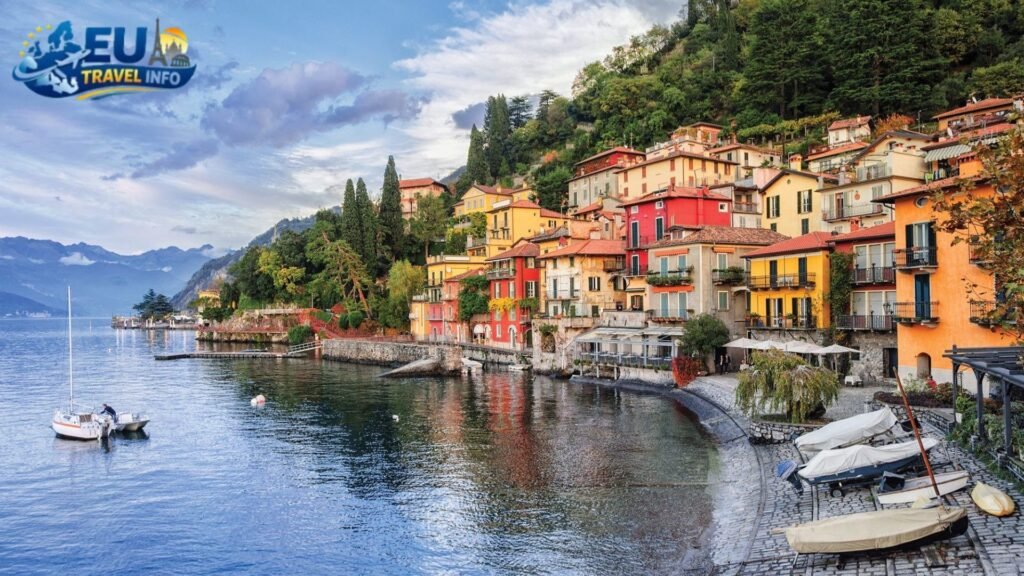
You will love the best time to visit Italy Amalfi Coast in May or September. The weather is beautiful. You find many activities to do. Temperatures usually stay between 68°F and 77°F. June through August is the high point for tourism here. Prices and crowds increase during these summer months.
You should visit after Easter when everything re-opens. The citrus trees bloom in the spring. This provides wonderful sights and smells for you. From November to March, many hotels and restaurants in small towns shut down. Ferries often stop running during this cold period. Therefore, you should plan for a warmer month.
Tasting The Culture: Food And Festivals
You should time your trip with local events. Spring brings Easter celebrations. This is a major holiday in both countries. Italy and Greece celebrate on different dates because they use different calendars. Summer offers many arts festivals. Ravello hosts a famous arts festival from July to September. You can see music, theater, and dance performances.
Fall is the time for the grape harvest in Tuscany. September and October are the months for the vendemmia. The countryside becomes very beautiful. You can take part in wine tastings and food festivals. Every town seems to have a celebration for wine. Similarly, fall is a great time for truffles and mushrooms in central Italy. On the contrary, Greece focuses on the olive harvest in November.
Planning Your Path: Switzerland And Beyond
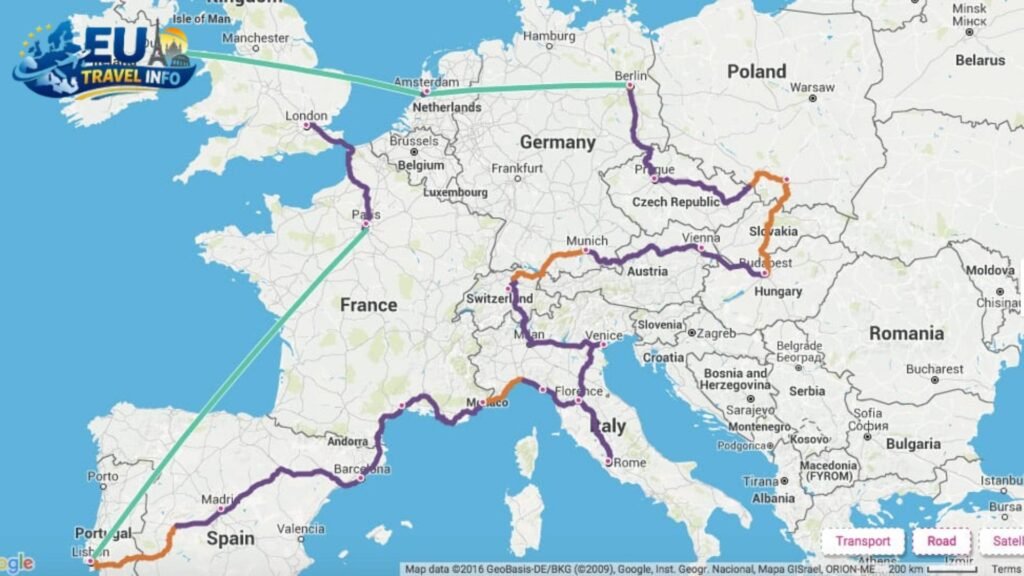
You might want to see more of Europe. Many travelers look for the best time to visit Italy and Switzerland together. A specialist can help you plan this cross-country trip. You will find that northern Italy connects easily to the Swiss Alps. You should consider a summer or early fall trip for this route. This ensures the mountain passes are open and the weather is clear for the views.
The Cost Of Your Adventure
You need to know the price. A 10 day trip to Italy and Greece cost can vary a lot. Some high-end tours for 8 days in Italy start around $9,410 per person. Longer 13 day luxury tours can cost over $24,000. However, you can do it for much less if you plan it yourself.
Flights to Rome from the United States can range from $200 to $700 for a round trip. Budget airlines like Ryanair or Wizz Air offer the lowest fares within Europe. You should book your flights on a Wednesday or Thursday to save money. Saturdays are usually the most expensive days to fly. Additionally, you should use incognito mode when you search for flights online. This prevents websites from raising prices based on your interest.
Moving Between Italy And Greece
You have two main ways to travel between these two countries. Flying is the fastest and best way. Many airlines connect the major cities and islands. However, the ferry is a very enjoyable way to travel. You can combine comfort with stunning sea views.
Ferries run all year from ports like Venice, Ancona, Bari, and Brindisi. You can arrive in Greek ports like Patras or Igoumenitsa. Travel times vary from 7 hours to 33 hours. A standard ticket from Brindisi to Igoumenitsa starts at about €45. This is the shortest and cheapest route. On the other hand, a trip from Venice to Patras can take 32 to 33 hours. You should book a bed cabin for long or overnight trips.
You must book your ferry tickets early. Tickets for popular routes often sell out by the spring. You can find early-bird discounts of 20% to 40% if you book between December and March. Families and students can also get special discounts. Plus, you can bring a car or a camper on most of these ferries. This is a great way to see the mainland at your own pace.
Final Tips For Your 2026 Trip
You must prepare for the sun. The Greek sun is strong even in the spring. You need sunscreen, a hat, and sunglasses. You should pack comfortable shoes for walking on old stone streets. Bring light layers for the cool evenings.
First of all, decide what you want most from your trip. Do you want the beach? Go in July or August. Do you want to see history without the crowds? Go in the winter. Do you want the best balance of weather and prices? Choose the shoulder seasons of spring or fall.
Italy and Greece are two of the most iconic places in the world. They share a deep history and amazing food. You will find authentic tastes in every region. You can eat fresh seafood by the sea or hearty meat dishes in the north. Every meal is a part of the adventure.
Gradually, you will see how these two countries fit together. They are neighbors with a shared spirit. Your 2026 trip will be a memory you keep forever. You just need to pick the right time for your dream.
FAQ
Which is the best month to visit Italy?
May or September are the best months for most people. You get beautiful weather and most things are open. You also avoid the worst of the summer crowds and heat.
What is the cheapest month to go to Italy?
December is typically the cheapest month to fly into Italy. January and February are also very affordable. These months are the low season between summer and the holidays.
What are the best months to travel to Italy and Greece?
April, May, and October are the best months for a combined trip. The weather is mild and perfect for sightseeing. You can enjoy the outdoors without the extreme heat of summer.
What is the nicest month to visit Greece?
May is often considered the nicest month. The nature is lush and the weather is warm but pleasant. September is also a top choice because the sea water is at its warmest.
Concluding Words
The best time for your 2026 trip to Italy and Greece depends on your personal goals. You should choose the shoulder seasons of spring and fall for the best balance of mild weather and manageable crowds. Summer is perfect for beach lovers but brings intense heat and high tourist numbers. Winter offers the greatest savings and quietest cities for those who do not mind the cold and rain. You will find magic in these Mediterranean gems no matter when you decide to go.