
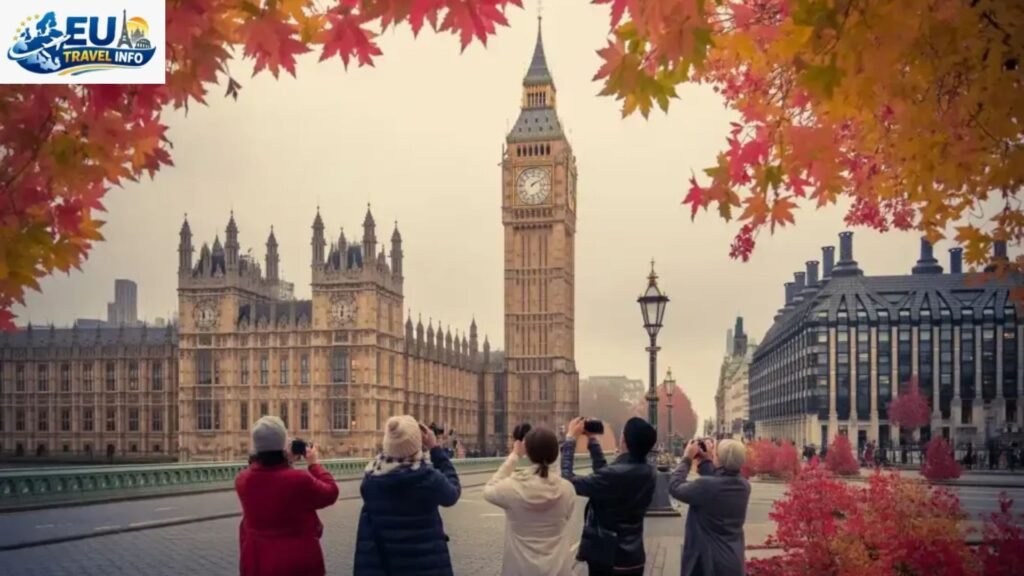
You stand on the edge of the River Thames. The wind blows softly against your face. You look at the massive clock tower of Big Ben. You see the Tower of London in the distance. It is a dream trip. However, you look around and see thousands of other people. They block your view. They make the lines for museums two hours long. This is the reality for many travelers. But it does not have to be your reality. You can find the Best Time To Visit London To Avoid Crowds if you plan well for 2026.
London is a city that never truly sleeps. It welcomes millions of people every single year. It is full of history and culture. You want to see the UNESCO World Heritage sites like Westminster Abbey and Maritime Greenwich. You want to enjoy the parks. You want to eat in the pubs. You can do all of this without the stress of a massive crowd. This guide will show you how to pick the perfect window for your visit.
The Winter Secret: Your Best Chance for Peace
You might think winter is a bad time to go. You would be wrong. If your main goal is to avoid other tourists, January and February are your best friends. Most people stay home after the big holiday parties in December. The city enters a sort of hibernation. Therefore, you can walk through the National Gallery without hitting someone with your elbow.
January is officially the cheapest time to visit London. You can save a lot of money on your hotel. Some hotels drop their prices by 40% to 50% compared to the summer months. A room that costs £300 in July might only cost £150 in January. That is a massive difference for your wallet. Plus, flights from places like New York are much cheaper. You can find return flights for £400 instead of £1200.
The weather is chilly, of course. Temperatures stay between 2°C and 9°C. You will see about 8 hours of daylight in January. The sun sets around 4:30 PM. This means you must plan your outdoor walks early. Later, you can hide in a cozy pub with a wood-burning fire. This is the best time to visit London in winter for those who love a quiet, local vibe.
Spring Blooms and Shorter Lines
 You may prefer a bit more sun. Spring is a wonderful choice. March and April are special. Many people believe London is always raining. That is a myth. Statistically, March and April have the lowest rainfall of the year. They see about 15 days of rain on average. This makes it the best time to visit London to avoid rain.
Is March a good time to visit London? Yes, it is. The city starts to wake up. You see the first signs of green in the parks. The crowds are still very small compared to the summer. You can visit the Tower of London at 9:00 AM and be one of the first people inside. Additionally, you get more daylight than in winter. By the end of March, you have 12 hours of light.
May is also a top choice for a 2026 trip. It brings the Chelsea Flower Show. This is a world-famous event. It is a must-see for garden lovers. The city is full of flowers. The temperatures are comfortable at 14°C to 18°C. The crowds grow a little in May, but they are still manageable. You will have about 16 hours of daylight to explore the city.
The Summer Struggle: Why You Should Be Careful
You must be very careful with summer plans. July is the worst time to visit London for many reasons. It is the busiest month for travel. It is also the most expensive. Hotel occupancy reaches 86% in June and July. This means prices are at their highest. You will pay a premium for everything.
The crowds in July and August are huge. You might wait in line for 90 minutes or more for major sites. The Westminster area becomes very congested. Buckingham Palace is surrounded by people. On top of that, London can get very hot. Heat waves are more common now. Temperatures can reach 30°C. Most old buildings in London do not have air conditioning. This can make your hotel room very uncomfortable.
However, summer has some good points. The days are the longest. In June, the sun stays up until 9:15 PM. You have almost 17 hours of light. The city is full of energy. There are open-air cinemas and music festivals. If you must go in summer, book everything 3 to 4 months in advance. Use timed entry tickets to skip the worst lines.
Autumn: The Sophisticated Choice
September is a favorite for many experts. It is often better than August. The weather is still warm, like an “Indian Summer”. But the school holidays end. The children go back to class. The families leave the city. Suddenly, you have more room to breathe. The queues at the big museums start to vanish.
Is October a good time to visit London? It depends on what you like. The parks are beautiful in October. The leaves turn orange and gold. It is very photogenic. Temperatures are cool but nice at 11°C to 15°C. However, keep one thing in mind. October is statistically the wettest month in London. It averages 21 days of rain. You must carry a “brolly,” which is what locals call an umbrella.
November is another great “shoulder season” month. The crowds are minimal. You can see the Christmas lights start to turn on in mid-November. You get a festive feeling without the massive December crowds. Hotel rates are 30% to 40% lower than in the summer. It is a very smart time to visit for a mature traveler who wants value.
Expanding Your Trip: Scotland and Amsterdam
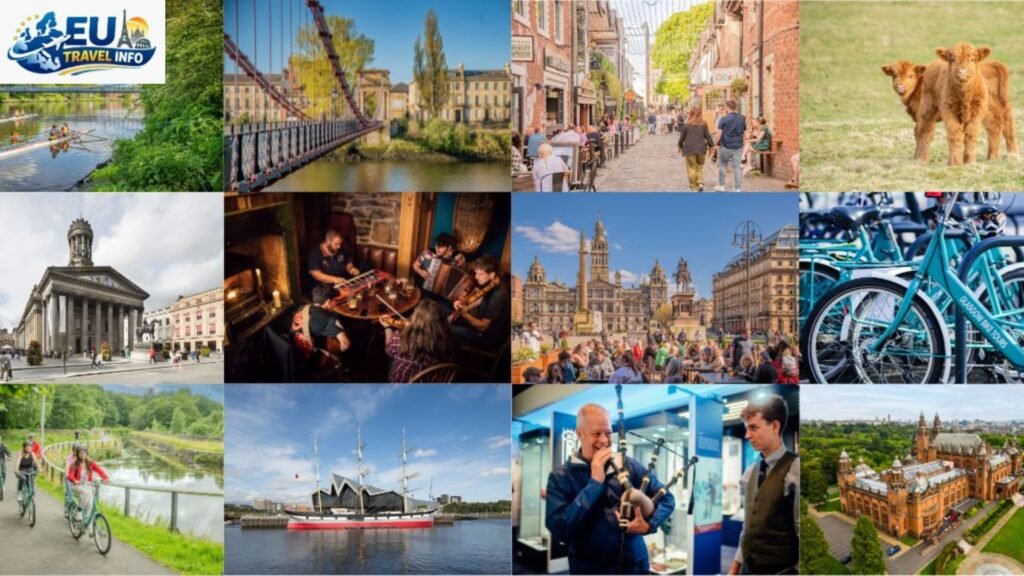
You might want to see more than just London. Many people ask about the best time to visit London and Scotland. You should aim for May, June, or September. These months give you the best chance of good weather in both places. Scotland is famous for its natural beauty. You want to see Edinburgh Castle. If you go in May, you avoid the massive crowds of the Edinburgh Festival in August.
Similarly, you might look for the best time to visit London and Amsterdam. These two cities are very close. You can take a train or a short flight. Spring is the perfect time for this combo. You can see the flowers in London and then see the tulips in the Netherlands. Both cities have a similar maritime climate. They are both busy in the summer, so spring or early autumn will give you the most peace.
Expert Tips to Beat the Crowds
You can avoid crowds even during busy months if you follow these rules. First of all, arrive early. Most major attractions like the Tower of London open at 9:00 AM. If you are there 15 minutes before the gates open, you can see the Crown Jewels without a long wait. Most tour groups arrive later in the morning.
Later, you can try evening visits. The British Museum stays open until 8:30 PM on Fridays. Most people are at the pub or dinner at that time. You can see the Rosetta Stone in peace. Similarly, the Tate Modern stays open late on some nights. These late hours are a secret for smart travelers.
Choose your days carefully. Weekdays are much quieter than weekends. Tuesday, Wednesday, and Thursday are the best days for big sites. Avoid the UK school “Half Term” weeks. These happen in mid-February, late May, and late October. During these weeks, the museums are full of children and families.
How to Prepare for the Weather
London weather is “moody”. It can change in ten minutes. You might see sun, rain, and wind all in one afternoon. Therefore, you must use the “onion method”. This means you dress in layers. Wear a t-shirt, a light sweater, and a waterproof jacket. You can take layers off when you go into the Tube, which is the underground train system. The Tube is often very hot, even in winter.
Do not rely on cheap umbrellas. The London wind will break them quickly. A good raincoat with a hood is much better. It keeps you dry and leaves your hands free for your camera. Additionally, wear comfortable walking shoes. You will likely walk 8 to 12 kilometers every day. Ensure your shoes are waterproof so a puddle does not ruin your day.
Your 2026 Budget and Costs
London is expensive, but you can control the cost. Your biggest expenses are your flight and your hotel. In 2026, you should book at least 3 months in advance for the best deals. If you go in the summer, book 4 months ahead.
| Item | Peak Season (Summer) | Off-Peak (Winter) |
| Mid-range Hotel | £250 – £350 per night | £100 – £150 per night |
| Transatlantic Flight | £800 – £1200 | £400 – £600 |
| Tower of London Ticket | £34.80 | £34.80 |
| Westminster Abbey | £29 | £29 |
As you can see, the attraction tickets do not change price. Only the travel and sleep costs change. You can also save money by visiting the many free museums. The British Museum, National Gallery, and Natural History Museum are all free. You do not need a ticket for the permanent collections.
Use an Oyster card or a contactless payment card for the trains and buses. This is much cheaper than buying paper tickets. There is a daily limit on how much you spend. For central London, it is about £8.50 per day. You can ride as many buses and trains as you want once you hit that limit.
Specialized Itineraries for 2026
You should have a plan. Here is a sample for a 5-day spring visit in May.
- Day 1: Visit the Tower of London at 9:00 AM. Walk across Tower Bridge. Take a river boat to Westminster.
- Day 2: Spend the morning at the British Museum. Walk to Covent Garden for lunch. See a West End show in the evening.
- Day 3: Explore Kensington Palace and the gardens. Walk through Hyde Park to see the spring flowers.
- Day 4: Go to Borough Market early on a weekday to avoid the crowds. Visit the Tate Modern nearby.
- Day 5: Take a boat to Greenwich. Visit the Royal Observatory and see the Canary Wharf skyline.
This trip in May will cost about £1450 to £1780 per person including a nice hotel. If you choose a 4-day winter trip in January, the cost drops to about £680 to £840. That is a huge saving for the same iconic sights.
Final Thoughts on Your 2026 Trip
London is a city that rewards the patient traveler. You do not have to follow the crowd. You can choose the quiet path. Pick January or February for the lowest prices and shortest lines. Choose May or September for the best balance of weather and space.
Avoid the summer peak if you can. It is the worst time to visit London for crowds. But if you must go then, be an early bird. Be a night owl. Use the late openings and early starts to your advantage.
London is waiting for you in 2026. It is a city of kings and queens. It is a city of art and music. You will find your perfect moment there. Just remember to pack your layers and book your room early. You are going to have an amazing time.
FAQ
What month is the least busy in London?
January and February are the least busy months for tourism in London. Many people stay home after the holidays, and the colder weather keeps international visitor numbers low.
What is the rainiest month in London?
October is statistically the wettest month of the year in London. It averages about 21 days of rainfall.
What’s the cheapest month to go to London?
January is the cheapest month to visit. Hotel rates and flight prices are at their annual lows during this time.
What are the quietest months in the UK?
The quietest months across the UK, including London, are typically January, February, and early March. Tourism slows down significantly during the winter period.
Concluding Words
Picking the Best Time To Visit London To Avoid Crowds in 2026 means choosing the right season for your goals. January and February offer the most peace and the lowest prices for your trip. If you want better weather with manageable crowds, the “shoulder seasons” of May and September are your best options. Always avoid the July and August peak if you hate long lines and high costs. Plan ahead, use early morning visits, and you will see the best of the city without the stress of the crowds.