You are planning your dream trip for 2026. You want history, sunshine, and crystal-clear water. Malta has all of that and more. This small island nation sits right in the middle of the Mediterranean Sea. It offers over 300 days of sunshine every year. You will find that the Best Time to Visit Malta depends entirely on what you want to do. Are you a history buff? Do you love the beach? Perhaps you want to save money. This guide will walk you through every month of 2026 so you can choose your perfect moment.
The Magic of the Mediterranean Climate
First of all, you should understand the weather. Malta enjoys a typical Mediterranean climate. This means you will experience hot, dry summers and mild, short winters. The average daytime temperature is 23 °C (73 °F), while the nights stay around 16 °C (61 °F). You will rarely see rain in the summer, but the wettest month is November, with about 108.6mm of rain.
You might think every day is a beach day. However, that is not true. The islands change a lot between the seasons. One month you see lush green valleys. The next month, the sun turns the landscape into a golden, dry paradise. Therefore, you need to match your interests to the malta seasons by month.
January: The Calm After the Festivities
 You will find January is the coldest month in Malta. The temperature stays between 10 and 15 °C (50–59 °F). It is very quiet. This is the cheapest time to go to malta if you are on a tight budget.
You should pack a windbreaker and a light sweater. The sea is too cold for swimming, but the air is crisp and clean. It is perfect for walking through the historic streets of Valletta. From January 8 to 25, 2026, you can attend the Valletta Baroque Festival. You will hear world-class artists performing Bach and Vivaldi in ancient theatres and cathedrals. Plus, you can catch the Rock’n Malta gigs for a bit of high-energy music in the cooler weather.
Quiet streets. Low prices. No sweat. This is the time for people who love museums and local life without the tourist noise.
February: Colour and Energy
February is very similar to January in terms of weather. Temperatures range from 11 to 16 °C (52–61 °F). However, the island wakes up for a few days of madness. Carnival 2026 takes place from February 13 to 17. You will see gigantic floats, masked dancers, and costumed crowds filling the streets of Valletta and Nadur in Gozo.
Additionally, you can join the Malta Marathon on February 22, 2026. It is a scenic run through old towns and along the coast. At that time, the landscape is very green. You should explore the Selmun to Xemxija trail. It is at its most beautiful during these winter months.
Masks. Music. Running shoes. February offers a unique blend of quiet nature and loud celebrations.
March: Spring Whispers
Gradually, the weather begins to warm up. March temperatures hover between 13 and 18 °C (55–64 °F). You will see wildflowers starting to bloom everywhere. This is a lovely time for sightseeing because the air feels fresh.
In 2026, Holy Week falls between March 29 and April 5. You will witness solemn Good Friday processions where communities re-enact biblical scenes. On Easter Sunday, the mood flips to pure joy with bells and brass bands. On March 31, you can watch the Freedom Day Regatta. Traditional rowing teams compete in the Grand Harbour. It is free to watch from the massive stone bastions of the city.
April: The Sweet Spot

Many locals believe April is one of the best months to be on the island. The temperature sits between 16 and 22 °C (61–72 °F). You can walk all day without feeling exhausted by the heat. This is an ideal time for hiking, camping, and green laning.
You should visit the Strawberry Festival (Festa Frawli) in Mġarr in late April. Farmers transform their harvests into delicious treats. On April 22, you can visit the Earth Day Green Fair at Għajn Tuffieħa for eco-friendly fun. Finally, do not miss the Malta International Fireworks Festival from April 20 to 30. The night sky over the Grand Harbour becomes a canvas of light.
Green hills. Mild sun. Fire in the sky. April is perfect for adventurers.
May: The Perfect Balance
May is often the favourite month for savvy travellers. The temperature rises to a pleasant 20 to 26 °C (68–79 °F). This is when the best time to visit malta for swimming officially begins for many. The water is still a bit fresh, but the sun is strong enough to warm you up quickly.
You will find the event calendar starts to explode. You can enjoy the Rock the South festival from May 1 to 3. If you like electronic music, the Rong Open Air Festival runs from May 7 to 10, featuring beach parties and boat raves. For a cultural deep dive, the Ritmu Roots Festival (May 20-23) celebrates Maltese folk traditions.
On top of that, you could take a trip to Gozo on May 30 for a production of the opera Turandot at Teatru Astra. Similarly, the Sunny Side Festival and TRIIP Festival offer house and techno beats in beautiful outdoor venues.
June: Summer Is Here
June is the true start of the summer season. Temperatures range from 24 to 30 °C (75–86 °F). The sea is now warm and very clear. This is a great time to visit if you want the summer vibe without the extreme heat of August.
You can attend DLT Malta from June 4 to 7 for beach and pool parties. During those same dates, the Earth Garden festival offers a more laid-back, eco-friendly music experience. The Malta International Arts Festival runs from June 12 to 21, bringing theatre and dance to Valletta.
One of the most traditional events is L’Imnarja on June 28 and 29. Families picnic in Buskett Gardens, folk musicians play, and everyone eats traditional rabbit dishes.
July: Sun, Sea, and Stars
July is hot and busy. The thermometer will often hit 30 to 35 °C (86–95 °F). This is the best time to go to malta for sun if you love intense heat and long days at the beach.
The Malta Jazz Festival takes place from July 6 to 11 under the stars in Valletta. However, the biggest event is the Isle of MTV Malta Special. Over 50,000 people gather for this free open-air show featuring global superstars. Additionally, the Dance Festival Malta (July 23-26) and Soul Session Malta (July 30 – Aug 3) offer more ways to move to the music.
You must stay hydrated. You should avoid the sun between 10 AM and 4 PM.
August: The Toughest Month
August is the hottest and most crowded month. Temperatures often climb above 35 °C (95 °F). The humidity can make it feel even hotter. Many locals go on holiday at this time, and the beaches are very full.
However, the energy is high. The Delicata Wine Festival in early August offers romantic evenings with local vintages and city views. Electronic music fans will love Summer Daze Malta (August 11-17) and the famous Glitch Festival (August 12-15). For something quieter, check out the Eco Market Summer Night in Mellieħa for sustainable shopping under the stars.
Scorching heat. Warm water. Endless parties. August is for those who do not mind the crowd.
September: The Hidden Gem
Many experienced travellers say that the best time to visit malta september is the secret to a perfect trip. The temperature drops to a comfortable 25 to 30 °C (77–86 °F). The sea is at its warmest after the long summer.
On September 8, you can celebrate Victory Day. There are festivities in several towns and another exciting rowing regatta in the Grand Harbour. Independence Day on September 21 brings more concerts and flags to the streets. You can also enjoy Malta Gay Pride, the Mediterranean Festival in Gozo, or the Malta International Airshow.
Similarly, the End of Summer Festival provides a family-friendly bridge into the next season. It is a wonderful time to visit because the crowds are fading but the summer feeling remains.
October: Warm and Relaxing
If you are wondering, is october a good time to visit malta, the answer is a big yes. It still feels like summer, with temperatures between 22 and 27 °C (72–81 °F). The water is still warm enough for swimming.
Notte Bianca on October 3, 2026, is a must-see. Valletta stays awake all night with free museums, art, and music. In mid-October, the Mdina Classic features vintage cars racing through the streets. One of the most magical nights is Birgufest, where thousands of candles light up the old city of Birgu.
Later in the month, you can watch the start of the Rolex Middle Sea Race on October 17. Over 70 yachts sail out of the Grand Harbour on a 606-mile journey past Sicily and back.
November: Cultural Deep Dive
November is when things start to cool down. Temperatures range from 17 to 22 °C (63–72 °F). It is the wettest month, so you might see some rain. However, it is a great time for culture and indoor events.
The Three Palaces Festival in early November offers concerts in beautiful historic buildings. You can also attend the Valletta Early Opera Festival or see the latest trends at Malta Fashion Week. Because the crowds are gone, you will have plenty of space to enjoy the history.
December: A Festive Winter
December is peaceful and mild. Temperatures are usually between 12 and 17 °C (54–63 °F). You will never see snow, but the Christmas spirit is very strong.
Fairyland – Santa’s City opens from December 5 to January 4. Valletta transforms into a Christmas village with an ice rink, a ferris wheel, and a festive market. You can watch the Changing of the Guard at the Grand Master’s Palace or hear the daily Saluting Battery cannons at noon. It is a warm and welcoming way to end the year.
Exploring the Blue Lagoon
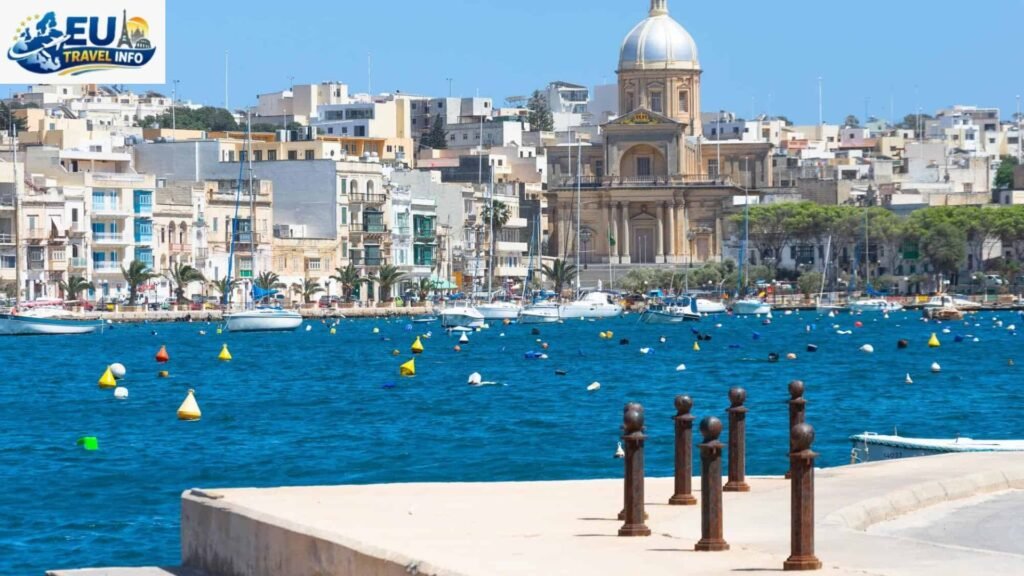
You cannot visit Malta without seeing the Blue Lagoon on the island of Comino. It is famous for its turquoise water and white sand. To avoid the crowds, you should visit in May, June, September, or October.
If you go in the peak summer of July or August, you must go early in the morning or late in the afternoon. The lagoon is busiest between 11 AM and 3 PM when the big ferries arrive. A private boat trip is the smartest way to see it. You can anchor away from the shore and swim directly from the boat into the crystal-clear water.
Scuba Diving Adventures
Malta is the best diving destination in the world for 2025 and will continue to be a top choice in 2026. You can dive all year round.
For beginners, the best time to visit malta for swimming and diving is from June to October because the water is warm and calm. Experienced divers often prefer November to March. Even though the water is colder (14-16°C), the visibility is incredible, reaching up to 40 metres. You can explore famous wrecks and caves without any other divers around.
Planning the Best Time to Visit Malta and Sicily
Many travellers like to combine their trip with a visit to nearby Sicily. The best time to visit Malta and Sicily together is usually in May, June, September, or October. During these months, the weather is pleasant in both locations for sightseeing and outdoor activities.
If you are in Malta in mid-October, you can even watch the yachts head toward Sicily during the Rolex Middle Sea Race. It is an easy connection, and both islands offer incredible history and food.
Tips for a Smooth Trip
- Book Ahead: For February events or the summer peak, you should book your flights and hotels by January or February.
- Choose Your Transport: You can use buses or taxis, but renting a car is often better for exploring the countryside and Gozo.
- Beat the Crowd: If you visit popular beaches like Mellieħa Bay or Golden Sands in the summer, you must arrive as early as possible.
- Stay Safe: Always use sunblock and a hat, even in the “cooler” months of spring.
- Explore Gozo: Do not just stay on the main island. Gozo is quieter and perfect for hiking or cycling.
The “Worst” Time to Visit
Is there a worst time to visit malta? Not really, but it depends on your dislikes. If you hate intense heat and massive crowds, you should avoid August. If you want a beach holiday with lots of swimming, you should avoid January and February because the water is too cold.
Similarly, if you do not like rain, stay away in November. However, even the “worst” months have 2026 events that make them special. It is all about your personal taste.
FAQ
What is the best month to go to Malta?
Many people find May, June, and September to be the best months. You get warm weather and sunshine without the extreme heat or the biggest crowds.
How hot is Malta by month?
- January/February: 10–16°C
- March/April: 13–22°C
- May/June: 20–30°C
- July/August: 30–35°C+
- September/October: 22–30°C
- November/December: 12–22°C
How many days in Malta are enough?
You can see many highlights in 4 to 7 days. A week allows you to explore Valletta, the Three Cities, Mdina, and spend a day or two in Gozo and Comino.
What is the cheapest time to go to Malta?
The winter months from January to March are the most affordable. You will find lower prices for hotels and flights because there are fewer tourists.
Concluding Words
Malta is a gem that shines all year round. Whether you want the thumping music of a summer festival, the quiet green trails of spring, or the candlelit magic of an autumn night, 2026 has a place for you. You should plan your timing based on your own needs. Just remember to pack your sense of adventure and get ready for 300 days of sun.