You are ready to plan a dream trip to the second largest island in the Mediterranean Sea. Sardinia is a place of magic. This island covers 24,090 square kilometers and holds a population of about 1.59 million people. You will find 7,000 mysterious stone towers from the Bronze Age here. These are called nuraghi. First of all, you must decide when to go. This choice changes everything. Do you want hot sun? Do you want quiet walks? Do you want to save money? This Best Time To Visit Sardinia Guide 2026 provides a month by month plan to help you choose.
The best time to visit Sardinia depends on your goals. Most people agree that May, June, September, and October are the ideal months. At those times, the weather is warm but not too hot. Additionally, the crowds are smaller than in the peak of summer.
The Big Picture: Sardinia Weather By Month
You need to know the numbers before you pack. Sardinia has a Mediterranean climate. This means summers are dry and hot. Winters are mild and sometimes wet. Here is the sardinia weather by month in celsius to guide your 2026 planning:
- January: High 15°C / Low 9°C. 8 rainy days.
- February: High 16°C / Low 9°C. 5 rainy days.
- March: High 17°C / Low 10°C. 8 rainy days.
- April: High 20°C / Low 12°C. 7 rainy days.
- May: High 24°C / Low 16°C. 7 rainy days.
- June: High 29°C / Low 20°C. 2 rainy days.
- July: High 33°C / Low 23°C. 0 rainy days.
- August: High 32°C / Low 23°C. 2 rainy days.
- September: High 29°C / Low 21°C. 5 rainy days.
- October: High 24°C / Low 17°C. 5 rainy days.
- November: High 20°C / Low 13°C. 10 rainy days.
- December: High 16°C / Low 10°C. 8 rainy days.
Though these are averages, the sun often feels warmer. On top of that, the sea takes time to heat up and cool down. This affects when the best time to visit sardinia for beaches actually occurs.
January: The Cultural Heartbeat
You might think January is too cold for an island visit. You would be wrong. While the sea is too cold for a swim, the island reveals its innermost soul. The average high is 15°C (59°F).
First of all, you should visit the larger towns. Cagliari, Alghero, and Sassari stay lively all year. I suggest you head to the interior for the St. Anthony Abbot festival on January 16 and 17. Villages light huge bonfires. You can taste local wine and traditional sweets.
Later in the month, you might see the start of the Karrasegare. This is the Sardinian Carnival. It is unlike any other carnival in the world. In Mamoiada, men wear heavy black wooden masks and sheepskins. These are the Mamuthones. They dance in a rhythmic, haunting way. You will feel the ancient history of the island in your bones.
Similarly, the roads are almost deserted at this time. You can drive across the island without any traffic. Therefore, you get to see the rugged landscape in peace. It is a gamble with the weather, but the rewards for culture lovers are high.
February: Snow and Jousting
February brings a slight rise in temperature to 16°C (61°F). However, the mountains offer a surprise. You can actually go skiing in Sardinia! The Gennargentu Massif has peaks over 1,800 meters. Heavy snowfall often covers these mountains from December to March. You can visit the town of Fonni to reach the ski slopes of Bruncu Spina.
On the contrary, the coast remains mild. You can enjoy yoga or pilates on the beach in complete solitude. The sea air is a natural tonic for your health.
Additionally, February is the peak of the Sartiglia in Oristano. This is an ancient equestrian joust. Riders in medieval costumes try to catch a star with their swords while riding at a gallop. It is a spectacle of skill and tradition. Plus, you can try the broad beans with lard, a typical Carnival dish.
March: The Awakening of the Land
The sardinia weather by month shows March reaching 17°C (63°F). The island begins to turn a bright, vivid green. Wildflowers start to bloom everywhere.
You will find this time perfect for hiking. The Sentiero minerario di Santa Barbara is a great choice. It takes you through old mines and ghost towns. You can also walk along the Cammino delle 100 Torri. This route touches all the coastal towers around the island.
Finally, the prices for accommodation are still very low. A budget traveler can get by on about $88 per day. Mid-range trips average $224 per day. You get the best of Sardinia without the heavy price tag of the summer.
April: Spring in Full Bloom
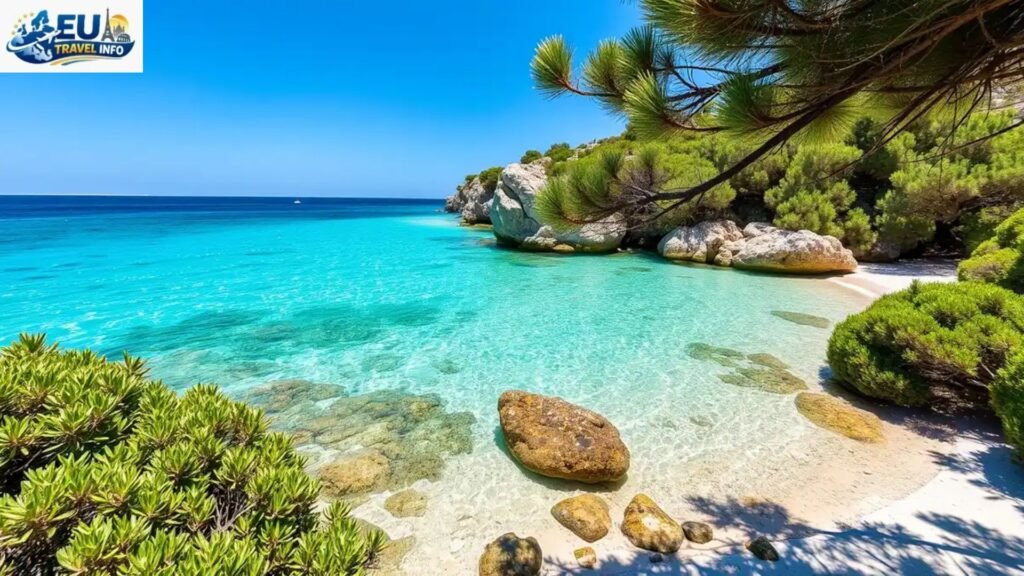
April brings the warmth. The high hits 20°C (68°F). You will see the island covered in a carpet of colors. This is the best place to visit in sardinia for nature lovers.
You can visit the La Maddalena Archipelago. At that time, the islands are quiet. You can take a 20-minute ferry from Palau to La Maddalena island for about $13 (€11) for an adult on foot. The water is turquoise and clear, even if it is still a bit chilly for a long swim.
However, you should keep a jacket handy. The Mistral wind can bring a sudden chill. But the sun is strong. You will likely get a tan just by walking along the sea walls of Alghero.
May: The Secret Season
The sardinia weather in may is excellent. The high reaches 24°C (75°F). Many travel experts call this an “excellent” month to visit.
First of all, you get the summer feel without the summer crowds. The beaches are pristine. You can visit Cala Goloritzé, a protected natural monument. To reach it, you must hike for 1.5 hours down from the Supramonte plateau. You must book parking in Baunei via an app, as there is a 250-person daily cap. In May, you can actually find a spot!
Additionally, May is the harvest season for some crops. It is a wonderful time for a wine country escape. You can follow the Cannonau wine trail in the Barbagia region. This red wine is linked to the long lives of the local people. They live in a “Blue Zone” where many people reach 100 years of age.
Though the land is warm, the sea is still on the cool side. It is around 16°C to 18°C. If you do not mind a brisk dip, it is fine. Some people say it is “cool but manageable” if the sun is shining.
June: The Perfect Balance
June is arguably the best time to visit sardinia for beaches. The temperature jumps to 29°C (84°F). The water temperature reaches a comfortable level for swimming, around 20°C.
You will find that the Italian domestic tourism surge has not started yet. This means you can find a spot on the famous La Pelosa beach in Stintino. This beach has Caribbean-like waters and a 16th-century watchtower. It is one of the top 10 beaches in the world for 2026.
On top of that, the days are very long. You can enjoy dinner at 21:00 while the sky is still light. I recommend you try fregola with clams at a waterfront restaurant. Similarly, the prices are still reasonable before they double in July.
July: The Heat is On
July is hot. The average high is 33°C (91°F), and there are zero rainy days. This is the hottest and driest month.
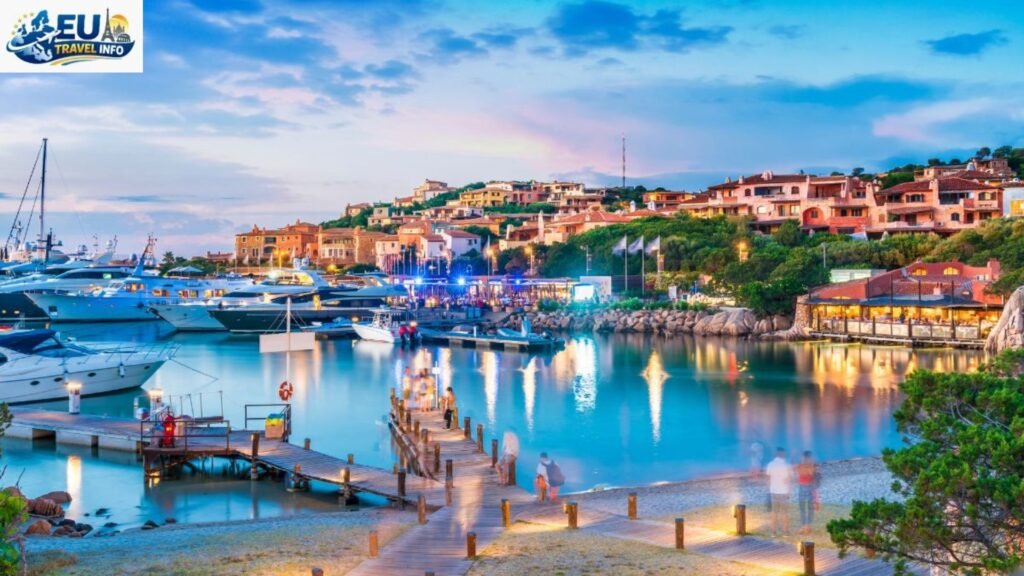
You must prepare for crowds. The Costa Smeralda becomes the playground of billionaires and superyachts. Porto Cervo is the place to be if you want to see celebrities. However, beach club sunbeds can cost between $35 and $94 (€30–€80) per day.
First of all, you should book everything in advance. Flights, hotels, and rental cars sell out fast. A rental car is essential to see the best spots.
Later in the month, the “chaos” begins. The roads are packed. The restaurants need reservations weeks ahead. If you love a vibrant, busy atmosphere, you will enjoy it. But if you want peace, July might not be for you.
August: The Peak of Everything
August is the month of Ferragosto. All of Italy comes to Sardinia. The temperature stays around 32°C (90°F).
You will find that prices for everything are 50% to 100% higher than in the shoulder season. Rental cars are hard to find. On top of that, the heat can be scorching.
However, the vibe is like a giant party. Towns like Santa Teresa Gallura have live music and street entertainers every evening. You can join the passeggiata, where everyone walks through the town centers after dinner. It is very family-friendly.
Do not take sand, shells, or pebbles from the beaches. Fines can reach $3,531 (€3,000). The locals are very proud of their land. You must respect the environment.
September: The Golden Month
Now we reach the absolute best time. The weather in sardinia in september is perfect. The high is 29°C (84°F).
First of all, the water is at its warmest. It has been heating up all summer. You can spend hours in the sea without feeling cold. This is the prime time for yachting. The maritime traffic drops, giving nature space to regenerate. You might even see dolphins or turtles in the pristine waters.
Additionally, the Maxi Yacht Rolex Cup takes place in Porto Cervo from September 3 to 9. It is a spectacular sight to see these majestic vessels racing.
On top of that, the Autumn in Barbagia festival begins. Each weekend, a different village in the mountains opens its courtyards to visitors. You can taste traditional food and see old crafts. You must try the porceddu, which is spit-roasted suckling pig flavored with myrtle.
Finally, the underwater visibility is at its peak, often exceeding 30 meters (100 feet). It is a diver’s paradise. Whether you are a pro or a beginner, the crystal-clear water will amaze you.
October: The Hidden Gem
Many people ask, “can you swim in sardinia in october?” The answer is a loud yes! Especially in early October.
The sardinia temperature october stays at a pleasant 24°C (75°F). The water is still as warm as it was in June. You will have the beaches almost entirely to yourself. Imagine the white sand of Cala Mariolu with no one else around. It is a dream.
However, you should be aware that some tourist shops and seasonal flights start to disappear late in the month. You might need a connection through Rome or Milan.
Additionally, October is great for exploring history. You can visit Su Nuraxi di Barumini, a massive UNESCO World Heritage fortress. A guided tour costs about $18 (€15). The cooler air makes walking around these stone ruins much more comfortable than in the summer heat.
November: The Quiet Transition
In November, the island settles into a quiet rhythm. The high is 20°C (68°F), but the rain increases to about 10 days a month.
You will find this the cheapest month for hotels. It is a great time for a food-focused trip. You can visit Cagliari’s Castello district and eat fresh seafood in the Marina quarter. I recommend trying bottarga, which is dried mullet roe often called the “gold of the sea”.
Additionally, you can explore the murals of Orgosolo. These are paintings on the walls of houses that tell the history and political struggles of the people. The dramatic mountain backdrop of the interior is stunning in the autumn light.
December: A Sardinian Christmas
The sardinia weather by month ends with December at 16°C (61°F). It is a time for family and tradition.
You should visit Olbia or Oristano for the Christmas markets. The streets are decorated with bright lights and Christmas trees. You can still eat gelato while walking past the decorated shops.
On top of that, the food is the star. You can enjoy culurgiones, which are pasta parcels filled with potato, pecorino cheese, and mint. Each one is sealed with a beautiful wheat-ear crimp.
Gradually, the island goes to sleep for the winter. But for a traveler who loves peace and authentic culture, December is a magical time to be there.
Where to Stay: Finding Your Base
You must choose your location wisely. Sardinia is large, and driving takes time.
- North (Costa Smeralda / Olbia): Best for luxury, celebrities, and emerald waters.
- Northwest (Alghero): Best for Catalan history, sea walls, and sunset walks.
- East (Cala Gonone / Gulf of Orosei): Best for boat trips to hidden coves and hiking.
- South (Cagliari): Best for a mix of city life, history, and long sandy beaches like Chia.
- Interior (Barbagia): Best for authentic traditions, mountains, and the best food.
Travel Logistics for 2026
You need a solid plan to make the most of your 2026 trip.
- Flights: Three main airports serve the island: Cagliari (CAG), Olbia (OLB), and Alghero (AHO). Check for direct flights first. If you cannot find one, you will have a long travel day through a hub.
- Car Rental: You really do need a car. Public transport is limited and slow. A car lets you reach the hidden beaches and mountain agriturismi.
- Money: The currency is the Euro (€). Credit cards are common, but keep some cash for small beach bars and parking meters.
- Language: Italian is official, but many people speak Sardinian (Sardu). In Alghero, you might even hear a dialect of Catalan. A few basic Italian phrases will help you a lot.
FAQ
What month has the best weather in Sardinia?
The months of June and September offer the most reliable “excellent” weather. You get high temperatures around 29°C and very little rain.
Does Sardinia get crowded?
Yes, it does. July and August are the peak months when millions of tourists arrive. Beaches like La Pelosa and the towns of the Costa Smeralda will be very full.
What is the cheapest month to go to Sardinia?
The winter months from November to February are the cheapest for accommodation. For beach weather at a lower price, look at May and October.
Is Sardinia warm in October?
Sardinia remains quite pleasant in October. The average high is 24°C (75°F). The sea is often still warm enough for swimming, especially in the first half of the month.
Concluding Words
Your 2026 trip to Sardinia will be unforgettable if you pick the right time. For the best beaches and swimming, aim for June or September. If you want to avoid crowds and save money, May and October are your best bets. For those who love deep culture and ancient traditions, the winter months offer a unique look at the island’s soul. No matter when you go, the turquoise waters and warm hospitality of Sardinia are waiting for you.