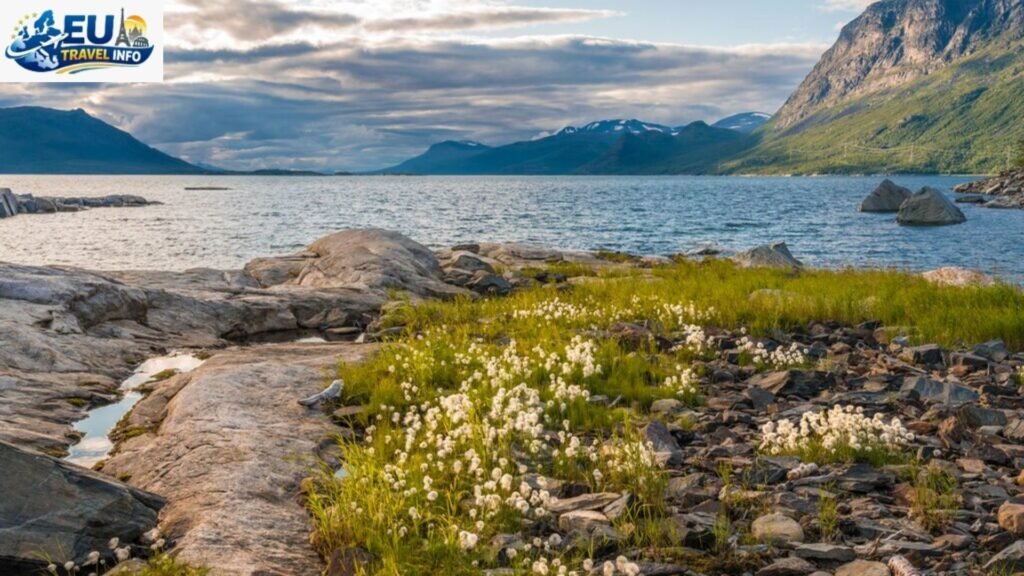
You have always dreamed of the far North. The crisp air. The dancing lights. The deep blue fjords. This region is a place of pure magic and ancient legends. You deserve a trip that feels like a fairy tale. However, you must choose your timing with care. Each month in Scandinavia offers a completely different world. A winter wonderland in January is nothing like a sunny coastal village in July. This guide will help you plan your perfect 2026 adventure.
January: The Heart of the Arctic Winter
January is for the bold traveler. It is the time of the Polar Night in the far north. The sun does not even rise above the horizon in parts of Greenland and Northern Norway. You will experience a deep, beautiful blue twilight. In Kiruna, Sweden, the average temperature drops to a biting -17°C. You must pack your heavy wool layers.
This month is also one of the best times to visit Scandinavia for northern lights. Because the nights are so long and dark, your chances to see the aurora borealis are very high. You can stay in an ice hotel or go on a reindeer sleigh ride.
First of all, you should visit Tromsø, Norway. It is the Northern Lights capital. You can hunt for the lights by boat or by bus. Later, you might want to try dog sledding through the snowy woods. Additionally, the crowds are smaller than in the summer. It is a quiet time. A peaceful time.
February: The Best Month for Budget Travelers
 You might be surprised to learn that February is the cheapest time to visit Scandinavia for flights. Airlines often lower their prices after the holiday rush. You can find a fabulous deal if you book in advance.
The weather remains very cold. In Oslo, Norway, you can expect an average of -4°C. However, the days are finally getting longer. You will have more daylight for activities like skiing or snowshoeing. Skiing and winter sports are peak during this month.
Gradually, the snow builds up to its deepest levels. This makes it a perfect time for a visit to Rovaniemi, Finland. You can visit the official hometown of Santa Claus. You can cross the Arctic Circle line and get a special postmark on your mail. On top of that, you can warm up with a hot berry juice by a roaring fire.
March: Is March a Good Time to Visit Scandinavia?
You often ask yourself: is march a good time to visit scandinavia? The answer is a loud yes. It is a bridge between the deep winter and the coming spring. You still have plenty of snow for winter fun. Similarly, the nights are still dark enough for the Northern Lights.
In Iceland, March is great for budget travelers who want more daylight than in December. You can explore the Golden Circle or soak in the Blue Lagoon. Plus, the weather is slightly milder than in January, though you still need your hat and gloves.
First of all, you should consider a cruise. A winter cruise along the Norwegian coast offers stunning views of frozen waterfalls and still waters. Therefore, you can see the landscape from a unique perspective. You can even enjoy an Arctic gourmet dinner on board.
April: The Awakening of the North
Is april a good time to visit scandinavia? It is the start of the shoulder season. The ice begins to melt. The first flowers poke through the ground. You will find fewer tourists at the major landmarks.
In Denmark, the weather starts to warm up. Copenhagen averages around 6°C during this month. It is a lovely time for a city break. You can walk through the Tivoli Gardens as they prepare for the summer season.
However, you should be ready for unpredictable weather. One hour it is sunny. The next hour it is snowing. You must dress in layers. A light weight down jacket is a smart choice for your suitcase. On top of that, many summer attractions are still closed until May.
May: The Sweet Spot of Spring
You might wonder: is may a good time to visit scandinavia? Many locals believe it is the best month of all. The days are significantly longer. The flowers are in full bloom. Most importantly, it is still part of the shoulder season, so prices are lower than in the summer.
Denmark is fantastic for a biking holiday in May. The terrain is flat and the infrastructure is great. You can cycle past blooming fields and historic castles. Additionally, the air is fresh and crisp.
In Norway, the fjords are spectacular. The melting snow from the mountains creates powerful waterfalls. You can take a boat trip through the Sognefjord or the Hardangerfjord. You will see the fruit trees in blossom along the hillsides. Similarly, you can enjoy a quiet hike before the summer crowds arrive.
June: The Magic of the Midnight Sun
June is the start of the peak season. It is a time of endless light. North of the Arctic Circle, the sun never sets. This is the famous Midnight Sun. You can go hiking or boating at two in the morning and it will still be bright outside.
In Sweden, June is special because of the Midsummer celebrations. You can join locals as they dance around the maypole and wear flower crowns. It is a festival of joy and light. On top of that, the weather is pleasant. Stockholm is vibrant and full of energy.
First of all, you should visit the Lofoten Islands in Norway. The dramatic peaks and white beaches look stunning under the golden light of the midnight sun. You can stay in a traditional fisherman’s cabin, called a rorbu. Later, you can go on a sea eagle safari.
July: The Height of Summer
July is the warmest month of the year. In Denmark, temperatures hit around 22°C. You can enjoy as many as 19 hours of daylight. It is the most popular time for travelers, so you should expect more crowds and higher prices.
You can swim at the beautiful beaches in Denmark or explore the many islands of Sweden. Also, all the mountain trails are open for hiking. You can climb to the famous Preikestolen (Pulpit Rock) or Trolltunga in Norway.
While many people search for the best time to visit thailand for their summer break, you will find a different kind of beauty here. The air is never too hot. The scenery is always green. Therefore, it is a perfect escape from the heat of the south. Just remember to book your hotels and tours early!
August: The Golden End of Summer
August is a beautiful time to visit. The days are still long and warm. However, the light starts to change. It becomes softer and more golden. This is a dream for photographers.
In Oslo, Norway, the average temperature is 15°C, but it can often feel much warmer in the sun. It is the month for music festivals and outdoor concerts. You can sit at an outdoor cafe and soak in the atmosphere.
Gradually, the local children head back to school. This means the crowds start to thin out toward the end of the month. You can find better deals on flights and hotels in late August. Plus, the berries and mushrooms in the forests are ready for picking.
September: The Colorful Turn
September is another great shoulder season choice. You get lower rates and the weather is still mild enough for hiking. The air becomes crisper and the summer rush is over.
This month is when the autumn colors start to dazzle. The leaves turn yellow and red. In Norway, the mountain areas are especially beautiful. You can go on a city break that includes a hike and a hot spa.
First of all, visit Bergen. It is the gateway to the spectacular fjords. The fjords are draped in autumn colors at this time of year. Later, you can gather in a cozy cabin with hot chocolate and a fire. The Norwegians call this feeling “kos”. It is a sense of safety and warmth.
October: Is October a Good Time to Visit Scandinavia?
You often wonder: is october a good time to visit scandinavia? In Norway, it is often the cheapest month to visit. The summer is over, but the ski season has not started yet. You should note that it can be cold and some outdoor spots might close.
However, the nature is at its most dazzling. The Norwegian word for autumn is høst, which also means harvest. You can enjoy local foods like game meat, forest berries, and fresh mushrooms. It is a heaven for foodies.
Additionally, the Northern Lights start to dance again in the north. You can see them as early as late September. Therefore, October is a smart choice if you want to see the lights without the extreme cold of January. You should pack a wind and rainproof jacket just in case.
November: The Start of the Dark Season
November is a quiet month. The days get much shorter. In the mountains, the rain often turns into snow. It is a time for indoor cultural experiences. You can visit world-class museums like the MUNCH museum in Oslo.
You can also explore the pre-Christmas markets that begin to open. The atmosphere is magical. Twinkling lights fill the streets. The scent of roasted almonds is in the air.
First of all, check out the Arctic winter adventure tours. You can stay in a Snowhotel in Kirkenes or go dog sledding under the stars. Plus, you might even see the Northern Lights reflect off the snowy plains. It is a time to embrace the darkness and find the beauty within it.
December: A Nordic Christmas Fairy Tale
December is a month of pure wonder. It is pricey but magical. You can experience the genuine warmth of the Scandinavian people during the holidays.
You must visit the Christmas markets. The Tivoli Gardens in Copenhagen transforms into an enchanting winter wonderland with thousands of lights. You can try Abel Skyver, which are fluffy pancake balls with jam. Similarly, the Scansen market in Stockholm feels like stepping back in time.
This is also the best scandinavian country to visit in winter if you love traditions. You can hear folk music and see hand-dipped candles. On top of that, you can warm up with glug, a spicy mulled wine with raisins and almonds. It is the perfect way to end your year.
Chasing the Aurora: The Northern Lights Guide
You probably have the Northern Lights at the top of your bucket list. To see them, you must go north. Tromsø, Alta, and the Lofoten Islands are your best bets. You should plan your trip between late September and early April.
The best months are October through March because the nights are long and very dark. The lights usually appear between 6 PM and 2 AM. You should also know that we are in a Solar Maximum period until 2026. This means the sun is very active. Therefore, the lights will be stronger and more frequent.
A cruise is a great way to see them. Ships move to find clear skies away from city lights. Some companies even offer a Northern Lights Promise. If you do not see the lights on your trip, they will give you another cruise for free.
The Sun That Never Sets: The Midnight Sun
Imagine a world where the sun never goes down. You can see this north of the Arctic Circle in the summer. In Svalbard, the sun stays up from April 20 to August 22. In Tromsø, it lasts from May 20 to July 23.
Endless daylight gives the mountains and lakes a beautiful pearly sheen. You can play golf at midnight or go for a late-night hike. It is an experience that will stay with you forever.
Top 10 Places to Visit in Scandinavia
- Copenhagen, Denmark: Visit for the design, the food, and the magical Tivoli Gardens.
- Stockholm, Sweden: This city is built on 14 islands. Do not miss the Vasa Museum.
- Oslo, Norway: Explore the new MUNCH museum and the stunning opera house.
- Tromsø, Norway: Your base for Northern Lights and winter adventures.
- Bergen, Norway: Walk through the historic Bryggen wharf and take the funicular for a view.
- Geirangerfjord, Norway: This UNESCO-listed fjord is one of the most beautiful sites in the world.
- Rovaniemi, Finland: Meet Santa Claus and cross the Arctic Circle.
- Lofoten Islands, Norway: Dramatic mountains and charming fishing villages.
- Reykjavik, Iceland: A vibrant city near amazing geysers and waterfalls.
- Kiruna, Sweden: Visit for the Icehotel and the deep wilderness of Lapland.
Saving Money on Your Nordic Trip
Scandinavia has a reputation for being expensive. However, you can travel on a budget if you are smart.
- Travel during the shoulder season (May, September, October) for lower hotel rates.
- Book your flights for a Tuesday to find cheaper fares.
- Use a City Pass in Stockholm or Oslo for free museum entries and transit.
- Stay in a treehouse or a glamping dome for a unique and often more affordable stay in nature.
- Eat like a local. Visit food markets and try seasonal produce.
FAQ
What are the best months to travel to Scandinavia?
The best months depend on your goals. June, July, and August are best for warm weather and the Midnight Sun. October through March are the best for seeing the Northern Lights.
What is the best country to visit in Scandinavia?
Every country is unique. Norway is best for dramatic fjords and mountains. Sweden offers beautiful archipelagos and rich history. Denmark is famous for its cozy cities and flat biking trails. Finland is a winter wonderland, especially in Lapland.
Which is better to visit, Norway or Sweden?
You should choose Norway if you love wild nature, deep fjords, and steep mountains. Choose Sweden if you prefer stylish cities, gentle forests, and many islands. Both are incredible and very safe.
How many days is enough for Scandinavian countries?
You should plan at least 7 to 10 days for one country to see the main highlights. If you want to visit multiple countries, you will need 14 to 21 days.
Concluding Words
Scandinavia is a land of ever-changing beauty. You can find your perfect moment here in 2026. Whether you want the dancing Northern Lights of winter, the endless Midnight Sun of summer, or the dazzling colors of autumn, this region has it all. Plan with care, dress in layers, and get ready for the trip of a lifetime.