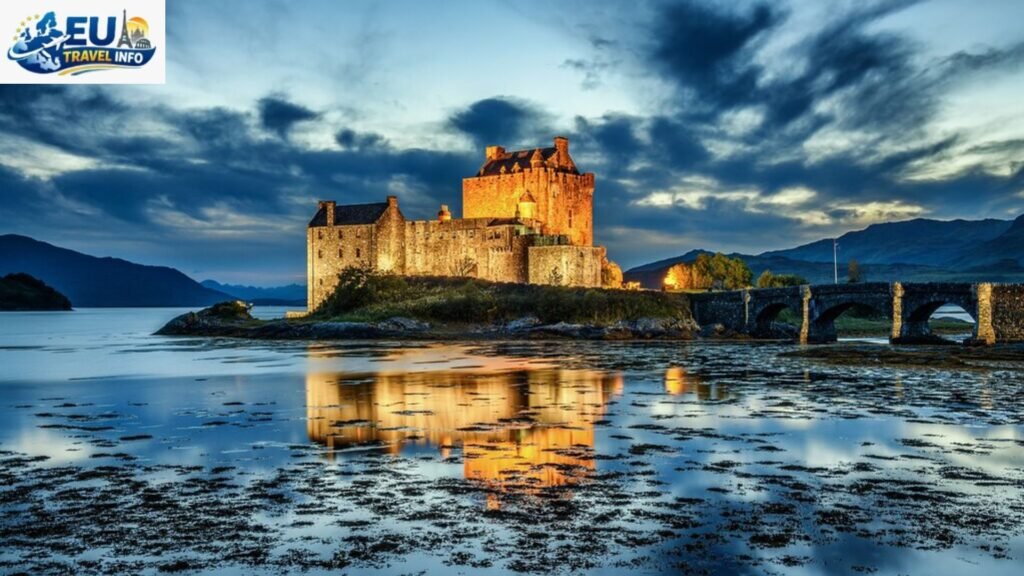
You are standing on a rugged cliffside. The wind whistles past your ears. Below you, the Atlantic Ocean crashes against ancient rocks. You feel the mist on your face. This is Scotland. It is a land of deep history, wild landscapes, and 1,000 different types of rain. You want to know when you should go. You want the perfect trip.
The Best Time to Visit Scotland is a question with many answers. It depends on your heart. Do you want the long, golden days of summer? Do you crave the purple heather of autumn? Perhaps you want to see the dancing lights in the winter sky. This guide will walk you through every season. You will find the data you need. You will hear the stories. 2026 is waiting for you.
The Golden Months: Why May and June are Winners
You should look at May and June first. These months are the “sweet spot” for many travelers. First of all, the days are very long. In June, you can enjoy up to 17 or 18 hours of daylight. You can have dinner at 9:00 PM and still see the sun. This gives you more time to explore. You can visit two castles instead of one. Gradually, you will notice the landscape change. The spring flowers are in full bloom. You will see bluebells in the woods. You will see yellow gorse on the hills.
Additionally, these months are usually the driest. You might think Scotland is always wet. However, statistics show that May, June, and July have slightly less rainfall than other times. You can expect about 16 to 17 days with some precipitation. This is much better than the winter. Plus, the temperatures are pleasant for walking. You will see highs around 11°C to 13°C (52°F to 55°F). It is not too hot. It is not too cold.
Similarly, the crowds are thinner. Most schools are still in session. You will not find the massive lines of July and August. You can enjoy the peace of the Highlands. You can find a quiet spot on a beach in the Outer Hebrides. Many people on Reddit suggest May is the prime time for the islands. You see the lambs in the fields. You feel the “spring vibe”.
The Vicious Tiny Flies: Best Time to Visit Scotland to Avoid Midges
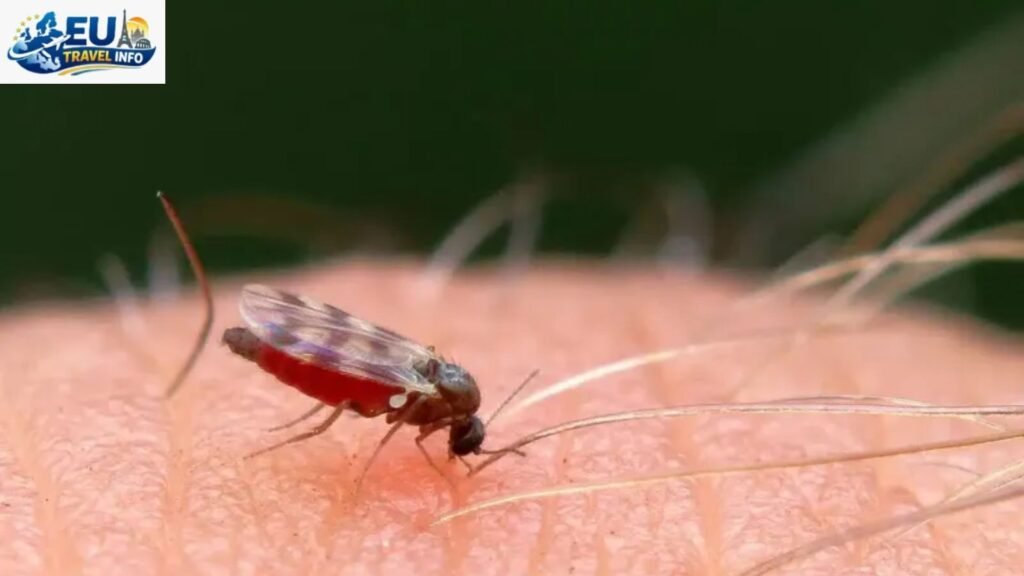 You must hear about the midges. They are tiny flies. They are very annoying. They travel in swarms. They love to bite. Only the female midge bites. She wants your blood. These creatures love damp and still air. You will find them most active from June to August. If you hate bugs, this is the worst time to visit Scotland.
Therefore, the best time to visit Scotland to avoid midges is late spring or early autumn. You should aim for May or late September. At that time, the midges are either not yet awake or they are dying off. If you do go in the summer, you must be prepared. You should wear light-colored clothing. Midges love dark colors. You should use a repellent like Smidge or Avon Skin So Soft.
Another tip is to stay near the coast. Midges hate the wind. They cannot fly if the breeze is over 7 miles per hour. They also hate direct sunlight. They are most aggressive at dawn and dusk. On top of that, you should keep moving. A midge cannot fly as fast as you can walk. You can outrun a swarm. It is a funny sight. You, walking fast, waving your arms. “Get away from me!” you might yell.
The Summer Rush: July and August
You might choose July or August. Many people do. This is the peak of the tourist season. The weather is the warmest. You will see average highs of 15°C (59°F). Sometimes it reaches 17-18°C. The energy in the cities is amazing. Edinburgh becomes the center of the world in August. This is because of the Edinburgh Festival Fringe.
The Fringe is the largest arts festival on the planet. In 2026, it will run from August 7 to August 31. You will see theater, comedy, and music. Every street corner has a performer. It is an explosion of creativity. However, you must book early. Hotels fill up months in advance. Prices for accommodation are at their highest level. The crowds can be intense. You will find that some of the “magic” of the Highlands is lost in the noise of tour buses.
Additionally, August can be surprisingly wet. Even though it is summer, the rainfall starts to increase again. You will see an average of 80mm of rain. The skies can be grey for days. Therefore, you must bring your raincoat. Do not trust the sun. It is a trickster.
The Beauty of the Fall: Best Time to Visit Scotland in Autumn
You might prefer the colors of the trees. Best time to visit Scotland in autumn is October. This is when the leaves turn gold and orange. Perthshire is the best place for this. It is known as “Big Tree Country.” You can walk through The Hermitage. You will see the autumn glow. It is a dream for photographers. The light is soft. The air is fresh.
September is also a great choice. The school holidays are over. The industry is still fully open. You will find fewer crowds at major sites. The weather is often better than in August. On top of that, the Highland Games season is coming to an end. You can catch the famous Braemar Gathering in early September. It is the most famous game in the world. Even the Royal Family often attends. You can watch men toss the caber. A caber is a heavy log. It can weigh up to 11 stone (154 pounds). The goal is to flip it perfectly. It is a test of strength and style.
Gradually, the days get shorter. By the end of October, the sun sets around 4:30 PM. You will feel the chill in the air. However, you will have the trails to yourself. You can walk the West Highland Way without seeing many people. You will feel like the only person on earth.
The Winter Wonderland: Best Time to Visit Scotland in Winter
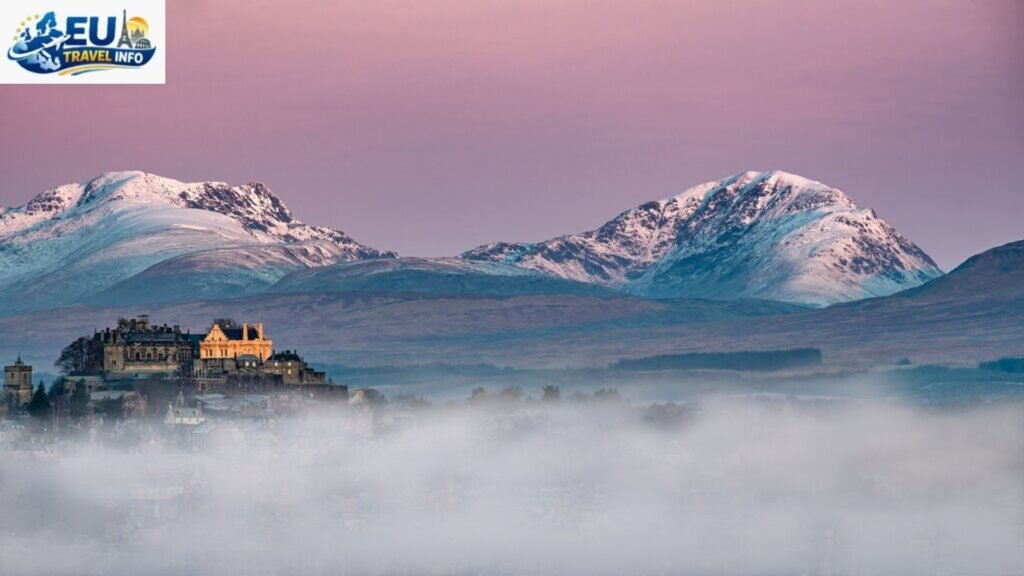
You are brave if you come in winter. This is from November to March. You will find the lowest prices now. This is the best time to visit Scotland if you are on a budget. You will see fewer tourists. You can have a whole castle to yourself. But you must face the dark. In January, you only have about 7 hours of daylight. The sun rises late. It sets very early.
However, there is a big reason to visit in 2026. This is the Northern Lights. You might have heard them called the aurora borealis. In Scotland, they are the “mirrie dancers”. Experts say 2026 will be the best year in a decade to see them. This is because the sun is at its “solar maximum”. It is a peak in solar activity. You will see stronger and more frequent displays.
The best time to visit Scotland in winter for the lights is between September and March. You need dark, clear skies. You should go far north. The Shetland Islands and Orkney are perfect. The Outer Hebrides and the Isle of Skye are also great. You should find a spot away from city lights. You should bring a red-light torch to keep your night vision. You should be patient. The lights can appear for five minutes or five hours. They dance in green, pink, and purple. It is a spiritual experience.
Additionally, winter is for cozy things. You can sit by a peat fire. You can drink a single malt whisky. You can visit a distillery. Most of them are open all year. You can also enjoy winter sports. In February, the snow in the Highlands is often at its best for skiing and snowboarding. Cairngorms National Park is a popular spot.
Traveling with the Whole Family: Best Time to Visit Scotland with Kids
You might be bringing the grandchildren. Or perhaps you have teenagers. The best time to visit Scotland with kids is during the summer months of July and August. Why? Because the Highland Games are in full swing. These are one-day events in local parks. They are not just for strong men. There are food stalls. There are craft tents. There are “best-dressed pet” competitions. Kids can even try their own mini-games. They can try a stone throw. It is a great way to learn about Scottish culture.
Additionally, the summer has more boat tours. You can take a trip to see the puffins. These cute birds are on the coastal islands until late July. You can visit the Isle of May or the Treshnish Isles. Kids love their colorful beaks. Plus, the longer days mean the kids can run around outside until late at night. They will sleep well. Therefore, you will sleep well too.
A Grand Tour: Best Time to Visit Scotland and London
You might be planning a big UK trip. You want to see the Tower of London and Edinburgh Castle. The best time to visit Scotland and London together is late spring (May/June) or early autumn (September). The weather in London is usually warmer than in Scotland. If you go in May, London will be bright and flowery. Scotland will be fresh and green.
Similarly, you can use the train. The “Caledonian Sleeper” is a night train from London to the Highlands. You wake up to the mountains. It is very romantic. If you go in August, both cities will be very crowded. You will find long lines at every museum. Therefore, the “shoulder seasons” are better. You get the best of both worlds without the stress.
Health and Safety: Ticks and Other Critters
You must be careful in the grass. Ticks are small insects. They look like tiny spiders. They do not fly or jump. They wait on long grass for you to walk by. Then they grab onto your clothes. Some ticks carry Lyme Disease. This can be serious.
Therefore, you should take steps to stay safe. First of all, you should stick to the paths. Do not walk through tall, overgrown areas. You should wear long trousers. You should tuck your trousers into your socks. This sounds silly. But it works. You should also wear light colors so you can see the ticks on your clothes.
If you find a tick, do not panic. You should remove it with fine-tipped tweezers. Pull it straight up. Do not twist it. Clean the area with antiseptic. Watch for a “bull’s-eye” rash. If you see a red circle or feel like you have the flu, see a doctor. Most tick bites are harmless. However, it is better to be safe.
Statistical Breakdown: Weather by the Numbers
You might want the hard facts. Here is a look at the averages for Scotland:
| Month | Avg Temp (°C) | Avg Rain (mm) | Notable Feature |
| January | 4 | 80 | Coldest, wettest |
| February | 4 | 60 | Best for snow sports |
| March | 6 | 60 | Nature wakes up |
| April | 8 | 50 | Driest month |
| May | 11 | 60 | Long days, few bugs |
| June | 13 | 60 | Longest daylight |
| July | 15 | 70 | Warmest weather |
| August | 15 | 80 | Festivals, high prices |
| September | 13 | 80 | Autumn colors begin |
| October | 10 | 100 | Peak fall foliage |
| November | 7 | 90 | Dark and chilly |
| December | 5 | 80 | Festive markets |
As you can see, April is statistically the driest month. October is the wettest. January and February are the coldest. You should use this data to plan your wardrobe. Layers are your best friend. You will need a wool sweater. You will need a waterproof shell. You will need good walking boots.
The Costs of Travel: High Season vs. Low Season
You should think about your wallet. June to August is the most expensive time. Everything costs more. Flights are higher. Hotels raise their rates. This is especially true in Edinburgh during the Fringe. You might pay double for a room.
On the contrary, November to March is the cheapest. You can find great deals. Some hotels offer “winter escapes.” However, some smaller businesses in the Highlands might be closed for the season. You should check ahead.
The shoulder seasons of April-May and September-October offer the best value. You get decent weather. You get lower prices than the summer. Plus, the crowds are manageable. This is the choice for the “savvy traveler”.
Regional Highlights: Where to Go When
You should know that weather varies by region. The West Coast is usually wetter than the East Coast. The mountains create their own weather. You might have sun in Inverness and rain in Fort William.
- The Highlands: Visit in May to July for hiking. The days are long. The paths are clear. If you like snow, come in January or February.
- The Islands (Skye, Mull, Outer Hebrides): Visit in May or June. This is when you avoid the worst midges and see the best light. Winter can be very harsh here with ferry cancellations.
- Central Scotland (Edinburgh & Glasgow): Visit in May, June, or September. You avoid the massive August crowds but still enjoy the outdoor cafes. If you love Christmas, come in December for the markets.
Festivals You Cannot Miss
You might want to time your trip for a specific event. Scotland loves a party.
- Hogmanay (New Year’s Eve): This is a huge celebration. Edinburgh has street parties and fireworks. In some places, they do the “Loony Dook.” This is a jump into icy water on New Year’s Day. It is only for the brave.
- Up Helly Aa (January): This is a Viking fire festival in Shetland. They burn a galley ship. It is spectacular.
- Spirit of Speyside Whisky Festival (May): This is a must for whisky fans. You can visit distilleries that are usually closed to the public. There are tastings and music.
- Royal Highland Show (June): This is a huge agricultural show near Edinburgh. You can see livestock competitions and taste amazing local food.
- Cowal Highland Gathering (August): This is famous for its Highland dancing championships. Dancers come from all over the world to compete.
FAQ
What month is best to travel to Scotland?
May is often called the best month. You get long daylight hours and the lowest chance of midges. The spring flowers are beautiful. Prices are still moderate compared to the summer peak.
How many days is enough for Scotland?
You should aim for at least 10 to 14 days. This allows you to see the major cities and spend time in the Highlands and Islands. If you only have a week, you should focus on one region to avoid spending all your time driving.
What is the cheapest time to go to Scotland?
The cheapest time is from November to March, excluding the Christmas and New Year period. You will find the lowest rates for flights and hotels during these dark winter months.
What is the rainy season in Scotland?
Scotland does not have one specific rainy season. However, the wettest months are typically from October to January. The West Coast receives more rain than the East Coast throughout the year.
Concluding Words
You have many choices for your 2026 trip. The Best Time to Visit Scotland depends on your priorities. May and June offer the longest days and fewer bugs. July and August bring the heat and the world-famous festivals.
September and October provide stunning autumn colors and quieter trails. Winter is the time for budget deals and the magical Northern Lights. No matter when you choose, Scotland will welcome you with open arms and a warm dram. Pack your layers and prepare for adventure.