You stand on a high ridge. The air is cold and crisp. Below you, the Lauterbrunnen Valley stretches out with its seventy-two waterfalls. This is the dream, is it not? You have waited years to walk through the Swiss Alps. Now, you need to know the right time to go. Switzerland is a hiker’s paradise with over 65,000 kilometers of marked trails. This network is so special that the Swiss Federal Constitution actually protects it. You will find approximately 50,000 signposts across the country to guide your feet.
The Best Time To Visit Switzerland For Hiking
You might wonder when the absolute best moment for a trek is. Most experts agree that July through mid-August is the gold standard. During these weeks, the sun is high. The trails are mostly clear of snow. Every mountain lift runs daily. However, the crowds are also at their peak.
You do not have to follow the crowd. Switzerland offers beauty from mid-April until mid-November if you choose your path with care. Each month tells a different story.
Spring: The Wake-Up Call
Can you hike in Switzerland in April? Most people will tell you to stay away from the high peaks at this time. April is a difficult month for the mountains. The ski season ends. The summer season has not yet started. Many cable cars close for maintenance.
April and the Lower Lands
You should look toward the lakes and rivers if you visit in April. The high-altitude trails like those in Zermatt or the Jungfrau Region still sleep under heavy snow. On the contrary, the lowlands are green. You can walk along Lake Luzern or the vineyards of Lake Geneva. First of all, check the weather. April weather is famous for its sudden changes.
May: Wildflowers and Waterfalls
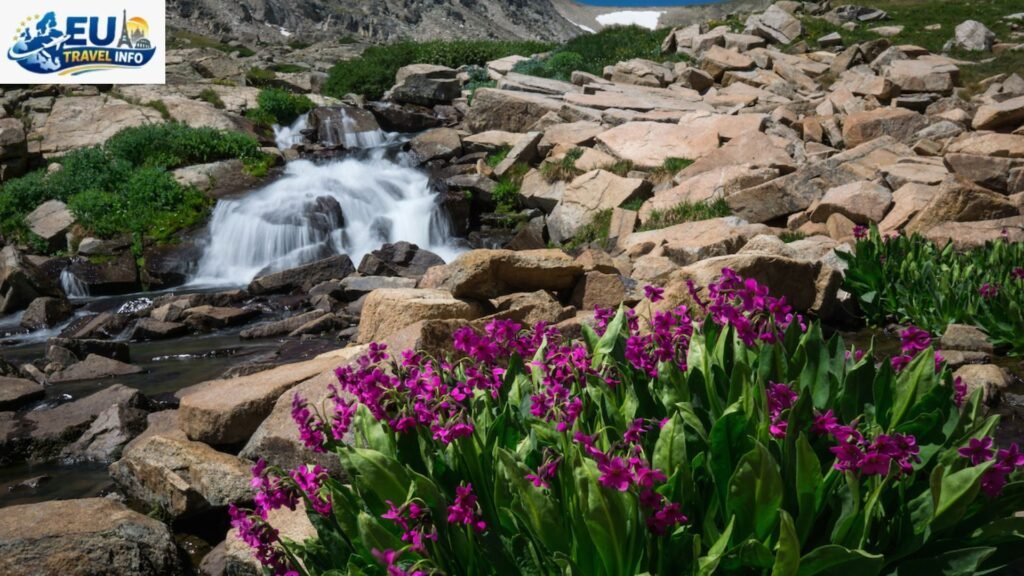 May is a secret favorite for many locals. The crowds are thin. The wildflowers start to paint the meadows in bright colors. You will see the waterfalls at their most powerful because the snow is melting fast. Additionally, accommodation prices are often lower than in the summer.
You should focus on lower elevations in May. Areas like Ebenalp Wildkirchli usually open in mid-May. This spot offers a famous cliff-side restaurant and an easy 15-minute walk. You might also enjoy the Areuse Gorge in Neuchâtel. The stone bridges there look perfect in your photos.
June: The High Transition
Hiking in Switzerland in June is an exercise in patience. You will see the mountains begin to open up. Most mountain transport starts to run daily by the second or third week of June. However, snow can still block the high passes.
A famous reddit thread, best time to visit switzerland for hiking reddit, often discusses the June snow. Users often warn that trails above 2,000 meters might still be white. You should check the webcams before you head out. If the sun stays out, the snow melts quickly. By late June, the meadows are full of Alpine roses and Gentians.
Summer: The Peak Experience
July and August are the months of glory. You can reach the best hiking in Switzerland during this window. The weather is stable. The days are long.
July: The Floral Peak
July is the Best Time To Visit Switzerland For Hiking if you love flowers. The meadows at high altitudes are a carpet of color. You might see Edelweiss or Alpine asters if you climb high enough. The temperatures usually stay between 15°C and 25°C. This is perfect for a long day on the trail.
August: The Warm Heart of Summer
August remains very popular. The weather is usually steady. You might find that some days get hot. Temperatures can reach 32°C in the valleys. Therefore, you should start your hikes early in the morning.
On top of that, August is a time for festivals. You can enjoy classical music at the Engadin Festival while you stay in the mountains. The Alpine lakes are also warm enough for a quick swim by now. Gradually, you will notice the sun sets a little earlier as the month ends.
Autumn: The Golden Reward
Many travelers believe that autumn is the true best time to go to Switzerland. The air becomes crystal clear. The light turns soft and golden.
September: The Hiker’s Month
September offers the most comfortable temperatures for long-distance treks. You will find it is usually between 15°C and 20°C. The summer crowds have gone home. Similarly, the weather is often more stable than in July.
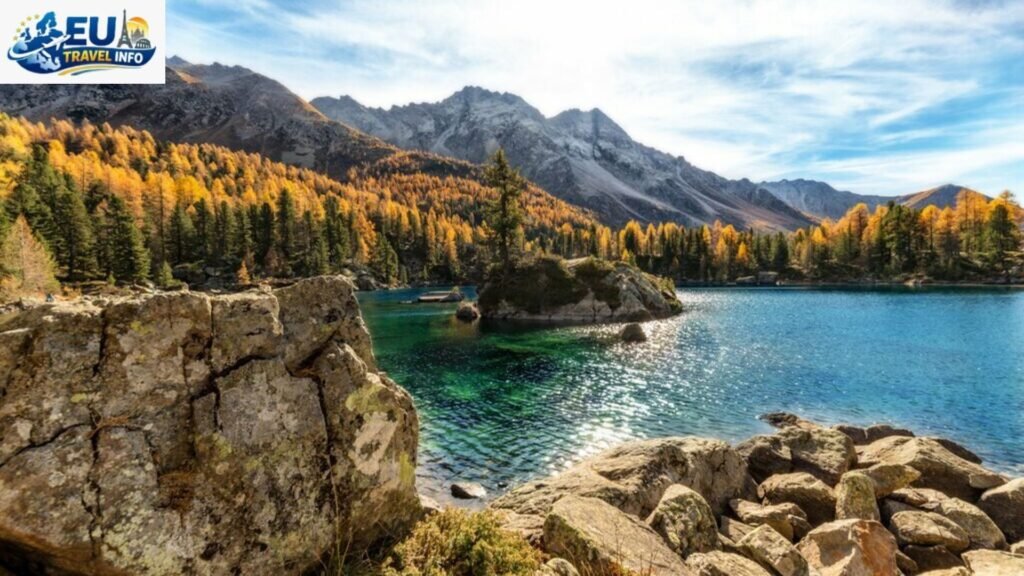
You should visit the Engadin Valley in late September. The larch trees start to turn yellow. This creates a landscape of gold against the blue sky. Plus, most mountain lifts still run until the middle or end of the month.
October: The Final Luster
Hiking in Switzerland in October is a gamble that often pays off. You must plan with care. Many cable cars close in early October. First of all, check the closing dates for the region you want to visit.
Zermatt is a top choice for October. You can take the Gornergrat cogwheel train, which runs all year. The hike from Gornergrat to Riffelsee is iconic. You will see the Matterhorn reflected in the still water of the lake. If you are lucky, the larch trees will be bright orange.
However, you must watch out for the best time to visit switzerland for snowfall. Early snow can arrive in October. This snow often melts, but it can make the trails muddy or slippery. You should pack warm layers and waterproof boots.
The Three Categories of Trails
You need to understand the signs on the trail. The Swiss system is very organized.
- Yellow Markers: These are standard hiking trails. They are easy and safe for everyone. You do not need special gear beyond good shoes with grip. These make up about 62% of the whole network.
- White-Red-White Markers: These are mountain hiking trails. You will find steep and narrow sections here. You need to be fit and sure-footed. These trails cover about 36.5% of the network.
- White-Blue-White Markers: These are alpine hiking trails. You might cross glaciers or climb over rocks. You need expert knowledge and special equipment like ropes or ice axes. These are only 1.5% of the trails.
Where To Hike In Switzerland
You have so many choices. It can feel overwhelming.
The Bernese Oberland
This region is the heart of the Swiss Alps. You will find the famous peaks of the Eiger, Mönch, and Jungfrau here. The Lauterbrunnen Valley is a must-see. You can also walk the Panorama Trail at Männlichen for incredible views.
Zermatt and the Valais
Zermatt is home to the Matterhorn. You can find high-altitude hikes that stay open later than in other areas. The Five Lakes Walk is a classic trail that offers five different views of the famous peak.
The Engadin Valley
This is the “Quiet Corner” of Switzerland. It is located in the Graubünden region. You will find fewer tourists here, even in August. The Swiss National Park is nearby. You might see marmots or chamois in the high meadows.
The Impact of Climate Change
You should be aware that the mountains are changing. Heatwaves in recent years have made some classic routes dangerous. Glaciers are melting at an alarming rate. At that time, falling rocks can become a hazard because the permafrost is thawing.
Guides have sometimes suspended trips to the top of the Jungfrau or the Matterhorn during extreme heat. Therefore, you must listen to local warnings. Resilience is part of the mountain DNA, but nature is the boss.
Planning Your Budget for 2026
Switzerland is not a cheap destination. However, you can save money if you are smart. Autumn offers 20% to 40% lower costs for hotels compared to the summer.
| Category | Budget (Daily) | Mid-Range (Daily) |
| Accommodation | CHF 60-100 | CHF 120-200 |
| Meals | CHF 30-50 | CHF 60-100 |
| Activities/Lifts | CHF 20-40 | CHF 50-80 |
| Total | CHF 110-165 | CHF 210-330 |
Data based on 2026 projections.
Additionally, you should consider the Swiss Travel Pass. It offers unlimited travel on trains, boats, and buses. It also gives you 50% off most mountain railways. For a single region, a regional pass like the Berner Oberland Pass might be cheaper.
Essential Packing List
You must be prepared for any weather. The mountains are unpredictable.
- Waterproof hiking boots with a strong grip.
- Layered clothing: A base layer, a warm mid-layer, and a waterproof shell.
- Sun protection: A hat, sunglasses, and high-SPF sunscreen.
- Safety gear: A warm hat and gloves, even in summer.
- Water: Drink at least 3 liters a day when you are at high altitudes.
Final Tips For Your Adventure
You will find that the Swiss are very proud of their trails. Please stay on the marked paths to protect the plants. Picking wildflowers is illegal in many places. Finally, always check the MeteoSwiss app for the most accurate weather reports.
A hike in the Swiss Alps is more than just exercise. It is a way to connect with nature. Whether you choose the busy days of July or the quiet gold of October, the mountains will welcome you. Lace up your boots. The trail is waiting.
FAQ
What is the best month to visit Switzerland?
The best month depends on your goals, but September is often cited as the best overall month. You get stable weather, fewer crowds, and beautiful autumn colors.
What are the best months to hike in Switzerland?
July, August, and September are the prime months for hiking. During this time, the high-altitude trails are accessible and the weather is generally favorable.
What part of Switzerland has the best hikes?
The Bernese Oberland and the Valais (Zermatt) regions are world-famous for their dramatic peaks and extensive trail networks. The Engadin Valley is also excellent for those seeking peace and tranquility.
What is the cheapest month to visit Switzerland?
November and April are generally the cheapest months because they are between the main tourist seasons. However, hiking options are very limited during these months. For better hiking at lower prices, try late September or May.
Concluding Words
Switzerland offers a world-class hiking experience across its 65,000 kilometers of trails. While July and August provide the most reliable weather for high-altitude treks, the shoulder seasons of May, June, and September offer unique beauty with fewer crowds and lower costs. You must plan around snow melt in the spring and lift closures in the autumn to make the most of your trip. With the right gear and a Swiss Travel Pass, your 2026 Alpine adventure will be unforgettable.