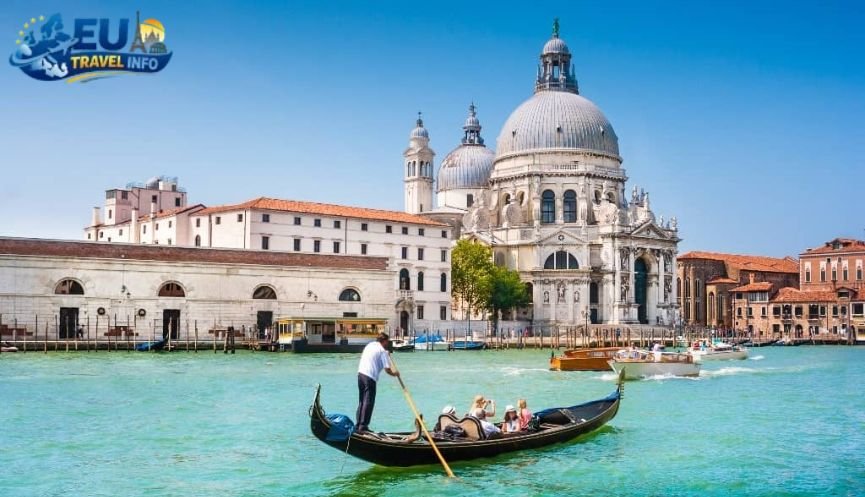
You stand at the edge of the Grand Canal. The water ripples against the ancient stone. You breathe in the salt air. You are finally here. Venice is a city of dreams and history. Every traveler needs to know when to visit this floating world. You want the perfect balance of weather, cost, and culture. This guide helps you plan your 2026 trip with precision.
The Magic of the Shoulder Seasons

You should aim for the shoulder seasons if you want the best experience. Late May to early June and September to October are the golden windows. The weather is stable. Temperatures stay between 15 and 25 degrees Celsius. You can walk all day without sweating through your clothes. Is May a good time to visit Venice? It is arguably the best. The city awakens from winter. Flowers bloom in hidden gardens. The Venice Art Biennale opens in early May. You can see world-class art in ancient buildings. However, you must book four to six months in advance for these months.
Similarly, September is a favorite for many travelers. The summer heat fades. The crowds from July and August finally thin out. You still get long days of sunshine. On top of that, the Venice Film Festival brings a touch of glamour to the Lido. Hotel rates drop by 25 to 35 percent compared to the August peak. You can find rooms for 170 to 260 euros instead of 400 euros.
The Heat and Crowds of Summer
You might think summer is the best time to visit Venice, but you should be careful. July and August are often the worst time to visit venice for those who hate heat. Temperatures often exceed 30 degrees Celsius. The humidity makes the air feel heavy. Plus, the city becomes incredibly crowded. Daily visitor counts reach 80,000 to 100,000 people. You will face lines of 90 to 120 minutes at the Doge’s Palace.
However, summer has its own rewards. You can experience the Festa del Redentore on July 18, 2026. This is the most famous night for locals. They gather on boats in the lagoon. They eat traditional food like sarde in saor. Finally, a massive firework display lights up the Bacino di San Marco. It is a dialogue between light and architecture. If you choose summer, you must stay hydrated. You should carry a reusable water bottle to fill at public fountains.
Winter and the Search for Value

You can find the cheapest time to visit Venice during the winter months of November to March. Many travelers ignore this period. They miss out on significant savings. Hotel rates and flights are 30 to 50 percent cheaper than in the spring. You can find quality rooms for 80 to 150 euros. The city is quiet. You can hear your own footsteps on the cobblestones.
Though it is cold. Temperatures range from 0 to 9 degrees Celsius. Fog often covers the canals. This creates a dreamlike atmosphere. You will see locals going about their daily lives without the tourist crush. You should pack layered clothing and a warm coat. A scarf and hat are essential for the damp wind.
The Spectacle of Carnival
You may wonder: is it good to visit Venice in February? The answer depends on your love for festivals. February is cold, but it is also the best time to visit venice carnival. The 2026 festival runs from February 7 to February 17. The theme is “Olympus – the origins of the game”. You will see people in elaborate masks and 18th-century costumes. St. Mark’s Square becomes a giant stage for parades and theater.
Additionally, there are many free events. You can watch the Festa delle Marie or the Flight of the Lion. Be aware that prices skyrocket during this time. Hotels can cost 250 to 400 euros per night. You must book your stay eight to ten months early to get a room. If you want a quiet trip, you should avoid the Carnival dates.
Managing the High Water
You must understand acqua alta if you visit between October and January. This is the seasonal flooding. It is a natural thing. High tides and strong winds push water into the lagoon. Saint Mark’s Square is the lowest point and floods first. Most floods only last for two to four hours. The city puts out raised walkways called passerelle.
What is the best time to visit venice to avoid flooding? You should choose the months of May, June, July, or August. Flooding is very rare in those months. If you do visit in the fall, you should download the hi!tide app. This app gives you real-time tide alerts. You can also buy rubber boots in local hardware shops for 15 to 25 euros. Do not buy the cheap plastic covers from street vendors. They do not last.
Practical Tips for Your 2026 Journey
You need to know about the new entry tax for 2026. The city will charge a fee of 5 euros on specific days between April and July. This applies to day-trippers over the age of 14. However, if you stay overnight in a hotel within the city, you are exempt. You still must register on the official website to get a QR code. This helps the city manage the flow of people.
A gondola ride is a classic experience. The standard rate is 80 euros for 30 minutes during the day. The price goes up to 100 euros after 7:00 PM. You should try a ride in the early morning or late afternoon. This is when the canals are most peaceful. Plus, a weekday ride is better than a weekend ride. There are fewer boats in the narrow waterways.
Planning Your Meals and Sightseeing
You should explore neighborhoods like Dorsoduro and Cannaregio. These areas feel more local and authentic. You can find cozy wine bars called bacari. Try the Select spritz, which is the true Venetian version of the drink. Pair it with small snacks called cicchetti. In winter, you must try the thick Italian hot chocolate. It is so rich that a spoon can almost stand up in it.
First of all, you should book tickets for major sites like St. Mark’s Basilica and the Doge’s Palace online. This saves you hours of waiting in the sun or rain. Later, you can wander into smaller museums like the Museo Fortuny. These often have no lines at all. You can even see a flooded crypt at the Chiesa di San Zaccaria for a small fee. It is a peaceful and unique sight.
Transportation in the Floating City
You will likely use the vaporetto, which is the water bus. It is the main way to get around. You can buy multi-day passes to save money. These are much better than buying single tickets every time. Another option is the traghetto. These are large gondolas that cross the Grand Canal at certain points. They cost only 2 euros and are a quick way to save time.
Gradually, you will learn the rhythm of the city. You should walk as much as possible. The streets are like a maze. You will find beautiful corners when you get lost. Make sure you wear comfortable shoes with good grip. The stone pavements can be slippery when wet.
FAQ
Which is the best month to visit Venice?
September is often called the best month. You get summer-like weather but with fewer people and lower hotel prices. May is also a top choice for its perfect spring temperatures and the start of major art events.
What time of year is Venice flooded?
The acqua alta season typically runs from October to January. This is when high tides and specific wind conditions cause the water levels to rise for a few hours.
How many days is enough for Venice?
A stay of three to four days is usually enough to see the main highlights and explore a few local neighborhoods. This gives you time for the big sites and some relaxed wandering.
What is the cheapest time to visit Venice?
The months of January and November are the cheapest. You can find hotel rooms and flights for 30 to 50 percent less than during the peak summer season.
Concluding words
Planning your visit for 2026 means choosing between the vibrant crowds of summer, the colorful magic of Carnival in February, and the quiet value of the winter months. For most travelers, the shoulder seasons of late spring and early autumn provide the perfect balance of comfortable weather and manageable costs. Whether you are watching fireworks during the Redentore or walking through the morning mist in January, Venice remains an unforgettable destination.