You are planning the trip of a lifetime to Italy in 2026. You want to see the floating city of Venice. You want to walk the ancient streets of Rome. This is a big dream. You deserve the perfect timing. A bad choice could mean massive crowds or wet feet. This guide will help you choose the Best Time To Visit Venice And Rome so your 2026 adventure is pure magic.
The Golden Window for Your Italian Escape
First of all, you must understand that Italy has two faces. One face is sunny and busy. The other face is cool and quiet. Most travelers agree that April, May, June, September, and October are the best travel months for Venice. Similarly, Rome truly shines in spring (March to May) and fall (September to October).
During these times, the weather is mild. You will see temperatures between 16°C and 23°C (61°F to 73°F) in the spring. In the fall, it stays pleasant at around 22°C to 27°C (72°F to 81°F). These are the sweet spots. Perfect for long walks. Great for outdoor dinners. Total bliss.
However, these months are also the busiest. You will face higher prices for hotels. The lines at the Colosseum will be long. Additionally, the canals in Venice will have many tourists. You must weigh the perfect weather against the crowd size.
On top of that, you should think about your budget. If you want to save money, January, February, and November are the cheapest months for flights and stays. You can find airfare deals that save you 40% to 95% if you use alert services. That is a huge saving. Plus, the streets are empty. You can have a private moment with a statue. A rare treat.
Later, we will look at each city in detail. First, let us talk about the city of water.
Timing Your Visit to the Floating City of Venice
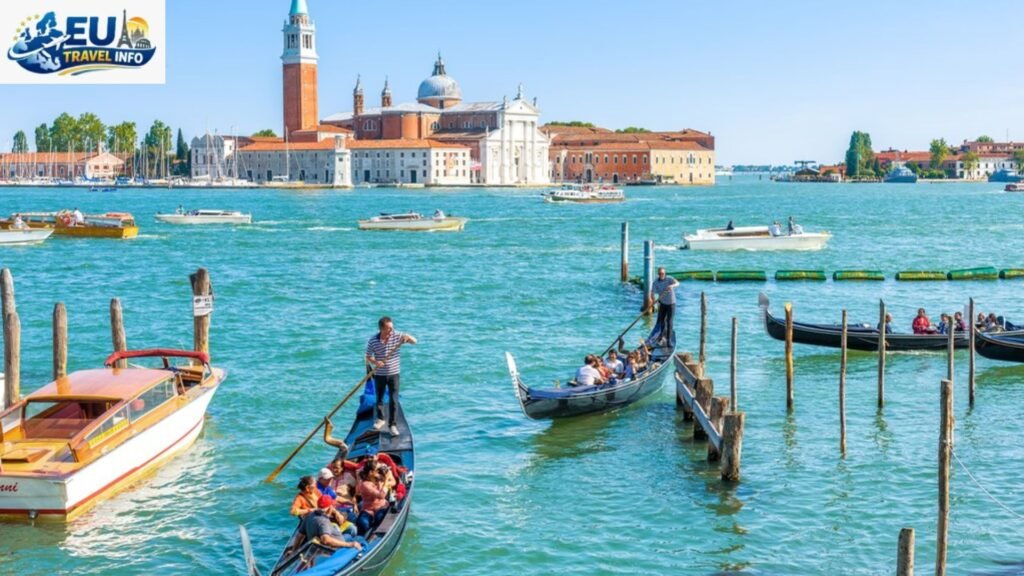
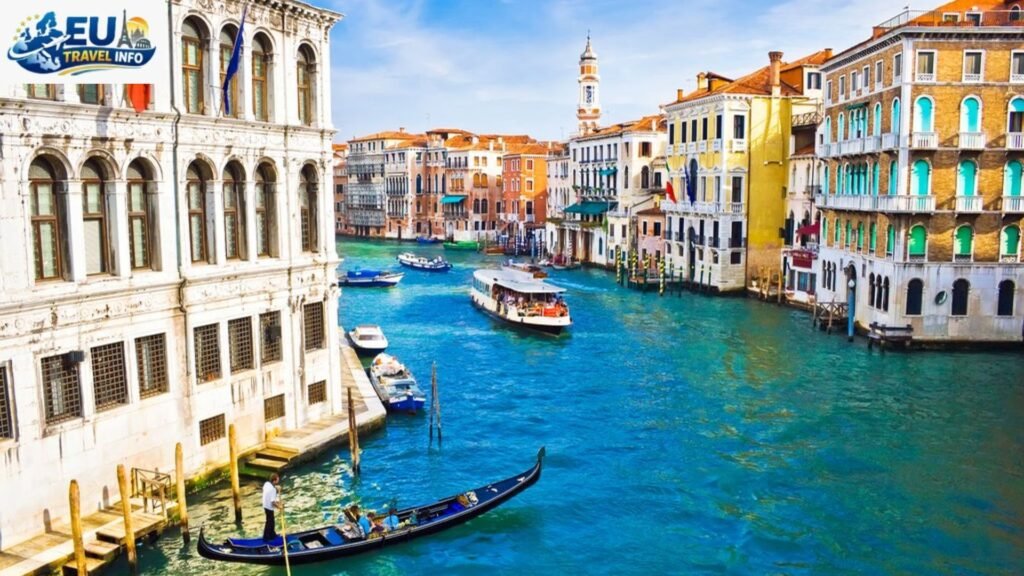 Venice is unlike any other place on Earth. It is a city of 118 islands. It is a maze of canals. Because of its location, the weather and tides matter a lot.
Avoiding the High Water
You might worry about flooding. This is called acqua alta. It is caused by tides and winds pushing sea water into the lagoon. This usually happens in late autumn and winter. The months of November and December are the peak times for high water. Therefore, the best time to visit venice to avoid flooding is generally from March to September.
Though flooding sounds scary, it is usually just a minor delay. The water rises for a few hours. Then it goes away. The city is quick to act. They set up elevated wooden walkways called passarelle. You can still get around. Intense flooding only happens about 4 times each winter. Exceptionally high water—over 140 cm—only happens once every 3 years.
If the water is low, you can wear rubber boots. You can buy these at tobacco shops or souvenir stands. Some hotels even lend them to you. It is a funny sight to see waiters in fancy tuxedos wearing big rubber boots in St. Mark’s Square. A great story to tell at home.
The Magic of the Carnival
Is it good to visit venice in february? Yes, it is! This is when the Venice Carnival happens. In 2026, the dates are February 7 to February 24. The best time to visit venice carnival is the final weekend, February 21 to February 24.
This is a world of masks. You will see people in Bauta masks or the long-beaked Plague Doctor mask. You will see the Flight of the Angel, where a person zips down from the Campanile tower. It is a visual feast.
However, be warned. This is also a very expensive time. A room that costs €80 in March might cost €180 in mid-February. Crowds are massive. Piazza San Marco becomes a sea of people. Therefore, this might be the worst time to visit venice if you hate crowds or tight budgets.
Art and Culture in 2026
You are in luck if you love art. The 61st International Art Exhibition, known as Biennale Arte 2026, runs from May 9 to November 22, 2026. The title is In Minor Keys. You can visit venues at the Giardini and the Arsenale. This event brings artists from all over the world. It makes Venice feel alive with new ideas.
Gradually, the summer heat arrives. July and August are hot. Temperatures reach the 80s°F. This is actually more temperate than the scorching heat of Rome. Most hotels have air-conditioning. However, it is only available from mid-May to September. If you visit in early May, you might feel warm in your room.
Finally, consider the fall. Is october a good time to visit venice, italy? It is excellent. The air is crisp. The summer crowds are gone. The romantic mist begins to roll over the canals. It is the best month to visit venice italy for many mature travelers.
Navigating the Eternal City of Rome
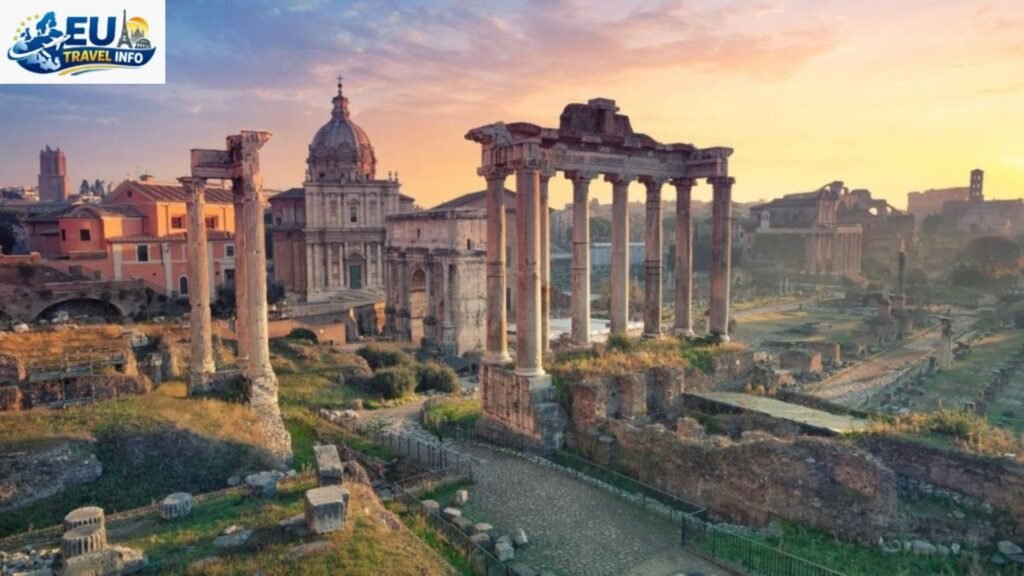
Rome is a giant museum. It is loud. It is beautiful. It is ancient. To enjoy it, you must time your visit to match the Roman rhythm.
The Highs and Lows of Roman Weather
The best time to visit rome is during the shoulder seasons. In April and May, the gardens are in bloom. The Spanish Steps are covered in azaleas. You can picnic in the Villa Borghese.
On the contrary, the worst time to visit rome is July and August. It is very hot. Temperatures stay around 31°C (88°F). Heatwaves are common. The air is humid. On top of that, many Romans leave the city in mid-August for a holiday called Ferragosto.
On August 15, the city feels like a ghost town. Many top-notch restaurants and local shops close their doors. You will find empty streets and shuttered windows. Only the most famous tourist spots stay open. If you want the “real” Rome, do not go in mid-August.
Similarly, the winter can be damp. January and February are cool, around 12°C (54°F). But these are the quietest months. You can see the Vatican Museums without being pushed by a crowd. You can find the lowest hotel rates. For a mature traveler who values peace, this is a secret win.
Seasonal Eating: A Roman Passion
You should visit Rome when your favorite food is in season. Romans eat by the calendar. It is a beautiful tradition.
First of all, there is the artichoke. The true carciofo romanesco appears in February. It is round and purple. You can eat it fried or stewed. When the heat hits in May, they vanish.
Later in the spring, look for fragoline. These are tiny strawberries. They are only found in mid-spring. They are sweet and perfect with cream. Similarly, May 1st is a special day. Romans go to the country to eat fresh fava beans with sharp pecorino romano cheese.
Additionally, the days of the week matter. You should know the local rule: “Giovedì gnocchi, Venerdì ceci e baccalà, Sabato trippa.” This means you eat gnocchi on Thursday. You eat chickpeas and salt cod on Friday. You eat tripe on Saturday. Many restaurants still follow this schedule. It is a fun way to live like a local.
2026 Special Events in Rome
Easter is a massive event in Rome. In 2026, Easter Sunday falls on April 5. This will be the final days of the Holy Year. Expect huge crowds. You can see the Pope at the Urbi et Orbi blessing. You can watch the torch-lit procession at the Colosseum on Good Friday (April 3).
If you visit on April 21, you can celebrate Natale di Roma. This is the birthday of the city. There are parades and events. It is a high-energy time.
Later in the year, the Rome Film Festival happens in October. This is a great time for culture lovers. The weather is pleasant for walking to different cinema venues.
A Month-by-Month Cheat Sheet for 2026
To make it easy, here is a summary of what to expect each month in both cities.
- January: Quietest and cheapest. Cool weather. Good for budget travelers. Epiphany Fair on Jan 6 in Rome.
- February: Venice Carnival (Feb 7-24). Rome is peaceful and good for museum visits. Artichoke season begins.
- March: Spring begins. Weather is variable. Easter prep begins in Rome. Good balance of price and weather.
- April: Easter Sunday (April 5). Crowded but beautiful. Spanish Steps bloom. Natale di Roma on April 21.
- May: Warm and vibrant. Biennale Arte starts in Venice. National holiday on May 1. Ideal for gardens.
- June: Summer begins. Long days. Republic Day on June 2. Nightlife is booming.
- July: Hot and bustling. Festivals by the river in Rome. Summer sales for shopping.
- August: Ferragosto (Aug 15). Peak heat. Rome empties out. Beaches are packed. Not ideal for city tours.
- September: Harvest season. Cultural events return. Pleasant weather. High crowd levels.
- October: Mild and artsy. Rome Film Festival. Truffle and chestnut menus appear. Very romantic.
- November: Rainy and cool. Lowest prices. Short lines. Good for indoor culture like opera.
- December: Festive atmosphere. Christmas markets. High water risks in Venice. Magical lights.
Practical Tips for Your 2026 Journey
You need to be prepared for the logistics. Italy is old. It requires some planning.
First of all, book your tickets early. For the Vatican Museums and the Colosseum, you should book several weeks in advance. This is especially true for the spring and summer.
Similarly, think about your feet. Rome has cobblestones. Venice has hundreds of bridges. You will walk a lot. Wear broken-in, comfortable shoes. If you go to Venice in the winter, make sure they are waterproof.
Therefore, you should also think about connectivity. You will need a map to find that hidden trattoria. You will want to share your photos. Use a reliable data plan or an eSIM. This saves you from expensive roaming charges.
Additionally, use the public fountains in Rome. They are called nasoni. The water is cold and free. It is the best way to stay hydrated in the summer. Plus, it is a fun Roman experience.
Why Mature Travelers Love the Shoulder Season
You are at a stage in life where you appreciate the details. You do not want to rush. You want to taste the wine and see the brushstrokes on the canvas.
The shoulder seasons—April to May and September to October—offer the best experience. The light is perfect for photography. The air is not too heavy with heat. You can sit in a piazza for hours and just watch the world go by. This is the true Italian way of life. La dolce vita.
Though it costs more than the winter, the comfort is worth it. You will not be sweating in a crowd. You will not be shivering in the rain. It is the perfect middle ground.
On top of that, the food is at its best. The transition from spring vegetables to summer fruits is a joy. The arrival of mushrooms and truffles in the fall is a miracle. You will eat well. You will sleep well. You will come home with a full heart.
Final Thoughts on Your 2026 Adventure
You have a big year ahead. Venice and Rome are waiting for you.
Remember to watch the calendar. Avoid the peak heat of August. Avoid the peak floods of November. Seek the blooms of April. Seek the golden light of October.
Italy is not just a place. It is a feeling. By choosing the right time, you ensure that feeling is one of joy and wonder. No stress. No regrets. Just the beauty of two of the greatest cities in the world.
Your 2026 trip will be a masterpiece. All you have to do is pick your date. Pack your bags. The bells of St. Peter’s are ringing. The gondolas are waiting. Go and see the world.
FAQ
What is the best month to visit Venice, Italy?
The best month is May or September. The weather is warm and beautiful. The Biennale art show is usually open. You avoid the winter floods and the peak summer heat.
What is the best time to visit Rome and Venice?
The absolute best time for both is late September to early October. You get mild weather in both cities. The summer crowds have thinned out. The food is fantastic with fall specialties.
Which is better, Rome or Venice?
This is a hard choice! Rome is better if you love ancient history, big city energy, and world-class food. Venice is better if you want romance, unique art, and a quiet, dream-like atmosphere. You should try to see both.
What is the cheapest time to visit Venice?
The cheapest time is January and February, excluding the weeks of Carnival. You will find the lowest hotel prices. Flights are also at their lowest during this winter lull.
Concluding Words
Your 2026 trip to Venice and Rome depends on timing. For perfect weather and events, choose late spring or early autumn. If you want to save money and avoid crowds, go in the quiet winter months. Be careful of the August heat in Rome and the winter floods in Venice. Plan ahead for 2026 dates like Easter on April 5 and Carnival in February. This guide ensures you see the best of Italy with comfort and ease.