I have traveled to over seventy countries and I love sharing my secrets with you. I remember my first trip across the ocean and the excitement I felt at that time. You might feel overwhelmed when you try to figure out a Budget For Student 2 Week Trip To Europe. Many people ask me the same question that I often see on a budget europe trip reddit thread. They want to know how much money to bring to europe for 2 weeks. I tell them that it depends on where you go and how you live. A trip to London is much more expensive than a trip to Riga. I have looked through my old notes and the latest data for 2025 to give you the best guide possible.
The Big Financial Picture for Students
First of all, you must understand the main costs like planes, beds, and food. For a 15 days in europe budget, you usually categorize yourself into one of three groups. The Frugal Backpacker spends about $75 to $125 a day in Western Europe. On the contrary, that same person only needs $40 to $90 a day in Eastern Europe. I call the middle group the Typical Student. These travelers use a mix of hostel beds and a few fancy meals. Finally, there is the Comfort-Oriented Traveler who wants private rooms and sit-down dinners.
If you watch your money closely, you can lower these costs by twenty-five percent. You will need to get creative to do this. Many people ask is 5k enough for 2 weeks in europe? Based on my experience and current price lists, $5,000 is more than enough for one person. In fact, you could likely travel for much longer on that amount. I have seen students finish a two-week trip for under $2,500 including their flight. You must be smart about your choices.
Flights and the Goldilocks Window
A plane ticket is usually your biggest cost at the start. For the 2025 to 2026 travel season, round-trip flights from the United States typically cost between $300 and $1,500. You can find the best deals if you book in the Goldilocks Window. This window is between two and eight months before you leave. I suggest you use tools like Google Flights to track prices.
If you fly out of a major hub like New York City, you have a big advantage. Low-cost airlines like Norse Atlantic or French Bee offer one-way tickets for as little as $120 to $162. However, these cheap fares are often “unbundled”. This means they do not include a bag or a seat choice. You should expect to pay an extra $50 to $100 for those things. Similarly, flights to London, Paris, or Frankfurt are often cheaper than flights to small cities. Therefore, you should fly into a big hub and then use a bus or a train to reach your final stop.
The Secret of Regional Price Gaps
The place you choose to visit is the biggest factor in your budget. I always tell people that Europe is divided into cost zones. Scandinavia and Switzerland are the most expensive. On top of that, cities like Oslo and Copenhagen have very high prices for food and beds. A single week in Oslo can cost the same as three weeks in Riga or Warsaw. Therefore, you should focus on Eastern Europe if you want your money to last longer.
The 2025 City Costs Barometer shows that Riga, Latvia is the best value city in Europe. A short break there for items like meals, drinks, and transport costs about £253. Vilnius in Lithuania is also very cheap at £254. Additionally, Poland has three cities in the top ten cheapest spots: Warsaw, Krakow, and Gdansk. If you go to these places, your cost of backpacking europe for 2 weeks will drop significantly. You can live like a king on a small budget.
10 Best Budget For Student 2 Week Trip To Europe
I have put together my top ten tips to help you save money during your adventure.
Use an ISIC Card
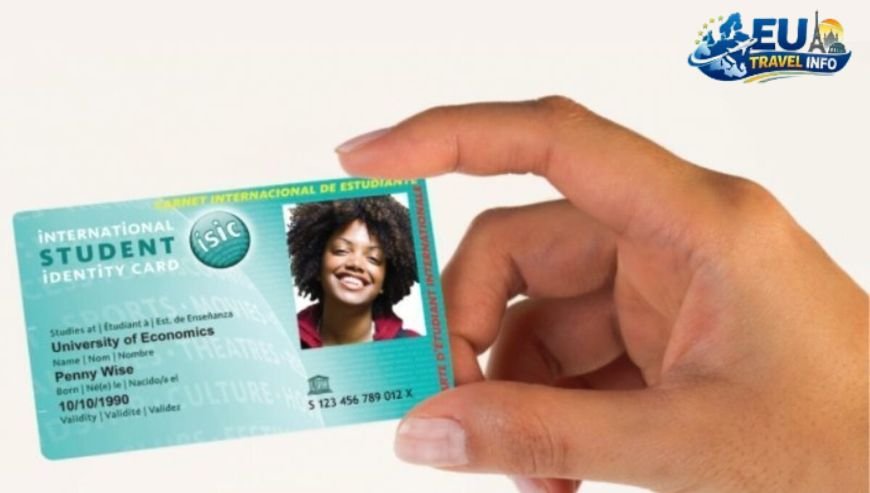
The International Student Identity Card is your best friend. It is the only proof of student status that people accept all over the world. You can get discounts of ten to fifty percent at museums and on buses like FlixBus.
Master the Eurail Youth Pass
If you are under twenty-eight, you can get a Youth Pass. This pass gives you a discount of up to twenty-five percent off the adult price. It covers train travel in thirty-three countries. Plus, you can hop on many local trains without a reservation.
Eat Like a Local (The Picnic Strategy)
Restaurants in tourist areas are traps. I recommend you go to local markets or supermarkets like Lidl and Aldi. You can buy fresh bread, cheese, and fruit for a few dollars. Later, you can have a picnic in a beautiful park. This is a very common way to eat in France, Italy, and Spain.
Find Free Walking Tours
Almost every big city has free walking tours. Locals lead these tours and they work for tips. This is the best way to learn the history of a city without paying a large fee.
Book Hostel Dorms with Kitchens
Beds in hostel dorms are the cheapest way to sleep. In 2025, a dorm bed in Western Europe costs between $25 and $40. In Eastern Europe, you can find them for $15 to $25. Always pick a hostel with a kitchen. If you cook your own dinner, you can save twenty dollars every day.
Use Night Buses and Trains
If you take an overnight bus or a sleeper train, you save the cost of a hotel room. Companies like FlixBus are very cheap for this. Though it is less comfortable than a bed, it keeps your budget safe.
Drink Tap Water
The water is safe to drink in most of Europe. I suggest you bring a reusable water bottle. You can refill it at public fountains for free. In cities like London or Paris, a bottle of water can cost three dollars in a shop.
Travel During the Shoulder Season
Peak summer is crowded and expensive. I prefer the shoulder seasons of April to May and September to October. The weather is still nice, but the prices for beds and flights are much lower.
Stay in University Areas
Student areas always have cheap food and bars. In Germany, you can sometimes use your student ID to eat at a Mensa (university cafeteria). You can get a full hot meal for under five dollars.
Use an eSIM for Data
International plans from home are a rip-off. I use an eSIM like Holafly or Orange. You can get enough data for two weeks for about twenty to forty dollars. It helps you use maps and find cheap places to eat on the go.
Planning a Trip to Europe for 2 Weeks: Sample Itineraries
If you are planning a trip to europe for 2 weeks, you need a good route. I have two favorites that offer great value.
The Central European Value Circuit
This route is perfect for students who want to see a lot for less money.
- Days 1-3: Warsaw, Poland. The city is very affordable and has a lot of history. You can visit the Warsaw Uprising Museum for free on Sundays.
- Days 4-7: Krakow, Poland. Take a FlixBus from Warsaw for about fifteen dollars. The Old Town is beautiful and the food is very cheap.
- Days 8-11: Budapest, Hungary. Take a train to Budapest. You must visit the thermal baths and the ruin bars.
- Days 12-14: Prague, Czech Republic. Focus on free walking tours and the castle district. Beer here is often cheaper than water.
I estimate the total land cost for this trip is between $900 and $1,100.
The Western Core Highlights
This trip visits the most famous cities but requires more discipline.
- Days 1-4: London, UK. Use an Oyster card for the Tube to save money. Visit free museums like the British Museum.
- Days 5-8: Paris, France. Take the Eurostar train. Have picnics by the Seine river to save on food.
- Days 9-11: Amsterdam, Netherlands. Walk along the canals and visit the Anne Frank House.
- Days 12-14: Rome, Italy. Eat pizza by the slice for four dollars. Visit free churches like St. Peter’s.
This trip is more expensive and will likely cost between $1,800 and $2,200 for land costs.
Transportation Secrets: Eurail and Beyond
When you think about cost of backpacking europe for 2 weeks, transportation is a major part. The Eurail Pass is a golden ticket for many. It allows you to travel on trains across thirty-three countries. You can buy a Global Pass for different lengths of time. A flexi pass for four days of travel in one month costs about $212 for a youth.
However, the pass is not always the cheapest option. For a short trip with only two or three stops, you should buy point-to-point tickets early. You can find fares as low as $20 if you book months in advance. On the contrary, if you want to be flexible and change your plans, the Eurail pass is better. Also, keep in mind that high-speed trains in France, Italy, and Spain require a seat reservation fee. These fees usually cost between $10 and $35 per train.
Buses are another great choice for budget travelers. FlixBus covers most of Europe and is much cheaper than the train. For example, a bus from Prague to Budapest starts at about $25. Later, you can use local trams and subways in the cities. Most cities sell day passes for five to twelve dollars.
Beds and Where to Lay Your Head
Accommodation is usually your biggest daily expense. Hostels are the most popular choice for students. I love the social vibe in hostels because you meet people from all over the world. Many hostels now offer private rooms if you do not want to share a dorm. These rooms are often cheaper than a hotel if you share the cost with a friend.
Prices vary a lot by city. In London or Paris, a dorm bed might cost $35 to $70. But in Krakow or Budapest, you can find beds for $15 to $30. I suggest you use sites like Hostelworld or Booking.com to compare prices. Always read the reviews carefully to check for cleanliness and safety. Additionally, look for hostels that offer a free breakfast. This one perk can save you ten dollars every morning.
If you are very brave, you can try Couchsurfing. This allows you to stay with locals for free. It is a great way to save money and see the real side of a country. However, it is getting harder to find hosts in big cities. Therefore, you should have a backup plan.
Food and Drink on a Budget
Eating out every meal will kill your budget. For the budget traveler, a daily food budget should be between $20 and $60. At the low end, you eat free hostel breakfasts and make your own sandwiches. At the high end, you can enjoy a sit-down meal once a day.
Alcohol is another “budget killer” in the North and West. A pint of beer in London can cost over six dollars. Similarly, a drink in Oslo can be more than ten dollars. On the contrary, beer in Prague or Budapest is about two dollars. If you want to drink, buy your alcohol at a grocery store and enjoy it in a park where it is legal. This is much cheaper than going to a club or a bar.
I also suggest looking for “lunch specials”. Many restaurants in Spain offer a menu del día. This is a three-course meal with a drink for a fixed, low price. It is much cheaper than the dinner menu. Also, ethnic eateries like kebab shops or falafel stands offer a lot of food for a small price.
Essential Gear and Practical Tips
You must pack light. Budget airlines like Ryanair or EasyJet charge a lot for checked bags. I recommend a 40 to 50 liter backpack. This size is usually small enough to carry onto the plane. Plus, you do not want to drag a heavy suitcase over old cobblestone streets.
Safety is important too. Europe is generally very safe, but pickpockets are common in crowded areas. I suggest you keep your valuables in a secure place and do not flash your cash. Also, you should have travel insurance. It costs about $30 to $50 for a two-week trip. It covers things like medical emergencies or lost luggage. I use SafetyWing because it is very affordable for students.
Finally, think about your luggage when you are exploring a city. Many train stations do not have lockers anymore. I use a service called Radical Storage. They partner with local shops where you can leave your bag for about five dollars a day. This allows you to walk around freely after you check out of your hostel.
Common Mistakes to Avoid
Many students make the mistake of overpacking. You do not need five pairs of shoes. I also see many people not booking in advance during the summer. This leads to high prices and high stress. Another mistake is exchanging money at the airport. The rates there are terrible. Instead, use an ATM from a reputable bank to get local cash.
I also recommend that you do not ignore cultural norms. For example, you must dress appropriately when you visit churches in Italy. Also, tipping is different in every country. In many places, a small tip is enough, or the service is already included in the bill. Learning a few local phrases like “hello” and “thank you” goes a long way.
Is 3 Weeks More Your Style?
Some people ask how much does a trip to europe cost for 3 weeks? If you add a third week, your costs do not just go up by fifty percent. Since you have already paid for your big flight, each extra day is cheaper on average. You could explore the Balkans like Albania or Montenegro for that third week. These countries are even cheaper than Poland or Hungary. You can find hostel beds for ten dollars and full meals for five dollars.
FAQ
How much money does a 2 week trip to Europe cost?
A full trip for two weeks usually costs between twenty-five hundred and forty-five hundred dollars. This price covers your flights and your daily expenses during the journey.
Is 2000 enough for 2 weeks in Europe?
Two thousand dollars is enough if you pick the right places to visit. You can easily finish a trip to Eastern Europe for fifteen hundred dollars total including your flight.
How many euros do I need for a 2 week trip?
You should bring about ten hundred fifty euros for a very frugal trip. A typical student needs sixteen hundred ten euros if they want a mix of dorm beds and private rooms.
How much does a 15 day trip to Europe cost?
A fifteen-day trip has similar costs to a fourteen-day trip and ranges from one thousand to nearly three thousand euros. This baseline amount does not include the cost of your flight across the ocean.
What is the cheapest month to go to Europe?
February is the cheapest month to fly into cities like London or Frankfurt. March is also a great time to find low prices for tickets to Paris.
Is $5000 enough for a vacation?
Five thousand dollars is more than enough for a two-week trip for one person. You will likely have money left over if you stay in hostels and eat local food.
Is $100 a day enough in Europe?
One hundred dollars a day is enough for a modest trip in Western Europe. In Eastern Europe, you will have a very comfortable time with that much money.
How many outfits do I need for 2 weeks in Europe?
You should focus on light and versatile layers rather than a specific number of outfits. You must pack light to avoid the high bag fees on budget planes.
What is the most expensive country in Europe for tourists?
Norway is the most expensive country for visitors because the cost of meals and hotels in Oslo is very high. Denmark and Switzerland also have some of the highest prices on the continent.
What is the best time to visit Europe?
The shoulder seasons of April to May and September to October are the best times to go. You get nice weather and much smaller crowds during these months.
How to choose the best tour package?
You should look for curated trips that include your beds and your travel like those from Voyista. Use apps that scan for the best prices in real time to help your budget.
Which country in Europe is the cheapest to visit?
Bulgaria and Bosnia consistently offer the lowest daily costs for travelers. Romania and Poland are also very affordable choices for students on a budget.
What is the most expensive month to visit Europe?
July and August are the most expensive months because of the heavy summer crowds. Prices for beds and flights go up significantly during this time.
How to travel Europe in low budget?
You should stay in hostels and cook your own meals in their kitchens to save money. Use night buses to save on a hotel room and find free walking tours in every city.
Concluding words
Europe is a fantastic place for a student trip if you plan your budget well. You can save a lot of money by choosing Eastern European cities like Riga, Vilnius, or Krakow. First of all, you must use a student ID card to get big discounts at museums and on buses. Later, book your trains and beds early to get the best deals on the market. You will have an amazing adventure if you focus on value and stay flexible.