I love the idea of a Budget Friendly Europe Trip, and I have spent years exploring every corner of this continent without spending a fortune. Many people believe that you need a massive pile of cash to see the old world, but that is simply not true. I want to share my personal experiences and secrets to help you plan an amazing adventure for 2026. You can see the most beautiful sites, eat the best food, and stay in comfortable spots while keeping your wallet happy. Ready for the truth? It is easier than you think.
First of all, you must know that Eastern Europe is where the real deals hide. These countries often have lower prices because they are still developing their tourism systems. However, they are just as incredible as the famous spots in the west. I found that my money went twice as far in the Balkans compared to London or Paris. Additionally, I learned that small choices, like taking the bus or eating a supermarket picnic, save hundreds of euros over a two-week trip.
How I Moved Around Europe on a Budget
I always tell my friends that the bus is the cheapest way to travel across Europe. Though trains are faster, a bus like Flixbus can cost as little as €5 if you book it early. I once took a bus from Berlin to Hamburg for that price, and it even had free Wi-Fi and power outlets. Additionally, Eurolines and BlaBlaBus offer great routes between big cities like London and Paris for around €26.
If you prefer the tracks, a Eurail Pass is a smart choice for a long Budget Friendly Europe Trip. This pass allows you to hop on trains across 33 different countries. I used a 10-day pass recently and found it very flexible and cheap compared to buying single tickets every time. Plus, many budget airlines like Ryanair and EasyJet offer flights for under £50 if you only bring a small personal bag. I once saw a return flight to Seville for just £20. You just have to watch out for the extra fees they charge for big suitcases.
Where I Slept and What I Ate
I do not always stay in fancy hotels because they feel cold to me. Instead, I look for hostels with private rooms or highly rated Airbnb spots. On the contrary, if you want to be truly adventurous, you can try couchsurfing to stay with locals for free. I also find that staying in smaller towns instead of major capitals saves a lot of money.
Food is my favorite part of any trip, and you do not have to eat at tourist traps to enjoy it. First of all, I always look for set lunch menus which are often 20% to 40% cheaper than dinner prices. In Budapest, I found two-course lunches for only €7 to €9. Similarly, I love grabbing a fresh pastry from a local bakery for breakfast. A banitsa in Bulgaria costs only about €1.50, and it is very filling.
Now, I will share my list of the 12 cheapest countries to visit in Europe and then add four more to reach my top 16 favorites for 2026.
North Macedonia

I consider this country the biggest hidden gem in Europe. It is ultra-cheap, and I spent an average of only €30 per day here. Though it does not have a coast, the natural beauty is breathtaking.
I spent five days in the capital, Skopje, which is full of history and quirky statues. Additionally, I visited Lake Ohrid, a UNESCO site that is one of the oldest lakes in the world. You can get a full meal here for around £5. Therefore, it is a perfect spot if you love mountains and quiet villages.
- Average Daily Budget: €30
- Hostel Cost: $15–$25 per night
- Meal at a Restaurant: $4–$12
Serbia
I had a blast in Belgrade, the capital of Serbia. It is one of the top 10 cheapest countries to visit in Europe. The nightlife is famous, and the food portions are huge. First of all, you must try ćevapi, which are delicious grilled meat platters that cost only €6 to €9.
I spent my days walking through Kalemegdan Park and looking at the spot where the Sava and Danube rivers meet. Later, I took a free walking tour to learn about the long history of the city. Plus, Serbian SIM cards are very cheap if you need data on your phone.
- Average Daily Budget: €30
- Full Traditional Meal for Two: €30–€35
- Street Snacks (Burek): €1.50–€2.50
Bosnia & Herzegovina
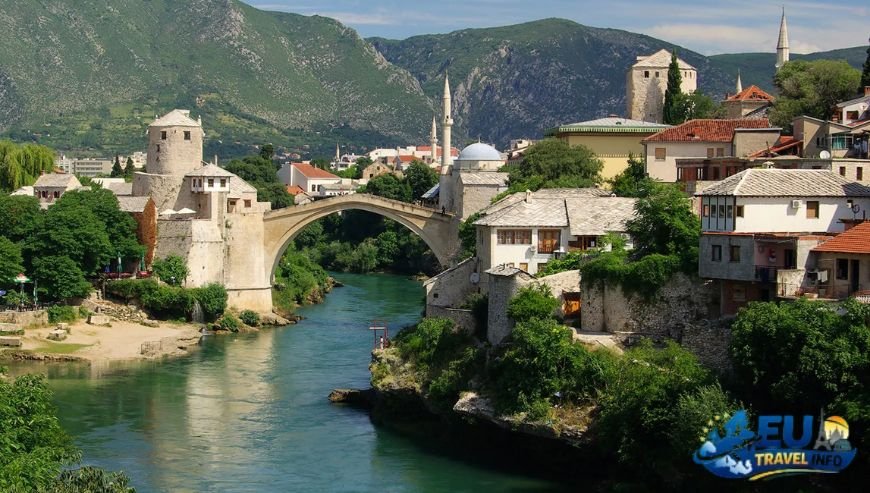
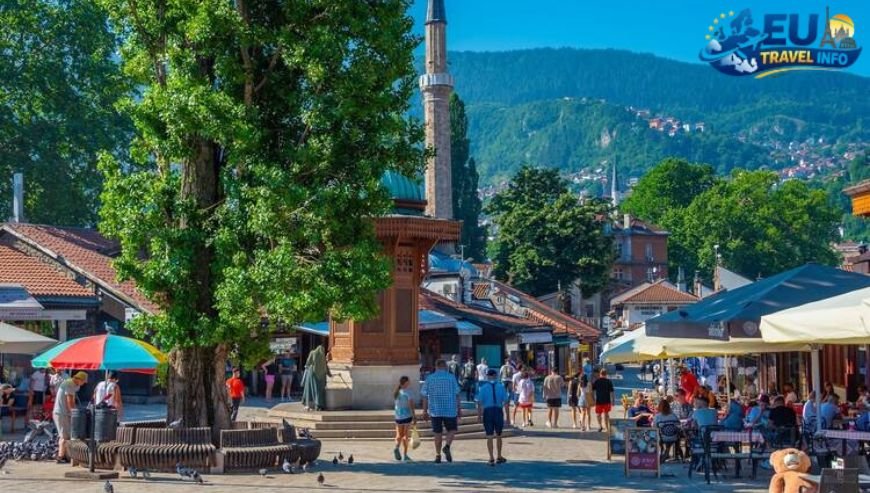
This country is one of the most authentic and affordable adventures I have ever had. I spent about €32 per day here. The capital, Sarajevo, feels like a mix of Ottoman and Austro-Hungarian history. Additionally, I visited the famous bridge in Mostar and even watched people jump from it into the river.
The food is very hearty and similar to a mid-priced coffee shop in Singapore. However, you get table service and very large meals. Therefore, you should check out the local markets to grab fresh produce if you want to cook yourself.
- Average Daily Budget: €32
- Train from Sarajevo to Mostar: $6
- Ćevapi Set with Bread: Under €6–€8
Albania
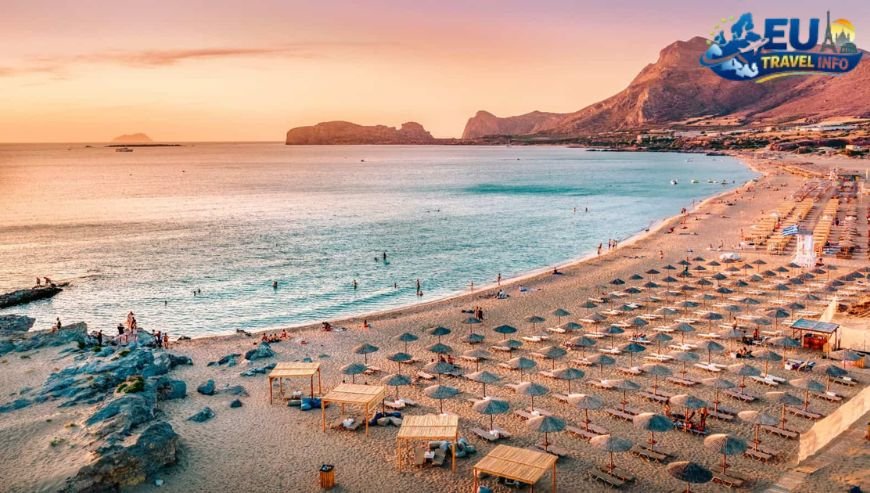
If you are looking for cheap destinations in Europe with beach, Albania is the place. I visited the Albanian Riviera in 2022 and the water was just as blue as in Greece. However, the hotels cost a fraction of the price.
I started my trip in Tirana, the capital, where I explored Skanderbeg Square. Gradually, I moved to the coast to see Saranda and the Ksamil Islands. Plus, it is legal to camp anywhere in Albania, so you can save a lot on hotels if you have a tent.
- Average Daily Budget: €35
- Hostel Cost: $10–$20 per night
- Street Food: $1–$2
Montenegro
I highly recommend spending at least a week here. It borders Croatia but is much cheaper. I loved the Bay of Kotor, a UNESCO site that is over 2,000 years old. Additionally, the national parks like Durmitor have incredible hiking trails and mountain views.
I entered from Bosnia by crossing a rickety old bridge, and the rugged countryside was beautiful. Therefore, you should allow plenty of time to explore the coastline and the inland mountains. Later, I found that visiting in May or September makes accommodation even cheaper.
- Average Daily Budget: €35
- Hostel Cost: $10–$20 per night
- Meal at a Restaurant: $6–$18
Bulgaria
Bulgaria is one of the cheapest countries to visit in Europe 2026. I spent a few weeks here in October and loved the autumn colors in the mountains. First of all, the capital, Sofia, is one of the oldest cities on the continent. You can get coffee and cake there for just £2.
I visited Sunny Beach on the Black Sea coast, which is a popular party spot for young travelers. Additionally, I explored the Belogradchik Fortress to see unique rock formations. Finally, I learned that many festivals in Bulgaria are free to attend.
- Average Daily Budget: €38
- Hostel Cost: $15–$25 per night
- Three-Course Dinner for Two with Wine: Under €35
Romania
Romania is a true bargain and a country close to my heart. I spent about €40 per day here while road-tripping in a camper. However, you can also use their cheap intercity trains. The capital, Bucharest, has the world’s largest parliament building and great cafes.
I visited Bran Castle, which people associate with Dracula. Additionally, the underground salt mine at Salina Turda was a very cool experience. Later, I found out that people are incredibly friendly here. Therefore, you should add this to your list of budget-friendly European countries to visit.
- Average Daily Budget: €40
- Hostel Cost: $15–$25 per night
- Meal at a Restaurant: $7–$21
Hungary
I always go back to Budapest because it is a classic favorite. First of all, the city feels grand with its huge Parliament Building and thermal baths. I took a night river cruise and was shocked that it included free wine for a very low price.
I also explored the ruin bars in the old Jewish quarter, where a beer costs as little as £1.50. Additionally, the city is very walkable, which helps save on transport costs. Plus, flights to Budapest from the UK are often under £50.
- Average Daily Budget: €42
- Hostel Cost: $20–$30 per night
- Two-Course Lunch Menu: €7–€9
Poland
Poland is consistently one of the best value destinations for a city break. I visited Warsaw and Krakow and loved both. Krakow has a beautiful medieval old town and huge food portions. Additionally, you must try pierogi, which are delicious dumplings.
I also took a day trip to Auschwitz, which was a heavy but important experience. Later, I visited a Milk Bar, which is a traditional spot that serves hearty meals for about £5. Therefore, Poland is one of the cheapest cities in Europe for students and budget travelers alike.
- Average Daily Budget: €45
- Hostel Cost: $15–$25 per night
- Meal at a Milk Bar: Around £5
Croatia
Croatia is very popular now, but you can still visit on a budget if you are smart. I once rented a flat near the coast for only £80 a month, but that was back in 2018. However, if you travel during the shoulder seasons like May or September, it is still very affordable.
I loved walking the historic walls of Dubrovnik and seeing the filming sites for Game of Thrones. Additionally, the national parks like Plitvice Lakes have amazing turquoise water and waterfalls. Plus, you can save money by using a tourist pass for attractions in big cities.
- Average Daily Budget: €45
- Hostel Cost: $20–$30 per night
- Meal at a Restaurant: $8–$24
Lithuania
I ended up in Lithuania on a whim and fell in love with it. It is the most affordable of the Baltic countries. The capital, Vilnius, has beautiful cobbled lanes and a great coffee culture. Additionally, I took a short train ride to Trakai Castle, which sits on an island and looks like a fairy tale.
I spent about $40 to $60 per day here. First of all, wild camping is legal in Lithuania, which can save you a lot on accommodation. Similarly, the country has pristine beaches and bustling cities. Therefore, you should spend at least a week here to see it all.
- Average Daily Budget: $40–$60
- Hostel Cost: $15–$25 per night
- Meal at a Restaurant: $8–$24
Latvia
I moved north from Lithuania to reach Latvia, which attracts fewer tourists than other countries. First of all, the capital city of Riga has stunning architecture and a very quaint old town. Prices are low, and you can often have the beautiful parks to yourself.
I also visited Jurmala to relax on the beach and enjoy the sea views. Additionally, Latvia has many spectacular castles like Turaida and Rundale. Later, I found that eating at the central market in Riga is a great way to save money on local food.
- Average Daily Budget: $40–$60
- Hostel Cost: $20–$30 per night
- Meal at a Restaurant: $8–$24
Estonia
Estonia is finally getting the recognition it deserves, and I 100% recommend it. I spent two weeks here and loved the history in the capital, Tallinn. First of all, you should stay in the Old Town to be near the hidden restaurants in the cobblestone streets.
I used a Tallinn Card, which gave me free travel on public transport and free entry to over 50 attractions. Additionally, I visited Lahemaa National Park to see the scenic natural landscapes. Plus, you can take a ferry from Tallinn to reach Finland if you want to keep going north.
- Average Daily Budget: $35–$55
- Hostel Cost: $15–$25 per night
- Meal at a Restaurant: $10–$20
Czech Republic
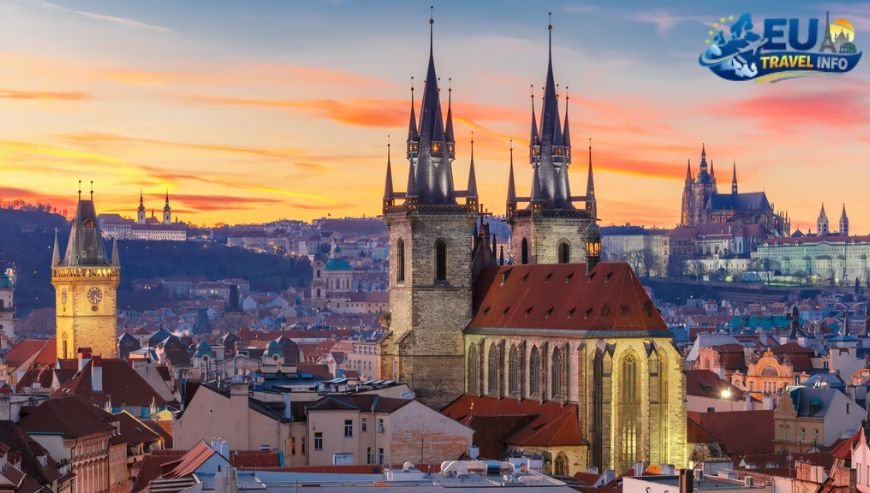
I have visited this country many times since 2016. Though the capital, Prague, has become more expensive, the rest of the country is still very affordable. I love the charm and the beer here, which is some of the best in the world.
I spent my time in Prague walking over the Charles Bridge and exploring the Prague Castle complex. Additionally, I visited Český Krumlov, a fairy-tale town with a spectacular castle. Later, I found that buying bus or train tickets in advance gives you huge discounts.
- Average Daily Budget: $35–$55
- Hostel Cost: $20–$30 per night
- Local Beer: Around $3 outside the center
Slovenia
Slovenia is one of the most beautiful countries in Central Europe. I passed through a few times and loved the emerald green water of Lake Bled. First of all, the capital, Ljubljana, is very tranquil and full of vibrant culture.
I also visited the Postojna Cave Park and the Julian Alps. Additionally, using the Flixbus is an efficient way to get around the country for a low price. Therefore, it is a great alternative to the more expensive Alpine countries like Switzerland.
- Average Daily Budget: $45–$65
- Hostel Cost: $30–$40 per night
- Meal at a Restaurant: $9–$25
Portugal
Portugal proves that Western Europe can still be affordable. I was shocked by how cheap my road trip was here. First of all, the capital, Lisbon, has vintage trams and beautiful tiled streets. Additionally, the Algarve region offers year-round sun and stunning beaches.
I found that avoiding the main tourist spots leads to the best deals on food and hotels. Similarly, many museums in Portugal are free on Sundays. Plus, renting a car is very cheap, allowing you to see regions like the Douro Valley easily.
- Average Daily Budget: $45–$65
- Hostel Cost: $25–$35 per night
- Espresso/Coffee: Around €1
My Top Travel Tips for Your Adventure
I have learned many tricks over the years to keep my costs down on a Budget Friendly Europe Trip. I want you to have the same success.
Take Free Walking Tours
In almost every major city, you can find free walking tours. These are tip-based tours where you pay what you think the tour was worth. I usually give around €10 as a tip if the guide was great. It is a wonderful way to see the main attractions and get tips from a local expert. I have done these in Milan, Prague, and Copenhagen, and they are always worth it.
Eat Like a Local
I avoid eating near major tourist sites because everything is super expensive there. Instead, I follow the local families to find the best spots. Additionally, I visit local grocery stores to grab picnic supplies. I love eating a fresh sandwich and fruit in a beautiful park like the Hofburg Gardens in Vienna. Plus, always pay in the local currency when using a credit card to get the best exchange rate.
Travel in the Shoulder Season
I always try to travel in the spring or fall. Flights and hotels are often over double the price during the peak summer months. I visited during November and found the weather was still incredible but the crowds were gone. Therefore, you can save a lot of money and have a more relaxed experience by avoiding the busy season.
Use Public Transit
I never take taxis or ride-shares if I can avoid it. Public transport is a fraction of the cost and works very well in Europe. I use apps like Google Maps or Citymapper to find my way around the subways and buses. Additionally, I look for day passes which allow unlimited travel for a set number of hours.
Frequently Asked Questions
What is the most affordable European country to visit?
North Macedonia and Bulgaria often top my list for the lowest costs. First of all, North Macedonia has an average daily budget of just €30. Additionally, I found that Bulgarian cities like Sofia offer coffee and cake for only £2.
How much should I budget for a trip to Europe?
It depends on your style, but two people can see four countries in 12 days for under $2,400. However, I found I can live on about $44 a day in Albania. Therefore, you should calculate your costs based on whether you pick cheap or expensive regions.
How to travel Europe in low budget?
Buses like Flixbus or Eurolines save the most money between cities. Plus, you should stay in hostels or use couchsurfing to avoid high hotel prices. You can also save by grabbing fresh food from local markets for a picnic.
Is 1000 euros enough for 2 weeks in Europe?
Yes, it is enough if you visit the Balkans or Poland where you spend around €30 to €45 a day. Therefore, you will have plenty left for bus tickets and cheap hostels. On the contrary, that same amount will not last long in Switzerland or Norway.
Where is still cheap in Europe?
Places in Eastern Europe like Moldova, Romania, and Albania are still very affordable. Additionally, Portugal is a great deal for Western Europe because coffee and beer are very cheap there. Plus, Serbia remains a hidden gem with huge food portions for low prices.
How can I plan a budget-friendly itinerary?
First of all, you should pick only two or three major sights per week so you do not rush and waste money. Similarly, you should use apps like Citymapper or Google Maps to find the cheapest transit routes. Also, you should check for free museum days before you go.
How much does a 7 day Europe trip cost?
In a cheap spot like Bulgaria, you might only spend around $245 for a whole week. On top of that, airfare from the UK to places like Sofia or Seville can be as low as £20. It is a bargain compared to the cost of staying in London.
What is the best time of year to visit Europe?
The shoulder seasons of spring and fall offer the best mix of low prices and nice weather. However, you can find even cheaper rooms if you go in the winter, though it will be cold. Plus, avoiding the summer heat waves will make your walking tours more comfortable.
Is $100 a day enough in Europe?
It is more than enough for many countries like Serbia, Romania, and Hungary where you only need €30 to €42 daily. Therefore, $100 a day allows for more comfort or extra activities. You can even afford a nice sit-down dinner in Krakow for that amount.
What is the cheapest month to fly to Europe?
The off-season months like November or early spring are usually the cheapest. Gradually, prices go up as you get closer to the busy summer months. You will save a lot of money if you have the flexibility to travel when others are at work.
How to plan your first Europe trip?
You must book your flights early and choose a Eurail pass if you want to see many countries. Finally, you should use free walking tours on your first day in each city to get local advice. It is the best way to feel like a local quickly.
What is the cheapest holiday destination in Europe?
Sofia in Bulgaria is one of the oldest and cheapest cities to stay in. Similarly, the Albanian Riviera offers beautiful beaches for a tiny fraction of the cost of Greece. Also, Krakow offers incredible value for history lovers.
Is 2000 enough for 2 weeks in Europe?
It is definitely enough for a single traveler or even a couple if they stay in budget spots. On top of that, I managed a 12-day trip through four countries for under $2,400 recently. You can do it if you watch your spending on food and transport.
Is $5000 enough for a vacation?
Yes, that is a very high budget for a European trip if you follow my tips. You could travel for many weeks or stay in much nicer places with that amount. Therefore, you can have a very long and luxurious adventure across the continent.
Concluding words
I have shown that seeing Europe on a budget is possible for anyone with a bit of planning. First of all, you should focus on affordable countries in the East like Bulgaria and Romania. Additionally, using buses and local markets will keep your costs very low. Europe is a beautiful place, and you do not need a fortune to enjoy its history and beaches. Finally, just stay curious and use my tips to make your dream trip happen in 2026.