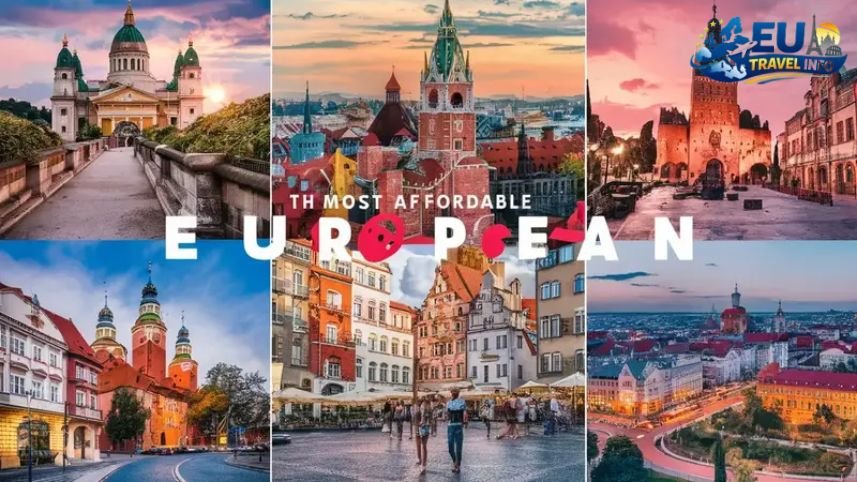
Many people think a trip across the ocean to Europe requires a massive bank account. I used to think that too. However, I have visited over half of the countries on that continent and I can tell you that Budget Friendly European Vacations are totally possible. You can find places where you spend less than $100 a day. Some of the top 10 cheapest countries to visit in europe will surprise you with their beauty. I have seen the same sunset over the Mediterranean for a fraction of the price others pay in France or Italy. You just have to know where to look.
First of all, I want to share my secrets for finding the cheapest countries to visit in europe 2026. I have learned that the east is often much more affordable than the west. These nations have rich history and amazing food. Additionally, they are not always packed with huge crowds. I will guide you through 17 amazing spots that will keep your wallet happy.
The Hidden Beauty of Georgia
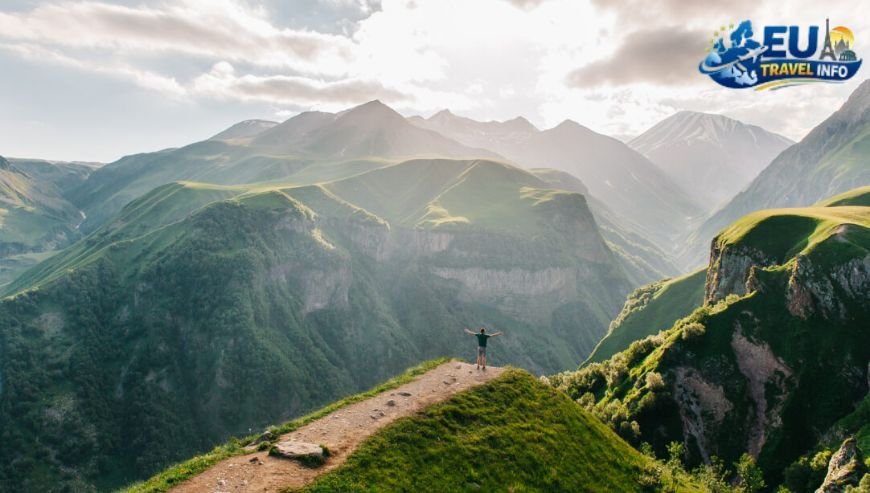
I start with my absolute favorite hidden gem. Most people do not even realize this country is in Europe. Georgia is located in the Caucasus region and offers some of the most beautiful landscapes in the world. I found the people here to be incredibly welcoming.
The costs in Georgia are shockingly low. For a budget trip, you should plan on a ballpark of $45 to $70 per day. I spent an entire day visiting the Okatse and Kinchkha Canyons for just $25 total. That price even included a generous tip. Tbilisi is the capital city. It has very old churches right next to modern glass buildings. You should also head to the mountains. The Gergeti Trinity Church in Stepantsminda is a sight you will never forget.
Albania and Its Pristine Coast
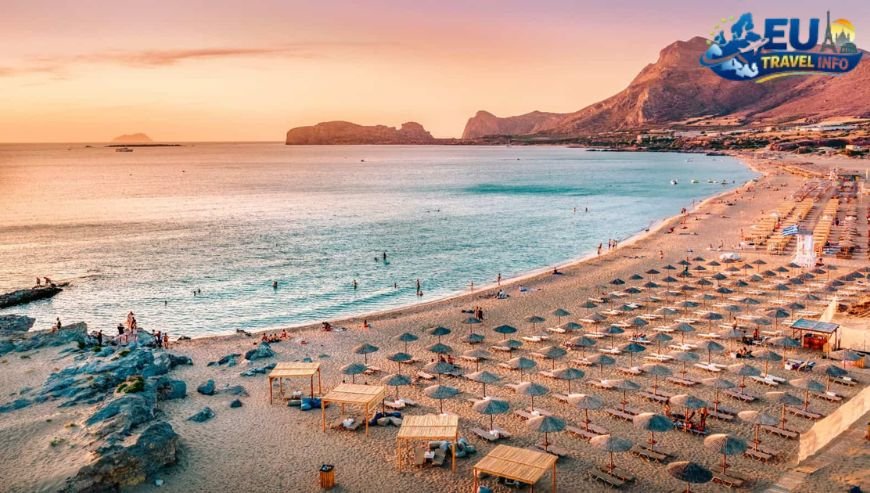
Albania is starting to become a popular spot in the Balkans. It is about time! I think it is one of the cheap destinations in europe with beach access that feels like a secret. You can find crystal clear blue waters on the Albanian Riviera. I recommend staying in an Airbnb like a beach house instead of a big resort to save money.
The daily budget here is very manageable at $30 to $50. Additionally, it is legal to camp anywhere in Albania. This can save you a lot of money if you have a tent. The town of Berat is a UNESCO World Heritage site and it is perfect for history lovers. Later, you can drive south past the city of Vlore for breathtaking views of the cliffs and sea.
North Macedonia: The Great Hidden Gem
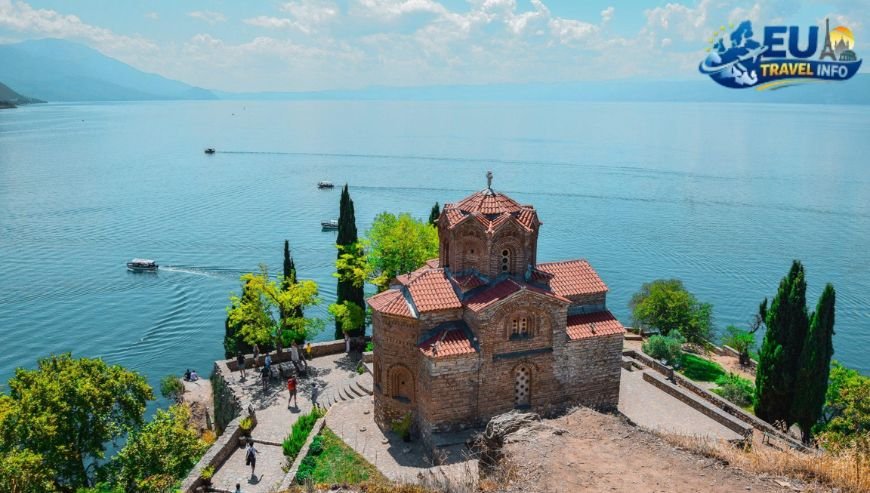
I simply could not believe I had heard so little about this country before I went there. It is perhaps the biggest hidden gem in Europe. It has no coast, but it has beautiful lakes and towering mountains.
You can live on about €30 a day here. Skopje is the capital and it is full of recent history. I did a free walking tour there and learned about its independence and its connection to Mother Theresa. Also, you must visit the town of Ohrid. It sits on one of the oldest and deepest lakes in Europe. It is a very peaceful place to spend a week.
Serbia and the Spirit of Belgrade
Serbia is one of the most underrated travel spots on the continent. Most travelers start in Belgrade. This city is defined by the Danube and Sava rivers. You should walk through the Kalemegdan Fortress where the two rivers meet. It is completely free and offers one of the best sunset views in the region.
A budget traveler should plan on spending $60 to $85 per day. The city feels authentic and not too touristy. I loved the strong cafe culture. Locals spend hours simply sitting and talking. On top of that, the nightlife is famous and very budget friendly.
Bosnia and Herzegovina: Off the Beaten Track
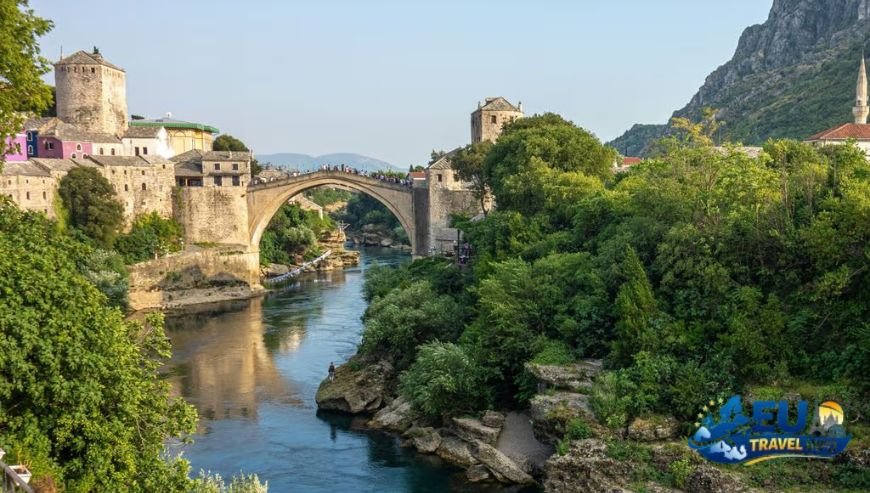
This is one of the more off-the-beaten-track destinations in Europe. It has a complicated history but so much to offer. I visited the city of Mostar and watched people jump off the famous bridge.
The recommended budget is $45 to $65 per day. You can take one of the most beautiful train rides in the world between Sarajevo and Mostar for just $6. Additionally, the markets are great places to grab cheap food if you want to cook for yourself. This makes it one of the cheapest cities in europe for students or anyone on a tight budget.
Bulgaria: Mountains and Affordable Skiing
Bulgaria is where ancient history and dramatic landscapes come together. Sofia is the capital. It offers Roman ruins and massive Orthodox churches. You can even hike the Vitosha Mountain just outside the city for fresh air and great views.
If you like winter sports, Bansko is a top destination. It offers £1 beers and slope access for under £50 a day. You can rent equipment for about £15 a day. Therefore, it is a great alternative to the expensive Alps. In the summer, you can find some of the best beaches in Europe along the Black Sea. A daily budget of $65 to $95 is usually enough.
Romania and the Legend of Dracula
Romania is a country that is very close to my heart. I road-tripped there for three weeks. It is easily one of the cheapest places to visit in Europe. You can explore the region of Transylvania, which is home to medieval towns and stunning castles.
You should plan for $75 to $115 per day. I highly recommend driving the Transfăgărășan Road. It is considered one of the most scenic drives in the world. On top of that, the Palace of the Parliament in Bucharest is the second largest building in the world. It took me 45 minutes just to walk around the outside of it.
Hungary: Baths and Architecture
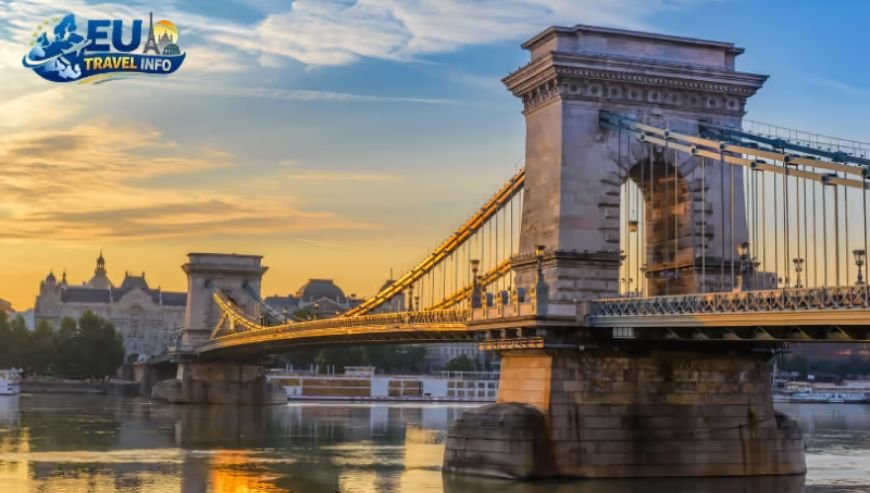
Hungary offers a perfect mix of culture and relaxation. Budapest is one of the most elegant cities in Europe. You can cross historic bridges and explore the Buda Castle. One of the most unique things to do is visit the thermal baths. This tradition goes back to Roman times.
Daily costs are around $75 to $110. Return flights from the UK are often under £50. You can enjoy a pint of local beer for as little as £1.50 in the famous ruin bars. This makes Budapest one of the cheapest european cities for food and drink. Plus, the public transport is very low cost.
Poland: History and Heart
Poland is bursting with charm and natural beauty. I could promote this country endlessly. Krakow is a vibrant city with amazing nightlife and restaurants on every corner. You should also visit the Wieliczka Salt Mine. It is an underground city that is truly unique.
A budget of $65 to $95 per day is standard here. I found traditional “Milk Bars” where you can get a hearty meal for around £5. This is one of the cheap europe trips for students because the prices are so low compared to the west. Additionally, the Tatra Mountains in the south offer stunning alpine lakes and peaks for hikers.
Montenegro: The Dramatic Coast
Montenegro is one of the most visually dramatic countries in Europe. The Bay of Kotor looks like a fjord surrounded by steep mountains. Walking through the old town feels like stepping back in time.
You should budget $95 to $140 per day. However, you can save money by visiting in May or September when accommodation is much cheaper. Durmitor National Park is perfect for hiking and seeing the Tara Canyon. It is one of the deepest canyons in Europe. Montenegro gives you old-world charm without the high prices of neighboring Croatia.
Lithuania: Creative and Relaxed
Lithuania is often overlooked but it is very scenic. The capital, Vilnius, has a charming old town and creative districts. I spent five nights there and loved the relaxed atmosphere.
The daily budget is about $40 to $60. Wild camping is legal here. That can save you a ton of money on hotels. You can wander around old castles and explore the history for very little money. It is a great place for a road trip in a campervan.
Latvia: Quaint and Quiet
If you want a quiet escape, head to Latvia. It does not attract as many tourists as other parts of Europe. Therefore, the prices are much lower. Riga is the capital. It has stunning architecture and a bustling central market.
You can get by on $40 to $60 a day. I recommend visiting Gauja National Park for its nature and castles. You can even relax on the beautiful beach in Jurmala. It is an action-packed place to visit if you stay for at least a week.
Estonia: Medieval and Modern
Estonia is finally getting the recognition it deserves. The capital city is Tallinn. It is located right on the Gulf of Finland. I recommend staying in the Old Town. There are many small restaurants hidden in the cobblestone streets.
Budget travelers should plan for $35 to $55 per day. The Tallinn Card is a great deal. It gives you free public transport and entry into over 50 attractions. On top of that, the national parks like Lahemaa are very scenic.
Czech Republic: Beyond the Capital
The Czech Republic is still very affordable for travelers. However, Prague can be more expensive than the rest of the country. You can walk over the Charles Bridge and explore the Old Town Square for free.
The daily budget is $35 to $55. I suggest heading to Bohemian Switzerland National Park. It has the largest rock arch in Europe. Additionally, the beer scene is world-famous and very wallet friendly. It is a solid pick for those looking for culture on a budget.
Slovenia: Green and Walkable
Slovenia often surprises people. It looks expensive because it is so clean and beautiful, but it really is not. The capital, Ljubljana, is small and green. You can walk along the river and take a cable car to the castle for great views.
Plan on a ballpark of $90 to $130 per day. Lake Bled is the most famous spot. It has an island church and a castle high above the water. You can swim there in the summer or hike to nearby viewpoints. It feels like a nature lover’s dream without the heavy crowds.
Portugal: Small Towns and Local Flavor
Portugal is one of the most budget-friendly destinations in Western Europe. With smart planning, you can travel comfortably on about €50 a day. I suggest avoiding the expensive tourist traps in Lisbon. Instead, head to small towns like Evora or Tavira.
Local cafes sell espresso for less than €1. A hearty lunch often costs just €8 to €10. Additionally, the trains and buses are affordable and scenic. You can cross most of the country for under €20. Plus, Portugal has a special charm that does not rely on luxury.
Greece: Ancient History and Island Magic
Greece is a must-see for its history and vibrant culture. Athens is surprisingly affordable year-round. You can visit the Acropolis and many museums offer free or discounted days. Street food like gyros is extremely cheap and delicious.
For a budget trip, plan on $120 to $170 per day. I recommend avoiding the very crowded islands like Santorini. Instead, try Karpathos or Lefkada. You can find apartments for as little as $30 per night on some islands. Greece is one of the 12 cheapest countries to visit in europe if you travel like a local.
Pro Tips for Your European Adventure
Gradually, I have learned that how you travel matters as much as where you go. Here are some of my best tips for keeping costs down.
Smart Accommodation Strategy
Do not consume above your needs. A three-star hotel might cost $50 extra for things you do not need, like an elevator or a uniform-clad staff. I prefer smaller guesthouses. They often offer free Wi-Fi and a more personal touch. Additionally, do not dismiss bathrooms down the hall. Some older guesthouses have private bathrooms that are not attached to the room. You can save about $20 a night just by crossing the hall to shower.
Eating and Drinking on a Budget
First of all, skip the hotel breakfast unless it is included for free. You can find a much cheaper meal at a local bakery or supermarket. Also, look for the “lunch menu” or prato do dia. These are often 40% cheaper than dinner menus. Similarly, drinking tap water is safe in most European cities. Bring a reusable bottle to avoid paying for expensive water at kiosks.
Mastering Transportation
Traveling by train is one of the best ways to see the continent. If you plan to visit many countries, get a Eurail Pass. It covers travel in 33 countries. However, if you are only staying in one place, a One Country Pass is better. Additionally, book your trains 5 to 8 days early to get discounts of up to 50%. For longer routes, budget airlines like Ryanair or EasyJet can be even cheaper than the bus.
Tipping Like a Local
Do not stress over tipping. It is not as automatic or as generous as it is in the United States. In many countries, a tip of 5 percent is plenty. Often, you can just round up the bill to the next euro. Please believe me, tipping 20 percent is unnecessary and can even be seen as strange.
Looking Forward to 2026
Finally, I want to talk about what to expect in the coming year. The cheapest countries to visit in europe 2026 will still offer great value, but prices are changing.
Economic Trends
Global inflation is expected to ease slowly. Hotel rates are forecast to rise by about 4.9% globally in 2026. In Europe, that rise might be around 5.4%. However, airfares are only expected to go up by 1.1%. Therefore, flying between cities might still be very cheap.
New Rules for Travelers
A new system called ETIAS should appear in 2026. This is a digital pre-authorization for many travelers to Europe. It will add a small fee and a bit of paperwork, so be prepared. Also, keep an eye on large events. The 2026 FIFA World Cup will be in North America, but European cities often host big summits that can spike hotel prices.
Real Estate and Long Term Stays
Some people love these places so much they want to stay forever. If you are looking for the cheapest european countries to buy a house, look at rural areas in Spain or Portugal. I know people who bought homes in Southern Spain for less than half the price of a home in the UK. These areas often have great weather and a developed community of expats.
Why You Should Go Now
Europe attracts more tourists than any other continent for a reason. It has history that goes back three thousand years. You can see the rise and fall of empires in the architecture. On top of that, the food is incredibly diverse.
The best advice I can give is to be curious. Step out of your comfort zone and wander into the quiet corners. Savor the local cuisine in a small-town bistro. Listen to local stories. By doing this, you become part of the living history.
You do not need a fortune to have an extraordinary journey. With a flexible itinerary and an open mind, you can explore the heart and soul of Europe. Pack light, travel slow, and spend your money on experiences that stay in your heart. Europe is ready to surprise you. One charming town and one budget-friendly adventure at a time.
FAQ
Where is the cheapest place to vacation in Europe?
North Macedonia and Serbia are among the cheapest options, with average daily budgets as low as €30. Georgia is also highly recommended for low costs, with daily budget estimates ranging from $45 to $70.
Which European country is the most budget-friendly?
North Macedonia is cited as an ultra-cheap destination, while Albania and Serbia offer some of the most affordable food and free beach access on the continent. Georgia remains a top pick for its overall low daily expenses.
Where to go for a 3 day trip to Europe?
Prague is a consistent favorite for short getaways due to its walkable medieval streets and impressive culture. Sofia is another excellent choice, offering a mix of historic ruins and easy day trips to nearby mountains.
Where is the best affordable city break in Europe?
Budapest and Krakow are standout choices that provide incredible value by combining rich history and vibrant nightlife without the high price tags found in Western Europe. Valencia is also a great budget alternative to more expensive coastal cities like Barcelona.
What’s the cheapest month to go to Europe?
Traveling during the winter season (November to March) offers the lowest costs, with accommodation rates typically 20% to 30% lower than standard prices.
Which country is best for travel in low budget?
Albania and Georgia are ideal for low budgets, offering inexpensive street food and relatively low costs for essential activities. North Macedonia also rewards budget travelers with very low tourist prices.
How to travel Europe in low budget?
Utilize discount airlines, book train tickets 5–8 days in advance for local routes or months early for long distances, and focus on eating street food or shopping at local markets. Staying outside city centers and choosing smaller guesthouses can also save 30% to 40% on accommodation.
What is the cheapest and safest country to visit?
Portugal is recognized as one of the most budget-friendly destinations in Western Europe and consistently ranks among the safest countries for solo travelers. Slovenia is also noted for being green, safe, and surprisingly affordable.
Is $100 a day enough in Europe?
Yes, $100 a day is more than enough in many budget-friendly countries where expenses can be kept under $50. In countries like Poland or Serbia, $100 a day would even allow for a mid-range to high comfort experience.
What are the top 3 tourist destinations in Europe?
France is the most popular destination in the world, while Greece and Italy are also among the most visited countries for their significant cultural heritage and climate.
Which country is best for 3 days?
Portugal is excellent for short trips because its small towns and scenic train routes allow for an authentic experience without needing to rush. The Czech Republic is also a top choice for quick city visits to Prague.
How much does a 7 day Europe trip cost?
A budget-friendly 7-day trip to a country like Portugal can cost approximately €350 to €400 in total, covering all essentials.
What are the top 5 most visited cities in Europe?
Paris, London, Rome, Amsterdam, and Barcelona are listed as some of the most iconic and highly visited city destinations.
How can I plan a budget-friendly itinerary?
Focus on small towns where prices for food and hotels drop significantly, and prioritize two to three major sights per week to avoid the high costs of rushing through multiple destinations. Using free walking apps and visiting museums on free admission days also helps stretch a budget.
Which city is the cheapest to fly to Europe?
High flight volumes often keep airfares to Barcelona and Budapest among the lowest for travelers flying from major UK hubs.
Concluding words
Europe offers a wealth of budget-friendly vacations that range from the historic medieval streets of Krakow to the breathtaking mountain landscapes of Georgia. By venturing to Central and Eastern European gems, travelers can enjoy thermal baths, world-class architecture, and delicious local cuisine at a fraction of the cost found in traditional hotspots. Utilizing smart strategies—such as traveling in the off-season, booking transport in advance, and seeking out free cultural attractions—ensures an enriching and affordable adventure.