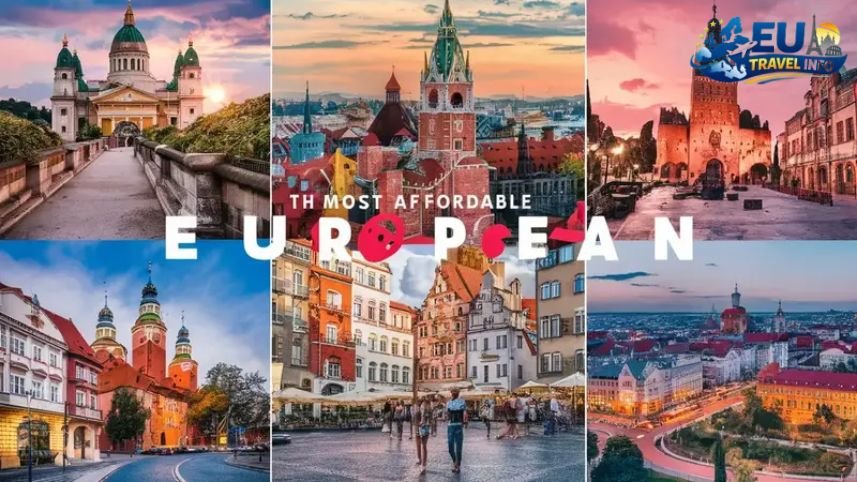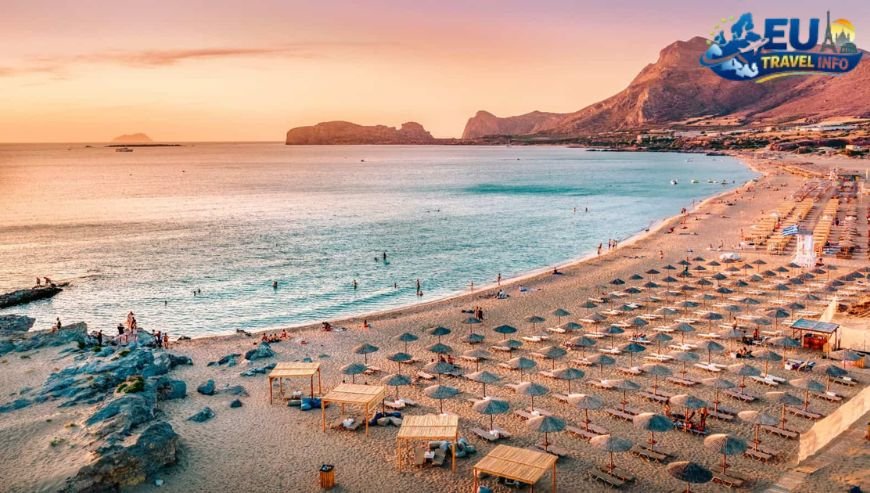
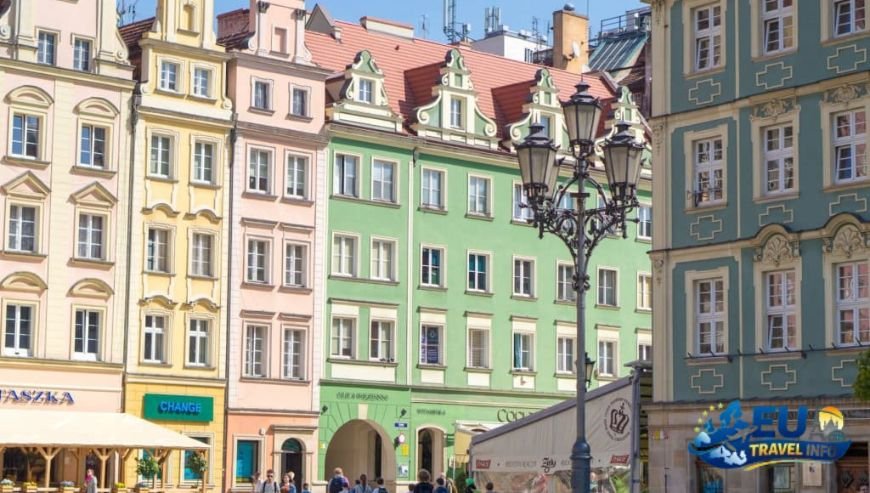
I have spent years exploring the winding roads of Central Europe and the Balkans. I have often managed to travel for less than €50 a day. Sometimes, I have even spent less when I slowed down the pace. My travel dreams have stayed strong despite the global economy. Europe remains as magical as ever. No recession can change that. I have learned that playing your cards right and spending less actually lowers the barrier between you and the local culture.
This guide is for those who want to see the stunning European castles, pristine beaches, and charming old towns without draining a bank account. I have visited these places between 2016 and 2024. Now, I am looking ahead to budget travel europe 2025 and 2026.
Here is my first-hand look at the 16 best budget travel Europe destinations and how to navigate them.
The Balkan Frontier: Where Your Money Stretches Furthest
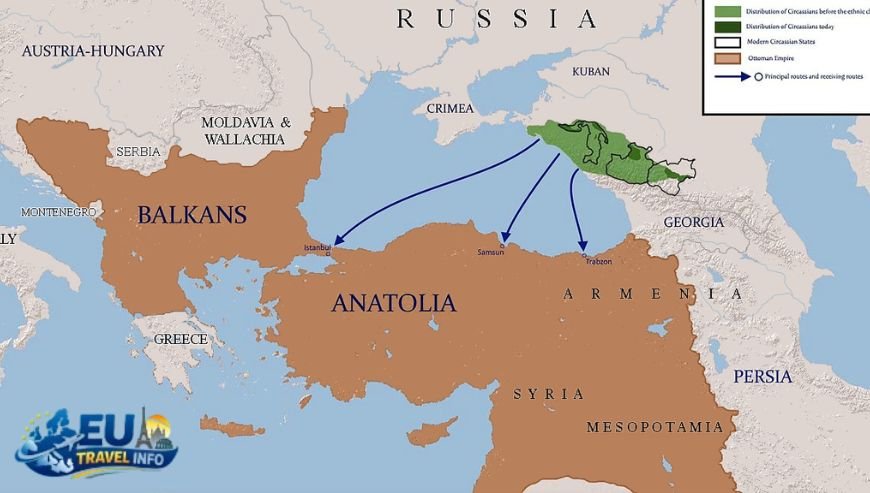
The Balkan Peninsula is a primary strategic objective for the budget traveler. This region offers Ottoman-era bazaars and Mediterranean coastlines. The price points here are 50% to 70% lower than those in Italy or Greece.
Albania: The Secret Adriatic Pivot
Albania was a huge surprise for me when I first visited in 2022. It is one of the most beautiful and cheap travel europe options. The Albanian Riviera rivals the Greek islands for beauty. However, it costs a fraction of the price.
- Tirana: The capital is a perfect starting point. It has the National History Museum and Skanderbeg Square.
- Korca: I stayed in a beautifully renovated apartment here for an exceptional value. Hotels can be found for as low as €30 per night. This city has a youthful energy due to a local university.
- Gjirokastra: This is a UNESCO site with stunning Ottoman architecture. You can find rooms starting from €25.
- Budget Tip: It is legal to wild camp anywhere in Albania. You can save plenty of money if you have a campervan or a tent.
North Macedonia: The Ultimate Budget King
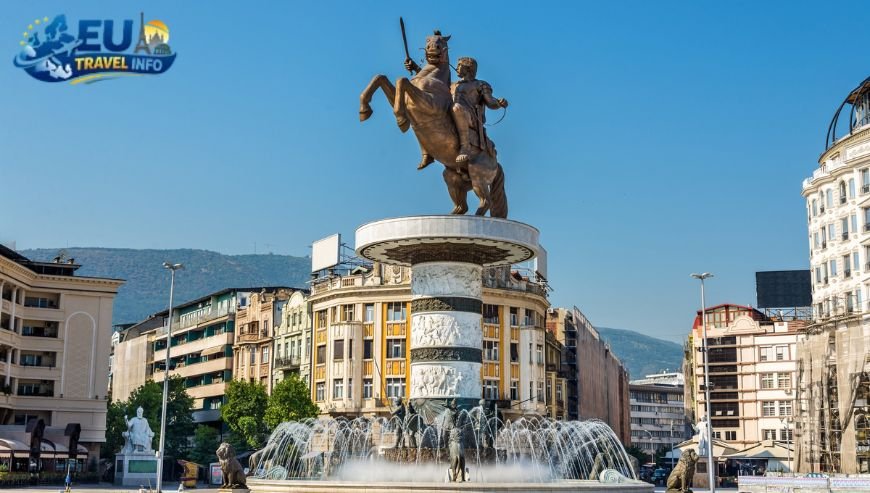
I consider North Macedonia to be the biggest hidden gem in Europe. It is yet to be hit by hordes of tourists. Gradually, I realized it is the perfect place for a budget europe travel service seeker.
- Skopje: The capital is weird and wonderful. It has quirky neoclassical architecture and a traditional Old Bazaar. A budget apartment costs about €35, and a great meal is only €5-10.
- Lake Ohrid: This is one of the oldest and deepest lakes in Europe. In the off-season, you can find waterfront apartments for as little as €25 per night.
- Stats: The monthly living expense for a traveler in Skopje is roughly €1,160.
Bosnia and Herzegovina: Cultural Density on a Dime
Sarajevo remains remarkably affordable. It is a city that does not demand you spend money. You can wander the streets for hours and never get bored.
- Sarajevo: I recommend joining a free walking tour to learn about the history. You can fill up on traditional burek for less than five euros.
- Mostar: Do not miss the famous bridge. You can take a train from Sarajevo to Mostar for just $6 through epic scenery.
- Costs: Hostel beds are often available for less than $10. Meals range from $3 to $5.
Serbia: Gritty, Vibrant, and Fairly Priced
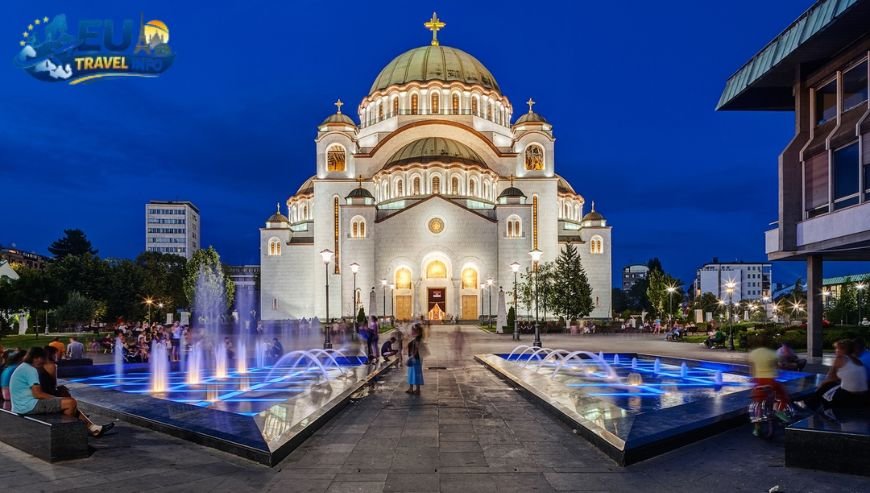
Serbia is one of the least-visited countries in Europe. Therefore, you do not have to battle crowds. First of all, the nightlife in Belgrade is world-class.
- Belgrade: The capital combines Ottoman and Austro-Hungarian influences. A pint of beer averages around €2.00.
- Novi Sad: This city has the Petrovaradin Fortress and is great for festivals.
- Daily Budget: You can maintain a lifestyle here for about $40-60 per day.
Montenegro: Breathtaking National Parks
Montenegro packs incredible natural diversity into a small space. While the coast is popular, the rugged inland is where the value lies.
- Kotor: This old town is a UNESCO World Heritage site and is over 2,000 years old.
- Durmitor National Park: It offers alpine scenery at a fraction of the cost found in Switzerland.
- Temporal Strategy: If you visit in May or September, accommodation prices are much lower.
Central and Eastern Europe: History Meets Value
Romania: The Land of Medieval Castles
Romania is close to my heart. I road-tripped here for three weeks in a camper. It offers world-class historical experiences at budget-friendly prices.
- Bucharest: The capital has the world’s largest parliament building. It is often cheaper to fly a group here and stay for a weekend than to spend one night in the UK.
- Brasov and Sibiu: These are stunning medieval towns in the heart of Transylvania.
- Arbitrage: Monthly expenses for a comfortable life in some Romanian cities can be as low as $935.
Poland: Modernity and Resilient Pricing
Poland is one of the most up-and-coming tourist destinations. It is an increasingly modern and exciting place to be. However, it lacks the hefty price tags of its neighbor, Germany.
- Krakow: The Main Market Square is iconic. I spent a week here as my first solo trip and felt very safe.
- Wroclaw and Gdansk: These cities offer affordable boutique hotels even at the higher end.
- budget travel europe winter: Christmas is a great time to visit because the markets are incredible.
Hungary: Beyond the Thermal Spas
Hungary is one of the cheapest countries in Europe. This is thanks to free attractions and budget set-menu lunches. On top of that, the thermal baths are a unique experience.
- Budapest: Renowned for vibrant nightlife and “ruin bars”.
- Szeged and Pecs: These smaller cities offer remarkable value. Szeged has famous thermal baths without the crowds of the capital.
- Linking phrase: Similarly, Pecs offers a Mediterranean vibe and Roman history.
Slovakia: Alpine Value and Street Food
Slovakia sits on the higher end of budget destinations but remains cheaper than its neighbors. Later, I found the true value lies in the east.
- Bratislava: It is considerably cheaper than Vienna or Prague if you eat in budget restaurants.
- Kosice: This city offers a more affordable experience than the capital.
- Nature: The High Tatras mountains offer some of the most affordable mountain adventures in Europe.
Bulgaria: The Crossroads of Culture
Bulgaria consistently ranks as having the lowest price levels in the EU. Additionally, it will join the Eurozone on January 1, 2026.
- Sofia: Entire nice apartments used to go for €15 per night. They are more now but still very affordable.
- Bansko: This has established itself as a premier budget travel europe winter destination for skiing.
- Plovdiv: It has a beautiful old town and ancient ruins.
Czech Republic: Charm Beyond Prague
The majority of the country is extremely affordable. Plus, there is a lot of charm and culture.
- Prague: While more expensive than other cities, it is still cheaper than Paris or Zurich.
- Cesky Krumlov: A magical city that feels like a fairy tale.
- Beer: The selection of bars is among the best in the world.
The Baltic States and The Mediterranean
Lithuania: The Most Affordable Baltic
Lithuania is the most affordable of the three Baltic States. Gradually, travelers are realizing its potential.
- Vilnius: A great walking city with many free sights like Cathedral Square. Basic hotels start at €45.
- Kaunas: Perfect for a weekend break with interesting day trips to the Hill of Crosses.
- Daily Budget: I recommend a budget of $40-60 per day.
Latvia: Quaint Architecture and Low Crowds
Latvia does not attract nearly as many tourists as other destinations. Therefore, you often have places to yourself.
- Riga: The capital has stunning Art Nouveau architecture.
- Jurmala: A beach resort where you can relax with epic sea views.
- Savings: You can find many free parks throughout the country.
Estonia: Medieval Magic
Estonia is finally starting to get the recognition it deserves. Similarly, it is well-connected to its neighbors.
- Tallinn: Stay in or near the Old Town. There are delightful small restaurants hidden among the cobblestone streets.
- National Parks: Lahemaa and Soomaa offer scenic natural landscapes.
Portugal: Budget Bliss in the West
Portugal is no longer as cheap as it once was. However, it still offers more bang for your buck than most of Western Europe.
- Porto and Lisbon: These are iconic. Avoid the most touristy spots to save money.
- Hidden Gems: Cities like Viseu and Castelo Branco offer cheap monthly rentals.
- budget europe travel destinations: The Algarve remains a beautiful spot for coastal exploration.
Spain: Tapas and Sun
Spain has always been incredibly cheap despite being a developed economy. On the contrary, popular spots like Barcelona can be pricey.
- Valencia and Seville: These cities offer incredible history and food.
- Granada: You can find free tapas in many bars when you order a drink.
- budget european travel february: Southern Spain is great for escaping the winter chill.
Daily Budget Projections: 2025–2026
The following table provides a comparison of daily expenses across different regions.
| Region | Backpacker Budget (Daily) | Mid-Range Budget (Daily) |
| The Balkans | €30 – €45 | €60 – €80 |
| Central Europe | €45 – €65 | €90 – €120 |
| The Baltics | €40 – €60 | €80 – €110 |
| Western Europe | €70 – €100 | €130 – €180 |
| Scandinavia / Alps | €120+ | €200+ |
Strategic Transportation: Getting Around Cheaply
There is no one way to travel around Europe. The best way is to mix and match your methods.
- Bus Travel: Intercity buses are often the cheapest way. FlixBus has routes starting as low as €5. They include Wi-Fi and electrical outlets.
- Budget Airlines: Carriers like Ryanair and Wizz Air offer fares for as little as €15. Finally, be careful with baggage fees. They can be more expensive than the ticket.
- Eurail Pass: A rail pass gives you freedom and flexibility. It is the best option if you plan to travel a lot and do not want to fly.
- BlaBlaCar: This is a ride-sharing service. It lets you meet a local and save money on gas. It is often faster than the bus.
- Rental Cars: Renting a car is great for exploring the countryside. However, cars are costly headaches in big cities.
Accommodation: Where to Sleep for Less
I have found that budget friendly does not always mean a hostel dorm.
- B&Bs and Guesthouses: These offer double the warmth and cultural intimacy for half the price of a hotel. Look for the local word, such as Sobe in Slovenia or Gästezimmer in Germany.
- Budget Hotels: Traditional, family-run hotels offer “good-enough” beds for around $100 a night.
- Alternative Options:
- University Rooms: Available during academic breaks in cities like London and Oxford. Prices can start from £10.
- House-sitting: Caring for homes and pets while owners are away. This is a free retreat in a new part of the world.
- Champing: This is “church camping”. You can stay a night in a historic rural church in England for £60.
New Rules and Taxes in 2026
You must be aware of new administrative costs starting in 2026.
- ETIAS: This is a new travel authorization for visa-exempt travelers (like those from the US or UK). It will cost €20 and last for three years.
- Entry/Exit System (EES): By April 10, 2026, non-EU travelers will have biometric data recorded at borders. Manual passport stamps will stop.
- Tourist Taxes:
- Venice: Reintroduces a day-tripper fee of €10 on peak days in 2026.
- Rome: A new €2 fee will be required to access the Trevi Fountain area.
- Edinburgh: A 5% levy on room prices will begin in July 2026.
- Netherlands: VAT on hotels increases from 9% to 21% in January 2026.
- Museum Fees: The Louvre in Paris is increasing its entry fee to €32 for non-EU visitors.
Tips for Managing Your Daily Expenditure
I have learned many thrifty habits over the years.
- Eat with the Season: You will get more taste for less money. Italians love their porcini mushrooms and Germans go crazy for white asparagus.
- The Picnic Strategy: Buying local ingredients like bread, cheese, and meat from a supermarket can provide a gourmet meal for €5.
- Use ATMs: You will get your cash faster and cheaper than travelers’ checks. However, always select local currency when prompted by an ATM. Never choose your home currency; the exchange rate is predatory.
- Walk Everywhere: Most European cities are a joy to wander. It saves on travel costs and helps you find hidden gems.
- Travel during Shoulder Season: April to May and September to October are the golden windows. I often save 40-60% on hotels this way.
Planning a multi-country trip across Europe can feel overwhelming. gradually, everything clicks into place. If you choose the right destinations and stay flexible, you can see more and spend less. Your European adventure can become a reality sooner than you think. Have a wonderful trip!
Frequently Asked Questions
I have gathered these common questions to help you plan. These details will make your next trip easier.
- What is the most affordable European country to travel to?
- North Macedonia is the most affordable country for your money. It is a hidden gem. A real bargain. A daily budget of €30 often covers your basic needs, such as local transport and simple meals.
- How much does a budget friendly trip to Europe cost?
- Budget travelers usually spend between €50 and €80 per day. Gradually, I found that costs can drop to €30–€45 in the Balkan region. However, costs in Western Europe are higher and range from €70 to €100.
- Is 1000 euros enough for 2 weeks in Europe?
- Yes, this amount is enough for a two-week stay. You can manage this if you stay in hostels and use buses to get from city to city. Therefore, you must watch your spending on extras.
- Is $100 a day enough for Europe?
- It is more than enough for a budget traveler. Additionally, it provides a comfortable experience in many Eastern European cities. Plus, mid-range travelers often spend between $100 and $150.
- What is the cheapest month to travel to Europe?
- The months from November through March are the cheapest for travel. However, some places might be cold or dark at that time. Similarly, you can find good value in the shoulder seasons of April and October.
- What is the cheapest and safest country to visit?
- Poland is a great choice because it is very safe and affordable. I felt very secure in Krakow. Similarly, countries like Albania offer low prices and beautiful natural views.
- What are the 7 countries Europe trip?
- A popular seven-country route includes Portugal, Spain, France, Italy, Switzerland, Austria, and Germany [313, 323–325]. This path follows a logical loop from west to east.
- How to visit Europe cheaply?
- First of all, you should book your flights at least 6 to 8 months early. Additionally, you can stay in luxury hostels or guesthouses. Plus, you can use FlixBus or low-cost trains to save on travel.
- Is $5000 enough for a vacation?
- This is a large budget for most travelers. You can travel for many weeks or enjoy more mid-range comfort with this much money. On the contrary, luxury trips can still be very expensive.
- How much money do I need daily in Europe?
- You need about €30 to €45 in the Balkans or €70 to €100 in Western Europe. On top of that, the high-cost zones like Scandinavia require over €120 per day.
- Can I survive on $1000 a month?
- It is possible in countries like Romania or North Macedonia. Finally, these places offer a very low cost of living for long-term stays. A comfortable life in some cities costs as little as $935 a month.
- What is the most expensive country in Europe for tourists?
- Switzerland and Norway are the most expensive countries. On the contrary, they offer some of the most beautiful nature views in the world.
- How much money does a 2 week trip to Europe cost?
- Expect to spend about €700 to €1,000 for a budget trip. Gradually, you will learn that your choices for food and sleep will change this final number.
- How to save money in Europe trip?
- You can create your own picnics and walk to different sights. Therefore, you avoid high prices at tourist restaurants. Also, avoid hotel breakfasts and eat at local cafes.
- How much cash to bring to Paris?
- I suggest you use local ATMs to get your money for the best rates. However, you should know that major museum fees are rising. The Louvre will now charge about €32 for entry.
Concluding words
Europe is a magical place. A place of deep history. I have seen that you can explore the 16 best budget travel Europe spots without a high cost. These places offer authentic culture and beautiful views for less money. Gradually, your travel skills will grow. Finally, remember that slow travel and careful planning are your best friends. Go make some memories! They are worth every bit of effort.