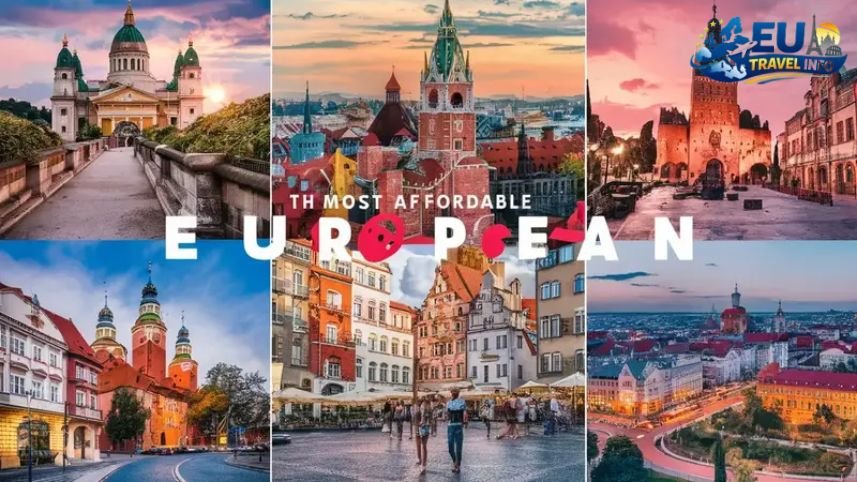
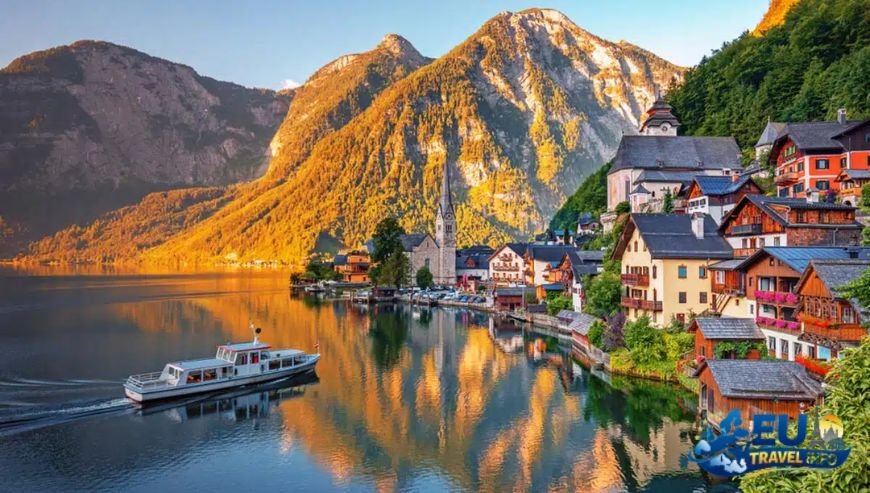
If you are a traveler who wants to see the world without spending all your savings, you have come to the right place. I have spent a lot of time exploring the hidden corners of the continent, and I found that many places offer a rich culture for a very low price. Europe attracts over 600 million visitors every year, but you do not have to follow the crowds to Paris or London. Those famous spots are expensive and packed. Cheap Cool Places To Travel in Europe actually exist if you look toward the East and the Balkans. In these regions, your money goes much further, and the experiences are often more authentic. I want to share my personal list of the 13 best spots that are easy on your wallet.
Tirana, Albania: A Colorful and Chaotic Surprise
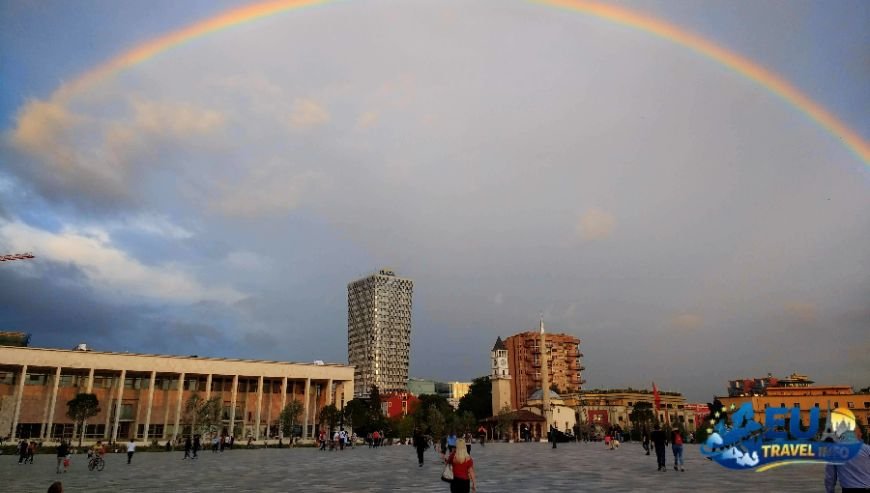
I started my journey in Tirana, and it has a vibe that is totally different from the rest of the continent. It is colorful, chaotic, and unpredictable in the best way possible. Albania remains up to 60% more affordable than Western Europe. I paid around 20 to 30 Euros for a very decent place to stay. Additionally, local meals were often under 5 Euros.
First of all, you must visit Bunk’Art 1. This is a former Cold War bunker that people transformed into a museum. The entry fee is only about 4 Euros. Later, I spent time at Skanderbeg Square, which is the historical heart of the city. I also loved the coffee and cocktail culture. Bars like Radio Bar serve high-quality drinks for less than 5 Euros. Albania is one of the top 10 cheapest countries to visit in europe. If you want a beach, the Albanian Riviera is just a few hours away with clear water that rivals Greece. It is a great cheap destination in europe with beach access.
Sarajevo, Bosnia and Herzegovina: A City of History and Heart
Sarajevo is one of the most affordable capitals I have ever visited. It is a city that does not demand that you spend a lot of money. You can wander the streets for hours and never get bored. I found it fascinating how you can walk from an Ottoman-style bazaar into an Austro-Hungarian district in just a few minutes.
The food here is a huge highlight. I highly recommend trying ćevapi, which is grilled meat served with flatbread. You can fill up on a traditional burek for less than 5 Euros. Additionally, a pint of beer is often only 2.30 Euros. Plus, the locals are incredibly friendly and welcoming. Sarajevo is definitely among the cheapest cities in europe for students. Therefore, it is a perfect spot for those who love history.
Sofia, Bulgaria: Affordable Urban Life Near the Mountains
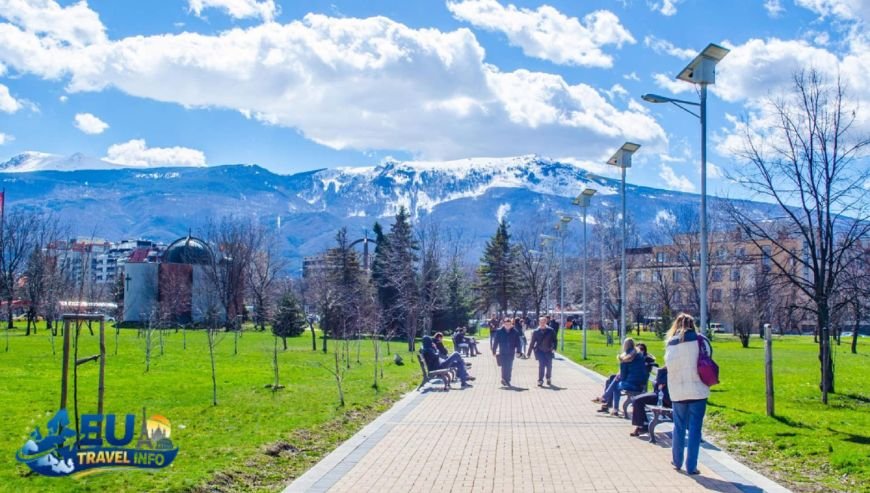
Sofia is another capital city that is built for living, not just for tourists. It is about 50% cheaper than major Western capitals. I enjoyed walking through Vitosha Boulevard and visiting the Alexander Nevsky Cathedral. Public transport is a major strength here. A single ride costs roughly 0.80 Euros, and monthly passes are around 25 Euros.
On top of that, you can take a day trip to Vitosha Mountain for some fresh air. I found that average monthly expenses for a single person, excluding rent, are around 740 Euros. Long-term rental prices are some of the lowest in the European Union. Bulgaria is consistently one of the cheapest countries to visit in europe 2026. Similarly, the food is hearty and inexpensive. I tried banitsa, which is a cheese pastry, and it was delicious.
Kraków, Poland: Medieval Splendor on a Budget
Kraków is a city that has not let its popularity ruin its prices yet. It has the fairytale architecture of Western Europe but it is much more affordable. I explored the UNESCO-listed Old Town and the Wawel Castle. Poland is in the top three cheapest nations in the European Union.
One of my favorite areas was Kazimierz, the Jewish Quarter. It is packed with cafes and street art. You can find street food trucks that sell zapiekanki, which is like a Polish pizza, for a very low price. Plus, filling meals like pierogi or potato pancakes are usually under 10 Euros in sit-down restaurants. You can find solid private rooms for between 30 and 40 Euros a night. This city is a top pick for cheap europe trips for students.
Vilnius, Lithuania: Artsy Vibes and Laid-Back Streets
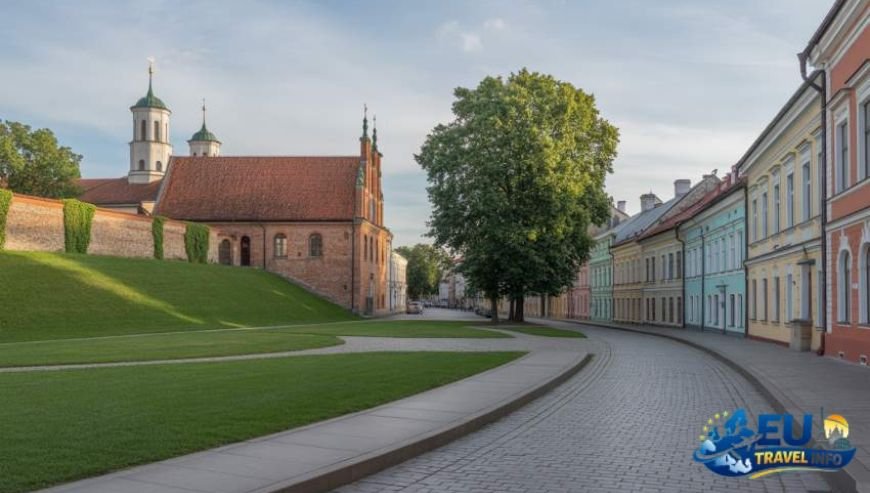
Vilnius is one of the most laid-back capitals I have visited. The Old Town is a UNESCO site filled with winding streets. However, what makes it stand out is the artsy side, especially the Užupis district. This area declared itself an independent republic with its own constitution.
The city is very easy to walk and very welcoming. I found that rent, beer, and entertainment are all low cost. It is an excellent best summer destinations in europe for young adults. Additionally, I took a trip out of the city to see Trakai Castle Island, which was a beautiful experience. You can dine at high-quality restaurants for half the price you would pay in other capitals. Therefore, Vilnius is a hidden gem that you should not miss.
Bucharest, Romania: A City of Contrasts and Momentum
Bucharest often defies first impressions with its scale and monumental architecture. However, daily life here feels cozy. I loved the local cafes and neighborhood parks. Regular monthly expenses for a single adult, excluding rent, typically fall between 700 and 800 Euros.
Rental prices are accessible for a capital city. I found that a modern one-bedroom apartment outside the center rents for 400 to 600 Euros per month. Additionally, Romania has some of the fastest broadband speeds in Europe. This makes it a great spot for remote workers. I also visited Sighișoara, which is a medieval town in Transylvania. I met a lady named Maria there who invited me into her garden for tea and cake. Romania is one of the 12 cheapest countries to visit in europe.
Budapest, Hungary: Thermal Baths and Ruin Bars
Budapest is known for its affordability and high quality of life. It is a city that makes a great visual impression. I soaked in the Széchenyi Baths and strolled along the Danube Promenade. Average monthly expenses for a single person, excluding rent, are between 700 and 850 Euros.
The ruin bars are a must-see. I visited Szimpla Kert, which offers eclectic drinks for under 4 Euros. On top of that, public transport is extensive and very affordable. I found that the city offers a full capital experience without the high financial demands of places like Paris. Therefore, it is a great choice for cheapest european countries to visit in summer. Finally, I enjoyed the goulash and chimney cakes which were very cheap.
Bari, Italy: The Budget Gateway to the South
If you want an Italian beach trip without the high prices, go to Bari. Most people go to the Amalfi Coast, which is super expensive and packed. Bari is a fraction of the price. I stayed for four nights for the same price as one night in the expensive tourist towns.
I watched old grandmas make orecchiette, which is ear-shaped pasta. Additionally, there are fantastic day trips to Alberobello to see the trulli buildings. These houses look like they have gnome hats. I also visited Matera, a city where buildings are built into caves. Bari is a wonderful and cheapest european countries to visit in summer if you want food and sun.
Ljubljana, Slovenia: A Fairytale Capital
Ljubljana is one of the most relaxed and manageable capitals in Europe. It has a medieval, fairytale feel. The city center is compact and easy to explore on foot. I enjoyed sitting at cafes along the river with local wine.
The vibe feels more like a lively university town than a busy capital. Additionally, it is a smart hub for day trips to Lake Bled or the Julian Alps. Though it is in the Eurozone, it remains a joy to walk around without spending a fortune. I found that it offers the best of Europe without the intense crowds. Gradually, it became one of my favorite stops on my trip.
Porto, Portugal: Coastal Charm and Port Wine
Porto is gorgeous and sits at a different point on the affordability spectrum. However, the trade-offs feel fair because life here is social and walkable. I moved beyond the high-traffic visitor zones to find lower prices. Housing in Porto is generally 25% to 30% lower than in Lisbon.
I visited the Sal Bento station to see the blue tiles. Daily expenses remain within reach. For example, daily menus are available in some places for only 8 to 15 Euros. I also did tours of the port wine caves in the Gaia neighborhood. Porto is a rising destination that is still affordable. Therefore, it is one of the 12 cheapest countries to visit in europe if you want a coastal vibe.
Valencia, Spain: Sun, Science, and Sand
Valencia offers the services of a major Spanish city but at a smaller scale. It keeps your routines easier to handle. Rental prices are one of its strongest advantages. I found that a one-bedroom apartment outside the historic center rents for 700 to 900 Euros.
Public transport is efficient and you can even cycle on the flat terrain. I spent time at the City of Arts and Sciences and the Old Town. Grocery prices remain moderate, and eating out feels like part of regular life. Spain’s healthcare system also gives travelers peace of mind. Valencia fits best for people who want Western reliability without the pressure of huge prices. Additionally, it is a great cheap destination in europe with beach access.
Riga, Latvia: Art Nouveau and Vibrant Culture
Riga is a city where you can see amazing Art Nouveau buildings. About a third of the Old Town features this beautiful architecture. It is a very affordable city to eat, drink, and be merry. I found that it has many cheap flights flying into the city.
There is a huge, buzzy creative scene here. I visited the Central Market and the Occupation of Latvia Museum to understand the history. Food and drink are reasonably priced, especially in the established bars of the Old Town. Riga is definitely a cool place that does not nail your budget. Finally, I enjoyed the views from St. Peter’s Church.
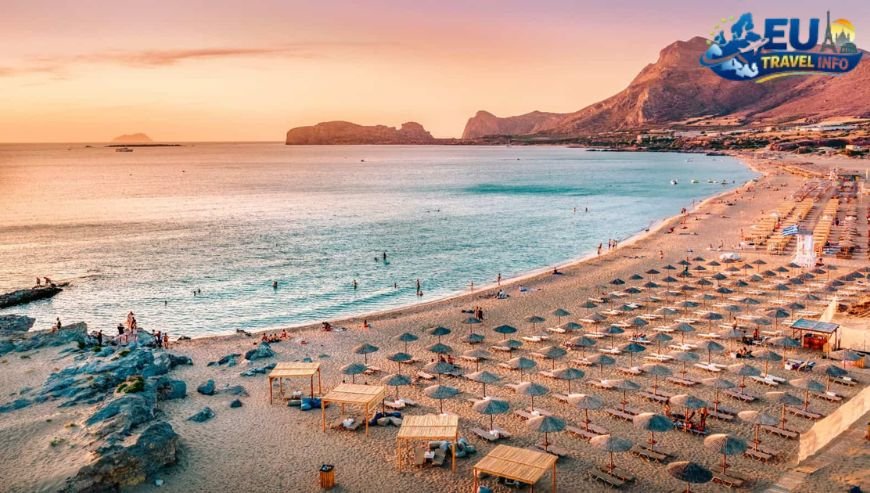
Crete, Greece: The Ultimate Island Value
Crete is a very large island and it is very affordable. It has beaches that rival the most famous islands in the world. However, it also has a much better infrastructure for public transportation. I found that Chania and Heraklion are great spots to base yourself.
You can see the ancient ruins of Knossos or hike the Samaria Gorge. I saved a lot of money on a room by taking an overnight ferry and sleeping on the boat. Crete is a perfect cheap destination in europe with beach for long stays. Additionally, you can find good hostels just a few minutes from the water. Greece continues to offer some of the best price-to-value ratios in Southern Europe.
How to Save Even More Money
If you want to stick to your budget, forget the plane or train for short distances. Stage coach buses are often three times cheaper than trains and ten times cheaper than planes. I used FlixBus and BlaBlaCar to get around for very little money. Additionally, you should avoid peak summer months like July and August. Western Europe prices soar at that time, and everything is crowded.
Opt instead for “shoulder seasons” like April to June or September to October. The weather is still mild, and the rates are much lower. For accommodation, never stay in a boring hotel if you can help it. Youth hostels are safe and centrally located for 20 to 29 Euros a night. You can also rent a room privately on Airbnb, which often works out cheaper for groups. Renting from a local means you can ask about the best sights.
Frequently Asked Questions
- Where is the cheapest place to vacation in Europe?
- Sofia, Bulgaria and Bucharest, Romania are currently the most affordable capital cities for combined costs including rent, transport, and food. Additionally, Albania is noted to be up to 60% cheaper than Western Europe, and budget travelers in Armenia can survive on less than $15 a day.
- Where to go for a 3 day trip to Europe?
- Ljubljana, Slovenia is a top choice because it is compact and easy to navigate on foot. Other excellent options for short stays include Zagreb, Croatia, which is highly walkable, and Hull, UK, for a budget-friendly weekend visit.
- Is $100 a day enough in Europe?
- Yes, a budget of €50–100 a day is considered ideal for exploring the continent’s most affordable nations. In cities like Sofia or Kraków, €1,200 per month can support a comfortable lifestyle for a single person.
- What’s the cheapest month to go to Europe?
- The cheapest times to visit are the shoulder seasons, specifically April–June and September–October, when travelers can find off-peak rates and mild weather. Winter months (excluding the holidays) also offer low-season discounts on accommodation.
- How to travel Europe in low budget?
- Travelers should focus on cutting the two largest expenses: accommodation and transport. Using stagecoach buses (like Flixbus or Eurolines) is often three to ten times cheaper than taking trains or planes. Staying in youth hostels or private room rentals can also lower nightly costs to €20–29.
- What are the top 3 tourist destinations in Europe?
- Based on 2024 international arrivals, the top three destinations in Europe are France (102 million), Spain (94 million), and Turkey (61 million).
- Which country is best for 3 days?
- Slovenia is highly recommended for short trips because its capital is very manageable and serves as a smart hub for quick day trips to the Alps or coastal areas. Montenegro is another strong contender, offering compact coastal gems like Budva and Kotor.
- What is the cheapest city break in Europe?
- Sarajevo, Bosnia and Herzegovina is ranked as the most affordable city break for 2026, offering low prices for food and lodging without sacrificing historical depth. Tirana, Albania follows closely as a high-value alternative.
- Is $5000 enough for a vacation?
- Yes, $5,000 is more than enough, as some travelers complete grand tours of Europe for five weeks on less than €1,700. Monthly total living costs for digital nomads in the Balkans rarely exceed $2,326.
- What is the cheapest way to travel around Europe?
- The most cost-effective method is the intercity bus, which offers unbeatable prices compared to other public transit. Rideshare websites like Blablacar and hitchhiking are even cheaper alternatives for adventurous travelers.
- Is 1000 euros enough for 2 weeks in Europe?
- Yes, since high-quality experiences in affordable European cities can be enjoyed on €50–100 a day, €1,000 can easily cover a 14-day trip.
- Which city in Europe is the cheapest to fly into?
- While major hubs like London and Frankfurt have the most connections, secondary cities served by low-cost carriers (LCCs), such as Bari, Italy or Riga, Latvia, often provide cheaper entry points.
- What is off season in Europe?
- The off-season generally encompasses the winter months from October to May for coastal regions. For the rest of the continent, the shoulder seasons (spring and autumn) are considered the best off-peak times to avoid the high prices of peak summer.
- What’s the best month to visit Italy?
- Visiting during the shoulder season months of April, May, September, or October is recommended to enjoy solid weather with fewer crowds and lower prices.
Concluding words
Traveling through Europe in 2026 does not require a large fortune if you prioritize the Eastern and Balkan regions. Affordable gems like Sarajevo, Tirana, Sofia, and Bucharest offer a rich blend of history, architecture, and vibrant culture at a fraction of the cost found in Western capitals.
By utilizing low-cost buses, staying in hostels or private rentals, and timing visits for the shoulder seasons, savvy travelers can enjoy premium experiences while maintaining a modest budget. These destinations prove that cultural immersion and memorable adventures remain accessible to everyone.