I have spent years exploring the winding tracks of the old continent. Many people ask me a simple question. Are trains cheap in Europe? My answer is usually a happy yes. Train travel is the most sustainable and often one of the cheapest ways to travel across Europe if you know the secrets. I have found tickets for the price of a small lunch. You just need to know where to look and when to click.
First of all, you must learn the timing game. Most rail operators release tickets in phases. Popular cheap european rail travel belongs to those who plan early. I usually book my long-distance routes at least 90 days in advance. For trains in France, I sometimes look as far as nine months ahead to find those hidden gems. This is the golden rule. The earlier you book, the cheaper the fare will be.
The Secret of the Stopover
I once traveled from Berlin to Prague for only €18.90. I used a special feature on the Deutsche Bahn website. It allowed me to add a 24-hour stopover in Dresden for no extra cost. This is a fantastic hack for cheap travel across europe. Similarly, I found a way to visit Budapest from Berlin for €46.90 with a stop in Prague included. You get to see two cities for the price of one ticket.
Though some people prefer first class, I often choose second class. For an extra €19.90, you can upgrade to a better seat with more legroom. However, there is not really a big difference between the two on these specific routes. I find the standard seats very comfortable for a few hours of travel.
Finding Low-Cost Gems
Later, I discovered a company called Regiojet. They started as a student travel agency but now offer amazing low-cost train services. I took a train from Vienna to Budapest for only €9. At that time, the basic fare even included WiFi and a seat reservation. This is definitely the cheapest rail travel for students and budget seekers alike. Additionally, for just €2.30 more, I got a better seat, a free newspaper, and access to a built-in screen.
If you want to travel between Prague and Budapest, Regiojet often has fares for €16. Similarly, Czech Railways can be a great resource. I noticed that fares on their website are often one-third cheaper than when I book via German sites for the same train. For example, a direct train from Prague to Munich was €42 on bahn.de but only €14.76 on the Czech site. That is a massive saving for the same seat.
The Rise of Budget High-Speed Rail
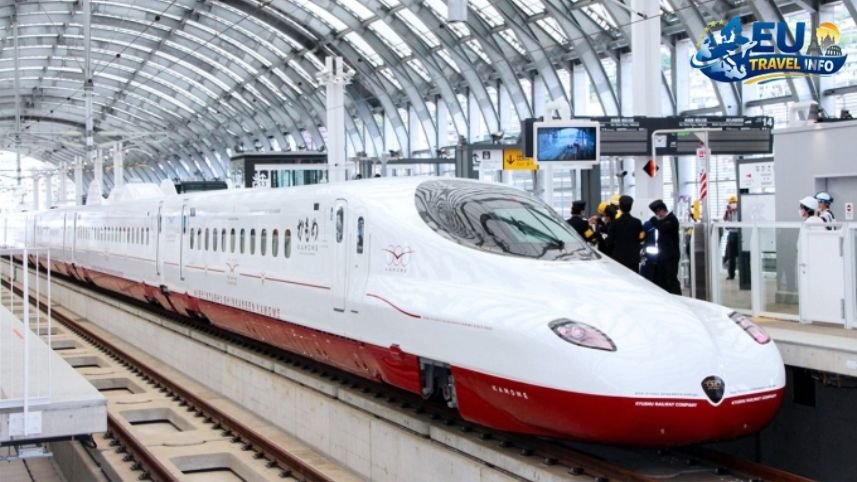
France has a wonderful high-speed service called Ouigo. Though many people know the fancy TGV trains, Ouigo offers tickets for as little as €10 between Paris and Lyon or Bordeaux. I once went from Paris to Nice for €19. You must book these early because they open nine months in advance.
Spain has joined this revolution too. I traveled from Barcelona to Madrid for only €9. On top of that, these are high-speed trains that save hours of time. However, you should be careful with luggage. The basic €9 fare allows a small bag and a carry-on, but a larger suitcase costs an extra €5 fee. It is still a bargain.
Saving with Night Trains
I love night trains. They are often the cheapest train travel in europe because you save the cost of a hotel for one night. I took the Nightjet from Paris to Vienna for €60. I slept in a 6-seat compartment. It was not the most comfortable seat for sleeping, but it got me there. However, a bed in a couchette often costs just €20 more. It is a wise investment for a decent night of sleep.
Similarly, the service from Munich to Zagreb can be as low as €29.90 if you book in advance. For an extra €45, you can upgrade to a sleeper bed. Gradually, I learned that these trains help me maximize my travel time. I do not waste the whole day sitting in a carriage. Finally, I arrive at my destination fresh and ready to explore.
The Math of the Eurail Pass
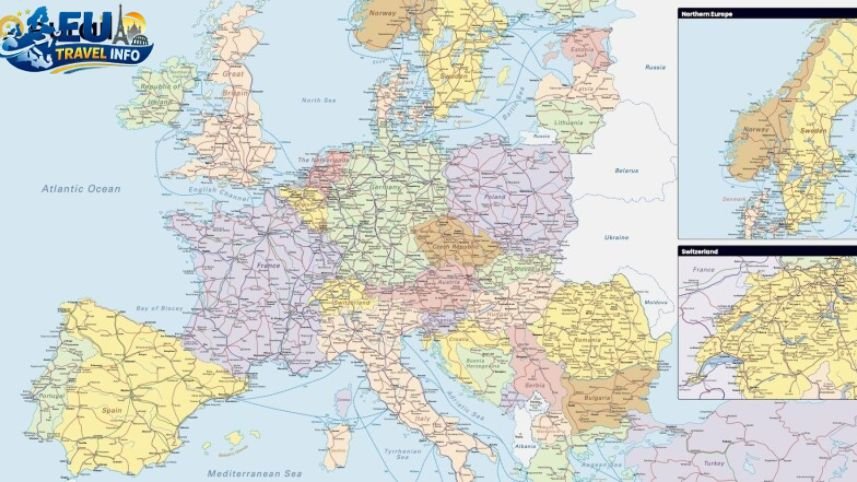
Many travelers face a big choice. Should they buy a Eurail pass?. I found that a pass offers the best value if you plan to cover a lot of ground. These unlimited travel passes can work out to about €35 per day for adults. Young people under the age of 28 pay even less, around €26 per day. On top of that, children under 12 often get a free pass when they travel with an adult.
I have a special strategy for the cheapest rail travel in europe. My pass for 10 travel days cost €581. This meant each day was worth about €58 per person. If a train journey cost less than €58, I paid for it separately. If it cost more, I used my pass. This mindset shift saved me and my partner hundreds of euros. On one trip through Switzerland, France, and the UK, we used over €35,000 worth of travel but only paid €1,700 total.
Exploring Germany and Switzerland
Germany offers an incredible deal called the Deutschland-Ticket. For only €49 a month, you get unlimited travel on all local and regional trains. This includes buses, trams, and subways too. However, you must remember that it is a subscription that automatically renews. You have to cancel by the 10th of the previous month if you do not want it for the next one. Additionally, it does not include the fast ICE trains.
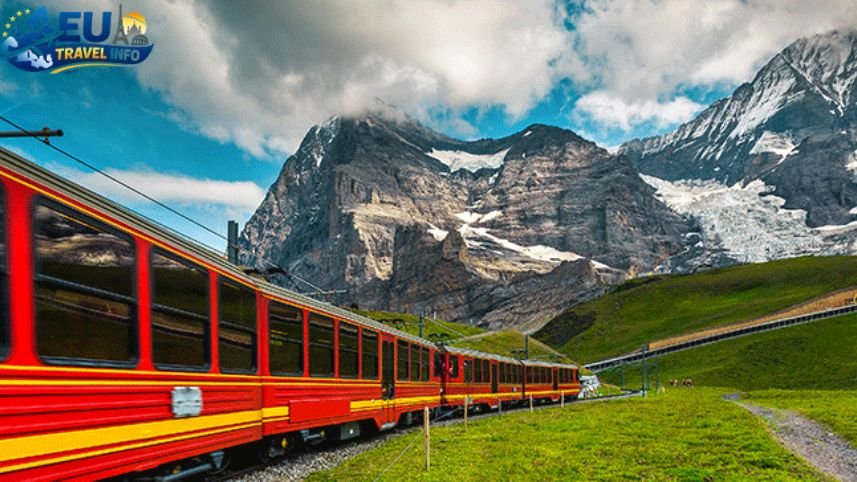
Switzerland is famous for high prices, but the Swiss Travel Pass is a game changer. It gives you free unlimited use of trains, trams, boats, and buses. It even provides free access to over 500 museums. Similarly, you get 50% off most mountain railway tickets. For those under 26, there is a 30 percent discount on the pass.
Digital Tools for Budget Travel
I always have the DB Navigator app on my phone. It has been my ideal travel companion for years. I use the best price search feature to find the cheapest rail travel available. It also shows a demand indicator so I know how full my train will be. On top of that, I can use it to book digital tickets until shortly before departure.
Another great tool is Trainline. It has an excellent low fare calendar that is very handy for finding the cheapest dates in the next month. Similarly, Omio allows me to compare trains, buses, and flights in one place. These apps make it much easier to stay on a budget.
The Art of Split Ticketing
Sometimes, buying one direct ticket is a mistake. Split ticketing is a legal way to save up to 82% on your fare. This means you buy separate tickets for different parts of the same journey. For example, instead of one ticket from Station A to D, you buy tickets from A to B, B to C, and C to D. You stay on the same train and usually in the same seat.
I saw an example where a ticket from Cardiff to Newcastle dropped from £294.00 to £114.40 using this method. That is a saving of 61%. However, you must ensure the train actually stops at the stations where your tickets change. Websites like splittickets.com can do this math for you automatically.
Comfort and Experience
Train travel is about more than just money. It is about the views. I have seen the Swiss Alps and the Italian Riviera from my window. These are landscapes you would completely miss if you were flying. Plus, there are no long security lines or baggage fees. You just hop on and you are on your way.
If you are a real train enthusiast, I recommend the Train Lodge Hostel in Amsterdam. It is a refurbished train carriage where you can sleep in cozy compartments. It has free WiFi and an on-site bistro. This is a fun and affordable way to keep the rail theme going during your stay.
Strategic Planning for Maximum Savings
I always use my rail pass in the most expensive countries like Switzerland and France. High-speed and scenic trains are where the pass really shines. For example, reserving a seat on the Glacier Express in Switzerland cost us about €60 each. Though that sounds like a lot, the actual ticket would have been €575 without a pass. We saved over €450 in a single day.
On the contrary, I do not use my pass for short regional trips in Germany or the Czech Republic. Advance tickets there are often under €25. Using a pass day for a cheap ticket is a waste. Always do the math before you use a travel day.
Practical Tips for the Road
Travel light whenever you can. You will often carry your own bags onto high platforms. A small backpack or a light carrier will save you a lot of stress. Additionally, always bring your own snacks and water. Not all trains have dining cars, and some can be closed when you are hungry.
Finally, do not rely on train WiFi. I have been disappointed many times, even in first class. Download movies or podcasts before you leave your hotel. Carrying a power bank is also a smart move to keep your digital tickets reachable.
Frequently Asked Questions
What is the cheapest way to travel in Europe by train?
Advance booking is the most effective strategy. Most rail companies offer very low prices if you buy tickets 90 days to nine months ahead. You should also look for budget carriers like Ouigo in France and Spain or Regiojet in Central Europe. Slower regional trains are often much cheaper than sleek high-speed lines.
Which is the best rail pass for Europe?
The Eurail Global Pass is the top choice if you want to visit multiple countries. It covers 33 different nations on one single ticket. If you plan to stay in just one place, a One Country Pass for Italy or France is usually a better value.
What is the cheapest transport in Europe?
Long-distance bus travel with companies like FlixBus often provides the lowest prices. While buses take longer, they are very hard to beat for cost. Budget airlines also have low base fares, but they often add hidden fees for bags and seats.
What is the best train trip in Europe?
Scenic routes through the Swiss Alps or along the Italian Riviera offer the best experiences. Famous trains like the Glacier Express or the Bernina Express provide absolute breathtaking views. These journeys let you see landscapes that you would miss if you were in the air.
How much is a 7 day Eurail pass?
A 7-day pass within one month was recently priced at $298 or €275. This pass allows you to travel as much as you want on each of those seven selected days.
Is $100 a day enough in Europe?
A travel budget of $100 a day is very realistic for most regions. A Eurail pass works out to about €35 per day for adults, which leaves plenty of cash for food and fun. Countries like Slovakia and Poland are considerably cheap for budget seekers.
Is there an unlimited train pass in Europe?
Yes, the Eurail Global Pass offers unlimited rides on any day that you activate. Germany also has the Deutschland-Ticket, which provides unlimited use of all local and regional transport for €49 a month.
Which European country is best for trains?
Germany is excellent because it has a massive network and the affordable €49 monthly ticket. Switzerland is also a top contender for its high-quality scenic routes and the Swiss Travel Pass. Italy is great for budget travel if you use their “Super Economy” fares.
How to get Eurail Pass cheap?
You should buy your pass during the off-season or shoulder season when discounts are common. Travelers under 27 qualify for a youth discount that saves about 20 percent. Websites like Klook often have promo codes for extra savings.
What is the 3 month rule in Europe?
Most train operators open their ticket sales or seat reservations three months (90 days) before the departure date. A book made right when this window opens usually secures the lowest possible price.
Which country is best for travel in low budget in Europe?
Slovakia is a fantastic spot because everything is considerably cheap compared to Western Europe. Poland is also very economical and even has a friendly culture for budget options like hitchhiking.
Is Eurail or Interrail cheaper?
These passes are essentially the same price and system. European residents use Interrail, while visitors from outside Europe buy Eurail.
Which is the most beautiful train journey?
The ride on the Bergen Line in Norway is often called one of the most scenic in the world. Other favorites include the Glacier Express in Switzerland and the routes through the French vineyards.
What is the most beautiful train station in Europe?
Iconic hubs like Gare de Lyon in Paris or St Pancras in London are world-famous for their architecture. Amsterdam Sloterdijk is unique because it even houses a train-themed hostel for rail enthusiasts.
How to book cheap trains in Europe?
Use search tools like Omio or Trainline to compare different carriers in one place. You should always select non-flexible fares if your plans are firm, as these are the cheapest. The DB Navigator app is also a must-have tool for finding “best price” deals.
Are trains free with Eurail?
The pass covers the full cost of the train ride itself. However, many high-speed, international, or night trains require a mandatory seat reservation fee. Regional trains are usually free from these extra charges.
What are the disadvantages of using a rail pass?
Reservation fees can be an unpleasant and costly surprise in some countries. A pass might also cost more than separate point-to-point tickets if you only take a few short trips.
Is it cheaper to fly or take Eurail?
A flight might be cheaper for a single long trip if you book a no-frills airline. However, Eurail is often the better deal if you visit multiple cities and use high-value scenic routes. Plus, you save on baggage fees and airport transfers.
Concluding words
European rail travel is a wonderful way to see the continent without high costs. You save the most money when you book 90 days in advance or use budget carriers like Ouigo and Regiojet. A Eurail pass is a powerful tool for flexible tours across many countries, especially when you use it for expensive high-speed routes. Smart digital tools and night trains also help you stretch your budget while you see the world. Rail is the heartbeat of a great European tour.