I remember the first time I stood in a cramped train station bathroom in Prague at six in the morning. I used wet wipes to freshen up because I took an overnight bus to save forty Euros on a room. My daughter would be shocked if she could see me like that. I was the woman who once refused to fly anything but business class. At that time, I brushed my teeth over a grimy sink while a cleaning lady gave me a strange look. However, that overnight bus decision paid for two incredible days in Czech beer gardens. I felt more alive in that moment than I had in years of stay at expensive resorts. Solo travel in Europe does not require a huge bank account or credit cards. It requires creativity and a willingness to embrace the chaos. After I spent months moving around Europe on roughly fifty dollars a day, I cracked the code.
The truth is that fifty dollars is the perfect middle zone. You are not suffering, but you are not spending too much money either. You can stay in clean hostels with private rooms and eat a mix of street food and sit-down meals. This guide is my personal blueprint for the safest places to travel solo female in europe. I will share the hacks and the money-saving miracles I found along the way.
Why Fifty Dollars a Day is the Magic Number
I learned the hard way during my first week in Amsterdam. I spent one hundred and twenty dollars every day on guided tours and tickets. Later, I figured out how to use city cards and free ferries. The budget breaks down simply: fifteen to twenty Euros for a bed, fifteen to twenty for food, and five to ten for transport. Additionally, you should keep five to ten Euros for surprises. First of all, you must pick your locations carefully. Western Europe will test your discipline, but Eastern Europe will make you feel wealthy.
Gradually, I realized that the best places to travel solo female in europe are often the ones people overlook. These cities provide safety, culture, and low costs. Therefore, let us look at the eleven best spots where your money goes further.
Sofia, Bulgaria
Sofia attracts travelers with very low daily costs and efficient metro lines. I found that the city center mixes Roman ruins and beautiful churches. You can reach most things on foot. Hostels and guesthouses remain inexpensive all year. I spent time in local cafes and bakeries because the prices were modest. This helped me manage a long stay without stress.
If you like nature, Vitosha Mountain is close by. Public transport takes you there for hiking or skiing. Additionally, the safety levels remain high even at night. I noticed that English is common among younger people, so I never felt lost.
- Average Daily Cost: $45 – $60.
- Hostel Bed: $14 – $25 per night.
- A Pint of Beer: $2.
Bucharest, Romania
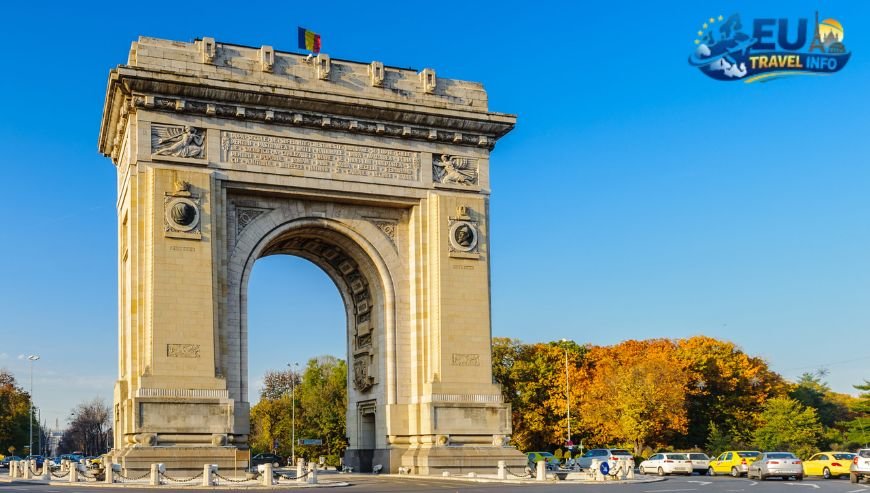
Bucharest works well for women who want big city energy without the high price tag. Public transport and walkable neighborhoods keep movement simple. Accommodation costs stay low, especially outside the busy summer months. I loved the Old Town because it has museums and historic streets all in one area.
English communication is common here. Safety has improved steadily over the years. On top of that, food markets are very cheap. I used the city as a base to visit Transylvania by train. Though the trains are quite slow, the tickets are very affordable.
- Average Daily Cost: $60 – $95.
- Hostel Night: $12.
- Full Meal: $6 – $7.
Kraków, Poland
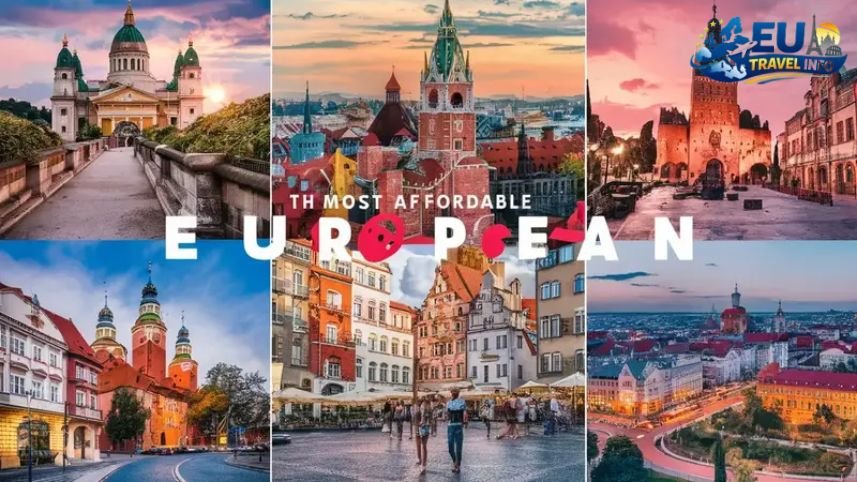
Kraków is perfect if you want history without the high prices of Western Europe. The medieval Old Town and the river paths connect easily by foot or tram. I found that hostels and budget hotels cluster near the main transport hubs. Similarly, the university population keeps the cafes affordable.
Crime rates stay low even during the busy seasons. I took day trips to the salt mines and the history museums for very little money. Poland is one of the cheapest countries to travel to in europe for foodies. I ate hearty pierogi for about four Euros.
- Average Daily Cost: $30 – $50.
- Hostel Dorm: $17 average.
- Three-Course Dinner: $20 – $35.
Budapest, Hungary
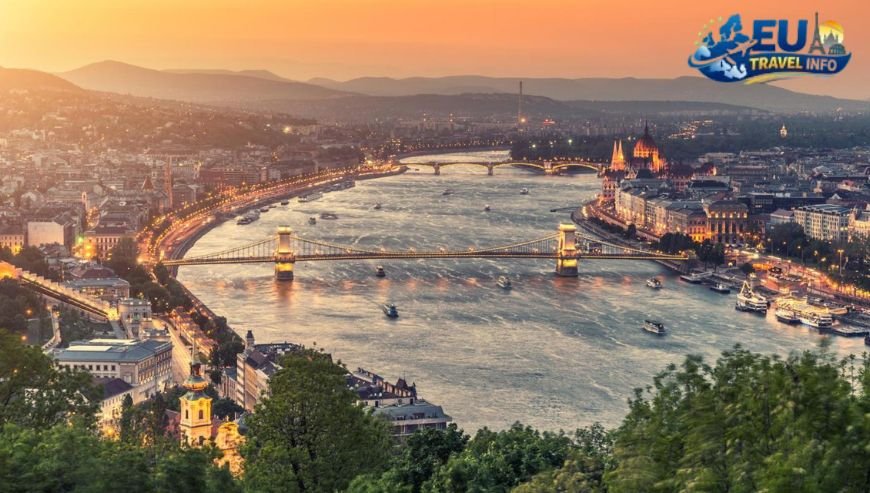
Budapest is famous for its scenery along the Danube and its low costs. Public transport passes are cheap and simple to use. I visited the thermal baths during the week because they are more affordable then. Neighborhoods like Pest feel very walkable.
Street markets help you control your daily spending. English works widely in all the tourist areas. Safety feels strong on the main routes. Additionally, the ruin bars provide a social night out without a cover charge. Budapest is a top choice for solo female travel europe destinations.
- Average Daily Cost: $35 – $60.
- Thermal Bath Entry: $20 – $35.
- Local Transport Day Pass: $6.80.
Sarajevo, Bosnia & Herzegovina
Layered history defines daily life in Sarajevo. I saw the history in the architecture and the traditions. Prices for lodging, transport, and meals are among the lowest in all of Europe. I spent hours in the old bazaar area just watching people.
English communication improves every year. I felt safe because locals are quick to help visitors. Cable cars reach mountain views for very little money. This city is a true gem for those who want to travel on a budget.
- Average Daily Cost: Roughly $40 – $55 based on regional data.
- Coffee: Often under $2.
Tirana, Albania
Rapid change defines this capital. I found that affordability is the main advantage here. Accommodation and transport costs stay very low. Central districts allow for easy walking. I enjoyed the colorful buildings and the many public squares.
Safety feels strong and the streets are lively late into the evening. Cafes function as social hubs for everyone. I took day trips to the mountains for a small bus fare. Albania is perfect for budget-conscious women.
- Monthly Living Cost for Nomads: $1,200.
- Rent for 1BR Apartment: €350 – €570.
Brașov, Romania
Brașov is a fairytale town in the heart of Transylvania. It is one of the safest places to travel solo female in europe. I felt completely at ease walking around at night. The old town is filled with colorful buildings and cobblestone streets.
You can take a cable car up the mountain for about five Euros. This gives you a view of the whole city. On top of that, it is a great base for visiting castles. I stayed at a very nice hotel for about one hundred Euros, but hostels are much cheaper.
- Average Daily Cost: $60 – $95.
- Castle Tour Ticket: $60.
- Meal in a Restaurant: $12 – $14.
Porto, Portugal
Porto has hillside streets and amazing river views. I noticed that living costs stay lower here than in Lisbon. Trams and metro lines keep movement simple. Safety levels remain high, so I felt confident exploring alone.
Markets and bakeries help manage your food budget. I ate the famous francesinha sandwich for about eight Euros. A glass of port wine at a local spot was only two Euros. Therefore, I could enjoy the culture without overspending.
- Average Daily Cost: $70 – $110.
- Hostel Bed: Roughly $25.
Seville, Spain
Seville is a budget-friendly city with incredible architecture and energy. I found it easy to navigate as a solo woman. I never felt unsafe even at night. It is well-connected with buses and trains.
One of my favorite hacks was the free tapas. Many bars serve a free snack when you buy a drink. This is a sneaky way to save money on food. Plus, you can explore many landmarks for free if you skip the guided tours.
- Average Daily Cost: $70 – $110.
- Flamenco Show: $25.
- Airport Bus Fare: $4.
Skopje, North Macedonia
Skopje has a compact size and low prices. This makes the city manageable for independent travel. I walked between the statues, bridges, and museums in the center. Public buses are frequent and stay very inexpensive.
Accommodation costs are among the lowest in the region. I enjoyed the casual vibe of the Old Bazaar. On the contrary to expensive Western cities, I felt like my money lasted forever here. It is a great spot for a flexible Balkan route.
- Average Daily Cost: Under $50 for budget travelers.
- Hostel Night: Inexpensive year-round.
Istanbul, Turkey
Istanbul offers massive scale and great value. Public transport including ferries and metros keep movement efficient. I stayed in budget hotels that were very affordable. Street food is a great way to manage your expenses.
I watched the sunset over the Bosphorus and it cost me nothing. Ferries double as scenic transport for a low price. Safety remains solid on the main routes. Finally, Istanbul allows you to stretch your budget comfortably for a long stay.
- Average Daily Cost: Roughly $50 – $80 depending on the district.
- Museum Entry Fees: Modest and manageable.
Essential Budget Hacks for Solo Women
Finding where to travel in europe on a budget is only half the battle. You must also know how to keep your costs down once you arrive. I have used several tricks to keep my spending at fifty dollars a day.
Master the Transport System
First of all, use FlixBus. This company connects hundreds of cities for very low prices. I once paid nine Euros for a four-hour trip from Prague to Vienna. Later, I used RegioJet in Central Europe because they serve free coffee.
Additionally, avoid high-speed trains. Regional trains cost forty to sixty percent less. They take longer but the routes are more scenic. On top of that, you can take overnight buses or trains. This saves you the cost of a hotel room for one night.
Sleep Smart
I was once terrified of hostels. However, many European hostels offer female-only dorms or private rooms with bathrooms. These rooms are half the cost of a hotel. I always look for a place with a kitchen. Cooking your own breakfast saves ten to fifteen dollars every day.
Similarly, check for weekly rates. Most hostels offer a ten to twenty percent discount if you stay for a week. In Budapest, I got every seventh night for free. Therefore, my daily rate dropped significantly.
Eat Like a Local
Every trip should begin with a visit to the supermarket. I bought bread, cheese, and fruit for about twenty Euros. This lasted for several days of breakfast and snacks. Plus, I visited local markets for fresh produce.
Look for lunch menus in restaurants. Many places offer a fixed price for two or three courses during the day. This costs way less than the dinner menu. Additionally, ethnic restaurants like Vietnamese or Turkish spots serve large portions for a low price.
Safety Tips for the Independent Woman
Safety is the main concern for solo female travel europe destinations. I have learned that Europe is generally very safe, but you must be smart.
- Trust your instincts. If a situation feels wrong, leave immediately. Do not worry about being rude.
- Stick to well-lit areas. Even in safe cities, avoid empty alleys at night. Use ride-sharing apps like Uber or Bolt instead of walking alone late.
- Protect your things. Use a cross-body bag with a zipper. Do not keep all your cash in one place.
- Share your plans. Let someone at home know your itinerary. I always sent my location to a friend.
- Watch out for scams. Do not take “free” gifts from people on the street. These are usually scams to get money from you.
FAQ
Where to travel alone as a woman in Europe?
Safe and popular destinations include Copenhagen, Vienna, Ljubljana, Reykjavik, Porto, Amsterdam, and Stockholm. For those on a budget, cities like Sofia, Bucharest, Kraków, and Budapest offer high safety standards alongside historical charm and lower costs.
Which country is best for solo female travel?
Iceland is considered the global gold standard for safety due to its low crime rates and strong gender equality. Denmark and Portugal are also top-ranked for women’s security and welcoming environments.
Which is the cheapest country to visit in Europe?
Albania is the “clear champion” for affordability, with the lowest living costs and modest monthly income requirements for digital nomads. Romania and Poland are also notably inexpensive compared to Western Europe.
What is the safest city in Europe?
Copenhagen, Denmark, is often cited as the gold standard for solo female travelers, ranking first for women’s safety with well-lit streets and bike-friendly infrastructure. Vienna, Austria, also consistently ranks as one of the most secure and livable cities.
Where to holiday as a single woman?
You can choose your destination based on your “vibe”: Faro is ideal for beaches and slow days, Seville offers culture and tapas, Bari is excellent for food, and Brașov features fairytale castles at underrated prices.
Is $100 a day enough in Europe?
Yes. In Eastern Europe and the Balkans, $50 a day is considered a “sweet spot” for a comfortable solo trip. In more expensive Western cities, $100 (approximately €90-€140) covers a mid-range travel style.
What is the most affordable place in Europe?
Albania offers unmatched value, with daily costs for nomads averaging around $1,200 per month including rent and food. Kraków, Poland, also ranks as one of the most affordable cities, being 40-50% cheaper than Western Europe.
Is Portugal or Spain cheaper?
While both have affordable options, Seville is noted as being significantly less expensive than major Spanish hubs like Madrid. In Portugal, Porto is often cheaper than Lisbon, particularly regarding accommodation. Generally, both are considered budget-friendly Western European choices.
What are common solo travel mistakes?
Common errors include trying to see too many cities in a short timeframe, which leads to exhaustion and high transit costs, only visiting tourist areas where prices are inflated, and not booking accommodation in advance during the peak summer season.
How do I plan a solo female trip?
Start by researching safe neighborhoods and choosing accommodations with high ratings from other solo women. Use ride-sharing apps like Bolt or Uber for safety, keep digital copies of documents, and consider self-guided or small-group tours to provide structure to your itinerary.
What is the no. 1 safest country?
Iceland has been ranked as the most peaceful country in the world since 2008. It features virtually no violent crime and high perceptions of public safety.
Concluding words
Solo female travel in Europe is safe, flexible, and highly rewarding, especially when visiting budget-friendly destinations like Kraków, Budapest, Sofia, and Tirana. These cities provide a wealth of history, striking architecture, and vibrant social scenes without the high price tags of Western capitals.
By choosing these affordable gems, travelers can enjoy longer stays, unique cultural experiences like thermal baths or medieval tours, and a greater sense of freedom while maintaining a secure and comfortable environment.