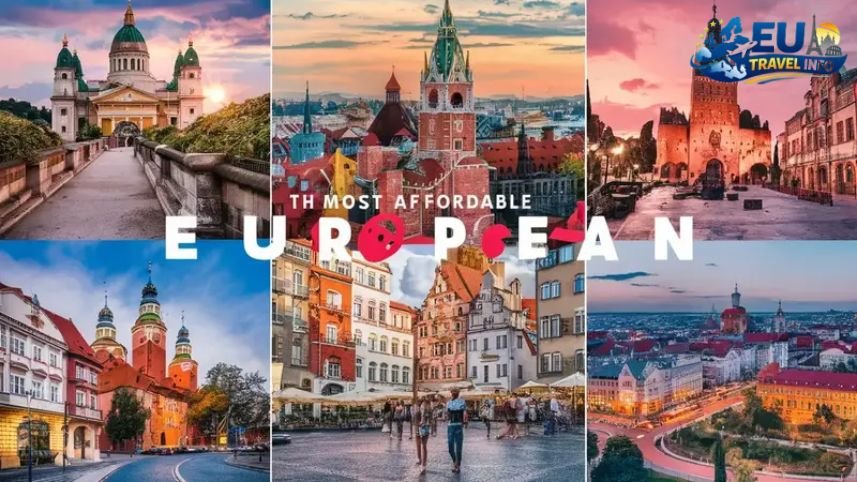

Europe is a dream for many families, but the cost often feels like a nightmare. I have ventured over to Europe countless times with my children for city breaks, ski trips, and long road trips. The continent is not always the friendliest on your bank account. Cheapest Way to Travel Europe With Family is a phrase I searched for years until I learned the secrets of the pros. You can see medieval castles and pristine beaches without a massive bill. 2026 is the year to make this happen.
The Golden Rule: Slow Down to Save

Rushing around Europe to tick off sights is a sure way to max out your budget. It is also a recipe for family arguments and child meltdowns. Fast travel usually means you must use expensive flights or travel during peak periods. How to travel europe cheap with family starts with the pace of the trip. You should embrace slow family travel. You will open up the possibility of long-stay discounts if you spend longer in one place. It is common for some hosts to offer as much as a 50% discount for stays longer than two weeks. This means you pay the same price for two weeks as you might for a whole month.
First of all, slow travel lets you choose off-peak or slower travel options. These choices are friendly to your credit card. You do not have to rush to the next destination every three days. Therefore, your stress levels go down while your savings go up.
Pick Your Countries Wisely
Not all destinations in Europe are created equal when it comes to value for money. Countries in the north and west are usually more expensive. Scandinavia and Iceland are notoriously pricey. On the contrary, Eastern Europe is where your budget goes much further. Our city break to Bucharest with kids was especially good for the wallet. Where to travel in europe on a budget is the most important question you can ask.
Romania offers an incredible journey through time with medieval towns and imposing castles. You can find hostels from $12 per night and hotels from $25 per night there. Poland combines history with a vibrant modern culture. Hostels in Poland start around $15. Bulgaria is another gem located at the crossroads of Europe and Asia. It consistently ranks as having the lowest price levels in the European Union. Cheapest european countries for international students often overlap with the best family spots because the daily costs are so low.
Albania is Europe’s best-kept secret for nature lovers. The Albanian Riviera rivals the Greek islands but costs a fraction of the price. Bosnia and Herzegovina is also a top destination for budget seekers. You can find hostel beds for less than $10 and meals for $5 to $12. These countries offer authentic experiences that most tourists miss. A week in Albania or Bulgaria can cost the same as two days in Switzerland. Plus, the people are warm and the landscapes are beautiful.
The Hidden Costs of 2026

You must prepare for extra fees that many travelers forget. An American family of four should budget an extra $400 to $1,000 for hidden costs. Cheapest way to travel europe with family from usa involves knowing these numbers ahead of time.
First, city taxes are common across the continent. These are usually paid directly to your hotel or apartment upon arrival. They are charged per night and per person. On average, the tax is about $4.66 per person each night. For a family of four staying a week, that is roughly $130.
Additionally, a new requirement starts in 2026. American travelers will need an ETIAS visa waiver to enter most EU countries. The fee is $23 per adult. However, children under 18 and adults over 70 are exempt. You should also watch out for restaurant service charges. A 10% service charge is often added to your bill in Europe.
Data roaming fees can also destroy your budget. Using your U.S. plan without a special service could leave you with a massive bill. Some carriers charge $35 for a 10-day pass. For a family of four, that is $140 just to stay connected. I recommend an eSIM app for cheaper data. Some plans start at around $1.10 per GB. This is a more budget-friendly option for navigation and messaging.
Skip the Famous Cities
Venice, Paris, Barcelona, and London draw huge crowds. These cities are past masters at extracting the tourist dollar. Sights, restaurants, and hotels are all expensive there. If you want to know how to visit europe cheaply, you should step away from these famous spots. Seek out their lesser-known neighbors instead. Smaller towns have cheaper food and drink options. Hotels in these areas are less busy and more likely to offer a good deal.
You can still see the big cities as day trips. We headed to Paris for the day during a French camping holiday and saved a fortune. You should consider taking your own packed lunch and choosing only a few select sights.
If you must visit the big names, stay in the suburbs. Versailles is a real town only 30 minutes from Paris by train. It is often cheaper to stay there than in the city center. Similarly, Treviso is 30 minutes from Venice and has its own nice canals. It is cheaper to stay there, and the restaurants are often better. Padua is another great option near Venice. A cappuccino there might still be only 1.40 euro. On the contrary, Venice is an incredible hassle with luggage and high prices.
Smart Sleeping Choices
Hotels tend to be the default choice, but they are often the most expensive. How to travel cheap in europe requires looking at alternatives.
More and more hostels are cropping up that are perfect for families. Gone are the days of shared dorms with strangers. You can now expect private family rooms, ensuite bathrooms, and buffet breakfasts. a&o Hostels is a great example of this. They offer central, affordable accommodation for everyone. A unique point for them is that children up to 18 years can stay for free in a room with their parents or grandparents. They also have kids’ corners and free internet in the lobbies.
Renting an apartment can also make a lot of sense for families. You can use websites like Airbnb, VRBO, or Booking.com. An apartment gives you multiple bedrooms, which is rare in small European hotel rooms. Additionally, having a kitchen lets you save on food costs. You can make your own breakfasts and some other meals.
You should always read reviews carefully before booking. If four or five people complain about the same problem, pay attention. Check the location on a map to see how close it is to public transport. Also, ask if the unit is on a high floor without an elevator. Top-floor apartments in places like Prague may come with a lot of stairs.
Finally, consider camping. If you have your own gear, campsites are a great way to cut costs. Many campsites are served by public transport. Some rural sites in Italy and France have fantastic bathroom and kitchen facilities.
Transportation Hacks
Transport fares can add up fast for a family. How to travel europe with family effectively means mastering the local systems.
First of all, use your feet or bikes for small distances. Walking gives you a new perspective on a city and is always free. Many cities have affordable cycle hire options that are easy to use.
For longer trips, trains are often the best way to travel. It is comfortable, convenient, and can be affordable if you plan right. Rail Europe offers free travel for children on many passes. For example, up to two children between ages 4 and 11 can travel for free with an adult on Eurail passes. In Switzerland, children under 16 can travel free with a Swiss Family Card if they are with a parent. You must book your train tickets in advance to get the best prices. High-speed train tickets increase in cost the closer you get to the travel day.
Low-cost airlines like Ryanair and Easyjet are another option. You can find very cheap flights if you are flexible with your destination. Use Skyscanner or Google Flights to see where it is cheap to fly at that time of year. However, be careful with budget airlines. They have strict rules for luggage and boarding passes. You might be charged a lot in extra fees if you do not follow their rules.
A rental car might actually be cheaper for a family of four than individual train tickets. Having your own wheels can save you time and money for places off the beaten track. It allows you to visit smaller towns where lodging is less expensive. In 2022, one family found a 10-day rental in England for only around $500. Plus, you can avoid expensive taxis that leave you stranded in rural areas.
The Magic of Road Trips and Campsites
A family road trip is a brilliant way to explore on a budget. It is often much cheaper than pricey flights once you add in luggage and transfers. We find it to be the ultimate way to explore mainland Europe.
We keep our costs down by staying in holiday homes on campsites. This is much better than being cooped up in a hotel room. Companies like Eurocamp and Landal Greenparks offer family-friendly facilities across the continent. You can spend as little as £25 per night on accommodation in some cases. These sites often have amazing pools and waterslides for the kids.
You should plan your route wisely to avoid high tolls. France and Italy have extensive toll motorway networks. On the contrary, Germany’s roads are mostly free for cars. Austria and Switzerland use a vignette system where you pay a set cost for a specific number of days.
Additionally, stock up your car with non-perishables like pasta and cereal. This is a lifesaver if you visit a place with a high cost of living. Use a cool bag for picnics during your travels. A picnic at the water’s edge in Venice is a memory that costs very little.
Eating Like a Local
Food is a huge expense if you eat out for every meal. You do not have to eat at restaurants three times a day. How to travel europe cheap with family requires a different approach to dining.
Use the local supermarkets. Even if you have no place to cook, some baguettes and cheese eaten in a park work well. Some of our best meals have been cheap takeaway pizzas eaten on a hotel balcony.
When you do go out, avoid the tourist traps. Do not eat at places that have “We speak English” signs or English menus near big sites. Instead, walk three or four blocks away from the main attraction. Look for a lively restaurant that seems surprised to see a tourist.
In some cities, you can find specific cheap eats. London has beef brisket bagels on Brick Lane. Paris has crepes which are a quintessential French treat. Rome has plenty of great pizza slice places. For drinks, the mark-up in bars is gigantic. You can pick up a decent bottle of wine in a supermarket for less than €5. On the contrary, a bar bill will be many times more expensive.
Finally, check if your accommodation includes breakfast. Some hotel chains like Premier Inn or Ibis have deals where kids eat breakfast for free with an adult. A huge breakfast can often mean you do not really need a big lunch.
Timing is Everything
Traveling off-season is an obvious way to save, but it is not always easy with school. However, you should look for any opportunity to avoid the peak summer months. Cheapest european countries for international students are even cheaper in October or April.
Visiting during the shoulder seasons can cut your costs by 30% to 50%. April, May, September, and October offer comfortable temperatures and fewer crowds. September is my favorite time to travel because it is quiet and still warm.
If you must travel during school holidays, Easter or May half-term is often more affordable than the summer. Air ticket prices start to increase steadily about four months before the high season. They usually peak around October for summer travel. Therefore, booking early is essential.
Free Fun and City Passes
Many European countries offer incredible free attractions. You can find hiking trails in national parks and walking tours of historic centers. Museums often have free days or reduced rates in the evening. London is famous for its free museums like the National Gallery and British Museum. In Paris, the Carnavalet Museum is free and great.
City passes are another great tool. They usually offer use of public transport and entry to many galleries and museums. If you plan on visiting several attractions a day, they will save you money. Plus, once you have paid for the pass, you are more likely to visit more places to get your money’s worth.
Final Practical Tips
- Pack Light. Rushing between trains with heavy bags is a nightmare. Take only what you need and use laundry facilities at campsites or hostels.
- Use a Money Belt. Pickpockets are a reality in big cities. Keep only one card and a small amount of cash in your wallet. Put everything else in a money belt under your clothes.
- Check Your Phone Plan. EU residents can use their plans freely, but others must be careful. Watch your data usage to avoid bills in the thousands.
- Book Ahead. Sights you do not want to miss should be reserved as soon as you have your flights. This is especially true for popular places like the Colosseum or the Vatican.
- Get a No-Forex Credit Card. You can save hundreds of dollars in fees by using a card that does not charge for foreign transactions.
Europe is waiting for you and your family. Though it takes some planning, a budget-friendly adventure is possible in 2026. Follow these strategies, and you will see the best of the continent without breaking the bank. Happy travels!
FAQ
What is the cheapest country to visit in Europe with kids?
Bosnia and Herzegovina and Bulgaria typically offer the lowest overall expenses for families based on the daily costs once you arrive. You can find hostel accommodation from as little as $8 per night and full restaurant meals for $5 to $12. A real bargain for any budget.
What is the best way to travel around Europe for cheap?
You should ditch the vehicle and use your feet or bikes if you are covering relatively small distances around a town or city. Walking is always free of charge and gives you a whole new perspective on your surroundings. Additionally, you can use affordable public transport passes in cities like Belgrade or Sofia which cost less than $20 for a month. Simply the best way to save.
What is the best way to travel around Europe with a family?
Slow family travel is the most effective method because it allows you to access long-stay discounts and cheaper off-peak transport. You can also use specific rail passes that offer free travel for children. For example, up to two children between the ages of 4 and 11 can travel for free with an adult on many Eurail pass products. Total peace of mind for parents.
What country in Europe is the cheapest to fly too?
London is often the least expensive city to fly into with cash if you can get yourself to Philadelphia first. Flying into Heathrow is generally a cheaper option for travelers from the United States. Plus, you can find low round-trip deals to cities like Vilnius, Lithuania, for around $424.
Which part of Europe is the cheapest to visit?
The Eastern and Southeastern regions of the continent are full of incredible destinations that cost half as much as Western spots. Countries in the north and west are usually more expensive for families. The Balkans are where your money will go much further.
Which European country is best for family vacation?
Albania is a secret gem that offers stunning coastlines and pristine national parks at incredibly low prices. The beaches on the Albanian Riviera rival those in Greece but cost a fraction of the price. Romania is also excellent because it offers world-class historical experiences and medieval towns that children will love.
Is 1000 euros enough for 2 weeks in Europe?
This depends heavily on your travel style and the specific cities you visit. 1,000 euros may not even cover the hidden costs for a family of four in Amsterdam for one week. On the contrary, that same amount could last much longer in Bosnia where street food starts at only $1.
What is the cheapest month to fly to Europe?
You should choose shoulder season months like April or October to find the best value. Visiting during these times can cut your costs by 30% to 50%. September is another favorite time because it is quiet and affordable.
Which part of Europe is best for kids?
London is fantastic for children because it has an incredible amount of free museums like the National Gallery and the British Museum. Many campsites in the rural areas of France and Italy are also perfect for kids because they have high-quality facilities and pools.
What age is best to take kids to Europe?
You should travel as much as you can before the kids reach school age to take advantage of off-season deals. Families also benefit when children are young because many hostels like a&o allow kids up to 18 to stay for free in a room with their parents. Great value for all ages.
Which country is best for a family trip with kids?
Italy is a top choice because it offers family-friendly campsites and world-famous sites like the Colosseum. You can explore the canals of Venice or the history of Rome while staying in affordable holiday homes nearby.
Is $100 a day enough in Europe?
This amount is more than enough in Eastern European countries where you can find hostel beds for $8 and meals for less than $12. You can live comfortably in the heart of the Balkans on this budget. However, $100 a day will be difficult in expensive cities like Paris or Venice.
Where to go for a 3 day trip to Europe?
You can do a blitz tour of Florence in a single long day if you plan your time wisely and book museum reservations ahead of time. London and Paris are also great for short city breaks, provided you stick to free attractions to save money.
Concluding words
Finding the Cheapest Way to Travel Europe With Family in 2026 requires a mix of slow travel and smart destination choices. You should prioritize Eastern European countries like Bulgaria, Romania, and Albania to make your budget last twice as long as it would in the West. You can save a lot of money by staying in hostels that offer free rooms for kids or by choosing campsites with self-catering facilities.
It is vital to book your transport and major sights in advance to avoid high prices and long lines. Do not forget to account for hidden costs like city taxes and roaming fees to ensure your family adventure stays affordable.