I am so excited to share my secrets for planning a Daily Budget Europe Trip in 2026. Travel has changed a lot lately. I have spent years wandering through European streets. I have seen the prices go up and down. Now, I want to help you navigate this beautiful continent without breaking your bank account. Europe is massive and diverse. You can find anything from the sunny beaches of the Greek Islands to the historic halls of Poland.
First of all, you must understand that travel in 2026 is a bit different. Prices are no longer jumping around like they did right after the pandemic. However, baseline prices for hotels and food remain higher than they were years ago. The economy is growing slowly at about 1.2 percent. This means demand for travel is still very strong. On top of that, new rules like the ETIAS and various city taxes are now part of the “new normal”.
You might wonder about the total cost. I have seen that a 7 day europe trip cost usually sits between €700 and €840 for a budget traveler who stays in hostels and eats cheap meals. If you want a bit more comfort, a 15 day europe trip cost for a mid-range style often lands between €1,960 and €2,800. For those planning a longer adventure, a 3 week europe trip cost can range from €2,500 to €4,200 depending on your choice of cities. Similarly, the cost to travel europe for a month generally falls between €3,000 and €5,000. If you are really ambitious and looking for a 3 month europe trip budget, you should plan to have at least €9,000 to €15,000 ready.
A cost of trip to europe for family of 4 is a bigger investment. Families typically spend between €180 and €350 per day in total for the whole group. This covers family rooms and kid-friendly meals. Therefore, spending money in europe requires a clear plan.
The New Rules: Taxes and Fees in 2026
Travelers must watch out for new line items on their receipts. Governments now use visitor fees to fix roads and manage crowds. First of all, the ETIAS is a big one. This is a visa-waiver program for people from the United States and Canada. You will need to preregister and pay a fee of €20 (roughly $22) starting in late 2026. This authorization is valid for three years.
Additionally, specific cities have added their own surcharges. Venice has brought back its day-trip fee. You must pay €5 for advance bookings or €10 for last-minute entries on select dates between April and July. Edinburgh is the first city in the UK to start a formal visitor levy. They charge 5 percent of your room cost for the first five nights. Even the Trevi Fountain in Rome now costs €2 if you want to get a close-up look. Plus, Barcelona has a municipal surcharge of €5 per night in 2026. These small costs add up fast. You should factor them into your daily math.
Transportation: Moving Cheaply
The best way to save money is to mix and match how you move. I love the trains. They are comfortable and sustainable. However, they can be the most expensive way to travel. High-speed trains from Berlin to Munich can cost between $45 and $75. The Eurostar from London to Paris sometimes goes as high as $300. To save money, book your trains two to three months early to get 50 percent savings.
Alternatively, use budget airlines for long distances. Competition between carriers like Ryanair and EasyJet keeps fares low. You can sometimes find flights for as little as €15. Just remember that these airlines charge for every little extra, like bags and seat selection. On the contrary, intercity buses are often the absolute cheapest choice. FlixBus offers tickets starting at just €5. Their buses have Wi-Fi and outlets, which is a nice bonus.
Ridesharing is another great tool. BlaBlaCar is the king of this service. You hitch a ride with a local person who has an extra seat. It is often faster than the bus and much more social. Finally, if you stay in one region, consider a Eurail Pass. It allows for flexibility and can save you hundreds if you visit many cities in a short time.
15 Best Daily Budget Europe Trip Destinations

I have picked 15 of the best places where your Euro will go further. These cities offer a mix of history, culture, and value.
Warsaw, Poland
Warsaw is a dream for budget travelers. It is incredibly affordable. You can find a bed for €15 to €35 per night. Food is also a bargain. A mid-range dinner for two costs about €41. The Old Town is beautiful, and the Royal Castle is a must-see.
- Daily Budget: €35–€65.
Athens, Greece

Athens is very budget-friendly. You can see the Acropolis and then wander the Plaka district for very little money. Local transport is cheap at about €4 to €7 per day.
- Daily Budget: €40–€75.
Budapest, Hungary
I love the energy here. The ruin bars in the Jewish Quarter are built in abandoned buildings and are full of funky art. Budapest offers high-quality experiences for low costs. You can enjoy thermal baths and great food without spending a fortune.
- Typical Cost: Mid-range travelers spend about €130 per day.
Prague, Czech Republic
Prague looks like a medieval postcard. It is famous for its 9th-century castle and the Charles Bridge. While it has become more popular, it remains a great value compared to Western Europe.
- Budget Tip: Visit during the week to avoid the weekend crowds and higher prices.
Lisbon and Porto, Portugal
Portugal is a brilliant value for a real holiday. You get amazing beaches, seafood, and wine. Dinner for two in a mid-range restaurant averages about €45.
- Daily Budget: Portugal as a whole averages €50–€120 per day.
Madrid, Spain
Madrid is a moderate choice. It is a foodie paradise with great tapas. You should budget about €30 to €60 for lodging. The Prado Museum and Retiro Park are world-class attractions.
- Daily Budget: €60–€110.
Krakow, Poland
This city is hip, trendy, and full of students. The vodka is cheap, and the history is deep. You can visit the Wawel Castle or take a day trip to the Wieliczka Salt Mine.
- Food Cost: Dinner for two is around €47.
Albania
Albania is the Adriatic’s best-kept secret. It is a “value example” for any traveler. The beaches in Ksamil are called the “Maldives of Europe”. Prices are refreshingly low.
- Dinner for Two: About €41.
Bucharest and Transylvania, Romania
Romania is very underrated. You can find medieval towns like Brasov and hike in the mountains for “dirt-cheap” prices. It is perfect for people who want to avoid the usual tourist trails.
- Value: Romania is one of the cheapest countries in Europe, averaging €30–€70 per day.
Greek Islands (Naxos and Crete)
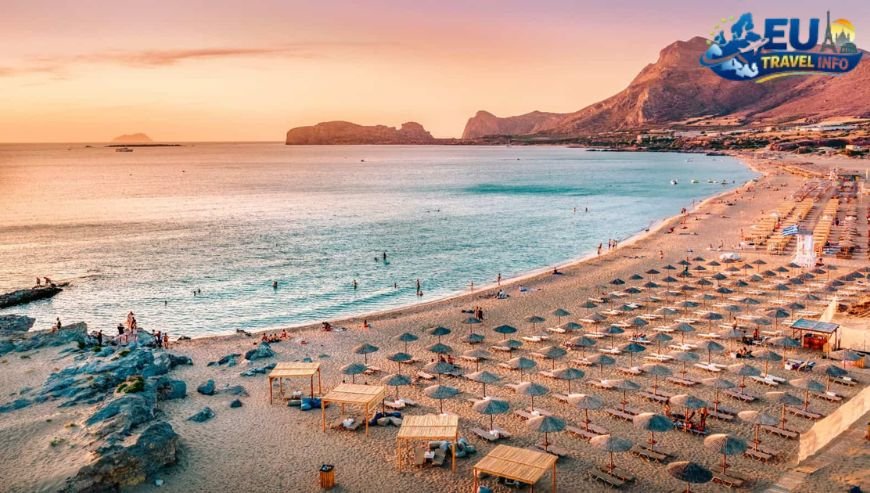
While Santorini is famous and expensive, other islands offer better value. Naxos and Crete have incredible history and beaches for a smaller price tag. You can find local wineries and Bronze Age ruins.
- Experience: A three-night luxury stay in Santorini can cost over €600 per person, but the smaller islands are much cheaper.
Slovenia
Slovenia is one of the greenest countries. Lake Bled is postcard-perfect with its castle on an island. It offers the beauty of the West at a fraction of the cost.
- Vibe: Very relaxed and outdoor-focused.
Montenegro
Montenegro has a dramatic coastline and lovely old towns. Prices here feel like they are from a different era. It is a great alternative to the more expensive parts of Croatia.
- Dinner Cost: Roughly €45 for two.
Sofia, Bulgaria
Bulgaria is a top pick for shoestring travelers. It has a great mix of mountains and affordable city life. Dinner for two is only about €41.
- Regional Category: Very low labor costs mean strong price competition.
Loire Valley, France
You can experience the “high life” here without the Paris price tag. There are over 1,000 vineyards and 300 chateaux. Biking through the valley is a cheap and scenic way to explore.
- Value: Mid-range dining in France averages €60 for two, which is better than the UK or Scandinavia.
Sarajevo, Bosnia & Herzegovina
Sarajevo is one of the cheapest cities for a break. You can have a full three-course dinner for two for only €33. It is a city where eating out still feels like a genuine perk.
- Daily Spending: Very low for accommodation and food.
How Much Does a 2 Week Trip to Europe Cost?
When you plan for 14 days, your budget tier defines everything. I have found that a standard two-week trip typically falls into three categories. Budget travelers usually spend between $1,800 and $3,000. This assumes you stay in hostels and use public transport. Midrange travelers balance value and comfort, spending between $3,500 and $6,000. This allows for 3-star hotels and regular restaurant meals. Luxury travelers often start at $6,500 and can easily go over $12,000. This includes 5-star hotels and private tours.
You should also plan for connectivity. International roaming from home is a trap. It often costs $10 per day. I suggest using an eSIM instead. You can get a 10GB plan for 30 days for about $13 to $19. This keeps your phone bill predictable and helps you navigate public transit.
Strategies to Save More Money
I have learned many tricks over the years. First of all, picnic. You can find amazing pre-made sandwiches or fresh bread and cheese at local markets. Eat outside in a park and watch the world go by. This saves you a fortune compared to sitting in a touristy restaurant.
Additionally, look for free walking tours. Most major cities have them. They are a great way to learn your bearings and see the main sights for just the cost of a tip. Similarly, buy a city tourist card if you plan to do a lot of sightseeing. These cards often include unlimited public transport and free entry to museums.
Finally, be careful with your banking. Use a travel-friendly card like Wise or Revolut. They offer better exchange rates than traditional banks. This prevents you from losing money every time you buy a coffee or a train ticket.
Travel in Europe is an amazing experience. You just need to be smart about your choices. By picking the right cities and using these budget hacks, you can have the trip of a lifetime in 2026. Happy travels!
FAQ
How much to budget in Europe per day?
You should expect to spend different amounts based on your style. First of all, budget travelers usually need between €35 and €75 per day. Mid-range travelers typically spend between €75 and €125. Finally, luxury travelers should plan for €125 to €200 or more every single day.
Is $100 a day enough in Europe?
Yes, $100 is roughly 90 euros. This amount is perfect for travelers in the budget or mid-range categories. You can afford decent meals and a few paid attractions with this money. A real bargain.
How much does a budget friendly trip to Europe cost?
A standard two-week trip for a budget traveler typically falls between $1,800 and $3,000. This includes your stays in hostels and using public transport. However, your final cost depends on the specific cities you visit.
Which Europe country is the cheapest to visit?
Kosovo has the lowest prices for a three-course dinner for two at about €20. Additionally, Poland, Hungary, and Romania are very cheap and offer great value for your money. Romania is a top choice for “dirt-cheap” prices.
Is 1000 euros enough for 2 weeks in Europe?
It is a tight budget. A budget traveler in value countries like Poland or Hungary usually needs about €1,120 to €1,400 for 14 days. Therefore, you might need a little more than €1,000 to cover all your basic costs comfortably.
Is $5000 enough for a vacation?
Yes, it is a great amount for one person. A mid-range trip for two weeks usually costs between $3,500 and $6,000. Plus, $5,000 allows you to enjoy nice hotels and several guided tours.
How much money for 15 days in Europe?
For 15 days, a budget traveler should have at least $2,000. Mid-range travelers should plan for about $3,700 to $6,400. Similarly, luxury costs can easily start at $7,000.
Is 100 dollars a day a lot?
It is a standard average for daily spending if you do not count your hotel. However, if that amount must cover your room, it is considered a budget tier. Simple math.
What month is the cheapest to fly to Europe?
You will find the lowest flight prices between November and March. On the contrary, June through August is the most expensive time to fly.
What are the 7 countries Europe trip?
If you want a low-cost loop, you should visit Poland, the Czech Republic, Hungary, Romania, Albania, Montenegro, and Bulgaria. These countries offer high culture for a low price. Seven budget gems.
What is the cheapest way to visit Europe?
Intercity buses like FlixBus are the absolute cheapest way to move, with tickets starting at €5. Additionally, you should picnic in parks with grocery store food to save on meals. Finally, stay with locals or in hostels to keep lodging costs low.
Is 7 days in Europe enough?
It is enough time to get a good feel of a major city like Paris or London. Though it is a short trip, you can see the main highlights if you plan well.
Where to go for 3 days in Europe?
You can enjoy luxury short breaks in places like Santorini, Greece or Ibiza, Spain. Similarly, Cavtat, Croatia is a pretty town for a quick three-night stay. A lovely escape.
How can I plan a budget-friendly itinerary?
First of all, avoid doubling back on your path. Stay at least four nights in each city to reduce transport fees. Plus, prioritize free attractions like public parks and architecture.
What is the cheapest and safest country to visit?
Slovenia is one of the safest and greenest countries. It offers all the beauty of Western Europe but at a fraction of the cost.
How much money do I need daily in Europe?
A daily budget of €35 to €75 is common for budget travelers. Mid-range travelers usually need €75 to €125. Therefore, your total depends on your travel style.
Is 2000 enough for 2 weeks in Europe?
Yes, it is enough for a budget traveler. The typical budget range for two weeks is $1,800 to $3,000. A solid plan.
How much spending money for 7 days in Paris?
Paris is an expensive city. You should budget between €90 and €170 per day for all costs. Therefore, seven days will cost you between €630 and €1,190 in total.
Concluding words
Europe in 2026 offers amazing variety for every type of traveler. You can find incredible value in Eastern cities like Warsaw and Budapest, where history meets low prices. Though new taxes and the ETIAS fee are now standard, you can still save money by using buses, booking early, and eating like a local. Choosing the right destinations and being smart with your tools will ensure you have a wonderful trip. The perfect adventure is waiting for you.