I spent four months wandering through the winding streets and historic squares of Europe. It was the adventure of a lifetime. The smell of fresh bread in Paris. The sound of train whistles in Berlin. The cold wind in the Swiss Alps. This is why we travel. But let us be honest. The dream can quickly turn into a financial nightmare if you do not plan well. You might ask yourself, how much should I budget for a trip to Europe? I kept track of every single Euro I spent during my 114-day journey. I want to share my secrets with you so you can have a great trip without going broke.
The Big Picture: What Does it Actually Cost?
Many people think a Europe Backpacking Trip Budget is impossible for a normal person. They are wrong. It is all about smart choices. I spent a total of €8,336 for my entire trip. This averages out to about €73 per day. This price included my beds, my food, my trains, and my fun. However, your cost might be higher or lower. It depends on where you go and how you like to live.
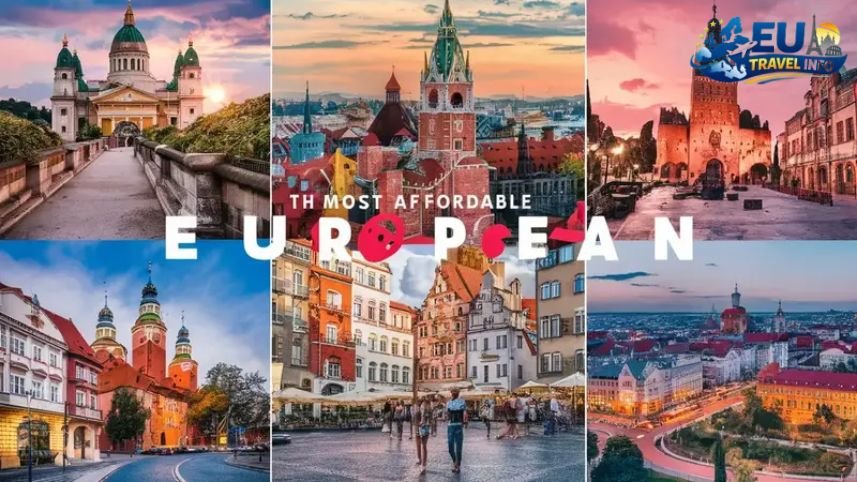
First of all, you should know that Europe is not just one price. It is a mix of expensive and cheap regions. Western Europe is the most famous part. It is also the most expensive. You should expect to spend between $75 and $125 a day there. This includes cities like Paris, London, and Amsterdam. On the contrary, Eastern Europe is a paradise for budget travelers. You can often survive on $40 to $90 a day in places like Prague, Budapest, or Krakow. Similarly, the Balkans are very affordable if you stay away from the coastal tourist traps.
“I’d like to hear others thoughts too. I’ve budgeted 150euro/day (+accom) for an upcoming trip through west/south Europe and the Balkans,” says one traveler on a europe backpacking trip cost reddit thread. That is a very high budget. You can definitely do it for less if you are careful. Plus, if you watch your wallet, you can lower your costs by another 25 percent.
A Quick Look at Regional Daily Budgets
| Region | Budget Style ($) | Mid-Range Style ($) | Key Cities |
| Western Europe | $75 – $125 | $125 – $200 | Paris, London, Amsterdam |
| Eastern Europe | $40 – $90 | $80 – $150 | Prague, Budapest, Warsaw |
| Southern Europe | $60 – $110 | $110 – $180 | Barcelona, Rome, Athens |
| Scandinavia | $100 – $150 | $150 – $250 | Stockholm, Oslo, Copenhagen |
Planning Your Path: Pre-Trip Expenses
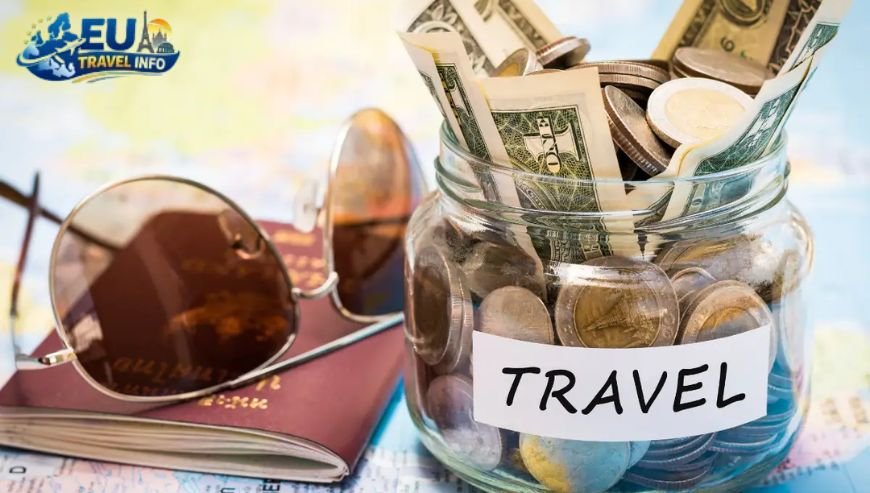
The europe backpacking trip cost starts before you even leave your house. You have to buy gear. You have to buy insurance. These costs add up fast.
First, you need a good backpack. A solid travel bag can cost between $85 and $300. I recommend a size between 40 and 50 liters. It is small enough to carry onto a plane but large enough for your clothes. Second, you must get travel insurance. I cannot stress this enough. I recommend Safety Wing or World Nomads. It is a vital part of your packing list. It covers medical bills and lost items. Expect to pay about $30 a week for a good plan.
Additionally, check your passport. It must be valid for at least six months. A new one costs about $135. Do not forget about your phone. You will need a mobile data plan. An international plan from your home provider might cost $100 a week. Therefore, I use a local eSIM or a company like Airalo. This usually costs only $15 to $25 per week.
Finally, there are health costs. Some countries require immunizations. These can be expensive if your insurance does not cover them. Later, you will be glad you spent the money to stay healthy.
Where You Will Sleep: The Battle for Your Budget
Accommodation will be your biggest daily battle. If you want to keep your budget europe backpacking plan on track, you must look beyond fancy hotels.
The Magic of Hostels
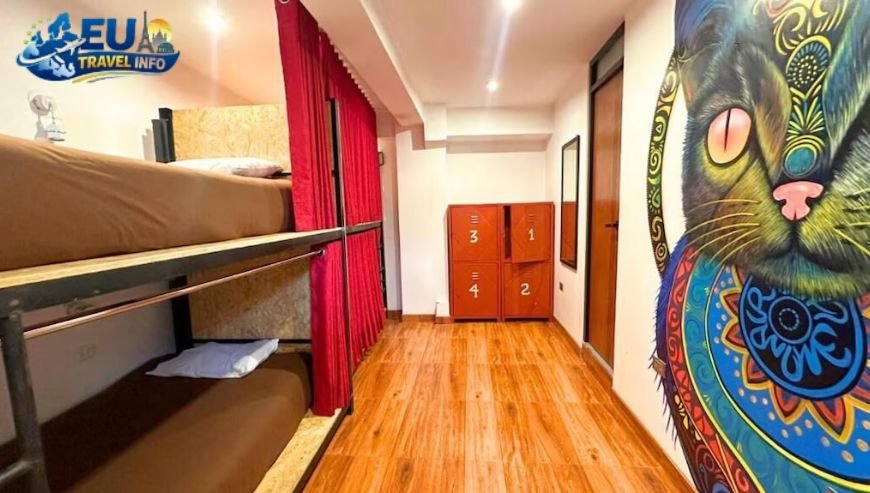
Hostels are the backbone of budget travel. They are the cheapest option. I usually stayed in dorms with 6 to 10 beds. In 2022, my average nightly cost was €30. But look at how much the price changes by country:
- Croatia: €19 a night.
- Italy: €36 a night.
- Poland: €9 a night.
- Switzerland: €50 a night.
- France: €30 a night.
On top of that, big cities have higher prices. In London, a bed can cost up to $85. In Berlin, it might be $45. You should book your beds two or three days in advance to get a good spot. Use sites like Hostelworld or Booking.com.
Alternative Ways to Stay
Though hostels are great, there are other ways to save money. You can try Couchsurfing. This is when a local lets you sleep on their couch for free. It is a great way to meet people. However, it is getting harder to find hosts these days. Also, you can try house sitting. You look after someone’s home while they are away. This is perfect for a 2 months backpacking europe budget because it saves you a lot of money over a long time.
Eating and Drinking Without Going Broke
You can spend a lot of money on food in Europe. Or you can spend very little. The choice is yours. For a budget traveler, a daily food budget is usually between $20 and $60. I spent an average of €17 a day.
First of all, the grocery store is your best friend. I shopped at Lidl and Aldi almost every day. I bought a reusable water bottle to save money on drinks. This simple tip saved me up to €4 every time I was thirsty. Similarly, I used a collapsible lunch box. I would cook a big dinner in the hostel kitchen and save the leftovers for the next day. This way, I only spent about €8 a day on food in some cities.
However, you should still try the local food. It is part of the experience. On the contrary, avoid the restaurants right next to big tourist sights. Walk three streets away from the main square. The prices will drop and the food will taste better. In Spain, look for the “Menu del Día”. It is a fixed-price lunch that is very filling and cheap.
Alcohol and Nightlife
Alcohol can kill your budget. I did not drink much, so I only spent about €2 a day on average. But I know many people love to party. If you are in London, a pint of beer can cost $6.50. In Prague, that same beer is only $2. Buying your drinks at the grocery store is the best way to save money.
Moving Around: Trains vs. Planes vs. Buses
Transportation is usually the next big cost after housing. You have many choices. You can take the train. You can fly. You can take a bus.
The Eurail Pass
The Eurail pass is a classic choice for backpackers. It is flexible. It is easy. A one-month pass costs between €500 and €650. Trains leave from city centers. This saves you time and money on taxis. I used a three-month pass for most of my trip. But be careful. Many high-speed trains require a seat reservation. These fees can be a surprise if you do not plan for them.
Budget Airlines
For long distances, budget airlines like Ryanair or EasyJet are often the cheapest. You can find flights for as little as $40 or $50. But there is a catch. You will pay for every single bag. Plus, airports are often far from the city. You might spend more on the bus to the airport than on the flight itself.
Budget Buses
The cheapest way to travel is often the bus. Companies like FlixBus cover almost all of Europe. Tickets can be as low as €5. They are slower than trains, but they are great for saving money. I used buses for my first month in Croatia. Therefore, I kept my transport costs to about €8 a day.
Sightseeing and Fun
You did not come all this way just to sit in a hostel. You want to see the sights. I recommend budgeting between $15 and $35 a day for sightseeing.
Many famous places cost money. The Louvre in Paris is $18. The Tower of London is $37. However, many museums are free on certain days. Always check their websites before you go. Also, take the free walking tours. The guides work for tips, so give them €5 or €10. It is the best way to learn about a new city.
On top of that, focus on free activities. Walk through the historic neighborhoods. Relax in the parks. Visit the big cathedrals. My favorite memories are not from the expensive tours. They are from the sunsets I watched from free viewpoints.
Hidden Costs: The Surprises No One Tells You
There are many tiny costs that people forget. They are small, but they add up quickly.
First, banking and ATM fees. Every time you take out money, the bank takes a cut. Use a travel card like Revolut to save on these fees. It tracks your spending and converts currency automatically. Second, laundry. You will need to wash your clothes every two weeks. This usually costs between €8 and €12.
Additionally, think about visas. Some countries charge you to enter. Also, port fees or tourist taxes are common. In Berlin, I had to pay a €25 tourist tax. Plus, your gear will wear out. You might need to buy new shoes or a new jacket. Finally, mandatory guides. Some hikes or parks require you to pay for a guide. These costs can be tough to swallow if you are not prepared.
Is it Expensive to Backpack Across Europe?
The answer is yes and no. It is expensive if you stay in hotels and eat at fancy restaurants in Switzerland. It is not expensive if you stay in hostels and eat street food in Poland.
The europe backpacking trip cost from india or any other distant country starts with the flight. This can be $450 to $1500 depending on when you fly. Gradually, you will learn how to stretch your money. Stay in the East longer. Walk more. Cook your own food. These small steps make a big difference.
Real Estate and the Future of Travel
You might notice that prices are going up. This is because real estate returns in Europe are rising. Construction costs have jumped since 2021 because of higher wages and expensive materials. This means hostel owners have to charge more to stay in business. Supply is low in many cities, which keeps rents high. However, tourism is still very strong. Southern European cities like Rome and Barcelona are seeing more visitors than ever. Therefore, you should plan for these rising costs in your Europe Backpacking Trip Budget.
Final Tips for Your Adventure
- Bring a reusable bottle. Save money and help the planet.
- Walk everywhere. It is free and you see more.
- Travel in the off-season. March to May or September to October are perfect. Everything is cheaper then.
- Use luggage storage. If you have to check out early, use Radical Storage. It only costs €5 a day per bag.
- Stay safe. Do not walk alone at night just to save money on an Uber. Your safety is worth more than a few Euros.
Backpacking through Europe is a life-changing experience. It teaches you how to be resourceful. It shows you the world in a way that hotels never can. You will make friends from every corner of the globe. You will have stories to tell for years. And yes, you can do it on a budget. Just be smart. Be flexible. And enjoy every second of the journey.
Your next adventure is out there. It does not have to cost a fortune to change your life. Pack your bag. Buy your ticket. I will see you on the road.
Frequently Asked Questions
What is a realistic budget for backpacking in Europe?
A realistic daily budget is between $75 and $155 for a comfortable experience. This amount covers your bed, food, transport, and fun activities. However, you can lower this cost by 25 percent if you watch every penny.
How much does a 7 day Europe trip cost?
A one-week trip usually costs between $500 and $1,100 excluding your flights. This depends on the region. On top of that, southern cruises can cost about €70 to €90 per day and cover several countries in a week.
Is 40L enough for 3 months?
Yes. A 40-liter to 50-liter bag is the recommended size for most backpacking trips. It holds all your essentials. Plus, it is small enough to fit in most overhead bins on planes.
Is 1000 euros enough for 2 weeks in Europe?
Yes. This budget gives you about €71 per day. Though it is a bit tight for expensive cities like London, it is plenty for Eastern Europe where costs are much lower.
Is $5000 enough for a vacation?
Yes. This amount is more than enough for a one-month trip. Most backpackers spend between $2,500 and $4,500 for a full month. Therefore, you will have extra money for special tours or nice meals.
Is $100 a day enough in Europe?
Yes. It is a perfect middle budget for Western Europe. On the contrary, in Eastern Europe, $100 a day feels like luxury because daily costs there are often under $90.
Concluding words
A successful trip requires a smart Europe Backpacking Trip Budget. You can see the whole continent without spending a fortune if you plan well. Use hostels. Cook your own meals. Take the bus. These simple choices keep your europe backpacking trip cost low. Most importantly, stay flexible and enjoy the adventure. A dream trip. Within your reach.