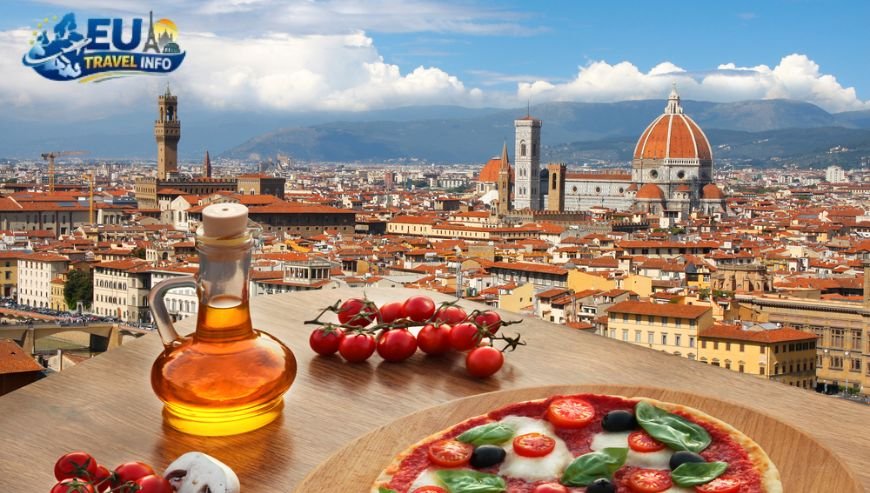
I have spent years wandering through the cobblestone streets of Italy. I have tasted the richest sauces in Rome and the crunchiest street food in the hidden alleys of Palermo. If you are a traveler who loves a good tour and even better food, you know that the food cost in italy travel is a big part of your planning. Italy is a dream for your taste buds. However, it can also be a nightmare for your wallet if you do not have a plan. You do not need to be a millionaire to eat like a king here. You just need to know the secrets of the local table.
First of all, I want to talk about the general landscape of a food budget for italy trip. In 2026, the economy in Italy is steady but prices have changed a bit. I have seen that a traveler can spend anywhere from €30 to over €250 a day on food depending on their style. If you are a mid-range traveler, you should probably aim for €60 to €100 per day. This allows you to sit down for nice meals while also enjoying the fun of street food.
The Great North and the Affordable South
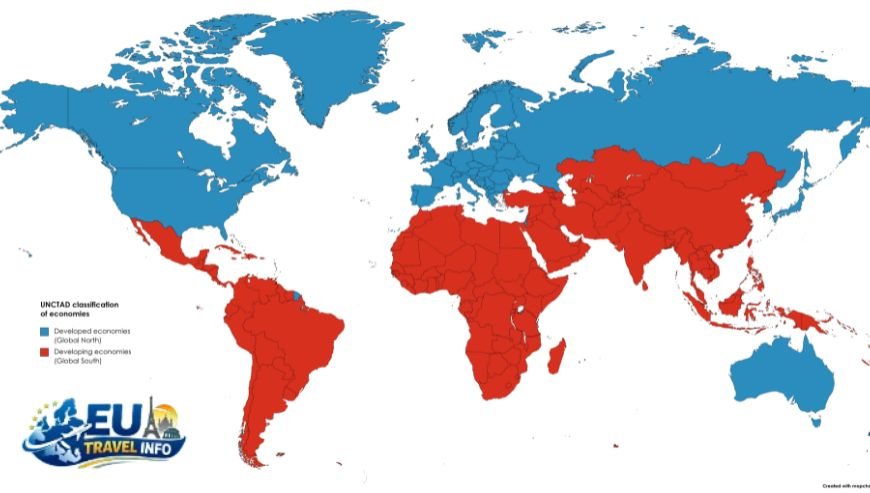
The first thing you must understand is that Italy is not one single price zone. The geography matters more than almost anything else. If you spend all your time in the North, your food expenses in italy will be much higher. Northern cities like Venice, Milan, and Florence are the most expensive culinary markets. Venice is particularly pricey because everything has to be brought in by boat. You might pay 20% to 30% more in Venice than you would in Rome for the same quality of food.
On the contrary, the South is a paradise for people who want to save money. Places like Sicily and Puglia offer incredible value. A full meal in a local trattoria in a city like Lecce or Palermo might cost you only €25, while that same experience in Florence could be €45 or €55. Similarly, the street food in the South is not just cheap; it is world-class. You can find a Popular Food Budget Italy Travel experience in the markets of Palermo where a snack costs only a few euros.
The Art of the Italian Breakfast
First, I will share the secret to a cheap morning. Most people in Italy do not eat a big American-style breakfast with eggs and bacon. Instead, they do the “standing economy.” They walk into a bar and order a coffee and a pastry. If you stand at the bar counter, you avoid the “seating fee” that many cafes charge. I usually grab a soft and buttery brioche for less than €2. My favorite coffee is a cappuccino, which usually costs about €1.40 or €1.50 on average.
Therefore, a simple breakfast at the bar will only set you back about €3 or €4. If you choose to sit at a table in a fancy square like St. Mark’s in Venice or near the Duomo in Florence, that same breakfast can jump to €8 or even €15. Do as the locals do. Stand up. Sip your espresso fast. Enjoy the morning rush.
Additionally, many hotels and Bed & Breakfasts include breakfast in their price. If your place offers this, take advantage of it. It is an easy way to lower your daily food budget italy. Plus, some hotels in Rome or Florence have lovely rooftop views where you can enjoy your morning meal for free.
Lunch and the Magic of “Pranzo di Lavoro”
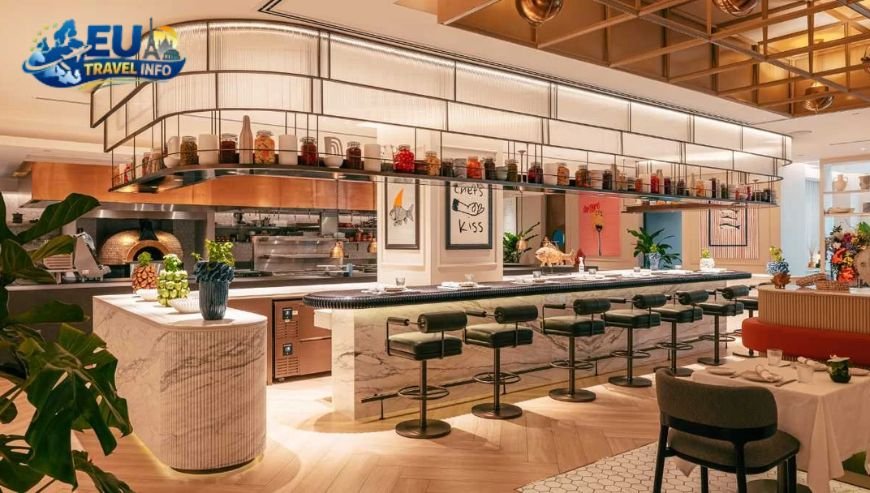
When the sun is high and you are hungry for lunch, you have two great choices. The first is street food. In cities like Florence, I love a good schiacciata. This is a meat and cheese-filled sandwich made from flat bread. It usually costs around €7. Another popular choice is pizza al taglio, which is pizza sold by the slice. This only costs about €2 or €3 a slice.
However, if you want a sit-down meal, you should look for the pranzo di lavoro. This is a “working man’s lunch” that is common on weekdays. These restaurants offer a fixed-price menu for locals. For about €12 to €15, you often get a pasta dish, a main meat or fish dish, a side, water, wine, and a coffee. If you ordered these items separately, you would pay over €30. These spots are usually away from the big tourist monuments. Look for places where people in suits or work clothes are eating.
The Ritual of Aperitivo
As the evening begins, you must join the ritual of the aperitivo. This is my favorite part of the day. Between 6:00 PM and 9:00 PM, many bars offer a drink for about €10 to €20. When you buy this drink, you get access to a buffet of snacks. In Milan, which is the capital of this tradition, the buffets can be huge. They include pasta, risotto, cold meats, and cheeses.
For a mid-range traveler, the aperitivo can actually replace dinner. You get a nice drink, like an Aperol Spritz, and a full belly for a very reasonable price. Just be careful in very touristy areas. Some bars might charge €12 or more just for the drink without much food. Look for bars in student neighborhoods or residential areas like Trastevere in Rome to get the best deal.
Dining Out for Dinner: Trattorias and Osterias
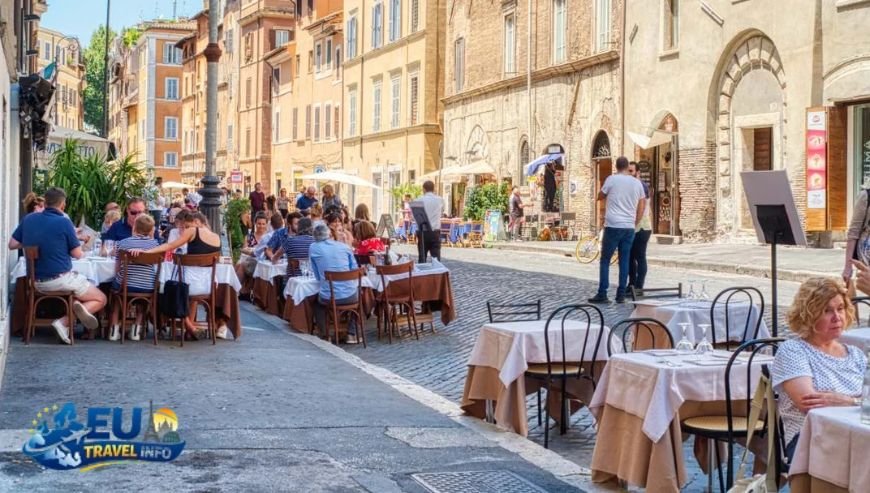
When it is time for a proper dinner, you should head to a trattoria or an osteria. These are usually more casual and cheaper than a formal “ristorante”. A main course at a mid-range spot in Florence or Rome usually costs around €15. If you want a full three-course meal with wine, you should budget about €35 to €55 per person.
First of all, you must watch out for the coperto. This is a cover charge for the table, bread, and service. It usually costs between €1.50 and €3.00 per person. It is a mandatory fee. Do not be surprised when you see it on your bill. Also, tipping is not a big requirement in Italy like it is in the United States. Servers are paid a fair wage. I usually just round up the bill or leave a few small coins as a “thank you” for great service.
Another way to save is to order the house wine. I always ask for the vino della casa. Rick Steves once said that ordering a carafe of house wine can save you $20 in Rome compared to buying a fancy bottle. Most restaurants take pride in their house wine. It is usually local and very good. You can order it by the glass, a half-liter, or a full liter.
A Deep Dive into the Food of Palermo
If you really want to understand how much should i budget for a trip to italy, you have to look at Palermo. This city has been named one of the best for street food in the whole world. The flavors here are a mix of Arab, Roman, Greek, and Spanish cultures. You can eat like a king for very little money.
- Arancine: These are the most famous snacks. They are fried rice balls filled with meat sauce or ham and mozzarella. They cost as little as €2. In Catania, they call them “arancini,” but in Palermo, it is “arancina”.
- Panelle and Cazzilli: These are chickpea fritters and potato croquettes. They are often served together in a bun. It is a perfect vegan snack.
- Sfincione: This is a thick, spongy pizza bread topped with onions, anchovies, and cheese. It is a traditional “peasant food” and very filling.
- Pani ca’ Meusa: This is for the brave. It is a sandwich filled with veal spleen, lung, and trachea. It sounds scary, but it is very tasty.
- Frittula: This is even more mysterious meat. It is fried calf scraps served from a hidden basket. You can get a portion for only €1.
For dessert in Palermo, you cannot skip the Cannoli. These are fried pastry shells filled with fresh ricotta. I always look for shops that fill them right in front of you. This keeps the shell crunchy. A mini cannolo is perfect with a morning coffee.
Tasting the Flavors of Bari
Gradually, you might move to the East coast to visit Bari. This is the heart of Puglia’s food culture. The street food here is simple and honest.
- Focaccia Barese: This is Bari’s edible business card. It is a golden bread topped with tomatoes and olives. You can get a slice for about €1.50 or €2.00.
- Panzerotti: These are fried dough pockets filled with mozzarella and tomato. They look like little bellies. They are best eaten hot, but be careful not to burn your tongue.
- Sgagliozze: These are squares of fried polenta. Local women often sell them from their doorways in the Old Town for just a couple of euros.
- Raw Seafood: Bari is a port city. The morning ritual at the old port involves eating raw seafood straight from the fishermen. I suggest pairing it with a cold Peroni beer.
Managing Your Water Budget
One of the easiest ways to blow your food budget italy travell is by buying bottled water. In many restaurants, a bottle of water will cost you €2 to €4. However, you can save hundreds of euros by using the public fountains. In Rome, these are called nasoni. There are over 2,500 of them! The water is free, cold, and safe to drink.
Therefore, I always carry a reusable water bottle. There are even apps like “Waidy WOW” that help you find the nearest fountain using GPS. If you are a family of four, avoiding bottled water for a day can save you €15 to €20. That is enough money for four extra scoops of gelato!
Grocery Stores and Self-Catering
If you have a kitchen in your rental, the supermarket is your best friend. I have seen that a week of high-quality groceries in Italy can cost around €50 to €75 per person. You can buy fresh pasta for less than €1 and a whole loaf of bread for about €2.
Additionally, a “grocery store meal” of fresh bread, local cheese, and cured meats is a great way to have a picnic. It usually costs only about €8 per person. I love going to the local markets to find the freshest tomatoes and olive oil. It is a fun way to feel like a local while keeping your food budget travel italy under control.
Tipping and Hidden Fees
I want to remind you again about tipping. There is no “tip line” on most credit card receipts in Italy. If you want to leave a tip, you should use cash. However, do not feel like you must leave 20% like in the States. Leaving €2 to €5 per table at a casual spot is plenty. If you are at a very high-end Michelin-starred restaurant, you might leave 5% to 10% if the service was truly amazing.
Also, be aware of the “tourist menu.” You will see signs for these near the big monuments. They often look like a good deal, but the food is usually mediocre. I prefer to walk a few blocks away to find the small, family-run spots with handwritten menus. They often have better food for the same price.
Budgeting for Treats: Gelato and Coffee
Finally, you must budget for the small joys. A good gelato usually costs between €2.50 and €4.50 for a couple of scoops. Do not pay more than that! If the gelato is piled high in colorful mountains, it is probably not the best quality. Look for the “artigianale” signs and gelato kept in metal tins with lids.
Similarly, coffee is a daily ritual. An espresso at the bar should not be more than €1.50. I always find that a mid-afternoon coffee break is the perfect way to rest my feet. Plus, it is a very cheap way to enjoy the atmosphere of a beautiful Italian piazza.
FAQ
How much should I budget for food in Italy?
First of all, your travel style determines the daily bill. A backpacker can survive on €30 to €50 each day. However, most mid-range travelers spend between €60 and €100. Luxury travelers often spend over €120 for high-end meals.
How much is a pizza in Italy?
Pizza is a bargain. I usually pay only €2 or €3 for a slice of pizza al taglio. If you sit down for a whole pizza in a local trattoria, the cost is typically €7 to €15. Total bliss.
How much money do I need for 4 days in Rome?
Rome is a busy city with higher prices. A mid-range traveler should budget between €273 and €455 per day during the special Jubilee Year. Therefore, you need about €1,100 to €1,800 for four days. Plus, you should add a small buffer for extra treats.
Is it cheap to eat and drink in Italy?
It is very affordable compared to the United States. You get fresh and high-quality meals for lower prices if you avoid tourist traps. Alcohol is especially cheap. For instance, house wine is often less than €10 for a whole liter.
Is 1500 euros enough in Italy?
This amount is quite generous for a week. It easily covers a budget traveler or a mid-range visitor for seven days. Though, a luxury traveler would need more than that for a high-end experience.
How many euros should I take to Italy for 10 days?
I suggest a budget traveler takes €700 to €900 for a ten-day circuit. Mid-range travelers will likely spend around $2,400 to stay comfortable.
Is 300 euros enough for Italy?
No, this is not a lot of money. It only lasts a backpacker about 3 to 6 days. You will run out of funds quickly in expensive cities like Venice or Milan.
Is it better to use cash or card in Rome?
I use my card for most big bills. However, cash is essential for small bars, markets, and church donations. It is better to have both available.
How much does dinner cost in Rome?
A casual dinner in a local trattoria costs €15 to €25 per person. If you want a full meal with wine and dessert, plan for €30 to €50. Pure luxury.
How much should I budget for a 2 week trip to Italy?
For a fourteen-day adventure, a budget traveler needs $2,200 to $3,200. Mid-range travelers should plan to spend between $4,500 and $6,000.
How much is a coke in Rome?
A small Coke or Pepsi usually costs about €2.88 on average. In some restaurants, the price can reach €5.
Concluding words
Italy is a top destination for travelers who love food and tours. You can save money by standing at bars and choosing house wine. Regional differences are real. Southern towns are much cheaper than northern cities. Advance planning helps you stay within your limits. Plus, the local markets offer fresh and affordable treats. You will find that a great meal is possible on any budget.
As Kenny Dunn from Eating Europe notes, understanding prices helps you plan for the best experiences. I always remember the advice from Rick Steves: ***“The best travelers are not those with the thickest wallets, but those with a knack for connecting with locals and their culture.”***.