
I am about to share my best secrets on How To Pack For A Budget Friendly Trip To Europe. Many people dream of exploring the ancient streets of Rome or the beautiful canals of Amsterdam. However, the costs can add up very fast. I have spent over 4,800 days traveling across the world. I have learned that the best way to save money is to travel light.
The sweet freedom of true mobility comes when you carry only what you need. You do not need multiple heavy suitcases. First of all, you avoid high fees for checked bags. Additionally, you do not have to wait at the baggage claim. Therefore, you can walk straight out of the airport and start your adventure. Transitioning to the first major step, let us talk about why carry-on travel is the best choice for your wallet.
The Magic Of Carry-On Only Travel
I always recommend a “carry-on only” lifestyle. This choice saves you between €50 and €100 per trip in baggage fees. It is the secret of a sophisticated traveler. When I am gliding through charming cobblestone streets, I am happy I am not wrestling with a massive suitcase.
Europe has many budget airlines like Ryanair and easyJet. These airlines are very strict. However, if you follow the rules, you can save a lot of cash. Ryanair allows a free small bag of 40 x 30 x 20 cm in 2026. This is 20 percent larger than the old size. EasyJet allows a free bag of 45 x 36 x 20 cm. On top of that, easyJet has no official weight limit for cabin bags as long as you can lift them. Plus, traveling with one bag makes it easier to use public transit like buses and trains.
Finding The Perfect Travel Backpack
A good bag is your most important tool. I prefer a backpack over a rolling suitcase. Backpacks make it easy to move through crowded streets and up old stairs. I have tested sixteen of the top travel packs.
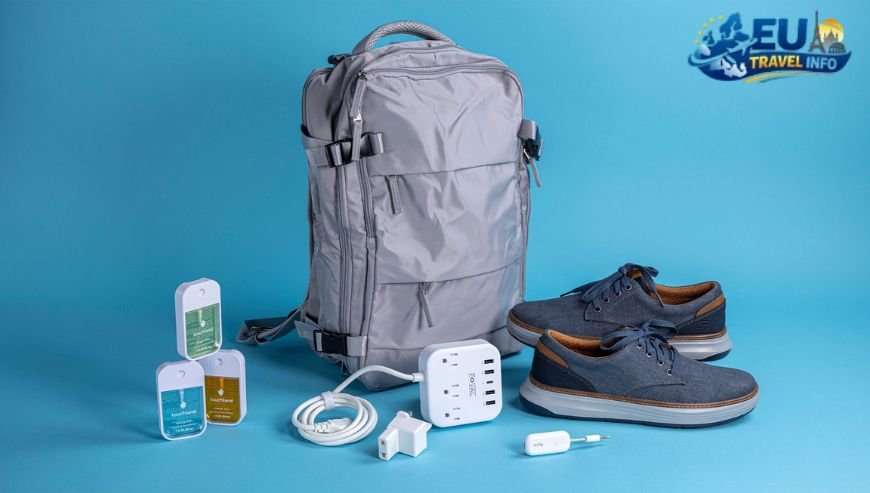
The Cotopaxi Allpa 35L is my top pick for most people. It has a clamshell opening that makes it easy to find your gear. It includes a mesh organization system. Though it is simple, it is very convenient. For those on a tight budget, the Osprey Daylite Carry-On 35 is a high-quality option. It is lightweight and durable.
If you carry a lot of tech for work, the Tortuga Travel Backpack 40L is excellent. It features waterproof fabric and lockable zippers. Additionally, it has a great sleeve for a laptop and a tablet. Transitioning to organization, once you have a bag, you need to learn how to fill it properly.
Packing Cubes: Your Best Friend For Organization
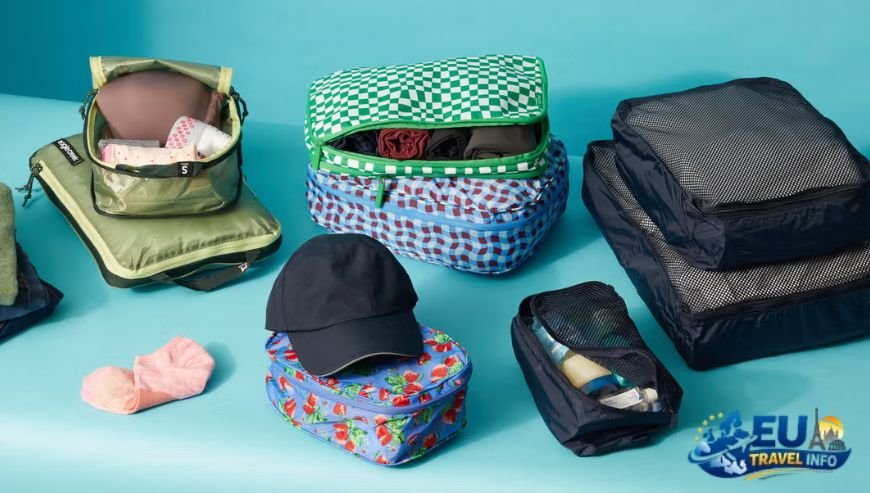
I never travel without packing cubes. They are the best travel hack for efficiency. They keep your items tidy and stop your bag from becoming a “black hole”. Gradually, you will see that you can fit much more in a small space.
First of all, I love the Patagonia Black Hole Cube. It is very durable and weather-resistant. It features two distinct compartments to separate clean and dirty items. Similarly, the Eagle Creek Pack-It Isolate cubes are very popular. They are made from 100% ocean-recycled fabrics.
If you want to maximize space, use compression packing cubes. These have an extra zipper that squishes the air out of your clothes. The BAGSMART Blast Compression Cubes offer great value. However, the compression process takes some effort with thick fabrics like denim. Finally, you can find the Gonex Compression Packing Cubes on Amazon for a low price. They are perfect for families.
Europe Packing List Female: Looking Chic On A Budget
The goal is to look like a local and not a tourist. I suggest a capsule wardrobe. This means you bring pieces that all match each other. You can create 12 outfits with just 8 pieces of clothing. Transitioning to specific items, here is what I recommend for a woman.
Europe Travel Essentials Amazon often include simple, high-quality items. First of all, pack 4 to 5 tops. Choose dark colors because they hide stains. Additionally, bring 3 bottoms. These can be skirts or neutral-colored pants. On top of that, a versatile dress is a must. You can dress it up for a nice dinner or wear it to a museum.
For a Europe Packing List Female Fall, you must think about layers. A lightweight cashmere wrap is a great choice. It can be a blanket on the plane or a shawl for dinner. Similarly, a nice jacket can make your whole outfit look better. I often wear a vegan leather jacket in the spring or fall. I also suggest a scarf for warmth and to cover your shoulders in churches. Plus, a simple canvas hat is easy to pack and keeps the sun away.
Europe Packing List Male: Simple And Smart
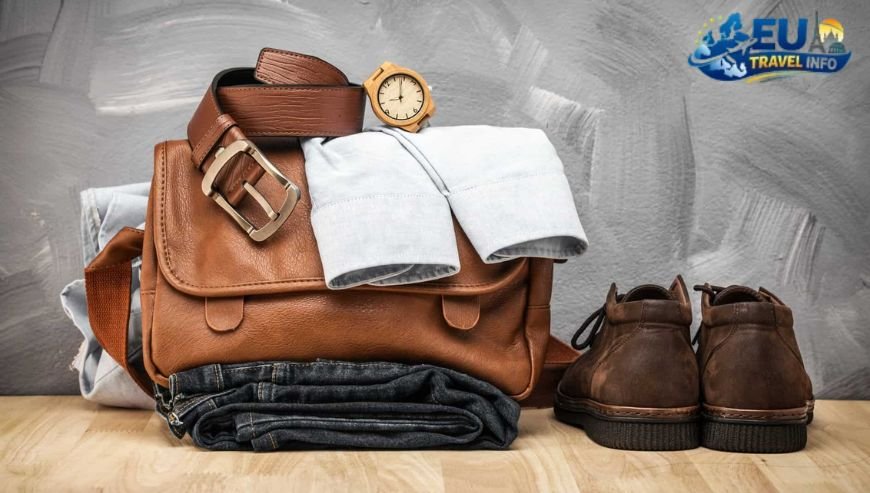
Men should also focus on fit and neutral colors. I have found that jeans are used everywhere. However, dark grey khaki pants also look very good and are versatile. Transitioning to a 10-day plan, here is a what to pack for a 10 day trip to europe list for men.
- 5 Shirts: Mix long and short sleeves.
- 2 Pairs of Pants: Jeans or chinos.
- 5 Sets of Underwear and Socks: I recommend New Balance Performance Trunks because they handle active days well.
- 1 Sweater or Fleece: A quarter-zip pullover is a good layer.
- 1 Water-Resistant Jacket: Essential for rainy days.
First of all, choose items that are easy to machine wash. Also, avoid “safari clothes” like travel vests with too many pockets. These make you stand out as a target for pickpockets. Therefore, keep it simple and smart.
The 2-Week Summer Strategy
If you are planning what to pack for a 2 week trip to europe in summer, you must be even more careful. The heat can be intense in places like Spain or Italy. Gradually, the weight of your bag will feel heavier in the sun.
Pack lightweight fabrics like linen or moisture-wicking polyester. I like linen shirts and printed pants. Additionally, bring a swimsuit for beaches or waterfalls. Similarly, pack standard pajamas or a worn-in t-shirt to sleep in so you do not have to wash your day clothes as often.
Footwear: The Style Anchor
Shoes are the heaviest part of your bag. I believe you only need two pairs. First of all, you need ultra-comfortable walking shoes. You will often walk 5 to 10 miles a day on cobblestones. I love Hokas for serious support. Also, a pair of canvas trainers like New Balance or Vessi sneakers are great for city walks.
Transitioning to the second pair, bring something a bit dressier. For women, elegant flats like Rothy’s are excellent. For men, a clean pair of leather-like sneakers works well. Plus, a pair of flip-flops or Havaianas is a good idea for the beach or hostel showers. Do not bring brand new shoes that are not broken in. Similarly, avoid high heels because they are dangerous on old stone streets.
Toiletries: The TSA 3-1-1 Rule
The TSA 3-1-1 rule is a big challenge for carry-on travelers. The rule means:
- 3.4 ounces (100ml) or less per bottle.
- 1 quart-size bag.
- 1 bag per person.
I always suggest replacing liquids with solids. First of all, use solid shampoo and conditioner bars. Also, try a solid deodorant stick. Transitioning to packing, I use Matador FlatPak Toiletry Bottles. They flatten out as you use them, which saves space.
On the contrary, do not pack every item you use at home. Most hotels and hostels provide basic soap and shampoo. Additionally, European pharmacies sell amazing products at good prices. Therefore, pack only what you need for the first few days and buy the rest later. Finally, always use a small transparent toiletry bag to make security fast.
Tech And Safety: Outsmarting Thieves
Europe is generally safe, but petty crime like pickpocketing happens in busy areas. First of all, I highly recommend a money belt. Wear it underneath your clothes to keep your cash and passport safe. Transitioning to bags, choose a crossbody bag with a zipper. It is much harder for a thief to grab than a backpack on your back.
Do not wear your camera around your neck. Put it away in your bag when you are not using it. Similarly, do not set your phone on a restaurant table. A thief can swipe it in a second. Also, consider a portable charger. Exploring with Google Maps kills your battery fast. I use an Anker PowerCore 20K which can charge a phone five times. Plus, a universal power adapter like the OneAdaptr OneWorld PD is a must for over 150 countries.
The Vital Need For Travel Insurance
I have learned that your health is number one. If you are sick, you cannot enjoy your trip. Transitioning to costs, medical expenses in other countries can be very high. Therefore, I always buy travel medical insurance.
I use SafetyWing because it is affordable. It costs about a couple of dollars a day. On top of that, it is a “pay as you go” subscription. If you are from Europe, True Traveller insurance offers great value. Their True Value coverage starts at just €29 per month for people under 40. It includes a €10 million limit for medical expenses. Similarly, Heymondo is a good choice for those outside the EU. Finally, always carry a copy of your insurance details in your bag.
The Health And First Aid Kit
A basic travel health kit is important. First aid supplies may not be easy to find in a strange city. Transitioning to what to include, here is a simple list for your Europe travel checklist PDF.
- Adhesive bandages and blister pads.
- Hand sanitizer.
- Pain relievers like ibuprofen or acetaminophen.
- Antacids and anti-diarrheal medication.
- Tweezers for splinters.
- Thermometer.
Additionally, if you wear glasses, bring an extra pair or your prescription. Similarly, pack earplugs for sleeping in noisy hostels or on loud planes. I like Anbow Silicone Earplugs. Plus, a small sewing kit is helpful for fixing a rip in your clothes.
Doing Laundry On The Road
You do not need to pack 14 days of clothes for a 2-week trip. First of all, plan to do laundry every 3 or 4 days. Transitioning to how to do it, you have a few choices.
Many hostels and hotels have laundry facilities. In some places like India or Southeast Asia, it is cheap to drop off your clothes and pick them up later. However, I often use the sink-wash method in my hotel room.
- Fill the sink with warm water and a bit of laundry detergent. I use laundry soap sheets because they are not liquids.
- Let the clothes soak.
- Rub the fabric together to remove dirt.
- Rinse and wring them out.
- Hang them on a travel clothesline or a balcony.
Gradually, this becomes a quick routine. Therefore, you can pack lighter and still stay fresh. Plus, a Tide-to-Go pen is great for small stains like pasta sauce.
Budget Hacks For Daily Life
Packing smart is just the start. Transitioning to saving money daily, here are my best tips.
First of all, eat like a local. I love European grocery stores like Lidl and Aldi. They are very affordable and fun to explore. I buy local cheese and meat and have a picnic in a park. This is much cheaper than a restaurant lunch. Similarly, buy your wine or beer at the grocery store. A bottle of local wine at Lidl might cost €3, while one glass at a bar is €5.
Additionally, use public transport. Trains and buses are much cheaper than renting a car or taking a taxi. I use apps like Omio to compare prices for trains and buses. Also, check for free walking tours in major cities. They are a great way to see the architecture and learn history. Though they are called “free,” you should tip the guide at the end.
On the contrary, some things are worth a splurge. If there is a museum or a food tour you have dreamed about, do it. However, be intentional with your spending. If you do not care about a famous tour, do not do it just because it is popular.
Printable Packing List For Europe: Final Review
Here is a quick summary of the Europe travel essentials Amazon that I never leave without.
- Main Bag: Cotopaxi Allpa or Osprey Fairview.
- Organization: 3 to 5 Packing Cubes.
- Footwear: 1 pair of Hokas and 1 pair of nice flats or clean trainers.
- Safety: Money belt and a crossbody bag.
- Health: First aid kit, insurance info, and earplugs.
- Laundry: Detergent sheets and a sink stopper.
Finally, remember that “less is more”. You do not need your entire wardrobe. There are plenty of great stores in Europe if you forget something. You can even buy a clothing souvenir to bring home.
Traveling to Europe on a budget is very possible. First of all, pack light. Additionally, stay vigilant with your gear. Gradually, you will become a pro at navigating the cobblestone streets with just one bag. I hope this guide helps you have the adventure of a lifetime. Happy travels!
Frequently Asked Questions
Is 1000 euros enough for 2 weeks in Europe?
You can make a budget of 1,000 euros work if you choose affordable countries. This is a tight budget for fourteen days. However, food from local grocery stores like Lidl will save you plenty of money. Gradually, you will learn to enjoy park picnics instead of expensive dinners.
What month is the cheapest to fly to Europe?
November and Spring are the best times to find low prices. Flights cost much less during the off-season. Therefore, you should avoid the busy summer months if you want to save cash.
What is the best way to carry money in Europe?
You should wear a money belt underneath your clothes for the best security. It is the safest place for your passport and your extra cash. Plus, use a credit card that does not have foreign transaction fees to avoid extra costs.
What is the most expensive country in Europe for tourists?
Northern countries like the UK, Netherlands, and France cost the most for travelers. On top of that, Ireland and Northern Italy are also on the pricey list. Similarly, medical costs in these areas can be very high without insurance.
What is the cheapest way to travel around Europe?
Buses like Flixbus are very affordable for budget travelers moving between cities. Also, walking is a free and fun way to see local sites and stay fit. Gradually, you will see that public transit is much cheaper than renting a car.
What is the most expensive month to visit Europe?
Summer is the most expensive time to visit because of the high demand from tourists. Prices for flights and rooms go up fast during this peak season. Therefore, travel during the winter or spring to keep your costs low.
What is the 3 month rule in Europe?
Credit card insurance usually only covers you for the first 90 days of a trip. Additionally, you should start looking for travel insurance 3 months before you depart.
Which part of Europe is the cheapest to visit?
Southern and Eastern Europe are the most affordable regions for tourists. On the contrary, Northern Europe is much more expensive.
Where not to go in Europe right now?
You should be very careful in Barcelona because of overtourism issues. Also, watch out for pickpockets on Rome bus #64 and the Paris Metro where thieves gather.
Concluding words
You can travel through Europe on a small budget if you follow these rules. First of all, stick to carry-on bags to avoid extra fees. Use compression cubes to organize your clothes and wash them in your hotel sink. Additionally, keep your money safe in a belt and avoid tourist traps. These choices will save you hundreds of euros. A smart traveler is a happy traveler!