
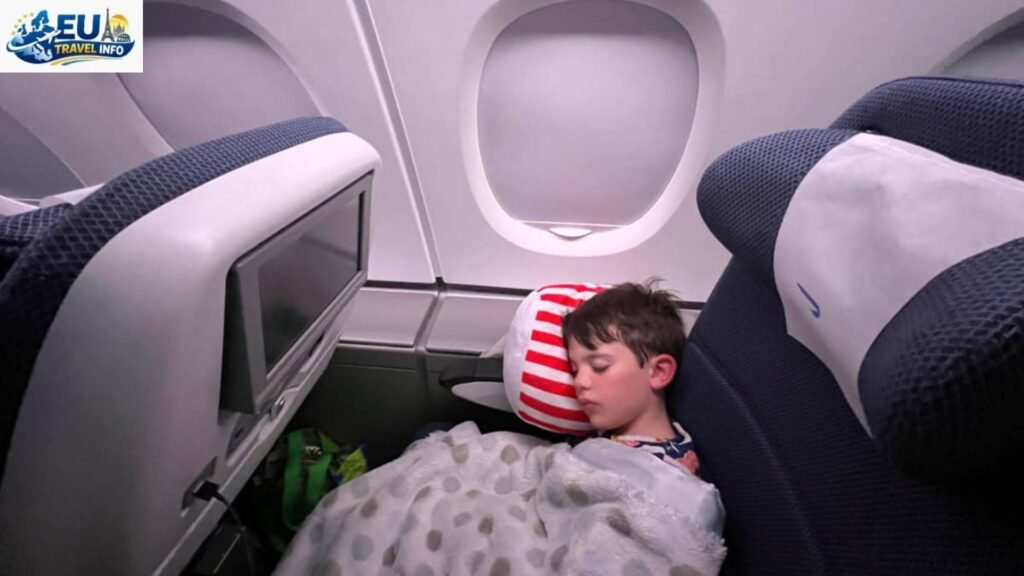
You stand at the gate. The sun sets behind the massive tail of a Boeing 777. Your excitement for a European vacation is high. However, a shadow looms over your joy. The dreaded overnight flight. You know the drill. Narrow seats. Loud engines. The person in front of you reclines way too far. It feels like a recipe for a 10-hour nightmare.
You want to land in London or Paris feeling like a human. You do not want to look like a zombie in your first vacation photos. How to sleep on an overnight flight is a question that haunts every traveler. I have been there many times. I have sat through dozens of 10-hour flights in the cheapest seats. I have turned the art of how to sleep on flight to europe into a science.
First of all, you must realize that sleep does not just happen on a plane. You must plan for it. You must fight for it. It starts days before you even leave your house. If you follow these overnight flight to europe tips, you will have a much better chance of catching those elusive Z’s.
The Three-Day Countdown: Prepare Your Body
Your internal clock is a stubborn thing. Medical experts call this your circadian window. For most of us, this window is between 11 p.m. and 7 a.m.. When you fly across the ocean, you smash this window into pieces.
Therefore, you should start your adjustment early. Three days before you fly, move your bedtime one hour earlier each night. If you normally go to bed at 11 p.m., go to bed at 10 p.m. on the first night. Go to bed at 9 p.m. on the second night. This helps your body adjust to the European time zone before you even leave. It takes about one day for your body to adjust for every time zone you cross. Planning ahead is the first step in how to sleep on an overnight flight.
Similarly, try to get a good night of rest the night before your trip. Some people think they should stay up all night to be tired for the flight. On the contrary, this often backfires. You end up over-tired and stressed. Stress is the enemy of rest.
Booking Secrets: The Battle for the Best Seat
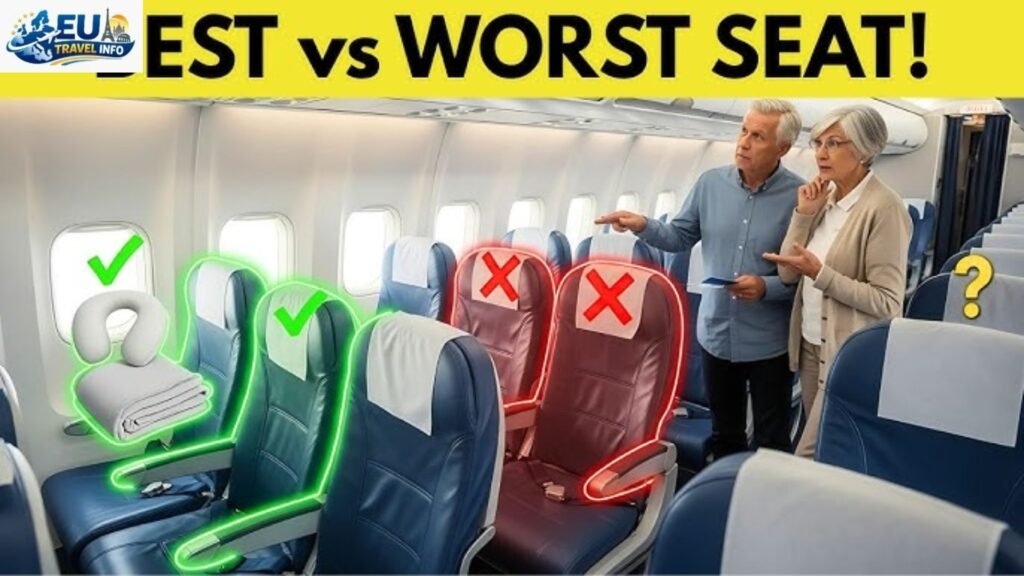
The seat you choose is your bed for the night. You would not pick a lumpy mattress at home. Plus, you should not pick a bad seat on a plane. First of all, you must reserve a window seat.
Why the window? You can lean your head against the wall. This gives you a solid surface for support. Also, you only have one person next to you. You do not have to worry about people in the middle row bumping into you as they go to the bathroom.
Additionally, think about which side of the plane you prefer. If you sleep on your left side at home, book a seat on the left side of the aircraft. This allows you to rest your head against the window in a way that feels natural to you. It creates a small illusion that you are in your own bed.
The Poor Man’s First Class
If you travel with a partner, try the window-aisle trick. You book the window. Your partner books the aisle. You leave the middle seat empty. If the flight is not full, nobody will choose that middle seat. This gives you a whole row to share. You get extra wiggle room. You can even lift the armrests to lie down if the row stays empty.
However, if the plane is full, do not worry. The person in the middle will almost always trade for an aisle or window. You lose nothing by trying.
Avoid the “Bump” Zones
Avoid seats near the galleys or bathrooms if you are a light sleeper. People congregate there. They talk. They slam doors. Also, try to pick a seat with no one behind you. A seat in front of a wall or bulkhead is perfect. You will not have anyone kicking your seat or slamming their tray table all night.
What to Wear: Comfort Over Style
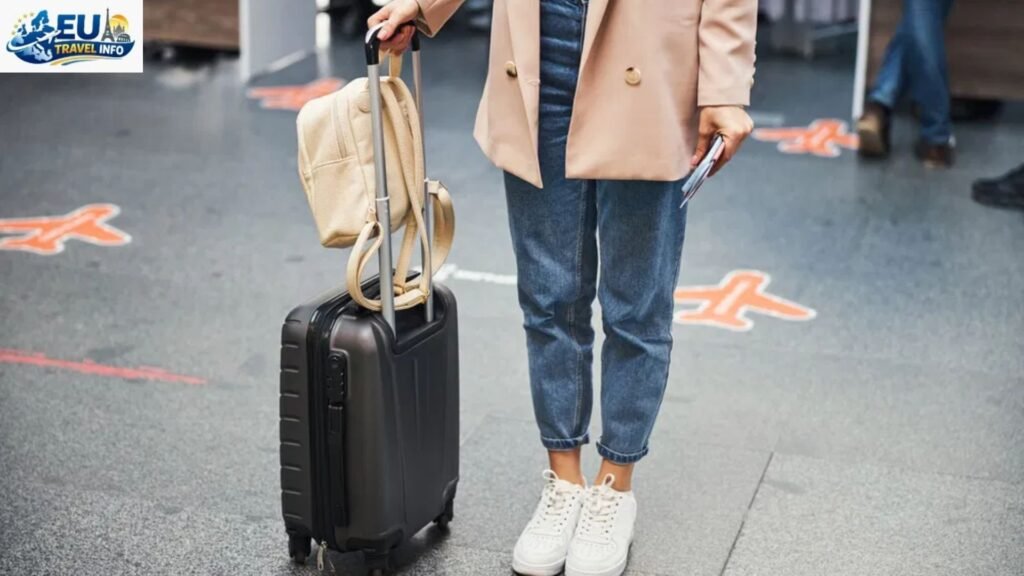
Forget about looking like a movie star at the airport. You are there to sleep. Wear loose clothing. Your body gets bloated in the air. Tight jeans will feel like torture after four hours.
Layering is key. The plane cabin can be freezing or boiling. A loose tank top with a soft sweater is a great combo. On top of that, bring cozy socks. Slip your shoes off once the plane is in the air. Your feet will thank you.
Some travelers swear by disposable hotel slippers. You can wear them to the bathroom so your socks do not touch the floor. You can throw them away after the flight to save space.
The Sleep Kit: Your Tools for Success
You cannot rely on the airline to provide good gear. Most of the time, they give you a thin, scratchy blanket that might not even be clean. You need your own kit.
The Ultimate Travel Pillow
The classic U-shaped pillow is okay, but there are better options.
- The Infinity Pillow: This is a soft loop that you can wrap around your neck multiple times. It feels like a giant hug.
- The Ostrichpillow Go: This uses high-quality memory foam and wraps tightly around your neck.
- The Trtl Pillow: This looks like a scarf but has a hidden brace inside to hold your head up.
- Inflatable Options: These are great for saving space in your bag.
Silence the Noise
The drone of an airplane engine is about 80 to 85 decibels. That is loud. You need to block it out. Noise-canceling headphones are a popular choice. They are great for long-haul travel.
However, some people prefer foam earplugs. They are better at blocking out high-frequency sounds like crying babies or chatting neighbors. For maximum silence, try doubling up. Put in earplugs and then wear noise-canceling headphones over them. This can give you 15 extra decibels of peace.
Total Darkness
Light tells your brain to stay awake. An eye mask is a must-have item. It blocks out the reading lights of other passengers and the glow from the TV screens.
The Menu for Rest: What to Eat and Drink
What you put in your body changes how you feel in the air. Overnight flight to europe success depends heavily on your diet.
Avoid the Sleep Stealers
- Alcohol: It might make you drowsy at first, but it ruins the quality of your sleep. You will wake up feeling dehydrated and groggy.
- Caffeine: Do not drink coffee or soda for several hours before your flight.
- Heavy or Greasy Foods: Your body works hard to digest these. This keeps you awake.
Eat for Sleep
Look for foods rich in magnesium, tryptophan, and melatonin.
- Turkey and Cheese: A classic source of tryptophan.
- Bananas: They contain magnesium and potassium to relax your muscles.
- Tart Cherries: These are a natural source of melatonin.
- Oatmeal: A great complex carbohydrate that helps regulate sleep.
Additionally, order a special meal when you book your flight. These meals usually come out first. You can finish eating and start your sleep routine while everyone else is still waiting for their food.
Hydration is Non-Negotiable
The air on a plane is very dry. It can lead to dehydration. This makes you feel tired and sick. Drink plenty of water throughout the flight. Keep a water bottle in your seat back pocket.
However, do not drink so much that you have to run to the bathroom every 30 minutes. Find a balance.
Medications and Supplements: Proceed with Caution
Some people need a little extra help to fall asleep. Melatonin is a popular natural supplement. It helps reset your internal clock. Most experts suggest a dose of up to 10 milligrams.
Others use over-the-counter aids like ZQuil or Diphenhydramine. These can be effective, but they have a long half-life. This means they stay in your system for a long time. You might feel very groggy when you land. Always talk to your doctor before trying new medications in the air.
If you are a speaker of other languages, you might look for meditation apps or guides in your native tongue. For example, some people search for how to sleep fast in bangla to find relaxation techniques that work for them. Finding comfort in your own language can help lower your stress levels.
The Routine: Mimic Your Bedtime at Home
Your brain loves patterns. Create a “mini-bedtime” on the plane.
- Wait until after the meal service: Trying to sleep while flight attendants are moving carts and turning on lights is hard.
- Clean up: Use a wet wipe to wash your face. Brush your teeth. Put on some lotion to fight the dry air.
- Wind down: Read a book or do a crossword puzzle. Avoid the bright screens of the in-flight entertainment system if possible.
- Buckle up correctly: Fasten your seatbelt over your blanket. This way, flight attendants will not wake you up to check it if the “Fasten Seatbelt” sign comes on.
Hidden Airplane Features You Should Know
Modern planes have hidden secrets that can help you.
- The Hidden Armrest Button: On many aisle seats, there is a small button near the hinge underneath the armrest. If you press it, you can lift the armrest up. This gives you a little more space to get in and out of your seat. It can also make a tight row feel less cramped.
- Overhead Handrails: Look under the overhead bins. You might see a rail. This is for the crew to hold onto during turbulence, but you can use it too. It helps you stay stable if you need to stand up and stretch.
- Headrest Wings: Most airplane seats have headrests with “wings” that fold in. Use them to cradle your head so it does not flop to the side while you sleep.
The Statistics of Air Travel
Flying is a massive operation. Did you know that the FAA reported over 2,100 unruly passenger incidents in 2024? This is why planes have hidden handcuffs or restraint kits on board. The crew is there for your safety. If you see someone behaving badly, do not get involved. Let the professionals handle it.
Also, consider the engineering of the plane. Those tiny holes in the windows are there to balance the pressure between the cabin and the outside air. The cabin is usually pressurized to feel like you are at 6,000 to 8,000 feet. Understanding these details can help you feel more relaxed about your flight.
Once You Land: Fighting the Jet Lag
The battle for sleep does not end when the wheels touch the ground.
Go with the Local Flow
If you land in the morning, do not go to sleep immediately. Stay awake. Get out into the sunlight. Light exposure is the best way to reset your internal clock. Late morning and early afternoon sun is best if you are traveling east to Europe.
Move Your Body
Take a warm shower and go for a walk. Increasing your core body temperature signals to your brain that it is time to be awake.
The Two-Day Rule
If your trip is very short (less than two days), do not try to adjust to the local time. Stay on your home schedule as much as possible. You will be heading back before your body can truly adapt anyway.
Summary Checklist for Your Flight
- Book a window seat on your preferred sleeping side.
- Pack an eye mask, earplugs, and a high-quality pillow.
- Wear loose layers and bring slippers.
- Drink plenty of water but skip the alcohol and caffeine.
- Eat a light, tryptophan-rich snack before you sleep.
- Set a bedtime routine and buckle your seatbelt over your blanket.
- Walk in the sunshine as soon as you arrive in Europe.
Traveling is a joy. The flight is just a small price to pay for the memories you will make. With these tips, you can turn a long night in the sky into a restful journey.
Frequently Asked Questions
How to sleep on an overnight international flight?
To sleep on a long international flight, you must focus on comfort and blocking out the world. Use a foot hammock to take pressure off your lower back. Use white noise apps on your phone to create a consistent sound environment that masks the cabin noise. Always keep your essentials within reach in a small bag at your seat so you do not have to keep reaching into the overhead bin.
How to prepare for an overnight flight to Europe?
Preparation involves both your body and your gear. Adjust your sleep schedule by one hour each night for three days before you leave. Avoid heavy meals and stressful situations on the day of travel. Make sure your carry-on bag is organized so you can quickly pull out your sleep kit once you are on board.
How to sleep when traveling to Europe?
Consistency is key. Try to mimic your home environment. Use the same scents or sounds you use at home to signal to your brain that it is time for rest. If you use a specific pillow or blanket at home, see if there is a travel-sized version you can bring.
Is it possible to sleep overnight in an airport?
Yes, it is possible, though it is not always comfortable. Some people use large, rectangular inflatable pillows like the Rab Stratosphere for horizontal sleep in departure lounges. Always check the airport rules, as some airports close certain sections at night. Look for designated “quiet zones” or rest areas that many major international hubs now offer.
Concluding Words
Sleeping on an overnight flight to Europe is all about strategy and preparation. By choosing the right seat, packing the proper gear, and managing your diet, you can maximize your rest. Remember to stay hydrated and follow a routine that mimics your life at home. Gradually adjusting your body to the new time zone will ensure you arrive in Europe ready for adventure.