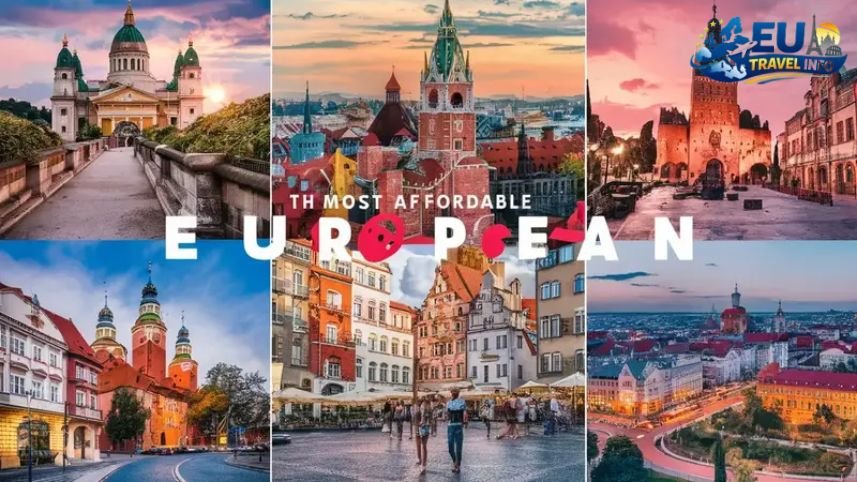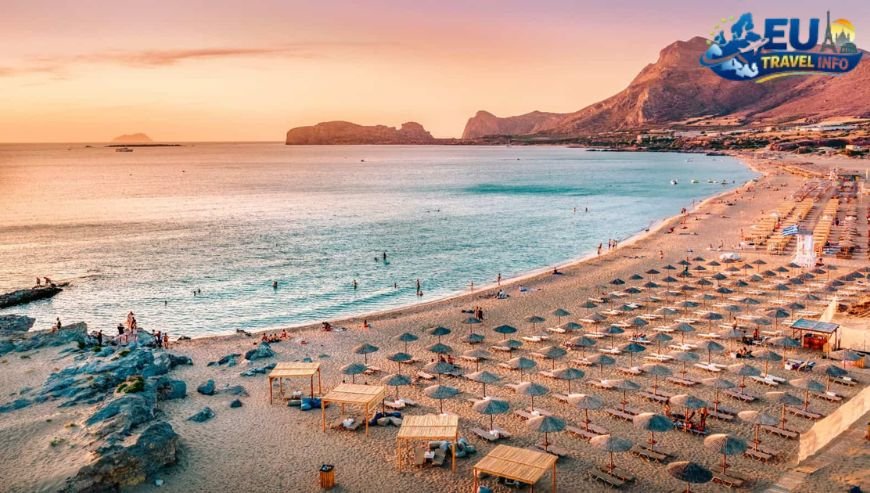
I have dreamed of sangrias in the sunshine and croissants in cozy cafes for a very long time. I first backpacked Europe in 2006 and I was hooked immediately. I have returned every year since that time. Europe is a massive and diverse continent with a limitless assortment of things to see. How to Travel Around Europe on The Cheap is a question I have sought the answer to for over a decade. I have lived as a backpacker, a broke student, and an expat. I can tell you that the perceived cost should not put you off. It is absolute bliss. 10/10: I would recommend it.
The Secret to Arrival
First of all, you must decide how to get there. Flying is for most of us the best and cheapest way to travel to Europe. How cheap you can do it depends on three things: your flexibility, your time, and your willingness to be uncomfortable. I often break a large distance into a series of budget flights. For example, a trip from Manchester to Melbourne can be cheaper if you stop in Berlin and Dubai. I recommend that you use comparison websites like Skyscanner or Omio.
Selection of your arrival airport is also a critical move. Not every airport in Europe is equal. Some low-cost airlines fly into airports that are not even in the city they claim to be in. This is due to different taxes and landing fees. If you plan a trip from the United States to Berlin, you might want to fly into Madrid or Lisbon and then connect. Dublin, Scandinavia, and Rome are also among the cheapest places to fly into from the US. Best way to travel to Europe for the first time is to pick a linear route. Use multi-city searches to avoid expensive backtracking. Consider an open-jaw ticket where you fly into one city and out of another. This keeps your route straight and your costs down.
The Transport Pillar: Buses
Public transport is second to none on this continent. Though nothing beats the comfort of a train, the bus is the cheapest way to travel Europe. The bus networks are vast. They are especially important in regions like the Balkans where train coverage is patchy. I am a big fan of the savings you can find here.
Flixbus
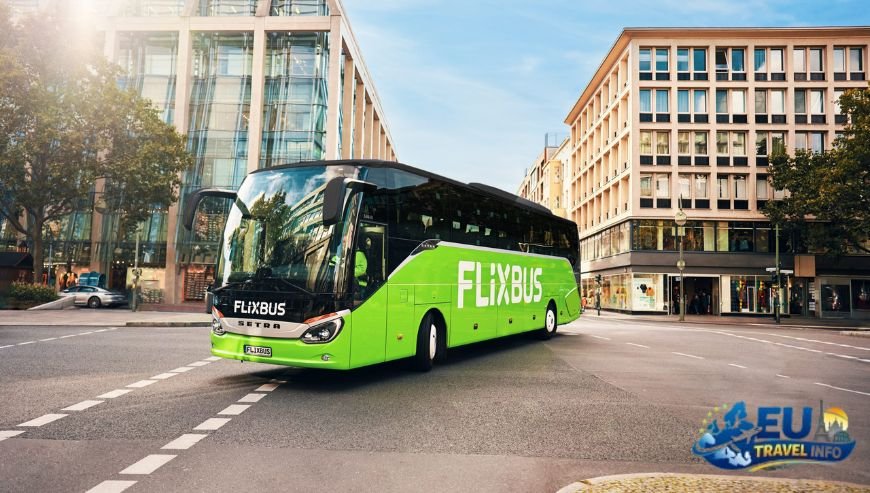
Flixbus has 200,000 daily connections to over 1,200 destinations in 24 countries. I use Flixbus on the Berlin to Hamburg route. I can buy a ticket for as little as £5 if I book in advance. A train for that same journey costs at least £20. Fares can be as low as €5. They have a very relaxed cancellation policy. You can change your ticket up to 15 minutes before departure for a small fee. On top of that, the buses offer free wifi and power outlets.
Megabus
Megabus represents fantastic value in the United Kingdom. I have found fares from London to Edinburgh for as low as £9.99 in March. At one time, they offered routes across the rest of Europe, but Flixbus acquired those. However, if you are the first to buy a ticket on certain UK routes, you might score one for only £1.
National Express
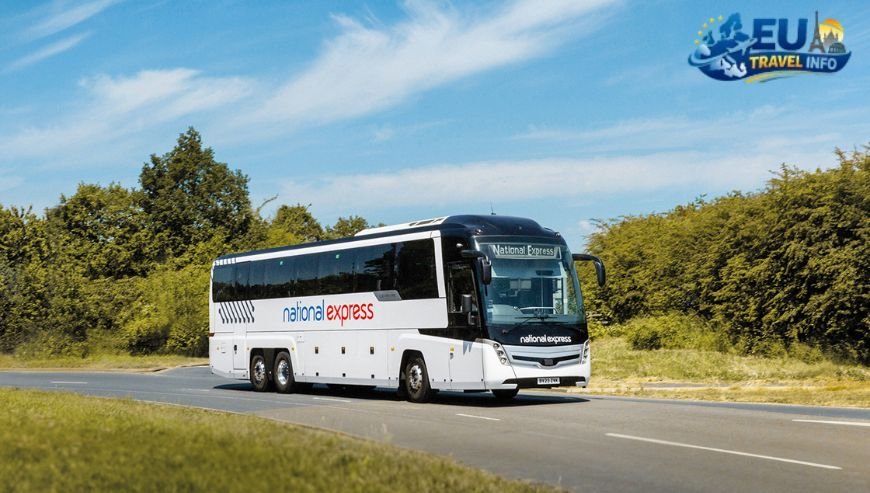
This is another cost-effective choice in the UK. They have a very impressive network. You can find ‘funfares’ for as little as £1. additionally, your ticket gets you 2-for-1 deals at some major visitor attractions like the Tower of London.
Eurolines
The London to Paris route is very competitive. Eurolines offers some of the best fares on this path. I have seen a ticket for as little as £22.50 one way. They allow one piece of carry-on and one hold luggage. Similarly, they offer routes like Berlin to Prague from €15.
BlaBlaBus (OUIBUS)
This is a popular intercity service in Western Europe. Popular routes include Amsterdam to Paris for around £15. Paris to Brussels can be as little as £6. They provide reclining seats and plug points.
RegioJet
I am a huge fan of this service, which used to be the Student Agency bus. They serve the whole Czech Republic and offer routes to Vienna or Budapest. I took a trip from Prague to Budapest and it was the most luxurious bus I have ever seen. The “bus attendant” gave us free hot chocolate and tea. Reclining seats and free newspapers are also standard.
Lux Express
This is the cheapest way to travel across the Baltics. It covers Estonia, Latvia, and Lithuania. The seats have plenty of legroom. A trip from Riga to Vilnius takes 4 hours and costs just €11.
Onnibus
Look no further if you are in Finland. You can get a fare from Helsinki to Tampere for as cheap as €1 if you book in advance.
Alsa
This is the biggest bus company in Spain. They have international routes to Portugal and France. I found a bus from Madrid to Lisbon for as little as €15. They have excellent offers for people aged 12 to 25 where you can save up to 25%.
Busabout
This is a unique alternative network for travelling around europe packages. They have a popular ‘Hop on and Hop off’ network. It serves 9 countries and 34 destinations. Prices start from €485. They drop you off directly at hostels.
Additionally, you can use local bus lines in the Balkans. Fares are usually very affordable even on the day of travel.
The Romance of the Rails
Cheapest way to travel europe by train is to use local networks or a rail pass. I love a good train. It is top-tier transport. You can walk around and take in the views. You can go to the toilet whenever you want. However, trains are not always as cheap as you would imagine.
The Eurail Pass
A Eurail Pass is a single train pass that covers thousands of journeys with hundreds of operators. It is a prepaid ticket across 33 countries. Travel around europe by train becomes much easier with this. It gives you unlimited journeys for a certain number of days. The pass gives you ultimate flexibility to change plans as you go.
There are two main types of passes. The Flexi Pass offers a specific number of travel days in a set period. I used the 10 days in 2 months option for my last trip. A ‘travel day’ is a 24-hour period from midnight to midnight. The Continuous Pass gives you unlimited travel for a set period like one month or three months. This is the way to go if you spend two or three months in Europe and travel extensively.
Prices for an adult Eurail Global Pass start at €283 for 4 days in 1 month. A 3-month consecutive pass in 1st class costs €1214. Youth travellers under 28 get 25% off. Seniors over 60 get 10% off. Plus, you can save another 10% with a special promo code if you book through the right links.
Seat Reservations
Do not assume that all trains are free with your pass. Some trains require seat reservations at an additional cost. High-speed, international, and sleeper trains usually need these. Most reservations are cheap, like €3 to €12. However, Eurostar or TGV trains in France might cost €25 to €35. Sleeper cabins can be €20 to €150. You must book these in advance. I recommend you book your night trains as early as possible because they sell out.
Is a Pass Worth It?
A Eurail Pass is worth it if the cost of the pass and seat reservations is less than individual tickets. If you know your route and travel dates far in advance, individual tickets might be cheaper. European train tickets are priced based on demand. Last-minute prices can be 5 times higher than early bookings. A pass lets you avoid these last-minute prices. It is especially good if you plan to visit five or more cities.
Local Train Hacks
In some countries, local deals are better. Germany has the Bayern Ticket. This gives up to five people unlimited travel in Bavaria for the day. It costs €23 for one person and only €4 for each extra person. The price for five people is just €39. This really is one of the best deals in Europe. Similarly, Germany has a €49 monthly ticket for regional transport.
Belgium offers a Go Pass 1 for those under 26. This lets you travel anywhere in the country for only €6.40.
Flying on a Shoestring
Stick with me here. A plane might not seem budget-friendly. However, budget airlines like Ryanair and easyJet are prolific. I recently got a €13 flight from Manchester to Paris. I have found tickets for just 5 EUR round-trip.
The True Cost of Flying
Airfares are projected to rise by 2.8% this year. Budget airlines lower base prices but rely on ancillary fees. They charge for everything.
- Baggage Fees: You can usually take only one small bag for free. Ryanair charges £6 to £36 for a 10kg cabin bag if you book early. If you wait until the gate, you might pay double.
- Seat Selection: This is always optional. Most airlines urge you to pick a seat for a fee. Wizz Air charges up to £16. British Airways can charge up to £124 for seat selection.
- Airport Check-in: Ryanair charges a £55 fee for airport check-in. You must check in online for free.
- Rescue Fees: If you miss your flight, you might pay a “rescue fee” to get on the next one. This costs around £100 to £110.
I recommend that you travel with carry-on only to avoid these costs. On top of that, check the cost of getting to the airport. Some secondary airports are far from the city. The transport cost might negate the savings on the flight.
Alternative Transport
BlaBlaCar
This is a carpool service. It matches drivers and passengers going to the same place. You pitch in for gas. It is like Airbnb for rides. I used this in Switzerland and I saved a lot of money. plus, I got to meet interesting people.
Hitchhiking
This is the ultimate way to travel for free. It is quite common and safe in many countries like Bulgaria, Iceland, and Romania. I hitchhiked in Bosnia and a lavender farmer picked me up. It was a fun experience. However, it is not for everyone. Do not hitchhike if you are limited on time or paranoid about safety.
Rental Cars and Campervans
Renting a car can be affordable in places like Romania and Albania. It is a great way to see rural locations. However, it is riddled with hidden costs like highway vignettes and one-way drop-off fees.
A campervan combines transport and accommodation costs. You can free camp in many places. I think it is a great way to do slow travel.
Sleeping Without Breaking the Bank
Accommodation is often the most expensive part of a trip. Prices vary wildly.
Hostels
Forget the stereotypes. Hostels in Europe are some of the best in the world. I have stayed in hostels with rooftop terraces, pools, and gyms. Dorm beds cost between €20 and €40 per night. In popular cities like Amsterdam, they can be as high as €75. A major benefit of a hostel is the social aspect. You can meet people and get local tips.
If you want more privacy, look for private ensuite rooms in hostels. These cost between €80 and €150. I recommend that you use a HostelPass for 10% to 20% discounts.
Airbnbs
An Airbnb might be cheaper for a group of friends. You get access to a kitchen and a washing machine. Private rooms on Airbnb cost around €45 to €75. Entire apartments start at €75. In cities like Berlin, an Airbnb for three people can be cheaper than three hostel beds.
Couchsurfing and Volunteering
Couchsurfing connects you with locals who let you stay for free. It is a great way to save and get insider advice. There are also sites like BeWelcome if you do not want to pay the subscription fee.
If you are not afraid of hard work, try volunteering. You can pick up casual work in a hostel for the cost of your bed. Sites like Worldpackers can help you find these programs.
Camping and Gardens
Campsites cost €10 to €40 per night. I like a service called Campspace. It allows you to pitch a tent in someone’s backyard for a small fee. Wild camping is allowed in places like Sweden and Scotland. However, it is not allowed in Germany or Belgium.
Eat and Drink on a Budget
Food and alcohol can havoc your budget if you are not careful.
Grocery Stores
Fixing your own meals is your cheapest option. I think grocery shopping is a fun cultural experience. Many hostels have kitchens where you can cook. A great trick is to gather people at the hostel and make a big meal together. This saves money and helps you make friends.
You can buy prepared salads for €3 to €4 in Spain. Supermarket chains like Billa in Austria have a good selection of quick meals. Rimi in Latvia and Estonia has hamburgers and chicken for €6 to €8 for two people.
Street Food
Street food is a way to get a filling, warm meal for a fair price. Each region has a specialty.
- Doner Kebab: This is the most popular budget meal. It costs around $4 to $6.
- Pizza Slices: In Italy, a large slice costs €2 to €3.
- Bakeries: Freshly prepared sandwiches and quiches are available at reasonable prices.
Dining Out Tips
- Lunch Specials: Restaurants cut prices during lunch to attract business people. I have found set menus that include a starter, main, and dessert for a low price.
- Follow the Locals: Avoid places with menus in multiple languages. Venture away from city centers.
- Ask for Tap Water: Tap water is free in many places but you must specifically ask for it. Otherwise, they will bring you an expensive bottle.
- Drink Less: Those €5 beers add up quickly. Hostel bars or happy hours are better. plus, it is legal to drink in many parks and plazas.
I recommend that you avoid soda and bottled water in restaurants as they are expensive. Beer or wine is sometimes cheaper.
Strategic Destinations
How to spend a month in europe on a budget involves choosing the right regions. The cost of travel in each country is wildly different.
Eastern Europe and the Balkans
Stick to the East if you want more bang for your buck. These areas are significantly cheaper than Western Europe. Accommodation, dining, and transport can cost less than half.
- Albania: Europe’s last coastal secret. Prices are among the lowest.
- Bulgaria: A summer playground with golden sands.
- Romania: Underrated with picturesque medieval towns.
- Poland: Hearty cuisine and inexpensive restaurants.
Expect to pay between €800 and €2,500 per month for Eastern Europe. In Western Europe, that same month might cost €1,200 to €3,500.
Portugal
This is the most affordable country in Western Europe. It delivers classic charm at reasonable prices. I loved my time in Lisbon and Porto.
Planning Your Adventure
The Best Time to Go
Avoid the peak season from late June to late August. It is busy and stinking hot. I tried exploring Rome when it was 40 °C and it was not fun. The perfect time for weather and cost is the shoulder season. This is April to mid-June and September to early November. Prices for accommodation fall closer to €20 to €40 for a dorm during these times.
Free Sightseeing
Many major landmarks are free to see from the outside. The Eiffel Tower and the Colosseum do not cost a cent to admire from the street.
Free Walking Tours are one of the best inventions for budget travelers. I take one the first day I arrive in a new city. The guides are often well-trained professionals or actors. They share local tips that are priceless. These tours are tip-based. You pay as much as you want. Most people tip around €10, but €5 is fine if you are on a tight budget.
Itinerary Inspiration
Best way to travel europe in 2 weeks is to focus on a theme or region.
- Classic Route: London, Paris, Amsterdam, Berlin, Prague.
- Italy In-depth: Milan, Florence, Rome, Venice.
10 days in europe on a budget could involve exploring the Baltic states. You could also spend that time purely in Spain or Croatia.
Essential Budget Tips
- Get a City Tourist Card: Many offices sell a card that gives free entry to museums and free local transport.
- Use Digital Tools: Translation apps and online maps like Google Maps or Citymapper are vital.
- Bring a Water Bottle: Tap water is safe in most of Europe. I use a LifeStraw bottle to ensure it is clean.
- Learn the Tipping Culture: In general, the tip is already included in your bill. You do not need to tip 15%.
Travel insurance is one thing you should not scrimp on. I recommend SafetyWing because it functions like a monthly subscription. It is affordable for long-term travelers.
Europe does not have the best reputation for being cheap, but you can do it on a backpacker’s budget. Plan thoughtfully. Venture through the back door. Allow for spontaneity. You will return home with memories that go beyond the postcard. Get on it!
FAQ
What is the cheapest way to go around Europe?
The bus is definitely the most cost-effective way to move between cities. A real bargain. Flixbus offers connections for as little as €5 if you book in advance. Plus, these buses often have free wifi and power outlets.
How to travel Europe for really cheap?
First of all, you must take night buses to avoid the cost of a hotel room. On top of that, you should hitchhike where it is safe and common. Rhetorical fragment: Ultimate dirtbag style. You should also couchsurf to stay for free with locals.
What is the cheapest way to train around Europe?
You can find the lowest fares by splitting your journey into a series of local trains. However, you must book these tickets as early as possible to secure the best price. Similarly, check for group deals like the Bayern Ticket in Germany.
How to travel Europe in budget?
The best strategy is to book your transport and rooms 3 to 6 months before you leave. Additionally, you should eat at least one self-catered meal every day. Therefore, you will have more cash for unique experiences. Rhetorical fragment: A smart move.
Is $100 a day enough in Europe?
It is plenty for most travelers, especially in Central and Eastern regions. A backpacker in Western Europe requires about €100 ($109) per day for a comfortable trip. On the contrary, you only need about €50 ($55) per day in Eastern Europe.
What is the 3 month rule in Europe?
The law allows you to stay in the Schengen Area for up to 90 days within any 180-day period. Rhetorical fragment: No exceptions. You must leave the zone once you hit this limit unless you have a specific visa.
Is 1000 euros enough for 2 weeks in Europe?
It is more than enough if you stick to Eastern Europe where the total cost for two weeks is around €700. However, this amount might feel tight in expensive cities like Paris or London. Therefore, you should balance your time between cheap and pricey locations.
Which part of Europe is the cheapest to visit?
The Balkans and Eastern Europe are the most affordable areas for any traveler. Countries like Albania, Bulgaria, and Romania offer the best value for your money. Plus, the beaches and medieval towns are absolute gems.
What is the cheapest month to travel to Europe?
March and April are historically the optimal months to lock in the lowest airfares. Also, the shoulder season from September to early November offers great value. Rhetorical fragment: Perfect timing.
How much is a 7 day Eurail Pass?
A 7 day in 1 month 2nd class Eurail Global Pass costs €381 for an adult. Senior travelers over 60 years of age get a 10% discount on this price. On top of that, youth travelers under 28 save 25%.
What is the cheapest mode of travel in Europe?
The bus represents the cheapest mode of transport across the continent. Though trains are faster, the bus allows for massive savings. Rhetorical fragment: Budget gold.
What is the average budget for a trip to Europe?
The typical monthly budget for Western Europe ranges between €1,200 and €3,500. Similarly, a month in Eastern Europe costs between €800 and €2,500. These prices depend heavily on your choice of rooms and food.
How much does a 7 day Europe trip cost?
A week in the West for a backpacker costs about €700. However, you can do the same trip in the East for only €350. Additionally, you should factor in another €25 to €40 for a single hostel bed each night.
Is $5000 enough for a vacation?
This sum is more than enough for a high-end vacation. upscale travelers who spend €400 per day can enjoy 11 days of pure luxury. On the contrary, a backpacker could travel for several months with this amount.
Can I plan a Europe trip on my own?
You can definitely organize your own adventure because online tools make the process simple. Independent travelers now outnumber those who use prearranged tour packages. Plus, you have the freedom to change your plans whenever you want.
Concluding words
Europe is a massive place that offers endless variety for the frugal traveler. You can see the sights without a huge bank account if you use buses and stay in hostels. First of all, choose your route with care to avoid extra fees.
Additionally, cook your own food to keep your wallet full. Gradually, you will see how easy it is to have a blast on a budget. Finally, just get out there and make some memories. Rhetorical fragment: The world waits.