I remember the first time I set foot in Paris. The air smelled like fresh bread and ancient stone. My heart raced because I finally made it to Europe. However, my wallet felt very light. I was just a student then, but I was determined to see the world. That trip taught me a secret. You do not need a fortune to see the Eiffel Tower or the canals of Amsterdam. You just need a plan. People often think that Western Europe is only for the rich. That is a myth. I have spent years finding the How To Travel Around Western Europe Cheap hacks that actually work.
The dream of a European summer is possible for everyone. You can eat pasta in a Roman piazza or watch the sunset in Lisbon without breaking the bank. My goal today is to share my personal journey and tips. I will show you how to stretch every dollar. We will talk about the cheapest way to travel to europe and how to survive once you land. This guide is for the mature traveler who wants comfort plus value. First of all, let us look at the big picture of your budget.
The Real Cost of the Dream
Western Europe is usually the most expensive part of the continent. Statistics show that a typical budget traveler spends between $75 and $125 per day in this region. This includes your bed, food, and local buses. On top of that, if you head to Scandinavia, costs can jump to $150 per day.
The average daily cost for a frugal backpacker is often cited at around 50€, excluding long-haul flights. If you want to know how to spend a month in europe on a budget, you should expect to pay between €1,200 and €3,500 for the whole month in Western countries. Eastern Europe is much cheaper, often costing only €800 to €2,500 for a full month. Plus, if you stay in countries like Romania, you can live on as little as $31 per day. Therefore, the secret is balance. You mix a few days in expensive Paris with a week in affordable Portugal or the Czech Republic.
Fly Cheap to the Heart of Europe
The best way to travel to europe for the first time starts with a smart flight. I never book a direct flight to my final destination if it is too expensive. Instead, I look for “hub” cities. Major airports have lower fees, which means lower ticket prices for you. From the USA, the most affordable cities to fly into are often Dublin, Reykjavik, London, or Paris.
I once found a flight from Manchester to Paris for only €13. Can you imagine? That is cheaper than a fancy lunch. One time, a friend found a flight from London to Bratislava for just £12.99. I always use tools like Skyscanner or Google Flights to compare prices. I search for “anywhere” as my destination to see which city is the cheapest to reach from my home. Flexibility is your best friend. If you can fly on a Tuesday instead of a Saturday, you will save hundreds.
Transportation: Move Like a Local
Your biggest cost after a bed will be moving around. Many people ask me about travelling around europe packages. They think a fixed tour is cheaper. I disagree. You save more when you book your own transport.
The Bus: The King of Savings
The bus is by far the cheapest way to travel europe with family. Networks like FlixBus are everywhere. I have seen fares as low as 5 euros. These buses are not always fancy, but they get you there. I once took a bus from Frankfurt to Prague for 20 bucks. It took 10 hours, but the savings were worth it.
Additionally, companies like Megabus or National Express in the UK offer deals for as little as 1 pound if you book early enough. I highly recommend the FlixBus app. It allows you to change your ticket for just one euro up to 15 minutes before you leave. Plus, some bus providers offer free or discounted seats for kids. This is a great tip for families.
The Train: Romance on a Budget
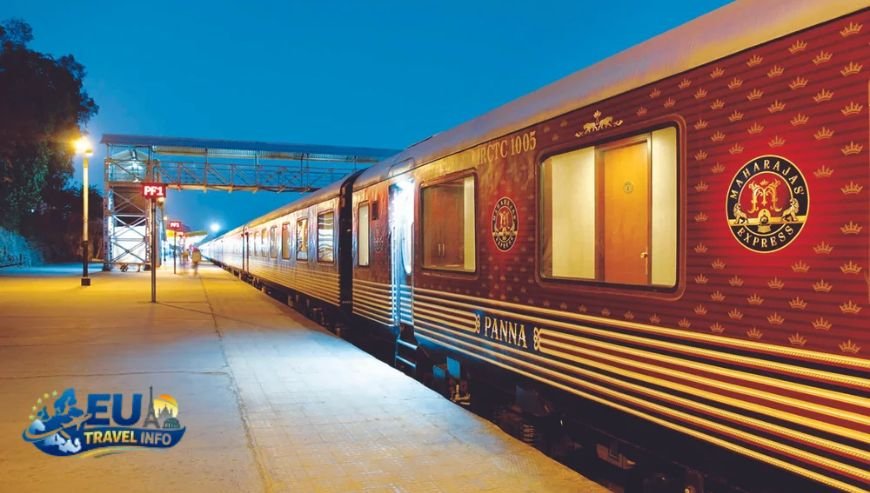
Many travelers believe that the cheapest way to travel europe by train is to buy a pass. This is sometimes true. A Eurail or Interrail pass is great for long trips. It gives you incredible flexibility. I used a 10-day pass recently and it was the best way to travel.
However, a pass does not always include seat reservations. In countries like France, Italy, and Spain, you must pay extra for a seat. These fees can be €10 to €20 per ride. If you know your dates, point-to-point tickets are often cheaper. I once got a train ticket for €14 between Madrid and Barcelona. The trick is to book at least two to three months in advance.
Budget Airlines: The Sky is the Limit
Do not ignore budget airlines like Ryanair, EasyJet, or Wizz Air. They are often cheaper than the train. I found a Ryanair flight to Warsaw for only €12.99. Another one from Manchester to Cologne was far cheaper than the rail route.
Just watch out for hidden fees. These airlines charge for everything. A bag that is too heavy can cost more than your ticket. I always travel with just a small personal item to avoid these costs. Plus, these planes often fly to small airports far from the city. Therefore, you must factor in the cost of the bus to get to the city center.
Sleep for Pennies
Finding a cheap bed is a skill. I have stayed in everything from palaces to dorms. Here is how I do it.
Hostels are not just for Kids
Forget the old stereotypes. Modern hostels in Western Europe are amazing. I have stayed in hostels with rooftop terraces, pools, and private rooms. They are perfect for 10 days in europe on a budget. Typical prices range from $20 to $60 per night.
The best part? Most have kitchens. You can cook your own meals and save a lot of money. Additionally, many hostels offer free walking tours and local tips. I always check the “Famous Hostels” network for high-quality spots.
House-Sitting: The Professional Secret
If you want to spend a month in one place, look at house-sitting. I have stayed in London for three weeks for free. You take care of someone’s home and pets while they are away. In exchange, you get a free place to stay.
I use sites like Nomador.com because it has the most listings in Europe. You need a great profile and good references to start. It is a wonderful way to live like a local and save thousands of dollars. My friend Pete once even shed a tear when he had to leave the dogs he was watching. It is that special.
Volunteering for a Bed
You can also trade your time for a bed. Many hostels let you work 15 to 30 hours a week for a free room. You might work at the reception or help with cleaning. Sites like Worldpackers or Workaway are perfect for finding these deals. It is an excellent way to extend your trip if you have more time than money.
Eat Like a King on a Peasant’s Budget
Food in Western Europe can be very expensive if you eat at restaurants every day. I follow a simple rule: one nice meal per country, and the rest is budget-friendly.
The Magic of Supermarkets
Supermarkets like Lidl and Aldi are your best friends. I buy fresh bread, cheese, and fruit for lunch every day. In the Netherlands, you can get a nutty croissant or a sandwich at the Albert Heijn bakery for just a few euros.
I love to have picnics in city parks. It is romantic and free. Plus, in places like Switzerland, the tap water is excellent and free. You should never buy bottled water there. Just bring a refillable bottle and use the city fountains.
Too Good To Go
This app is a game-changer. It connects you with restaurants and bakeries that have leftover food at the end of the day. You buy a “Magic Bag” for 3 to 5 euros, and it usually has 10 to 15 euros worth of food inside. I have used it in Copenhagen and Paris with great success. It helps the planet and your wallet.
Set Lunch Menus
If you want a sit-down meal, go at lunch. Many restaurants offer a three-course set menu for a fraction of the dinner price. In Paris, you can find a bistro lunch for around 17€. In Prague, you can get two full meals for under 20 euros.
Sightseeing for Free
The best things in life are free. This is especially true in Europe.
Free Walking Tours
Almost every major city has free walking tours. Local experts take you to the best sites. You just tip them whatever you feel like at the end. I have taken these tours in Milan, Vienna, and Copenhagen.
In Milan, you can see the Piazza del Duomo and the Duomo di Milano within a single day of walking. In Oslo, you can see all the highlights in just 10,000 steps. These tours give you the history without the high price of a private guide.
The Outside is Free
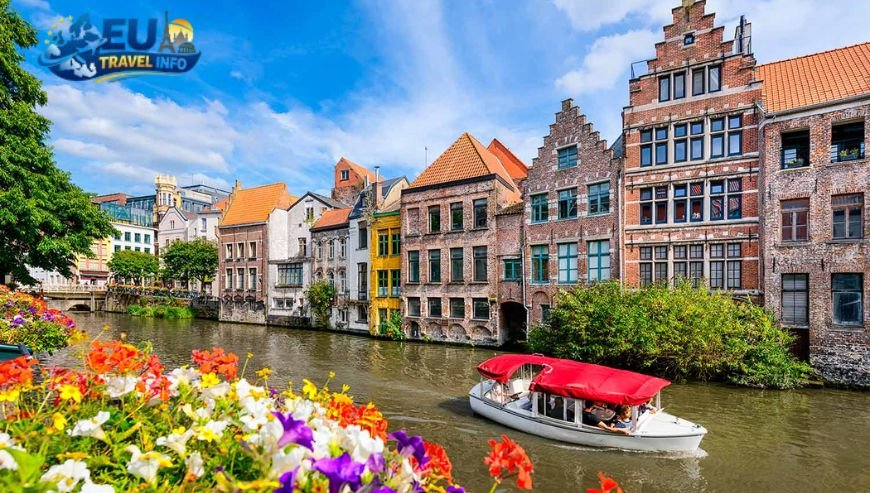
You do not always need to go inside every museum. The outside of the Colosseum in Rome is free to see. The same is true for the Eiffel Tower. I often prefer wandering through the narrow streets of Ghent or the Sassi di Matera to paying for a museum ticket.
City Passes and Birthday Deals
Some cities offer passes that include transport and museum entry. However, you must do the math first. Only buy them if you plan to see many attractions in one day.
Here is a fun tip: if it is your birthday in Switzerland, you can get free rides on many mountain trains. This includes the Schilthorn or the Rigi. It is an incredible value for an expensive country.
Hidden Gem Alternatives
The famous cities are always the most expensive. To save money, I look for “Hidden Gems.” These cities offer the same charm for a lower price.
- Utrecht instead of Amsterdam: It has canals and a lively vibe but fewer tourists and lower prices.
- Ghent instead of Bruges: It is more authentic and less of an “open-air museum”.
- Girona instead of Barcelona: You get the Catalan culture without the massive crowds.
- Annecy instead of Lake Como: The alpine scenery is breathtaking and more affordable.
- Strasbourg instead of Paris: It blends French and German charm perfectly.
- Puglia instead of the Amalfi Coast: The food is incredible and the beaches are cheaper.
- Slovenia instead of Switzerland: You get the Julian Alps and glacial lakes for half the price.
- Plovdiv instead of Rome: It is one of the oldest cities in the world and very cheap.
- The Azores instead of Iceland: These islands are a “Hawaii of Europe” with volcanic nature and low prices.
- Thessaloniki instead of Athens: It is the culinary capital of Greece and much more relaxed.
Smart Money and Tech
Rule number one: always pay in the local currency. When a credit card machine asks if you want to be charged in dollars or euros, pick euros. The machine’s exchange rate is usually a scam. Your bank will give you a much better rate.
I also use travel-friendly cards. Banks like Starling, Chase UK, or First Direct offer cards with no fees for spending abroad. Some even let you withdraw up to £500 in cash per day for free.
Additionally, I buy an eSIM for my phone. You can get 10 to 15 days of data in Switzerland for under 50 bucks. This is much cheaper than paying for international roaming from your home carrier.
Luggage and Storage
Dragging a giant suitcase around Europe is a mistake. I use a 40L to 50L backpack. It fits in the overhead bin of most planes, which saves me baggage fees. I love the Osprey Farpoint because it opens like a suitcase.
If you have a gap between checking out of your hostel and your flight, do not carry your bags. I use Radical Storage. They have thousands of locations in local shops called “Angels”. It only costs about €5 per bag per day. This gives you the freedom to explore the city without heavy weights.
Best Times to Visit
Avoid the summer if you can. From late June to late August, Europe is hot, crowded, and expensive. I once explored Rome when it was 40 °C. It was not fun.
The shoulder seasons are the best times. Go in spring (late March to mid-June) or autumn (September to early November). The weather is still nice, but the prices are much lower. I visited the south of France in May, and it was perfect. Plus, hotel prices can double if you book in June instead of January. Therefore, you should plan early.
Top 10 Cheapest Countries to Visit in Europe (The Contrast)
Though this guide focuses on the West, knowing where the real deals are is important. If your budget is very tight, consider adding a few of these to your route. They are the top 10 cheapest countries to visit in europe according to many budget travelers:
- Albania: Stunning beaches for a fraction of the cost of Greece.
- Bulgaria: The cheapest EU country with great history.
- Romania: Beautiful mountains and very low daily costs.
- Poland: Excellent food and affordable trains.
- Hungary: Budapest is a budget-friendly gem.
- Serbia: Belgrade has a vibrant art scene and low prices.
- Montenegro: It looks like Croatia but costs half as much.
- North Macedonia: You can have a full dinner for 5€ here.
- Bosnia & Herzegovina: A beautiful mix of East and West.
- Lithuania: Quirky, colorful, and very underrated.
Sample Itineraries
10 Days in Europe on a Budget (The Western Loop)
Day 1-3: Paris. Arrive and use the “Too Good To Go” app. Walk the Seine. Day 4-6: Ghent. Take a €5 Flixbus from Paris. Explore the medieval center. Day 7-10: Utrecht. Take a short train. Bike the canals. Fly out of Amsterdam.
How to Spend a Month in Europe on a Budget
Week 1: Portugal. Start in Porto and take the train to Lisbon for €15. Week 2: Spain. Fly budget to Seville. Take the bus to Granada. Week 3: Central Europe. Fly to Prague. Use it as a base for day trips. Week 4: The Balkans. Head to Montenegro or Albania to finish your trip with very low costs.
Frequently Asked Questions
What is the cheapest way to get around in Europe?
The bus is your best friend for low-cost travel. Fares with companies like FlixBus often start at just 5 to 20 euros. Budget airlines also provide cheap flights if you book your seat early.
Which western European country is the cheapest to visit?
Portugal stands out as the most affordable option in the west. You can expect a daily budget there between $60 and $110 for a mid-range experience.
How to travel Europe for really cheap?
You should embrace the dirtbag lifestyle. This includes Couchsurfing for free beds or using public libraries for free power and internet. You can also volunteer for 15 to 30 hours a week at a hostel in exchange for a room.
What is the best way to get around Western Europe?
The train is the most romantic and scenic choice. A Eurail or Interrail pass is the top pick for convenience and flexibility when you visit multiple countries.
Is $100 a day enough in Europe?
Yes. A frugal traveler usually spends between $75 and $125 per day in Western Europe. This covers a hostel bed, local transport, and basic meals.
What is the 3 month rule in Europe?
This refers to the Schengen visa restriction. Most travelers must leave the area after 90 days within any 180-day period.
Which country is best for travel in low budget in Europe?
Bulgaria is the most affordable country within the European Union. Romania is also a fantastic choice where you can survive on about $31 a day.
What is the cheapest month to travel to Europe?
October marks the start of the true low season. The shoulder seasons of spring and autumn offer the best balance of low prices and good weather.
What is the best city to spend 3 days in Europe?
Stockholm is a perfect choice for a three-day visit. Paris is another great option with many three-day itineraries available for budget seekers.
Is 1000 euros enough for 2 weeks in Europe?
This amount is plenty for a two-week trip. Frugal backpackers often spend only 50 euros per day, which would leave you with extra cash.
How to plan a budget Europe trip?
First, use Omio to compare the prices of buses, trains, and flights. You should also mix expensive cities with cheaper destinations to balance your costs.
What is the most affordable place in Europe?
The Balkans and Romania are the most budget-friendly regions. Albania is a hidden secret with beaches that cost far less than those in Greece.
Is it worth getting a train pass in Europe?
A pass is worth the cost if you want total flexibility. It is the best choice for long-term travelers who do not want to be locked into specific dates.
Is bus or train cheaper in Europe?
The bus is significantly cheaper than the train. You will save a lot of money if you are willing to trade speed for a lower price.
Is $5000 enough for a vacation?
A budget of $5000 can last a smart traveler for half a year in Europe. However, some people spend about $1000 per week if they want more comfort.
How much does a 7 day Europe trip cost?
A one-week trip usually costs between $525 and $1,085. This estimate does not include your initial flight to the continent.
How much euro cash should I carry?
Credit cards work almost everywhere in major cities. However, you should carry some local cash for small shops or bus tickets in rural areas.
Concluding words
You can see Western Europe without spending a fortune. Success depends on smart choices like using FlixBus, staying in hostels, and traveling during the shoulder season. I have found that cooking your own meals and seeking out free walking tours makes a massive difference in your daily spending. Balance is the key. Mix expensive hubs like Paris with affordable gems like Portugal to keep your wallet happy. Start your journey today and enjoy the history and beauty of Europe on your own terms.