Europe is a continent that captures the heart of every traveler. It has a culture that goes back more than three thousand years. More than 600 million people visit these lands every year. You might think that a trip here costs a fortune. On the contrary, I have found that I can see the world without a massive bank account. I want to share my secrets with you in this A Guide How To Travel Europe Cheap And Alone.
First of all, you must understand that Europe is not just one place like a theme park. It is a massive continent with more than 40 countries and many different regions. The prices change a lot from one border to the next. For example, Switzerland is very expensive, but Bulgaria offers great value. I once traveled full-time through these countries on a daily budget of just $50 per person. You can even do it for less if you are smart. Therefore, I will help you plan your own path.
How to Travel Europe Cheap and Alone: The Planning Phase
Effective travel begins with a realistic budget. You should ask yourself how much you can really afford to spend. Do not just guess. It is a good idea to start your research at least six months before you leave. Plus, you should keep a separate savings pot for your trip. I like to play a game where I put £1 in the pot every time I do not buy a snack.
Best way to travel to Europe for the first time is to focus on a few key areas instead of trying to see everything at once. You will find it more rewarding to pick two or three sights per week. Do not run a mad dash across the continent just for photos. Slow travel is the secret to staying on budget. I have seen travelers keep monthly costs under $2,000 this way. Some even spend as little as $1,200 to $1,500.
Additionally, you must think about the time of year. High season usually happens in late spring, summer, and early fall. Prices go up at that time because everyone wants to be there. However, the shoulder seasons like March to May or August to October bring lower prices and nice weather. I prefer the shoulder season to avoid the crowds. Finally, the low season in winter is the absolute cheapest time to go, though it can be very cold in the north.
Scoring Cheap Flights to the Continent
The flight will likely be your biggest cost. You can find much better deals if you are flexible with your dates. I use Skyscanner and Google Flights to compare different days. Gradually, you will see patterns in the prices. It is a good tip to book your international tickets between 1.5 and 5.5 months before you depart. On top of that, flying on weekdays or during off-peak hours can save you a lot of money.
I always book directly through the airline website once I find a good deal. Third-party sites can sometimes cause trouble with cancellations. Also, I highly recommend that you travel with carry-on luggage only. Many airlines charge extra for checked bags now, and those fees add up fast. Plus, you will be much happier when you do not have to drag a heavy suitcase over old cobblestone streets.
The Safest Destinations for Solo Travelers
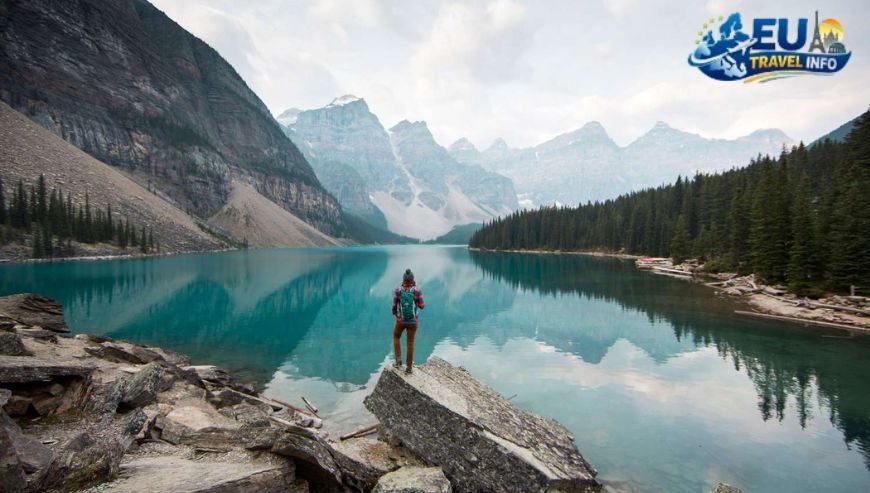
Safety is a top concern when you are alone. I have found that Europe is generally one of the least violent continents. Iceland remains the gold standard for safety. It has almost no violent crime and strong records for gender equality. Denmark and its capital, Copenhagen, also feel very safe because of the “hygge” culture that focuses on comfort.
Good places for solo female travel europe are common because many countries respect independent women travelers. I felt very comfortable in Portugal, where the historic centers are walkable and the culture is friendly. Similarly, Slovenia is a hidden gem that is very safe and clean. Best places in europe to travel alone as a woman also include Finland, which is often called the happiest country in the world. For men, best european cities for solo travel male often include vibrant spots like Prague or Berlin, which have great street life and history.
Transportation Secrets Across Borders
You have several ways to get around once you arrive. Cheapest way to travel to europe usually involves buses. FlixBus is my favorite choice because fares can be as low as $5 or $11. Though it is not as fast as a train, it has Wi-Fi and power outlets. Busses are especially great in Eastern Europe.
Cheapest way to travel europe by train is to book your tickets as early as possible. Trains are fast and efficient, but they can be expensive if you buy them at the last minute. I recommend the Eurail pass if you want to travel a lot and stay flexible. It covers travel in 33 countries. additionally, I found that night trains are a smart way to save money. You save the cost of a hotel for the night while you move to a new city.
If you want a different experience, try BlaBlaCar. It is a carpool service where you share the cost of gas with a local driver. It is a great way to meet people and reach smaller towns. On the contrary, renting a car is usually the most expensive option because of hidden fees and high gas prices.
Where to Stay Without Breaking the Bank
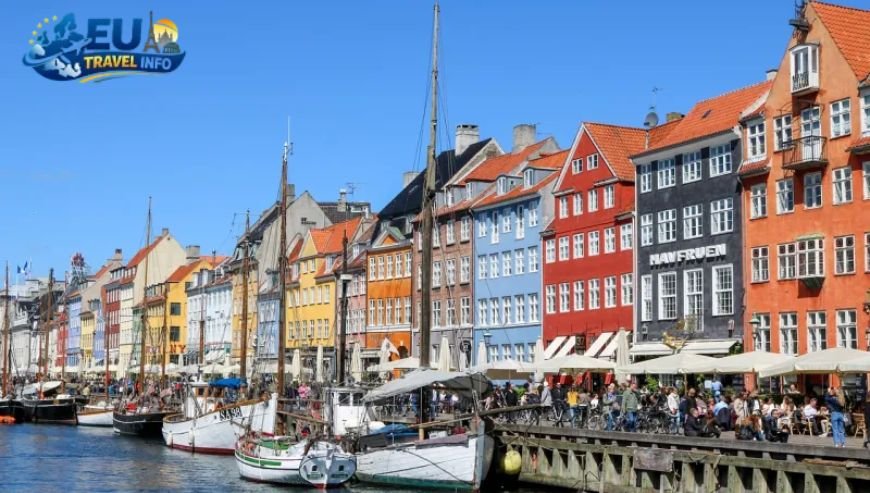
Accommodation will likely be your next big expense. Hostels are the classic choice for budget travelers. You can get a bed for $20 to $40 per night in many cities. I have stayed in hostels in Warsaw and Budapest for even less. Use Hostelworld to read reviews before you book. I only book places with a rating above 8.
However, you have other options too. Airbnb private rooms are often cheaper than hotels and let you meet a local. Plus, they usually have a kitchen so you can cook your own meals. If you want to travel for free, look into work exchanges like Worldpackers or Workaway. You give a few hours of work each day in exchange for a free room. I prefer Worldpackers because they have a great support system called “Safeguard” if things go wrong.
Hidden Gems You Should Not Miss
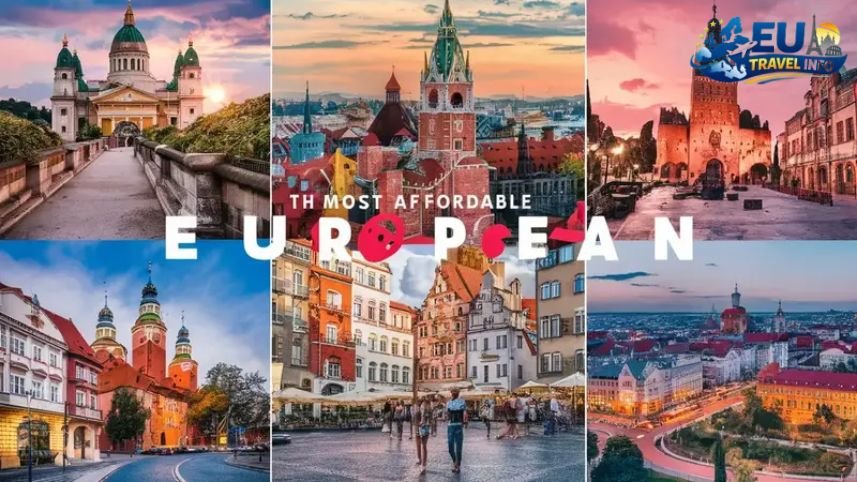
Do not just visit the big cities like Paris or Rome. Europe has many hidden gems that are much cheaper. Malmö in Sweden is a quick detour from Copenhagen and has a beautiful Old Town. Ghent in Belgium is much quieter than Bruges but has amazing canals and architecture.
Riga in Latvia is one of my favorites because it is colorful and very affordable. Similarly, Zagreb in Croatia surprised me with its quirky museums and low prices. If you go to Poland, you must visit Wrocław. I loved hunting for the famous gnomes in the streets there. Tallinn in Estonia is another standout with its medieval vibe and history. These spots are often much easier on your wallet than the famous capitals.
Eating and Drinking on a Budget
Food can eat your budget if you are not careful. I suggest that you eat like a local. Visit local markets for fresh produce and have a picnic in a park. You can get a nice lunch for two for about $10 this way. Also, check out grocery stores like Lidl and Aldi for cheap snacks and even local wine.
When you do eat out, choose lunch specials instead of dinner. Many places offer a “menu del día” for a fixed price that is much lower than the evening menu. Avoid the restaurants right next to big tourist sites. Those are usually “tourist traps” with high prices and bad food. Plus, remember that tap water is safe to drink in most of Europe. I always carry a reusable bottle to avoid paying for water.
Essential Apps to Keep on Your Phone
Technology makes solo travel so much easier. First of all, you need Google Maps for navigation. It is a hero when you are lost in a new city. Google Translate is another must-have to overcome language barriers. You can even use the camera to translate menus.
For transportation, use Rome2Rio or Omio to compare buses, trains, and flights. Additionally, I recommend a VPN like SurfShark to keep your data safe on public Wi-Fi. You should also install an eSIM like Airalo to stay connected to the internet in multiple countries without high roaming fees. Later, you will find these tools are essential for a smooth trip.
Staying Safe and Avoiding Scams in 2025
You should be aware that scammers are getting smarter. One common trick is the “Fake Petition” scam. Someone will approach you with a clipboard near a landmark and ask you to sign. While you are distracted, an accomplice might pick your pocket. Similarly, never accept help from a “friendly local” at an ATM. They may be trying to see your PIN or swap your card.
The “Bracelet Trick” is another classic trap. A stranger will try to tie a string around your wrist for “good luck” and then demand money. Therefore, you must be firm and say “No” immediately. I always keep my valuables in a zipped bag worn in front of me. Also, be careful with taxis. Always use an app like Uber or Bolt so you know the price upfront. Plus, some people may pretend to be fake police officers to ask for your ID or cash. Real police will almost never ask to inspect your wallet in the street.
Tips for Meeting People When You are Alone
Solo travel does not mean you have to be lonely. Hostels are the easiest place to meet others. I like to hang out in the common room or go to the hostel bar. You can also join free walking tours in every major city. They are a great way to learn about history and find other travelers. Remember to tip your guide at the end.
Gradually, you will feel more comfortable talking to strangers. I find that asking people where they are from is the best icebreaker. Be a good listener too. On top of that, do not be afraid to talk to older travelers. Some of the coolest people I have met were much older and had amazing stories. Similarly, you can try Tinder Passport or other apps to meet locals for a coffee or dinner date.
Budgeting for Health and Insurance
Do not skip travel insurance. It is a safety net that is worth every penny. I use SafetyWing because it is affordable and you can pay as you go. If you get sick, the bills in Europe can be very high for foreigners. I once had to go to the hospital in Istanbul, and my insurance covered everything from the IV to the soup. Therefore, you should always protect your health.
If you are an EU citizen, remember to bring your EHIC card for public healthcare. However, this is not the same as full insurance. It does not cover things like mountain rescues or flying you back home. Plus, if you take medication, make sure you bring enough for the whole trip. Always keep a copy of your prescription with you.
The Real Cost of a 3-Week Adventure
Statistical data shows that the average person spends between $3,000 and $5,000 on a three-week trip. You can drop this number significantly if you follow my tips. For example, staying in dorms instead of hotels saves you about $60 per night. Cooking two meals a day instead of eating out saves another $30 per day.
Gradually, you will see that your savings grow. I have found that traveling by bus instead of train between major cities like London and Paris can save you over $100 per trip. Also, using a local SIM card instead of an international plan can save you $60 to $100 per month. These small choices make a huge difference in your total spend.
Navigating Different Regions
European prices vary wildly by region. Central and Eastern Europe are much cheaper than the West. I found that a full meal in Poland or Romania can cost less than $15. On the contrary, a single beer in Norway or the UK might cost you $8. Therefore, I suggest spending more time in countries like Poland, Hungary, and Czechia if you have a tight budget.
Western Europe and the Nordic countries are the most expensive areas. If you really want to see them, go for a shorter time and then move back to the more affordable south or east. I loved seeing the Alps, but I could only stay there for a few days before my wallet started to cry. Plus, remember that many cities in the south like Rome and Barcelona are pickpocketing hotspots, so stay alert.
Packing Like a Pro
I always pack light. I spent six weeks exploring with just a 26-liter backpack. First of all, you should roll your clothes to save space. Using packing cubes is a life-saver for keeping your bag organized. I also suggest bringing only two pairs of shoes. One should be durable for walking and the other more comfortable for evenings.
Do not forget a universal adapter for your electronics. Most of mainland Europe uses the Type C “Europlug,” but the UK and Ireland use a different three-pin plug. Also, I suggest bringing a small laundry bag and learning to use local laundromats. It is much cheaper than paying a hotel to do your wash. Finally, always keep your travel documents like your passport in a secure, zipped pocket close to your body.
Dealing with Documents and Visas
You must have a valid passport with at least six months of validity. Do not wait until the last minute to check this. Non-EU visitors can usually stay in the Schengen Area for up to 90 days in a 180-day period. I suggest using an app to track your days so you do not overstay by accident.
From late 2026, many visitors will also need to apply for an ETIAS clearance before they fly. It will cost about €7 and be valid for three years. Plus, you should always have digital copies of your passport and insurance saved on your phone or in the cloud. Later, if you lose your physical documents, these copies will be a huge help.
Embracing the Solo Experience
Solo travel is a transformative experience. It allows you to find out who you really are. First of all, you have the freedom to do whatever you want without having to argue with a friend. If you want to spend a whole day in a museum, you can do it. If you want to sit in a park and read a book, no one will stop you.
Gradually, you will build confidence in your ability to navigate the world alone. Do not be afraid to seize spontaneous opportunities as they come up. Travel lust is abundant, and you will make memories that last a lifetime. Finaly, remember that life is short. The only wrong way to travel is to not do it at all.
Frequently Asked Questions
How much does a solo Europe trip cost?
I have seen that a three-week trip usually costs between $3,000 and $5,000. However, some people manage to spend a little under $3,000 for a whole month if they are careful.
What is the cheapest way to travel within Europe?
Buses offer the lowest prices for getting around the continent. On top of that, FlixBus can have fares as low as $5 or $11 for a one-way trip.
Which country is best for solo travel in Europe?
Iceland remains the gold standard for safety for anyone traveling alone. Similarly, Romania offers the best value for money for your travel budget.
What is the best way to travel through Europe for cheap?
Slow travel is the secret to a low-cost adventure. You will save money if you stay longer in one place and avoid a mad dash across borders.
Is $100 a day enough in Europe?
Yes, that amount is more than enough for many regions. Daily expenses in Eastern Europe can even be as low as $25 per person.
Is 27 too old to solo travel?
You are never too old for a new adventure. I have met cool travelers from age 18 to age 72 in shared hostel rooms.
What is the 3 month rule in Europe?
The rule states that visa-free visitors cannot stay more than 90 days in any 180-day period in the Schengen Area. Therefore, you must track your days in and out very carefully.
Is 1000 euros enough for 2 weeks in Europe?
It should be plenty for your basic needs and some fun. Plus, a full month of food and hostels often costs about 2,000 euros total.
How much is a 7 day Eurail pass?
Prices change all the time based on your age and the routes you pick. You should also factor in extra costs for seat reservations which vary wildly.
Which is the safest city in Europe?
Copenhagen feels very safe both emotionally and physically for travelers. Additionally, Vienna is known for its refined security and clear transit systems.
How do I budget for a solo trip?
I recommend that you use Excel sheets to plan and track your spend. Also, separate pots in a bank account like Revolut can help you save for the journey.
Which country is best for solo female travel?
Portugal is a top choice for women who want to feel supported. It has walkable historic centers and a very friendly local culture.
What is the cheapest month to travel to Europe?
The low season in late fall and winter offers the absolute lowest prices. However, it can be extremely cold in the northern countries at that time.
How much does a 7 day Europe trip cost?
It depends on your style, but some travelers spend about $2,000 a week for a high-end experience. You can do it for much less if you stay in hostels and eat local food.
Which part of Europe is the cheapest to visit?
Eastern Europe is the most affordable region for budget explorers. Countries like Poland and Bulgaria offer great value and delicious meals for less.
Concluding words
I believe you can see Europe without a massive bank account. First of all, you must plan ahead and pick the right time to visit. You should choose affordable regions and use buses or budget flights to save your cash.
Additionally, hostels and home-cooked meals will keep your costs low every day. Finally, stay safe with good judgment and the right mobile apps. You will find that solo travel is a great way to grow as a person and see the world.