How To Travel Italy On A Budget is a dream for many. I remember my first time planning a trip to this beautiful country. I thought I would need a fortune to see the ruins of Rome or the hills of Tuscany. It is not true. You can see the beauty of Italy without a huge bill. Truly. I have spent years exploring the streets from Milan to Sicily. I have learned the secrets to save money while still enjoying la dolce vita.
If you want to know how can i travel to italy on a budget, you must start with a plan. Italy is a land of 59 UNESCO World Heritage sites. It is one of the most culturally rich places on Earth. How much cost going to italy depends on your choices. A budget traveler can expect to spend about €60 to €80 per day in 2026. This covers basic beds, local food, and public transport. How to travel italy on a budget is about smart timing and the right regions.
The Secret of Strategic Timing
First of all, you must pick the right month. Summer is hot and very expensive. Prices for hotels jump by 60 to 100 percent in July and August. How to travel to italy cheap starts with the winter months. January and February are the cheapest months to fly. Airlines drop their fares to fill the planes. You will find that accommodation rates drop 40 to 60 percent below the summer peak. A hotel in Rome that costs €250 in July might only be €60 to €90 in January.
However, many people prefer the shoulder season. This time includes April, May, September, and October. The weather is mild. The crowds are smaller. You still save about 30 to 40 percent compared to the high summer. I love the fall because it is the time for the grape and olive harvest. You can visit local food festivals called sagre. At these events, you can eat high-quality food at community prices.
Additionally, you should avoid major holidays. Easter week and the Christmas period always see a jump in prices. If you go in late August, you might find a deal. Many Italians go on vacation at that time. Some shops close, but hotels often discount their rates to attract visitors.
Picking the Right Regions
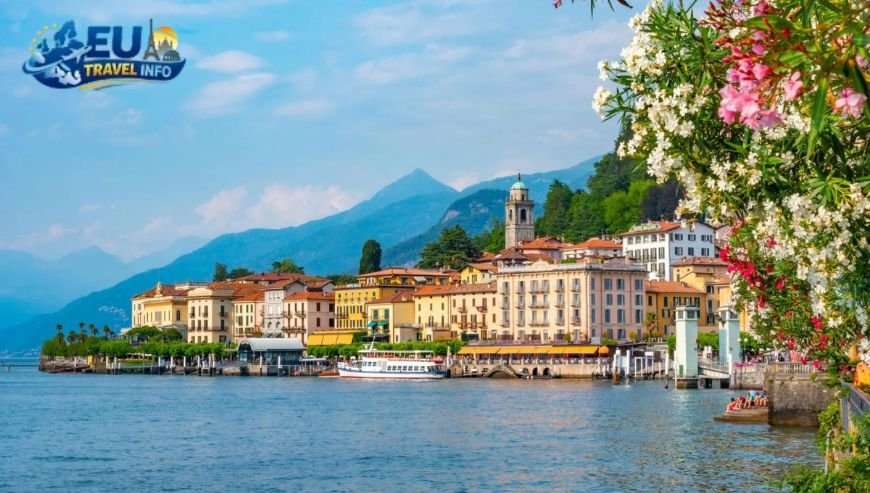
The best way to travel italy on a budget is to look toward the South. There is a big price difference between the North and the South. Northern cities like Venice, Milan, and Lake Como are premium price zones. They are expensive. On the contrary, regions like Puglia, Sicily, and Calabria offer a significant discount. Southern Italy and smaller towns often cost 30 to 40 percent less than Rome or Venice.
First of all, consider the Cilento Coast instead of the Amalfi Coast. It has the same dramatic cliffs and blue water. But it is much more affordable. The daily average cost is only €70. This area is a hidden gem where Italians go to vacation. You can visit the medieval town of Castellabate or the ancient Greek temples of Paestum.
Similarly, you can choose Lake Maggiore over Lake Como. It offers the same Alpine views and beautiful gardens for about €94 a day. I suggest a boat trip to the Borromean Islands. You will see historic palaces without the crowds of Como.
Later, you might want to explore Sicily. It is the largest island in the Mediterranean. Most people go to Rome or Milan first. They forget Sicily. It is much quieter and more affordable. The daily cost is around €102. I stayed in Taormina for only €55 a night with a very nice host. The food is incredible. You must try the arancini and cannoli.
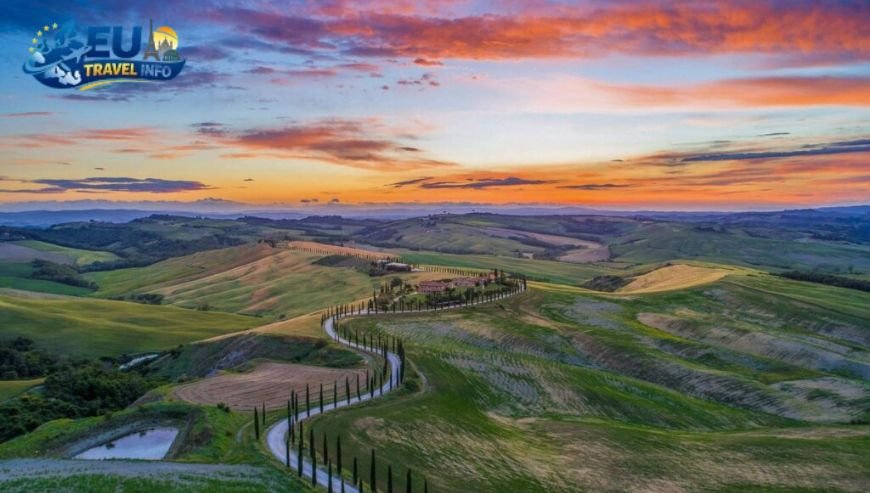
Also, Umbria is a great substitute for Tuscany. It is known as the “Green Heart of Italy”. It is much less explored. You can see the same rolling hills and medieval towns for €113 a day. My favorite towns were Orvieto and Todi. You can even stay in a castle hotel in the countryside for about €130 a night.
Finally, do not forget Puglia. It is the “heel” of the Italian boot. It is famous for its pretty beaches and white stone houses called trulli. You can see these in Alberobello. Puglia is a personal favorite because the culture is friendly and the food is cheap. The daily cost is about €117.
How to Travel Around Italy on a Budget
How to travel around italy on a budget requires a good understanding of the rails. The train system is the backbone of travel here. It is efficient and one of the least expensive in Europe. There are two main companies. Trenitalia is state-run and covers the whole country. Italo is a private company that only runs high-speed trains between big cities.
High-speed trains like the Frecciarossa are fast and luxurious. They reach 300 km/h. However, they are expensive if you buy them at the last minute. If you book 1 to 3 months ahead, you can find tickets for €29 to €55. On the contrary, same-day tickets can cost €75 or more. Therefore, you should always book early.
If you have a tight budget, the Regionale trains are your best friend. They are slower. They do not have assigned seats or Wi-Fi. But the price is fixed and very low. A trip from Rome to Orvieto is only about €8.50. You do not need to book these in advance. Plus, they stop in many small, charming towns.
Additionally, you must remember to validate your paper ticket. You must stamp it in the yellow or green machines at the station before you board. If you do not, you may face a heavy fine. Tourists are not exempt from this rule. If you use a digital ticket on an app, the “Check-in” feature counts as validation.
On top of that, buses are often the cheapest way to go. Companies like FlixBus and Itabus connect major cities for as little as €5 to €10. They are also better for reaching small towns that do not have train stations. I find the buses very comfortable. Many have Wi-Fi and power outlets.
Affordable Accommodation Strategies
How to tour italy on a budget means looking beyond standard hotels. Traditional hotels in big cities are becoming very expensive. In Rome, the average price rose to €301 in May 2024. Therefore, you must use alternative options.
First of all, I highly recommend staying at an agriturismo. These are working farms that offer rooms to guests. It is a wonderful way to see the countryside. You get a break from the busy cities. These farms focus on agriculture, so you will see olive groves or vineyards. The food is outstanding and farm-to-table. Usually, room rates are €80 to €140. Many include a huge breakfast and a local dinner for a small fee. It is great value for your money.
Similarly, religious guesthouses are a top budget strategy. Many monasteries and convents offer clean, quiet rooms to any traveler. They are often in the heart of historic cities like Rome or Florence. Rates are typically €45 to €75 per night. This is much cheaper than nearby hotels. Note that some have a curfew, like 11 PM or midnight.
Additionally, hostels are not just for kids anymore. Italy has many “boutique” hostels with private rooms. A bed in a shared dorm is about €25 to €45. This is the best way to meet other travelers. Plus, many have kitchens. You can save a lot of money if you cook your own meals.
Finally, you can find deals in lesser-known cities. Instead of staying in Venice, try Treviso. It has canals and great food for 30 percent less. If you are on the Amalfi Coast, stay in Sorrento instead of Positano. You will find more affordable budget hotels there.
Eating On A Budget

Italian food is world-famous. You do not have to spend a lot to eat well. In fact, some of the best food is the cheapest. How much should i budget for a trip to italy depends on where you sit. Literally.
First of all, learn the bar protocol. If you drink your coffee standing at the bar (al banco), it is very cheap. An espresso usually costs about €1.20. If you sit at a table (al tavolo), the price can jump by 300 percent. I join the locals and stand for my morning cappuccino and cornetto. This costs under €3.
Later in the day, look for pizza al taglio. This is pizza sold by the slice. You can get a large slice for €3 to €6. It is the perfect quick lunch. Also, check out the local markets like Campo de’ Fiori in Rome. You can buy fresh bread, cheese, and fruit for a picnic. A high-quality picnic for two costs about €15 to €25.
On top of that, use the aperitivo ritual to save on dinner. From 6 PM to 9 PM, many bars offer a buffet of food when you buy a drink. The drink usually costs €8 to €12. In cities like Milan or Bologna, the food is often enough to be a full meal. This is a great way to enjoy the social culture for a low price.
Similarly, you should seek out the menu del giorno or pranzo di lavoro at lunch. Many trattorias offer a fixed-price meal for €12 to €18. This often includes a pasta dish, a meat dish, a side, and even wine. The same quality of food at dinner will cost twice as much. Therefore, you should make lunch your big meal of the day.
Finally, do not buy bottled water. Rome has over 2,500 free water fountains called nasoni. The water is cold, clean, and free. I carry a reusable bottle and fill it up all day. This saves about €3 to €10 every day.
Sightseeing and Culture
How to travel to italy cheap is easy if you know where the free art is hidden. Many of the best things to do do not cost a cent.
First of all, remember that churches are free galleries. Italy has thousands of churches that hold masterpieces by artists like Caravaggio and Michelangelo. In Rome, you can see Caravaggio paintings in the Church of San Luigi dei Francesi for free. In Florence, you can enter the main nave of the Duomo without a ticket. Just remember to dress modestly. You must cover your shoulders and knees.
Additionally, take advantage of free museum days. On the first Sunday of every month, state-run museums and archaeological sites are free. This includes the Colosseum and the Uffizi Gallery. However, these days are very crowded. You should arrive early. Also, some popular sites still require you to book a time slot online for a small fee.
Later, consider a city pass if you plan to see many museums. The Roma Pass costs about €32 for 48 hours or €52 for 72 hours. it includes unlimited public transport and free entry to your first two museums. It can save you about €35 to €50. Similarly, the Firenze Card in Florence costs €85 and covers over 80 museums for 72 hours. These passes only save money if you are a “power tourist” who sees everything.
On top of that, the best parts of Italy are the piazzas and fountains. Strolling through Piazza Navona or seeing the Trevi Fountain costs nothing. I love the evening passeggiata. This is the tradition of an evening walk through the historic streets. It is the best way to soak in the atmosphere for zero cost.
Numerical Budget Breakdown (10-Day Example)
If you are a budget traveler on a 10-day circuit of Rome, Florence, and Venice, here is a realistic look at the numbers:
- Accommodation: €25 – €45 per night for a hostel or budget guesthouse.
- Food: €25 – €35 per day using markets, pizza, and aperitivo.
- Transport: €5 – €10 per day using city passes and regional trains.
- Attractions: €5 – €10 per day by choosing free sites and one major ticket.
Total Daily Budget: €60 – €90 per person. Total 10-Day Trip: Approximately €700 – €1,100 excluding your flight to Italy.
Practical Tips to Avoid Hidden Costs
There are a few small things that can add up if you are not careful.
First of all, be aware of the tourist tax (tassa di soggiorno). Almost every city charges this. It is usually €1 to €7 per person, per night. You often have to pay this in cash at your hotel.
Additionally, look for the coperto on your restaurant bill. This is a cover charge for bread and the table setting. It is usually €2 to €4 per person. Do not worry about tipping like in the US. Tipping is not required or expected in Italy because the service is included.
On top of that, use a credit card with no foreign transaction fees. When you use an ATM (Bancomat), always choose “decline conversion”. This lets your home bank handle the exchange rate, which is almost always cheaper. Also, avoid independent ATMs in convenience stores because they charge high fees.
Finally, do not leave your bag open in crowded areas. Pickpocketing is common around major tourist sites and on public transport. I always keep my valuables secure and stay aware of my surroundings.
The Bottom Line on Budget Travel
Italy is a wonderland that rewards those who travel slowly. By choosing the South over the North, you save immediately. By choosing the regional train over the fast one, you keep your euros for more gelato. By standing at the bar and drinking your coffee like a local, you participate in the culture while saving money.
Gradually, you will see that Italy does not have to be a once-in-a-lifetime splurge. It can be an affordable adventure that you enjoy again and again. Whether you are tasting wine in the rolling hills of Umbria or swimming in the blue waters of the Cilento Coast, the value is everywhere.
How to go to italy on a budget is simply about making these small, smart choices. The beauty of the Renaissance, the taste of fresh pasta, and the sound of the evening passeggiata are waiting for you. How To Travel Italy On A Budget is the best way to see the real heart of the country. Buon viaggio!
FAQ
What is the cheapest way to travel in Italy?
Buses are usually the most affordable choice for long distances. Companies like FlixBus and Itabus offer tickets for as low as €5 to €10. Regional trains are also very cheap because they have fixed prices based on how far you go.
How to go to Italy cheaply?
You should fly during January or February to find the lowest airfare. Use secondary airports like Bergamo or Treviso because low-cost airlines fly there for less money. Always book your flights at least three to four months early to save the most.
How much does a budget trip to Italy cost?
A typical budget traveler spends about €60 to €80 per day in 2026. This amount covers a bed in a hostel, local market food, and public transport. A full 10-day trip usually costs between €700 and €1,100.
Is $10,000 enough for a trip to Italy?
Yes. That amount is very high. Even a luxury trip for one person costs about €250 to €400 per day. A high-end five-day journey through northern Italy costs around €2,500 to €3,700. Your $10,000 would last a long time.
Is 1200 euros enough in Italy?
It is enough for a nice budget trip. A 10-day circuit of major cities costs about €700 to €1,100. You could easily travel for two weeks if you stay in cheaper spots and eat local food.
What are the big 3 in Italy?
The “Big Three” cities are Venice, Florence, and Rome. These spots are the most popular and often have the highest prices for tourists.
How many days in Italy is enough?
You should stay at least 10 days to see the main highlights like Rome and Florence. If you visit Sicily, you need at least one week just for that island. Rome itself takes about three to five days to see well.
What not to do in Italy as a tourist?
Do not forget to validate your paper train ticket or you will pay a large fine. Do not sit at a cafe table for a quick coffee because the price is much higher than standing at the bar. Also, do not wear shorts or tank tops in churches because they have strict dress codes.
Concluding words
You can enjoy a wonderful Italian vacation without a fortune. Choose the South of Italy for lower prices and stay in an agriturismo for great value. Travel by regional trains or buses to save on transport. Stand at the bar for your coffee and eat pizza al taglio to keep food costs low. Smart planning makes the beauty of Italy open to everyone.