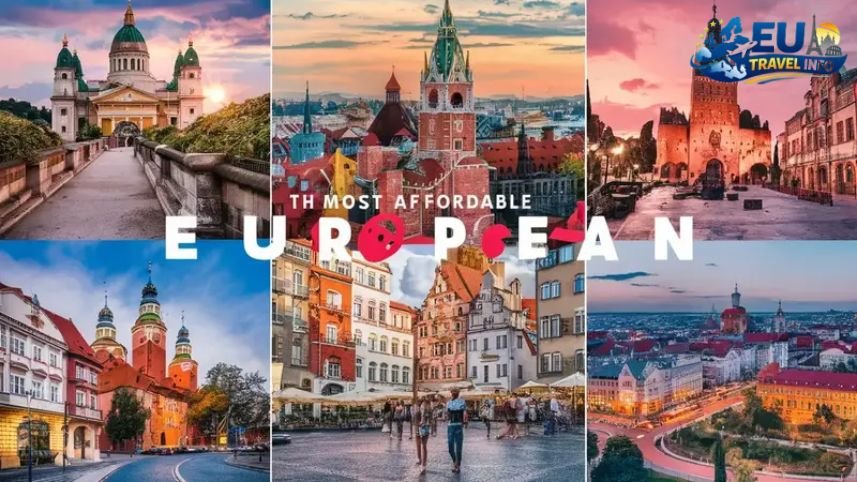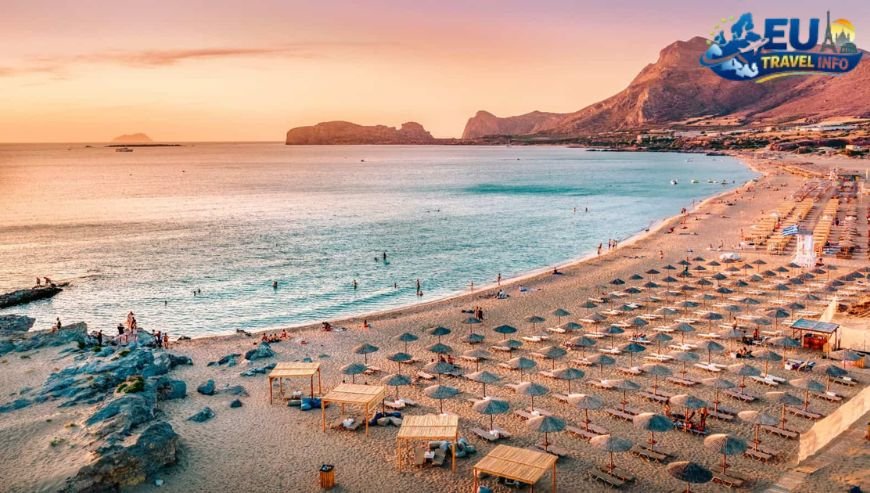
I always dreamed of a grand tour of the old world. But my bank account often gave a little nervous cough. You probably see the viral videos of stunning European castles, pristine beaches, and charming old towns every day. It is easy to think these trips will drain your wallet. However, the continent is full of incredible spots at half the price of the famous capitals. I want to share my personal journey through a region that is still a bargain. Is Eastern Europe Cheap To Travel? The answer is a loud and happy yes. You can enjoy most of these countries for as little as $35 to $70 a day. Sometimes the cost is even less.
First of all, let us look at the eastern europe map and see where the deals are. Many of the cheapest countries in Europe are grouped together in the east and southeast. These places offer a mix of medieval towns, scenic mountains, and affordable travel. I found that your money stretches much further here. It allows for a deeper and more enriching experience. You do not need to spend a fortune to create unforgettable memories.
My Adventure in the Balkans
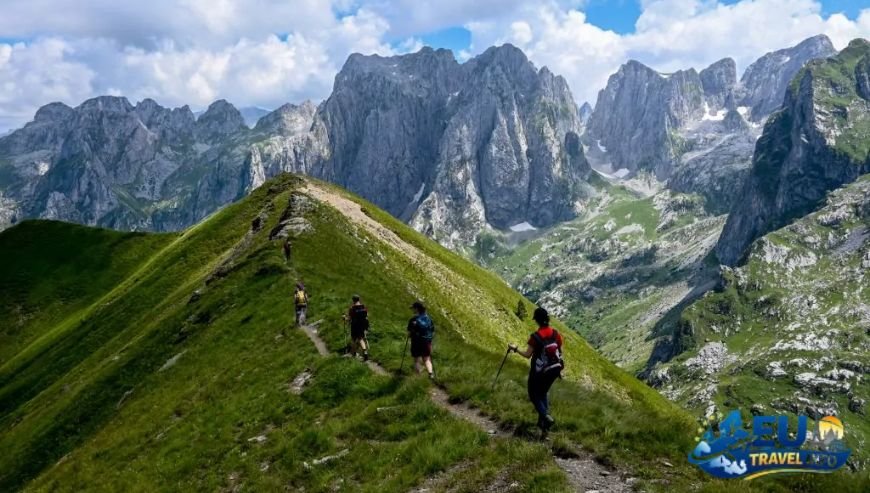
Albania was a huge surprise for me when I first visited. It is quickly becoming a popular spot in the Balkans. I love its pristine beaches, epic mountain ranges, and delicious food. It is one of the most affordable countries in all of Europe. For budget travel, you should plan on a ballpark of $70 to $105 per day. If you are a very careful backpacker, you can even get by on $30 to $50 per day. I recommend staying in an Airbnb like a beach house to save money. This is much better than the new all-inclusive resorts. Street food will only cost you $1 to $2. Additionally, it is legal to camp anywhere in Albania. You can save plenty of money on beds if you have a tent or a campervan.
North Macedonia is another hidden gem that I simply cannot believe more people do not know about. It is perhaps the biggest secret in Europe. You will find idyllic villages, towering mountains, and beautiful lakes here. I spent five days in the capital city of Skopje. It is jam-packed with history. I took a three-hour walking tour and learned about Mother Theresa and Alexander the Great. The best part is the price. North Macedonia is one of the cheapest countries on the planet. You can travel comfortably for around $35 to $55 per day. A city bus in Skopje costs about 60 cents. Plus, many natural sites like Matka Canyon are completely free to explore.
Serbia also offers a buzzing atmosphere and historic charm at an unbeatable price. It is perfect for budget travelers. I started my journey in Belgrade, a city shaped by centuries of history. I walked through the Kalemegdan Fortress where two big rivers meet. It is completely free and has the best sunset views. Belgrade has a strong cafe culture where locals spend hours talking. It feels authentic and lived in. You can enjoy Serbia comfortably on a daily budget of $40 to $55. Public transport in Belgrade is often discounted for tourists. Hostel beds are available for $10 to $24. Dinner will usually cost you between $10 and $15.
Exploring the Value in Bosnia and Bulgaria
Bosnia and Herzegovina is a hidden Balkan treasure full of history and stunning landscapes. It also has some of the cheapest beer in Europe. I visited the iconic Stari Most in Mostar for just a few dollars. Many historic towns are completely free to explore. Local buses and trams cost around 50 cents to $1. A hearty local meal will only set you back between $2 and $6. I felt that I could eat very well for about $15 a day. You can comfortably explore this country on a daily budget of around $40 to $55. It is a top destination for solo travelers because the people are so warm.
Bulgaria sits high on the list for value. It is rich in history and full of natural beauty. The capital city of Sofia allows you to explore Roman ruins and massive churches. You can hike the Vitosha Mountain just outside the city for fresh air. I also recommend a visit to Plovdiv, one of the oldest cities in Europe. Its old town has cobblestone streets and colorful houses. On average, budget travelers can explore Bulgaria for around $30 to $50 per day. An all-day transport pass in Sofia costs about $1. Museum entries typically range from $3 to $9. Similarly, scenic areas like the Rose Valley are often free.
The Charm of Romania and Hungary
Romania offers a mix of medieval towns and scenic mountains. I found the travel here to be very affordable. You can explore the region of Transylvania, which is the home of Dracula legends. The Carpathian Mountains offer breathtaking views and excellent hiking. I also spent time in Bucharest, the vibrant capital. The Palace of the Parliament is the second largest building in the world. It took me 45 minutes just to walk around it. You can travel through Romania for around $40 to $60 per day. However, tourists will now pay a small tax of about 2 euros per night in Bucharest. This fee helps promote the city and fund infrastructure.
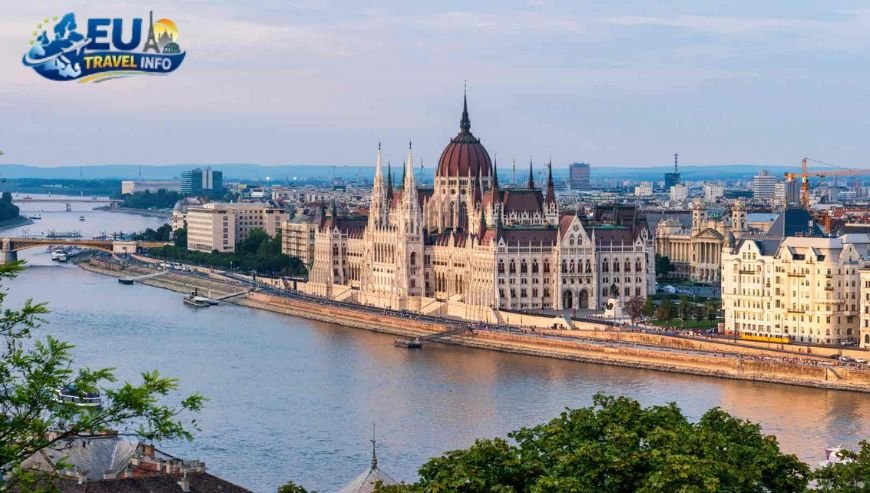
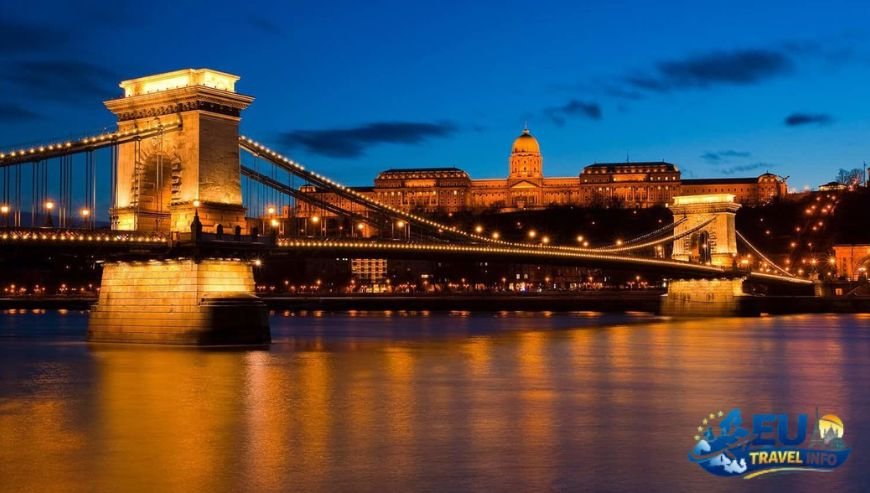
Hungary is a perfect blend of culture, architecture, and relaxation. I based myself in Budapest, the “Pearl of the Danube”. You can walk along the river and cross historic bridges. One of the most unique experiences is visiting the thermal baths. I soaked in the Széchenyi Thermal Bath for a fraction of the price I would pay elsewhere. This tradition dates back to Roman times. Hungary delivers classic European beauty at very reasonable prices. For budget travel, you should plan on $75 to $110 per day. The cost of living eastern europe style is much lower than in the west. Lunch specials at restaurants are substantial and priced well.
The Big Cities and Hidden Gems
Poland is a country that makes me very excited. It is bursting with charm and natural beauty. You can explore medieval cities like Krakow, Gdansk, and Warsaw. I loved the cobblestone streets that lead to majestic castles. Poland is very affordable compared to Western Europe. For budget travel, you should plan on a ballpark of $65 to $95 per day. I found that a typical one-week trip costs about $574 for a solo traveler. You can save money by eating at traditional milk bars. These are government-subsidized cafeterias with hearty food. A complete meal there costs about $7.50. Also, no trip to Poland is complete without a visit to Auschwitz. It is an eye-opening and important experience.
Montenegro is where dramatic mountains meet crystal clear waters. It is the perfect mix of natural beauty and coastal charm. I explored historic towns like Kotor and Budva for free. The Bay of Kotor looks like a fjord surrounded by steep peaks. I found that intercity bus rides typically cost between $3 and $8. Local beer is also cheap at around $2 to $3. All in all, you can explore Montenegro on a daily budget of around $40 to $60. It is one of the best value spots on the Adriatic coast. Gradually, Finally, people are starting to realize how beautiful this country is.
Georgia is a place where Europe meets Asia. It is full of mountain landscapes and warm hospitality. I found some of the best travel value here. I recommend visiting the historic streets of Tbilisi. The city has century-old churches alongside modern glass buildings. You can take a cable car for around $1. I also suggest a trip to the Caucasus mountains. Tbilisi is a very exciting and affordable capital city. For budget travel, you should plan on $45 to $70 per day. The food is unforgettable and the wine scene is one of the best in the world.
Where To Travel In Europe On A Budget: The Baltics
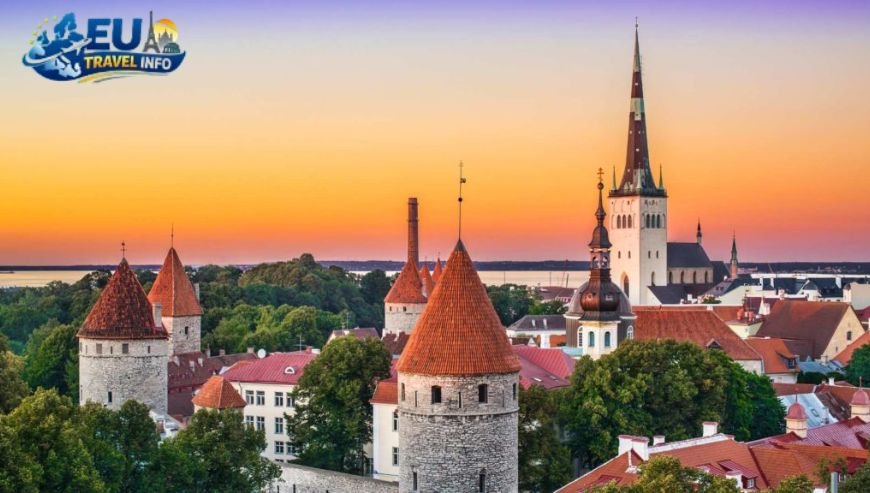
The Baltics include Latvia, Lithuania, and Estonia. These countries are right at the heart of the region. Latvia is one of the lesser-known spots and does not attract many tourists. This means you will often have places to yourself. The capital city, Riga, has stunning architecture and a quaint old town. You can find hostel beds for $20 to $30. Lithuania is also very scenic and has a rich history. The capital, Vilnius, charms visitors with its baroque architecture. It offers some of the lowest prices in the European Union. Estonia is very technologically advanced and is a hub for digital nomads. The capital, Tallinn, offers a fairy-tale experience with its medieval streets. Many of its top attractions are free to visit.
How Much Does It Cost To Travel Eastern Europe?
I want to give you a clear breakdown of the how much does it cost to travel eastern europe question. Prices will vary based on your style, but here are some general numbers. Accommodation is often the biggest cost. However, staying in this region brings significant savings. Hostel beds are usually between $10 and $20. Budget hotels or guesthouses often range from $20 to $40 per night. If you want a bit more luxury, 5-star hotels in cities like Warsaw start at about $208 per day.
Food is another area where you can save a lot. You should eat like a local and skip the touristy restaurants. Street snacks like burek or pastries cost just $1 to $2. A meal at a local tavern or restaurant will usually be between $4 and $10. If you prefer to cook for yourself, groceries for a day will cost under $10. On top of that, public transport is efficient and very cheap. Most cities have buses, trams, or metros that cost less than $1 per ride. Intercity travel by bus or train usually ranges from $5 to $20.
Statistical Data and Cost Comparisons
It is helpful to compare the cost of living eastern europe vs western europe. This helps you see how far your money goes. In the east, countries like Poland and Romania have much lower housing and daily costs. For example, the average monthly rent for a one-bedroom apartment in Warsaw is about €500 to €700. In cities like London or Paris, you might pay €1,500 to €2,000 for the same thing. A monthly public transit pass in Prague costs around €20 to €40. In London, that same pass can cost €70 to €100. A basic meal at a restaurant in the east is €5 to €10, while in the west it is €10 to €20.
Daily budgets also tell a clear story. Tourist hotspots like Paris or Zurich can cost upward of $250 to $400 a day. On the contrary, many eastern destinations cost less than $100 a day. Bosnia and Bulgaria typically offer the lowest overall expenses. You can find beds for less than $10 and meals for $5 to $12 in these countries. Romania and Poland follow closely with significant savings on food and activities. Therefore, choosing the right destination matters a lot for your wallet.
Solo Travel Europe Budget and Safety
I know that many people worry about solo travel in this part of the world. I checked the facts to assuage the fears of my relatives. Zagreb and Budapest are considered very safe for people traveling alone. Zagreb is actually one of the safest cities in Europe. I never felt unsafe walking alone at night. You should follow common sense and you will be just fine. However, you should probably skip places like Russia, Belarus, and Ukraine right now due to the political situation.
For a solo travel europe budget, you can save money by staying in shared rooms in hostels. This is the most economical way to travel alone. Many hostels also offer a chance to meet other travelers. I found that most cities are very walkable, which keeps transportation costs at zero. If you need a ride, platforms like BlaBlaCar are popular and cost less than taxis. Additionally, many cities offer free walking tours led by locals. This is a great way to see the sights and meet people without spending a cent.
Tips To Travel Europe On A Budget
I have learned many tricks to keep costs down during my travels. First of all, you should travel during the shoulder season. This means visiting in late spring or early autumn. The weather is pleasant and the crowds are much smaller. You will find much better deals on hotels and flights. I avoided July and August and my costs were much lower. Later, I realized that booking flights early is also key. You should try to buy your tickets two to eight months in advance for the best prices.
Another great tip is to choose budget-friendly city pairings. You can combine a pricey stop with a more affordable one. For example, you could pair a trip to Paris with a few nights in Ljubljana. This lets you see the famous spots without blowing your entire budget. Also, look into rail passes if you plan to visit multiple countries. They can offer great value for flexible travel. Plus, always validate your ticket on public transport to avoid hefty fines. Ticket inspectors are frequent and very strict.
To stay connected, I recommend using an eSIM. Traditional roaming charges from your home carrier can ruin your budget quickly. An eSIM allows you to access local networks at local rates. You can get a lot of data for a small price, like 12GB for around $20 in Poland. This makes it easy to use maps and travel apps without worry. Additionally, always carry a small amount of physical cash. Some local markets and public toilets do not take cards. I learned this the hard way while trying to buy souvenirs at a small stall.
Cheapest Cities in Eastern Europe to Visit
Let us talk about the cheapest cities in eastern europe that you should add to your list. Prague is one of the most beautiful cities in the world. It is steeped in history and the architecture is world-class. While it is getting more expensive, it is still a bargain compared to Paris. It costs around $45 to $65 per day to visit Prague comfortably. Krakow is another must-visit city with a rich history. The old town is a UNESCO World Heritage Site and is mostly free to explore. Dining there is a real bargain.
Bratislava, the capital of Slovakia, is often overlooked but is a hidden treasure. It has a charming old town and vibrant cafe culture. Many of its attractions have minimal fees. Riga in Latvia is another hidden gem for budget travelers. The central market is one of the largest in Europe and is a great place to sample local food. Finally, Tbilisi in Georgia is an underrated capital that is getting more attention. It is very affordable and has an incredible restaurant scene.
Risks and Things To Watch Out For
I must also mention that there are some risks to consider. Geopolitical conflicts and economic uncertainty can change things quickly. Since early 2025, the US has introduced several waves of tariffs. This has increased global uncertainty and might boost travel prices. On top of that, inflation remains a concern for many travelers. Prices for tourism-related services are higher than they were a few years ago. Package holiday costs have reportedly increased by 10% to 12%.
Overtourism is also a pressing concern in certain spots. I saw protests in some cities where residents are worried about the effects of mass tourism. Some cities are increasing tourist taxes to help manage the numbers. For example, Amsterdam is now the priciest city for taxes at over €15 per night. However, cities like Budapest keep their taxes low at around 4%, which helps them stay affordable. You should also check for travel warnings before you go. In early 2026, there were alerts for protests near diplomatic buildings in Warsaw. It is always best to stay informed and avoid large gatherings during periods of unrest.
Is Eastern Europe Cheap To Travel? My Final Thoughts
I truly believe that this region offers some of the best travel experiences in the world. It provides a rich tapestry of cultural experiences and stunning landscapes at a fraction of the cost of the west. Whether you are a solo backpacker or a couple seeking a romantic getaway, you will find that your money stretches further here. You can stay in high-quality places and enjoy delicious food without spending much. Plus, the history you will learn is absolutely fascinating.
Is Eastern Europe Cheap To Travel? Yes, it is. I found that I could see so much without spending a lot. From the pristine beaches of Albania to the medieval castles of Romania, there is something for everyone. Do not let a tight budget stop you from exploring the world. By planning thoughtfully and traveling during off-peak times, you can experience the richness of European culture without overspending. Pack your bags and get ready for an unforgettable journey that will not drain your wallet. The adventure of a lifetime is waiting for you in the east.
Frequently Asked Questions
- Is Eastern Europe cheap to visit?
- Yes, Eastern Europe is one of the most affordable regions in the world, with daily costs typically 50% to 70% lower than in Western Europe. Most countries in the region can be enjoyed comfortably on a budget of $35 to $70 per day.
- Which part of Europe is the cheapest to visit?
- The eastern and southeastern regions, particularly the Balkans, are consistently the cheapest parts of Europe. Countries like Albania, Bulgaria, and North Macedonia often offer the lowest prices for accommodation and dining.
- Is Eastern Europe worth visiting?
- Absolutely. The region features world-class beaches, dramatic mountain ranges, and well-preserved medieval towns that offer the same richness as the West without the heavy crowds. It is highly regarded for its authentic culture, unique history, and exceptional value for money.
- What is the cheapest way to get to Eastern Europe?
- Buses are the primary and most cost-effective mode of transportation, often saving travelers 40% to 70% over regional flights. For international arrivals, flying into budget-friendly hubs like Sofia or Budapest is often the most affordable entry strategy.
- Is 1000 euros enough for 2 weeks in Europe?
- In Eastern Europe, 1000 euros is more than sufficient for a two-week trip, as mid-range daily budgets usually average between €30 and €70. This amount easily covers private guesthouse stays, frequent sit-down meals, and intercity travel.
- Which is better, Eastern or Western Europe?
- While Western Europe is more famous, Eastern Europe offers a similar cultural experience at a fraction of the cost. Destinations in the East feel more authentic and less touristy, whereas Western hotspots can cost upward of $250 to $400 a day.
- Where is still cheap in Europe?
- Albania, Bulgaria, Romania, Serbia, Bosnia and Herzegovina, and the Baltic States remain remarkably affordable for travelers. In Western Europe, Portugal is noted as one of the few countries that can still be visited on a lower budget.
- Is $100 a day enough in Europe?
- In Eastern Europe, $100 a day is a generous budget that often allows for a high level of comfort or luxury. In Western European capitals, however, that same amount may only cover the bare minimum for essentials.
- Which country is best for travel in low budget?
- Albania is often ranked as the best value destination for its combination of Mediterranean beaches and very low prices. Bulgaria is another top choice, consistently offering the lowest overall costs for hotels and meals.
- Why is Eastern Europe so expensive?
- Eastern Europe is not expensive; it remains one of the world’s most budget-friendly regions. While some specific areas, like coastal Croatia or major cities like Prague, have seen price increases due to mass tourism, most of the region remains highly affordable.
- What is the 3 month rule in Europe?
- The Schengen Agreement allows visitors from many countries to stay for up to 90 days (roughly three months) within any 180-day period. Some countries, like Albania, sit outside this zone and offer their own separate 90-day allowances.
- What is the best month to go to Eastern Europe?
- The shoulder season months of May, June, September, and October are ideal. September is often considered the best month because it offers warm seawater and pleasant temperatures with prices up to 50% lower than the summer peak.
Concluding words
Eastern Europe provides an extraordinary travel experience by blending stunning natural beauty and deep historical depth with an incredibly low price tag. While inflation and rising popularity have affected some areas, countries like Albania, Bulgaria, and Romania remain the best options for high-quality, affordable vacations. By traveling during the shoulder seasons and using the region’s extensive bus network, you can see the best of Europe while spending half the budget required for the West.