I have spent years traveling through the mountains of Europe. I have a confession to make. I am in love with the Swiss Alps. There is just something about those pyramid-shaped peaks and the fresh mountain air. If you only have 3 days to see this beautiful country, you must be efficient. You want to see the best parts without feeling rushed. This guide will help you do exactly that in 2026.
The Secret to Easy Travel: The Swiss Travel Pass
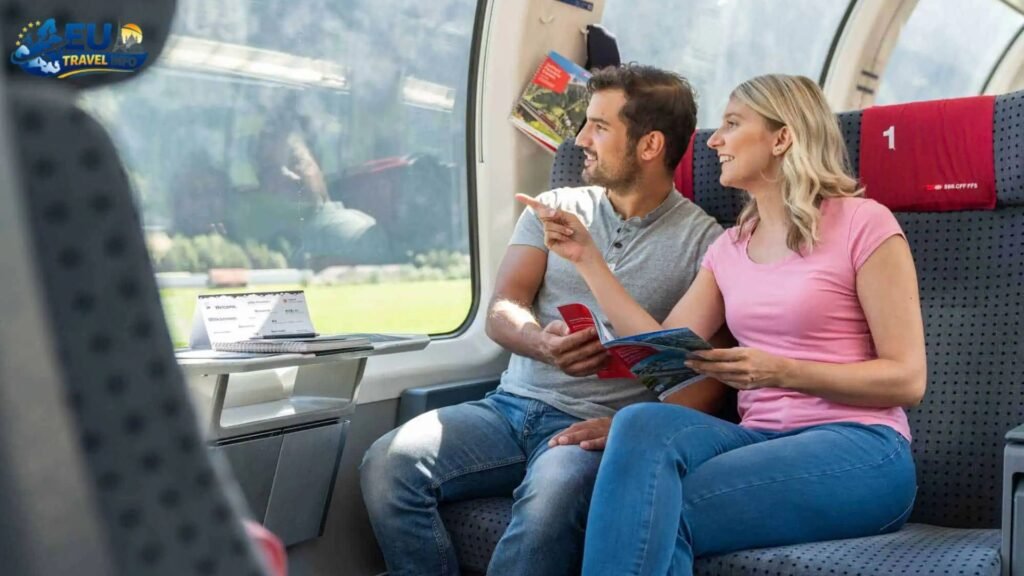
First of all, you must understand how to get around. The Swiss Travel Pass is your best friend. It covers almost all trains, buses, and boats in the country. For a 3-day itinerary, the price starts at around $320 per person. This might seem like a lot of money. However, it saves you so much time and stress. You do not have to wait in line to buy a ticket for every single leg of your trip. You just walk onto the train and find a seat.
The pass also gives you free admission to more than 500 museums. This includes the famous Olympic Museum in Lausanne and the historic Château de Chillon. Additionally, you get a 50 percent discount on most high-mountain lifts. It is the most convenient way to travel. I always choose the first-class option if I can afford it. The cars are less crowded. You have plenty of room for your luggage. You can easily move from side to side to take pictures of the scenery.
Day 1: The Heart of the Berner Oberland
Your journey begins when you arrive at the Zürich Airport. Do not stay in the city for too long. You should head straight for the Lauterbrunnen Valley in the Berner Oberland. This is the most dramatic alpine region in Switzerland. The valley is narrow and deep. It features 72 waterfalls that tumble down high limestone cliffs. The most famous one is Staubbach Falls, which is right near the town of Lauterbrunnen.
Finding Your Home Base
You have a few choices for where to stay. The town of Lauterbrunnen sits on the valley floor. It is very convenient for trains and buses. However, I prefer to get high up into the hills. Mürren is a pleasant resort town located midway up the mountain. It has no cars. The streets are quiet and the air is clean. If you want something even more rustic, try Gimmelwald. This village is a wonderful time-warp. It is small and quiet. You will see traditional wooden chalets and maybe a few goats.
Afternoon Exploration
Once you drop off your bags, you should explore the valley floor. I recommend a walk to Trümmelbach Falls. These are the most powerful falls in the region. They are unique because they are hidden inside the mountain. You take an elevator up into the rock. Then you walk through wet caves to see the water thunder down. It is a loud and powerful experience.
Later, you can take a cable car up to Grütschalp. From there, you can take a super-easy stroll along the ridge to Mürren. This path is family-friendly. It offers grand views of the Eiger, Mönch, and Jungfrau peaks. These three mountains are the stars of the show in this part of Switzerland.
Day 2: Reaching the High Peaks
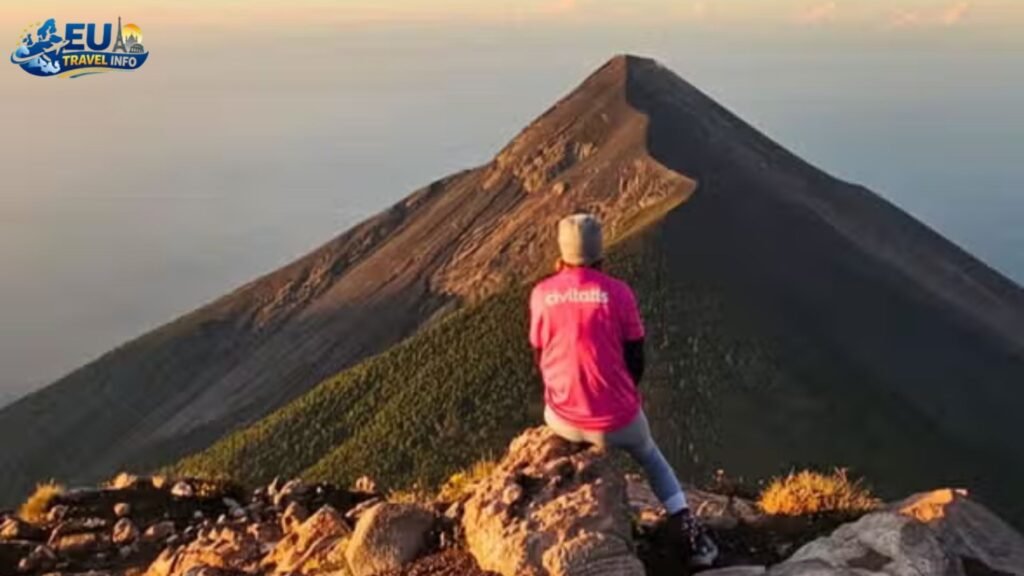
On your second day, you must go to the top of a mountain. You have two main choices. Each one is a world-class attraction.
Option 1: The Schilthorn Experience
The Schilthorn peak reaches a height of 9,748 feet. You take a series of cable cars from the valley floor to reach the summit. The ride itself is a thrill. You dangle from a cable high above the ground with great views the whole time. At the top, you will find the Piz Gloria revolving restaurant. You can eat a hot meal while the entire panorama of the Alps glides by your window.
The summit is also famous because the James Bond movie On Her Majesty’s Secret Service was filmed there. There is a James Bond Bar and an interactive exhibit for fans of the movie. On top of that, the views of the Eiger, Mönch, and Jungfrau are better from here than anywhere else. This trip is generally cheaper and faster than the alternative.
Option 2: The Jungfraujoch – Top of Europe
The Jungfraujoch is a unique engineering marvel. It sits at an elevation of 11,333 feet in the saddle between two massive peaks. To get there, you ride a train that tunnels through the Eiger mountain. The construction of this railroad began in 1896. It is incredible to think they built this without modern tools.
At the top, you are on a glacier. You can walk inside the Ice Palace to see ice carvings. You can even walk out onto the snow and look down at the Aletsch Glacier. There is a zip-line and a mini-luge for more adventure. However, this trip is very expensive. It can cost double the price of the Schilthorn. It also takes a long time to reach the top. The train ride from Lauterbrunnen takes almost two hours.
Which One to Choose?
I think the Jungfraujoch is more of a unique “glacier experience”. The Schilthorn is a better “mountain-top panorama”. If the weather is cloudy, do not go to either one. You will pay a lot of money and see only white mist. Always check the webcams at the train station before you buy your ticket.
Day 3: Scenic Trains and Lakeside Charm
For your final day, you should see a different side of Switzerland. You can head toward Lucerne or Lake Geneva. Both options allow you to experience a scenic train ride.
The Golden Pass Route
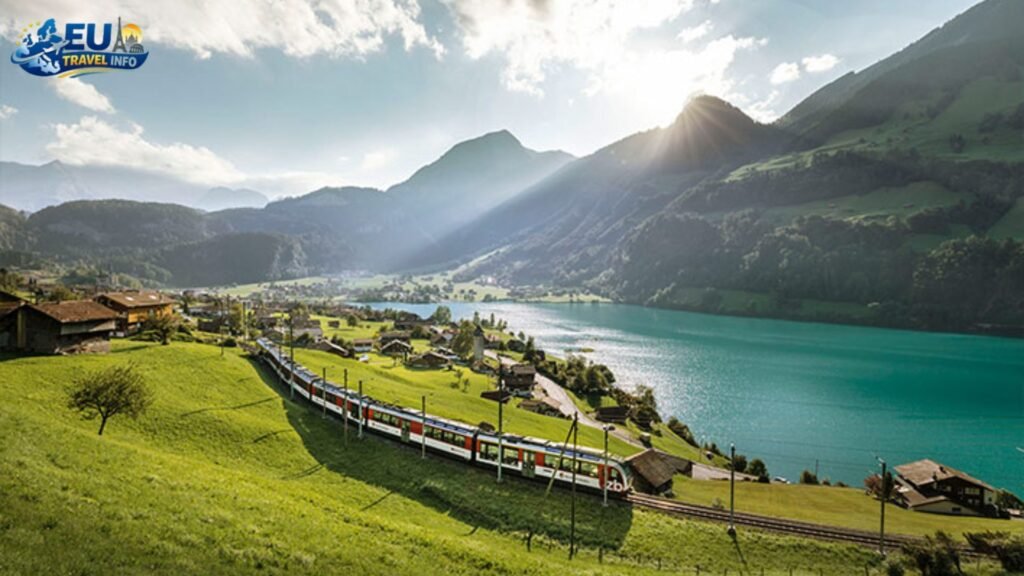
The Golden Pass is one of my favorite train routes. It runs diagonally through the country. The most beautiful part is between Zweisimmen and Montreux. As the train moves, you will notice the culture change. German-style wooden chalets are replaced by French-style stone houses. The train passes through the Jaman Tunnel, which is two miles long.
The route utilizes a narrow gauge rail line with many twists and turns. For the best experience, you should book a seat in a panoramic car with massive windows. If you have the Swiss Travel Pass, the ride is included. Therefore, you only need to pay for a seat reservation if you want the special observation car.
Exploring Lucerne
If you choose Lucerne, you will find a historic city with beautiful wooden bridges. A popular day trip is the round trip to Mount Pilatus. You take a boat from the station to Alpnachstad. Then you ride a funicular to the top. After lunch with a view, you take cable cars down to Kriens and a bus back to the city. Similarly, a trip to Mount Rigi is another great option. The entire Rigi round trip is fully covered by the Swiss Travel Pass.
The Beauty of Lake Geneva
If you choose Lake Geneva, you must visit Château de Chillon. This medieval castle sits on a rocky island right at the edge of the water. It is remarkably well-preserved. You can explore a dank prison and see battle-scarred weapons. It has never been destroyed in its 800-year history. Plus, the nearby town of Montreux has a Mediterranean feel with palm trees and a beautiful lakeside promenade.
Important Travel Tips for 2026

Switzerland is expensive. I have found a few ways to save money.
- Food: Restaurants are pricey. I often buy food at a local grocery store for a picnic.
- Weather: The weather is untrustworthy. It can change in an instant. Always carry a light jacket, even in the summer.
- Timing: High summer and early fall are the best times to visit. Many lifts and trails close in the spring.
- Zermatt: If you want to see the Matterhorn, you need at least one buffer day. That mountain loves to hide behind clouds. It is a 14,690-foot peak, but you might not see it at all if it is rainy.
Statistical Data for Your Trip
| Feature | Data |
| Swiss Travel Pass (3-Day) | ~$320 |
| Matterhorn Height | 14,690 feet |
| Jungfraujoch Elevation | 11,333 feet |
| Schilthorn Height | 9,748 feet |
| Jaman Tunnel Length | 2 miles |
| Bernina Express Tunnels | 55 tunnels |
| Glacier Express Bridges | 291 bridges |
Final Thoughts on Your 3-Day Journey
You cannot see everything in three days. Therefore, you must focus on the highlights. First of all, get to the mountains. Later, enjoy a scenic train ride. Finally, soak in the history of a lakeside castle or a mountain village. Switzerland is a place that stays in your heart. You will likely want to return as soon as you leave.
FAQ
Is it difficult to navigate the train stations?
The stations are very well-organized. Most signs are in multiple languages. You can also use the SBB app to check schedules in real-time. This makes transfers between trains very simple.
Do I need to carry cash?
Most places in Switzerland accept credit cards. However, it is a good idea to have some Swiss Francs for small purchases in mountain huts or local markets. Some small farm hamlets might only take cash for cheese or snacks.
Is English widely spoken?
Yes, most people in the tourism industry speak excellent English. In the Lauterbrunnen Valley and large cities, you will have no trouble communicating. In remote areas, the local language might be German, French, or Italian.
What should I pack for the mountain summits?
Even if it is warm in the valley, it is cold at 10,000 feet. You should bring layers. A windbreaker, a warm sweater, and sturdy walking shoes are essential for any high-altitude excursion.
Concluding Words
A 3-day itinerary in Switzerland focuses on the Berner Oberland and the Lauterbrunnen Valley. You should use a Swiss Travel Pass for efficient travel on trains and lifts. This short trip allows you to see massive peaks like the Eiger, experience world-class engineering at the Jungfraujoch, and enjoy the charm of car-free villages. It is a fast-paced but deeply rewarding way to see the best of the Swiss Alps in 2026.