I have spent years traveling through the most beautiful corners of Europe. My latest journey through France and Switzerland is one I will never forget. This itinerary is perfect for a mature traveler who wants a mix of comfort, tradition, and breathtaking views. I want to share my personal experience to help you plan your ultimate 2026 trip.
The Journey Begins in Traditional Appenzell
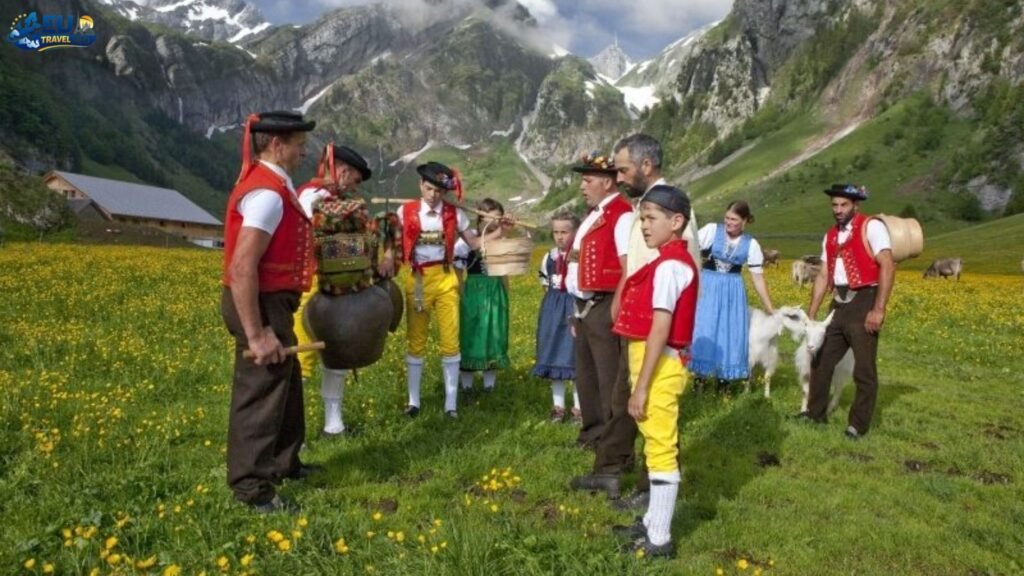
First of all, I started my trip in the northeast corner of Switzerland. I arrived at the Zurich Airport and headed straight for Appenzell. This region feels like a step back in time. People often say you should set your watch back ten years when you enter this area. It is the most traditional part of the country. Also, the landscape is full of lush, rolling green hills and happy cows.
I spent my first two days immersed in the local culture. I saw farmers in formal costumes and cows decorated with flowers during a ceremonial procession. These cows are part of a high cow culture that locals take very seriously. Gradually, I made my way to the Ebenalp plateau. I took the Wasserauen cable car up to the top. From there, I hiked down a trail that leads through a prehistoric cave and a 400-year-old cave church.
The highlight was the Berggasthaus Aescher. This guesthouse is built right into the side of a cliff. I sat on the deck and sipped coffee while looking at the distant Seealpsee lake. The view was 360 degrees of alpine perfection. Additionally, I tried the local cheese. It is famous for being the smelliest cheese in Switzerland, but the taste is excellent.
The Charm of Luzern
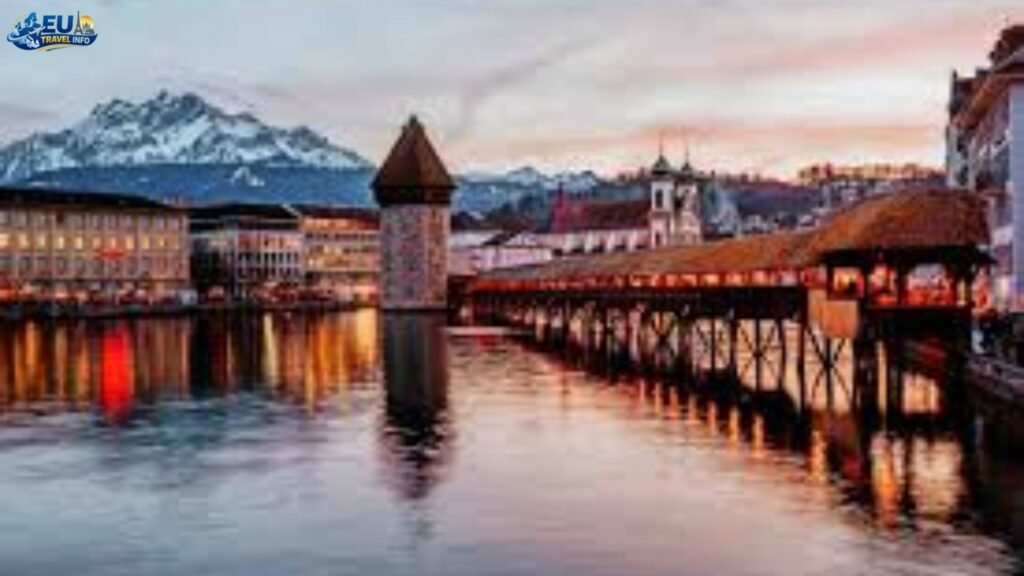
Later, I moved on to Luzern. This city has been a stop on the “Grand Tour” of Europe since the 19th century. It sits right on the Reuss River. Therefore, I spent a lot of time by the water. I walked across the famous Chapel Bridge. It is a wooden bridge built in the 14th century to connect the city fortifications. I looked up at the rafters and saw about 100 colorful paintings from the 17th century.
The city is full of history. I visited the Lion Monument. It is a sad but noble memorial to over 700 Swiss mercenaries who died during the French Revolution. A spear is shown slowly killing the lion. It is a very moving sight. Similarly, I enjoyed the local food. I had a wonderful dinner of local pork at a restaurant along the riverbanks. The city even uses an extendable dam from the mid-19th century to control the lake level.
Switzerland with an Italian Accent in Lugano
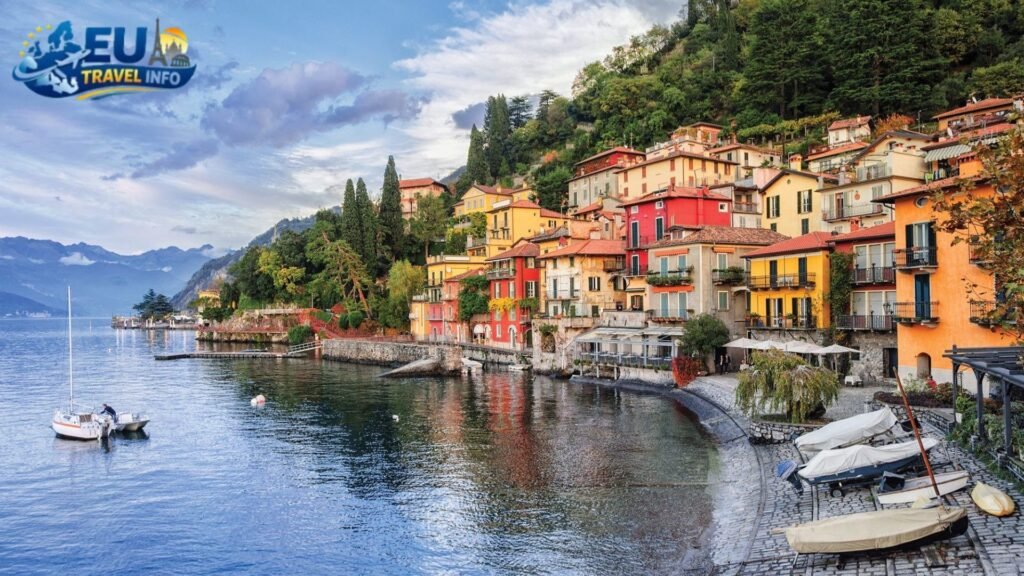
Next, I traveled south to Lugano. I took the scenic Gotthard Panorama Express route. This city is in the Italian-speaking canton of Ticino. It feels very different from the rest of Switzerland. It has palm trees and a Mediterranean vibe. The town sprawls along the shores of Lake Lugano.
I took a funicular from the train station down to the old town. The streets here are called “Via” instead of “Strasse”. I walked through Piazza della Riforma, which locals call the city living room. On top of that, I visited the Grand Café al Porto. This historic spot opened in 1803. I learned that famous people like Clark Gable and Sophia Loren once enjoyed cookies and coffee here.
I also took a boat cruise to the village of Gandria. It is a peaceful fishing town with narrow passageways. However, I made sure to return for a trip to the Alprose Chocolate Factory in Caslano. I watched the machines drop dollops of chocolate into molds. They were very generous with free samples. Finally, I capped off the day with a trip up Monte San Salvatore. The lift zips you up to 2,990 feet for a sweeping view of the lake.
Zermatt and the Mighty Matterhorn
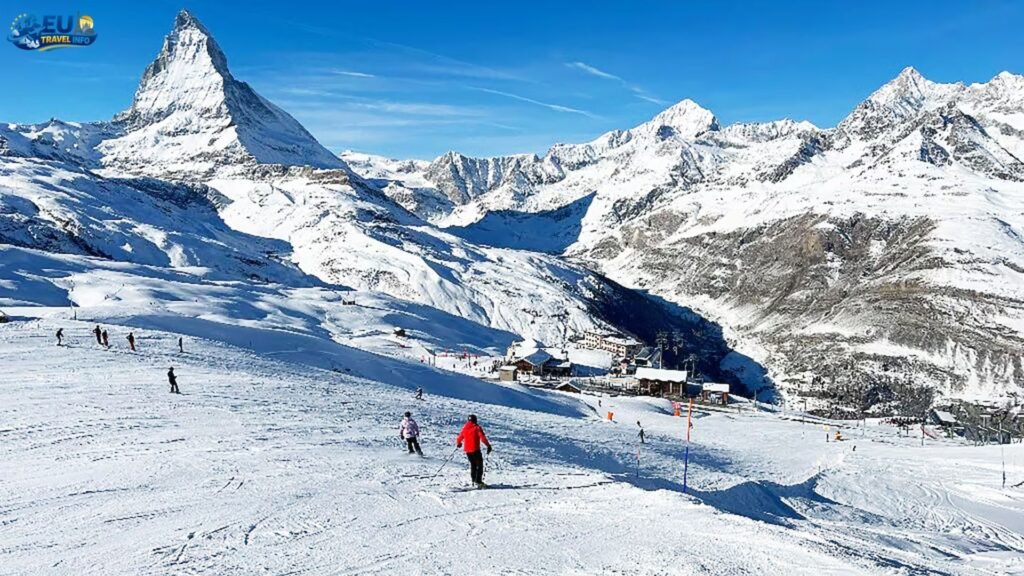
Therefore, no Swiss trip is complete without seeing the Matterhorn. I headed to Zermatt, a tiny town nestled in a remote valley. This town has no gas-engine vehicles. Only electric buses and taxis move through the streets. I loved walking down Bahnhofstrasse without the noise of cars.
The 14,690-foot Matterhorn towers over the town. I realized that the weather can be tricky here. The valley can get socked in with clouds at any time. I added a buffer day to my schedule as insurance against rain. Fortunately, the sun came out. I took the historic cogwheel train up to Gornergrat. The train reaches 10,000 feet and offers the best views of the region.
I hiked between the Rotenboden and Riffelberg train stops. The famous pointy mountain stayed in the background the whole time. Plus, I enjoyed the traditional charm of the town. The streets are lined with chalets and overflowing flower boxes. Zermatt hosts about 2 million guests every year.
Heaven in the Lauterbrunnen Valley
Additonally, I made my way to the Berner Oberland. If you only visit one alpine region, make it the Lauterbrunnen Valley. This valley has 72 waterfalls and massive cliff faces. I stayed in Gimmelwald, a rustic village hanging on a cliff. It is a “traffic-free” village with more cow troughs than mailboxes.
I took the cable car up to the Schilthorn peak at 9,748 feet. The Piz Gloria revolving restaurant at the top offers a 360-degree view. I ate breakfast while watching paragliders jump into the air. Gradually, I hiked down to the Sprutz Waterfall. The sound of cowbells and rushing streams followed me everywhere.
I also visited Mürren, a larger resort town above Gimmelwald. From there, I took a train that tunnels through the Eiger mountain to reach Jungfraujoch. This is Europe’s highest station at 11,333 feet. The views of the white-capped peaks are just this side of heaven.
The Golden Pass and France
Though I loved the high mountains, I also wanted to see the lake regions. I took the Golden Pass scenic route from Montreux to Interlaken. This route uses a narrow-gauge rail line with many twists and turns. The panoramic cars have huge windows for the best views.
This part of the trip brings you close to the French border. From Lausanne or Geneva, it is very easy to visit France. I looked across Lake Geneva and saw the French Alps. A short train ride can take you to Chamonix or Annecy. Many travelers use Geneva as a base to visit Mont Blanc. On the contrary, I focused on the Swiss side for this journey.
Navigating with Rail Passes
I found that the train is the best way to see Switzerland. The Swiss Travel Pass is very convenient. It covers most trains, buses, and boats. However, it does not cover all high mountain lifts. It usually gives you a 50 percent discount on those expensive rides.
I compared the prices carefully. A 15-day consecutive pass is often the best choice for a two-week trip. At that time, I also looked at the Half Fare Card. It costs about 120 CHF and gives you half off every ticket. I chose the Travel Pass for the convenience of just hopping on any train. The SBB app on my phone was a lifesaver for checking schedules.
Important Details for Your 2026 Trip

You should plan to visit between high summer and early fall. Spring is not a good time because many trails and lifts are closed. Therefore, August or September are perfect months. The weather is more reliable, and the mountain flowers are in full bloom.
I spent a total of 14 days on this route. This allowed me to see Appenzell, Luzern, Lugano, Zermatt, and the Lauterbrunnen Valley without rushing. I stayed in a mix of historic hotels and rustic pensions. In Lugano, I loved the Hotel International au Lac. It has been run by the same family since 1906. In Gimmelwald, the evening fun happens at the local hostel where hikers share stories.
Final Thoughts on This Adventure
Switzerland and France offer a unique blend of natural beauty and deep history. I felt a sense of peace sitting on a bench in Gimmelwald and watching the sun hit the peaks. I marveled at the engineering of the cogwheel trains. I even enjoyed the “smelliest” cheese. This itinerary is a true gift for anyone who loves the outdoors and old-world charm.
FAQ
What currency do I need for this trip?
You will need Swiss Francs (CHF) for your time in Switzerland. France uses the Euro. Many places in Swiss border towns like Lugano or Geneva might accept Euros, but they often give change in Francs at a poor rate. Use a credit card or local currency for the best experience.
Do I need to speak German or French?
I found that most people in the tourism industry speak excellent English. In the Appenzell and Zurich regions, the local language is Swiss-German. In Lausanne and Geneva, people speak French. In Lugano, Italian is the main language. Learning a few simple phrases like “Hello” and “Thank you” in each language is very helpful.
How should I pack for the mountains?
Layering is the key. Even in summer, the temperature at the top of the Schilthorn or Jungfraujoch can be near freezing. I brought a sturdy pair of hiking boots, a waterproof jacket, and a warm sweater. Do not forget sunblock and sunglasses. The sun is very strong at high altitudes.
Is tap water safe to drink?
Yes, the tap water in Switzerland is some of the cleanest in the world. You can even drink from many of the public fountains in the villages unless there is a sign saying otherwise. I carried a reusable bottle and filled it up throughout the day.
Concluding Words
This Ultimate France and Switzerland Itinerary Guide 2026 for Travelers offers a perfect balance of mountain adventure and city culture. I have shared my favorite spots from the rustic cliffs of Gimmelwald to the sunny promenades of Lugano. You will see world-famous peaks like the Matterhorn and historic bridges in Luzern. Using the Swiss Travel Pass makes the journey smooth and easy. This trip is a wonderful way to experience the best of Europe in two weeks.