You are about to start a journey that will stay in your heart for a lifetime. You dream of the perfect trip across the old continent. You want to see the sights without the stress. You want to save your money for fine wine and local treats. This guide is your map for the year 2026. You will learn the secrets of the seasons. You will find out how to dodge the masses of people. You will see when the prices drop. It is time to plan your great escape.
The Great Choice: What Is the Best Time to Visit Europe
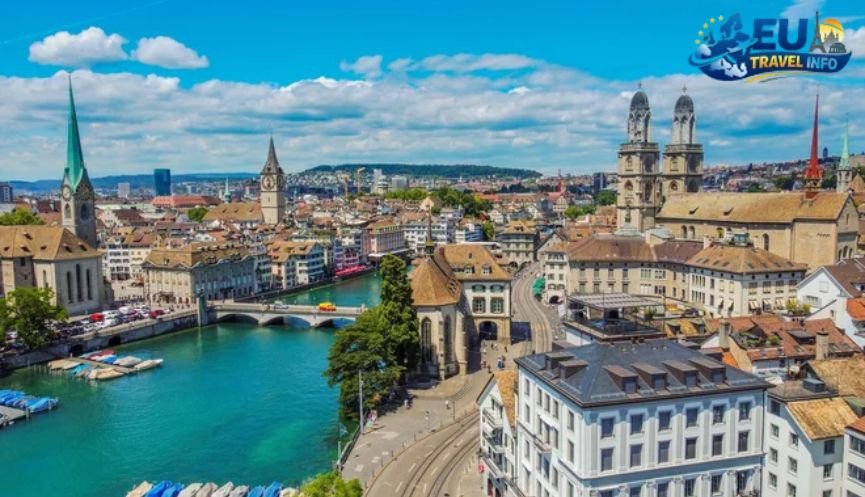
You will find that late spring and early fall are the top picks for most travelers. These periods are from April to June and September to October. The weather is mild. The sun is out. But the huge waves of tourists are not there yet. You can walk through the streets of Rome or Paris and actually breathe. It is a sweet spot for your wallet too. Prices for hotels and flights are often lower than in the hot summer months.
First of all, you should think about the air you want to breathe. In the peak of summer, many cities get very hot and humid. July and August are the warmest months, with temperatures often over 30°C (86°F). This energy is great if you love the beach and late-night parties. However, it is also the worst time to travel to Europe if you hate long lines and high costs.
How to Dodge the Masses: Best Time to Visit Europe to Avoid Crowds
You want peace and quiet. You want to see the Louvre or the Colosseum without a thousand elbows in your ribs. The best time to visit Europe to avoid crowds is the “shoulder season” or the deep winter.
September to November and March to May are the magic windows. At these times, you get a great balance. You see the beauty of the popular spots, but you do not fight for a seat at the cafe. In October, the summer crowds vanish. The pace slows down. You can find hidden corners in quiet cities.
Gradually, the numbers drop even more as winter arrives. If you are okay with a bit of a chill, January and February are the quietest months of all. Imagine you are alone in a grand museum. It is almost private.
The Budget Secret: Best Time to Travel to Europe for Cheap
You love a good deal. You want your money to go further. The best time to travel to Europe for cheap is the low season from November to March. Flight prices and hotel rates hit their lowest points here. You can find massive savings. In fact, some flights can be 57% cheaper in late August compared to the week of Christmas.
Additionally, you can use a few hacks to save more:
- Fly mid-week: Prices for flights often go down on Tuesdays and Wednesdays.
- Travel early: The first flights of the day are usually cheaper.
- Use stopovers: A long layover can be a mini-vacation and lower your ticket cost.
- Book 3 weeks to 3 months ahead: This is the golden window for the best prices.
Though travel costs are rising, some places are still a bargain. Airfare to Southeastern Europe, like Greece or Albania, has dropped by about 7.6% recently. At that time, you might also look at Eastern Europe. Prices there have fallen nearly 9% this year.
The Winter Wonderland: Best Time to Visit Europe in Winter
You might think winter is just cold and grey. On the contrary, it is a time of magic. The best time to visit Europe in winter is December for the festive spirit. Every major city glows with lights. Christmas markets in France, Italy, and Spain offer crafts and treats.
Later, in January, the vibe changes. It is the time for Quiet Cultural Exploration. Temperatures are mild in the Mediterranean, around 10-15°C (50-59°F). You can explore Barcelona or Rome in a light coat. It is the best value season for flights and cruises.
Plus, you might ask: is february good time to visit europe? The answer is a loud yes! It is the month of festivals. You can see the Carnival in Venice or the celebrations in Nice. There are parades and music everywhere. You get the fun without the peak-season price tag.
The Nature Lover’s Guide: From the Alps to the Northern Lights
You want to see the wild side of the continent. For the high peaks, the schedule is different. The European Alps are a crescent of beauty across eight countries.
- The season after winter: In May and June, wildflowers bloom. It is the rainy season in europe for the mountains, so some trails stay closed.
- Summer: July and August are the best for high-altitude walks. The air is 70-80°F. You might see an Ibex or a vulture.
- Fall: September brings golden colors and mushrooms to the forest. It is a dramatic and beautiful time to visit.
If your goal is the Northern Lights, you must go north between October and April. You need dark skies and clear weather. Places like Iceland, Norway, Sweden, and Finland are in the “aurora zone”. In some spots, the sun does not even rise in deep winter. This gives you many hours to see the green lights dance.
The 2026 Monthly Breakdown
You need a month-by-month look to make your final choice. Here is the best time to go to europe 2026 guide:
- January: Very low prices. Great for museums. Cold in the north, mild in the south.
- February: Carnival season. Best for Venice and festivals.
- March: The start of spring weather. Wildflowers in Italy and Spain.
- April: Ideal for city tours. Easter celebrations are a big event in Greece and Italy.
- May: The peak of spring beauty. Perfect for the Greek Islands.
- June: The start of summer energy. The sea is warm enough to swim.
- July: Peak summer vibes. Long days and lots of festivals. Very crowded.
- August: The warmest month. Great for the beach, but many locals are on holiday too.
- September: The “sweet spot.” Warm water but cooler air. Harvest festivals begin.
- October: Shoulder season charm. Great for wine tasting and local markets.
- November: The best time to visit europe in november is for the quiet. Very affordable.
- December: Christmas markets and holiday cheer. Ski season starts in the mountains.
The Statistical Reality of 2026 Travel
You should know that travel is changing. In early 2025, international arrivals to Europe went up by 3.3%. Some places are growing even faster. Malta saw a 19% jump in visitors. Cyprus surged by 16%.
Prices are also on the move. Accommodation and hotel costs in the south rose by 10.6% last year. International flights went up about 2.7%. However, some costs are falling. In the north, the price of package holidays has stayed flat.
Similarly, you must watch the exchange rates. The Euro has become more favorable for travelers from the UK and Switzerland. If you use the British Pound, you get more for your money now than a year ago. On top of that, you might wonder what is the best time to visit australia to see the other side of the world. While Europe freezes in January, Australia is in the heat of summer. For Europe, you must plan for the opposite.
Final Tips for Your Journey
You are almost ready. Just remember a few more items. First of all, the weather can change fast. You must pack layers. A mix of short sleeves and a light jacket is perfect for spring. Second, comfortable shoes are a must for those old cobblestone streets. Finally, turn on your price alerts. Use sites like Google Flights to see when the price for your dream trip drops.
Moreover, consider the “Shoulder Season Hack”. It is the smartest way to travel in 2026. You get the good weather, the open attractions, and the lower prices. You do not have to compete for dinner reservations. You get the best of everything.
Safe travels on your grand tour!
FAQ
What is the cheapest time to go to Europe?
The cheapest time is usually the low season from November to March, excluding the Christmas holidays. At that time, flights and hotels offer their best deals.
Which time is best for Europe?
The shoulder seasons of late spring (April to June) and early fall (September to October) are widely seen as the best. You get pleasant weather and manageable crowds.
What are the 4 seasons in Europe?
Europe has Spring (March-May), Summer (June-August), Fall/Autumn (September-November), and Winter (December-February). Each offers a unique experience for travelers.
Which is the rainy season in Europe?
There is no single rainy season for the whole continent. However, May is often the rainiest month in the Alps. Many regions see unpredictable showers during the spring and fall transition months.
Concluding words
The year 2026 is a perfect time to see the wonders of Europe. You will have the best trip if you choose the shoulder seasons of late spring or early fall for a mix of great weather and lower costs. If you want to save the most money, aim for the winter months like January or November. No matter when you go, you will find history, culture, and beauty waiting for you at every turn.