You want to plan the perfect trip for the year 2026. Europe is a massive place with many different cultures and landscapes to see. You deserve a vacation that feels right for you. Picking the right month is the first step to success. When Is the Best Time to Visit Europe depends on what you love the most. You might want warm beaches or snowy mountains. Perhaps you want to see ancient ruins without thousands of other people in your way. This guide will help you choose the right moment for your adventure.
The Magic of Springtime

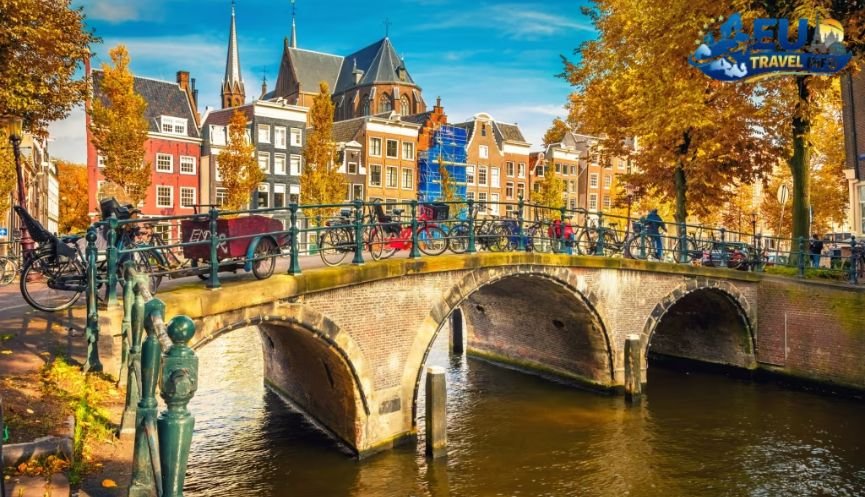
Spring is a magical time across the continent. May is a good time to visit europe because the weather is mild and the crowds are still small. You will see flowers in full bloom. The almond trees in Spain and wildflowers in Italy look beautiful in March. You can visit the Keukenhof Gardens in the Netherlands during April for the tulip festival. Temperatures usually stay between 15 and 25 degrees Celsius (59 to 77 degrees Fahrenheit). Additionally, you will find that prices for flights and hotels are much lower than in the summer.
You should consider the city of Dublin in March. The energy is high because of St. Patrick’s Day on March 17. The festivities last for the whole month. This is a great way to see true Irish life. You might also enjoy Glasgow in Scotland during the spring. The city has a film festival and a comedy festival in March. On top of that, the parks and gardens begin to bloom around the old castles.
While the flowers bloom in the north, the south feels very pleasant. Lisbon in Portugal has “T-shirt weather” in March and May. You can walk the hills and eat custard tarts in cozy shops. You will enjoy the sun without the extreme heat of the summer months. Similarly, Barcelona is great in March and April. You can see the surreal buildings without the summer heat or the peak-season crowds. On April 23, the city celebrates the Day of Books and Roses. Flower stalls and booksellers fill the streets. It is a sight you will not forget.
Avoiding the Crowds and Saving Money
The best time to visit europe to avoid crowds is during the shoulder seasons. These months are April through June and September through October. You will find shorter lines at famous sites like the Colosseum in Rome or the Louvre in Paris. The best time to travel to europe for cheap is during the winter months of November through March. However, you must be ready for some cold weather and shorter days.
Statistical data shows why these months are better for mature travelers. In 2024, one-third of all tourism nights for Europeans happened in July and August. August is the peak month. People take 2.5 times more trips in August than they take in January. If you love peace and quiet, avoid these peak times. Travelers over the age of 65 often choose the shoulder seasons. They spent more than 25 percent of their tourism nights in the months between the busy and slow seasons. They prefer June and September. Therefore, you can follow their lead to find a more relaxed pace.
Prices change a lot with the seasons. High season from June to August is the most expensive time to visit. Hotels and flights cost much more. On the contrary, the low season from November to March has the best deals. You can find great discounts on tours and rooms. The shoulder season offers a good balance. You get lower prices than summer but better weather than winter.
Dealing with the Summer Heat
The summer brings long days and bright sun. When Is the Best Time to Visit Europe for a beach holiday? Summer is the answer. You can enjoy the waters of Greece, Italy, and Spain. However, the summer of 2026 might be very hot. In June 2025, temperatures in Spain reached 46 degrees Celsius (114.8 degrees Fahrenheit). This was a new record for heat in June. Portugal also saw temperatures hit 46 degrees Celsius on the same day.
Extreme heat is becoming the new normal for European summers. In July 2025, the Eiffel Tower in Paris had to close for two days because of a red heatwave warning. You must stay safe if you travel during this time. Stay hydrated and stay out of the direct sun during the middle of the day. Older adults and people with health conditions should be extra careful. If you choose summer, use the mornings and evenings for your walks. Spend your afternoons in air-conditioned museums or cool galleries.
Seas are the warmest in August. This makes it a great time for swimming and water sports. The coastal towns are very lively. You will find many music festivals and busy markets. Also, the nightlife is at its best during these warm months. If you do not mind the crowds and the heat, the energy of summer is hard to beat.
The Autumn Harvest and Golden Leaves
The heat of summer eventually fades. September is often called the “sweet spot” for European travel. The air is comfortable, but the sea stays warm enough for a swim. You will find that the best time to visit europe 2026 for food lovers is the autumn. This is harvest season. You can see grape-picking festivals in Tuscany and Greece. You can even join wine-making tours in France.
October is also a beautiful month. The leaves turn golden across the continent. You can see dramatic colors in the Scottish Highlands. The cities are much quieter than they were in the summer. You can find hidden corners and see everyday local life. Local markets overflow with fresh produce and new olive oil. Gradually, the days get shorter, but the air stays crisp and clear.
In Germany, you can experience Oktoberfest in late September and early October. This is the world’s largest beer festival. You will see traditional outfits and hear lively music. It is a great way to see authentic Bavarian culture. Plus, the prices for travel start to drop as the high season ends.
Winter Charm and Snowy Slopes
Best time to visit europe in winter offers a very different experience. It is cold and sometimes wet, but it has a special charm. You can explore major historical sites like the Roman Colosseum with almost no other people around. The prices are at their lowest point of the year. Additionally, you can enjoy cozy cafes and snowy walks in cities like Prague.
Is february good time to visit europe? It is a great time if you like festivals. You can see the Carnival in Venice with its amazing masks and parades. It is also a peak month for skiing. The best time to visit europe in november is when the festive mood begins. Christmas markets start to open in mid-November. These markets are a highlight of the winter season.
You should visit the Christmas markets in early December for the best experience. Do not wait until the end of the month. The markets get very crowded and “peopley” as Christmas gets closer. Visit early in the week, from Monday to Wednesday, to avoid the weekend rush. The best time of day is about an hour before sunset. You will be there when the pretty lights come on, but the huge crowds have not arrived yet.
Skiing Adventures in 2026
If you love the snow, Europe has some of the best ski resorts in the world. The ski season usually runs from late November to late April. The best time to visit europe 2026 for skiing is between December and April. January is known for having the most snow. It is a quiet month, which is perfect for beginners who need space to practice.
France has many famous resorts. Val Thorens is the highest resort in Europe. It is projected to open on November 22, 2025, and stay open until May 3, 2026. Tignes also has a long season with reliable snow. In Italy, the resort of Cervinia is scheduled to open as early as October 25, 2025. On top of that, the Austrian resort of Tux is open all year round.
February is a very active month on the slopes. Many families go on ski holidays during this time, so the resorts feel festive. March and April bring longer days and warmer temperatures. The snow is softer, which makes it easier for beginners to learn. You can cruise under blue skies and relax. Therefore, you should pick the month that fits your skill level and your love for crowds.
Understanding the Rainy Season
The rainy season in europe is not a single time for the whole continent. In Ireland, you should expect rain no matter when you go. Rainfall happens all through the year. The west coast of Ireland gets more rain than the east coast. Therefore, you must always pack a raincoat or an umbrella for an Irish trip. You should take full advantage of “bright spells” when the sun comes out.
In the Mediterranean, the winters are the wettest months. Summer is generally dry and hot. Eastern Europe can see brief thunderstorms in the late summer. Spring in Eastern Europe often brings light rain and fresh blooms. Similarly, autumn can be unpredictable with some wind and rain.
You should always be prepared. Pack layers of clothes so you can adjust to the weather. Waterproof shoes are a must for walking on cobblestone streets. A sturdy, windproof jacket will protect you from the chill. First of all, check the local weather for your specific destinations before you pack your bags.
Cruising the Mediterranean
A cruise is a great way to see many countries in one trip. The Mediterranean has a mild climate, so you can cruise there all year. Spring and fall are the best times for a cruise. You get pleasant weather and fewer people at the ports. September is a popular choice because the sea is warm but the air is not too hot.
Senior travelers often find May, September, and October to be the best months. The temperatures are perfect for walking tours. You will not have to deal with the extreme heat of July or August. Additionally, you will have easier access to cultural landmarks. Smaller crowds mean you can see more in a single day.
If you want calm seas, June through August is the best choice. May and October also offer smooth sailing most of the time. Winter cruises offer the best value for your money. You can see the sights for a much lower price. However, some of the outdoor activities might be limited because of the cooler weather.
Ireland: The Emerald Isle
Ireland is beautiful all year, but timing matters for hikers. The prime months to visit are April through September. June and July are the warmest months. During the peak summer season, the days are very long. You can see daylight from 4:30 in the morning until 10:30 at night. This gives you plenty of time for trekking and sightseeing.
However, summer is also the most crowded time in Ireland. Dublin and Belfast can get very busy with tourists from cruise ships. You should book your rooms and tours far in advance. The shoulder seasons of spring and fall have fewer crowds. You might get some “crummy weather,” but the scenery is still stunning. The landscape is full of color in April and May as the wildflowers bloom.
Winter in Ireland can be chilly and blustery. Some small sights in the countryside might be closed. But the pubs are always open. “Wind, rain, or shine – the Irish pub is always open for a pint!”. You can enjoy live music and a warm Irish coffee after a day of exploring. It is a magical time if you are ready for the rain.
Eastern Europe Gems
The best time to visit Eastern Europe is from April to October. During these months, the cities are alive with festivals. Summer is hot and dry, with temperatures between 22 and 30 degrees Celsius (72 to 86 degrees Fahrenheit). Places like Prague, Budapest, and Krakow get very busy in the summer. You should book your flights and hotels early.
The shoulder seasons of spring and autumn are more budget-friendly. You will see light rain and fresh flowers in the spring. Autumn brings golden leaves and cooler air. These times are perfect for walking tours and visiting historical sites. Gradually, the crowds thin out, and you can explore at a relaxed pace.
Winter is the off-season in Eastern Europe. It is cold and quiet, but the cities have a festive charm in December. You can visit cozy cafes and see the Christmas markets. Prices for hotels are at their lowest during the winter. It is also the time for winter sports like ice fishing and snowboarding.
Planning Your 2026 Adventure
You have so many choices for your 2026 vacation. First, think about what you want to do. Do you want to ski in the Alps? Go in January or February. Do you want to see the tulips in the Netherlands? Plan for April. Do you want to enjoy the Mediterranean sun? Choose June or September.
You should also think about your budget. If you want to save money, travel in the low season from November to March. If you want the best weather, the shoulder seasons of spring and autumn are your best bet. Finally, remember that any time of year can be a good time if you have the right plan. Europe is a treasure chest of experiences that is open all year round.
FAQ
What is the cheapest time to go to Europe?
The cheapest time to visit is during the low season, which runs from November to March. You will find the lowest prices for flights and hotels during these months.
Which months are best for the Europe tour?
The best months are usually in the shoulder seasons. April to June and September to October offer a great mix of good weather and fewer crowds.
Is Europe good in November?
Yes, November is a great time for travelers who want to save money and avoid crowds. You can focus on museums and indoor sites, and the Christmas markets begin to open later in the month.
Is February a good time to visit Europe?
February is good for winter sports and seeing major festivals like the Carnival in Venice. It is a quiet month for city sightseeing with low prices.
Concluding words
Picking the best time for your 2026 Europe trip depends on your goals. Summer offers heat and festivals but costs the most and has the largest crowds. Winter is budget-friendly and quiet but can be very cold. The shoulder seasons of spring and autumn are the best for most people because they offer mild weather and moderate prices. No matter when you choose to go, you will find beautiful scenery and rich history waiting for you.