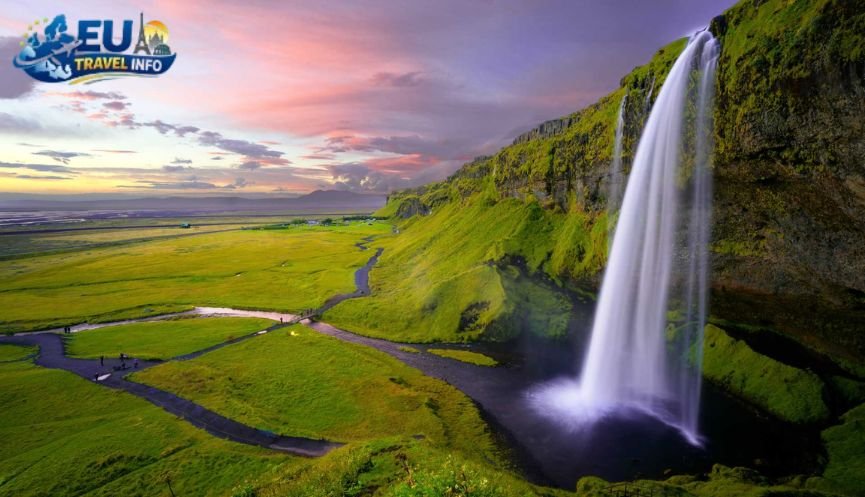
You are planning a trip to the land of fire and ice. You want to know When Is the Best Time to Visit Iceland so you can see every magic sight. The year 2026 is a perfect time to go. Nature here is wild. The weather is a bit crazy. You might see sun, rain, and snow all in one hour. However, the rewards are huge. You will find massive glaciers. You will see black sand beaches. You will watch water shoot out of the ground. Every season has a different soul. You must choose based on what you love most.
First of all, you need to understand the big picture. Iceland is a place of total contrasts. In the summer, the sun does not go down. In the winter, the stars and the Northern Lights rule the sky. At that time, the choice depends on your dreams. Do you want to hike in the green hills? Or do you want to sit in a hot pool while snow falls on your head?
The Magic of 2026: A Special Year for Lights

You are lucky if you travel in 2026. This year is special for the sky. The sun just reached its solar maximum. This means solar activity is very high. It causes the aurora borealis to be brighter and more frequent. Later years will see this activity fade away until the 2030s. Therefore, 2026 is your chance for a once-in-a-lifetime show.
The best time to visit iceland northern lights starts in late August and goes until mid-April. You need a dark sky. You need a clear sky. Additionally, you need solar wind to hit the atmosphere. The months of September, October, February, and March are prime times. These months often have more stable weather than mid-winter. Plus, the nights are long enough to see the glow.
Summer: The Season of Endless Light
June, July, and August bring the midnight sun. You will see up to 21 hours of daylight in late June. At that time, you can explore nature at any hour. You do not have to worry about the dark. This is the peak time for tourists. Similarly, it is the most expensive time.
First of all, the weather is milder. Average temperatures stay between 50°F and 59°F (10°C to 15°C). On a very warm day, it might reach 77°F (25°C) in Reykjavik. However, the wind can still feel cold. You must always pack layers. Waterproof gear is a must.
The best time to visit iceland reykjavik for festivals is summer. You will find the Lobster Festival and Irish Days. The city is alive. People sit outside. The energy is high. On top of that, summer is the only time to visit the Highlands. The famous F-roads usually open in mid-June or early July. These rough gravel roads lead to the heart of the island. You need a 4×4 vehicle to drive them.
A trip to Landmannalaugar or Thorsmork is only possible now. You will see green mountains and black soil. It is a dream for hikers. 2026 will be a busy year. Therefore, you should book your car and hotels early.
Winter: A Frozen Wonderland
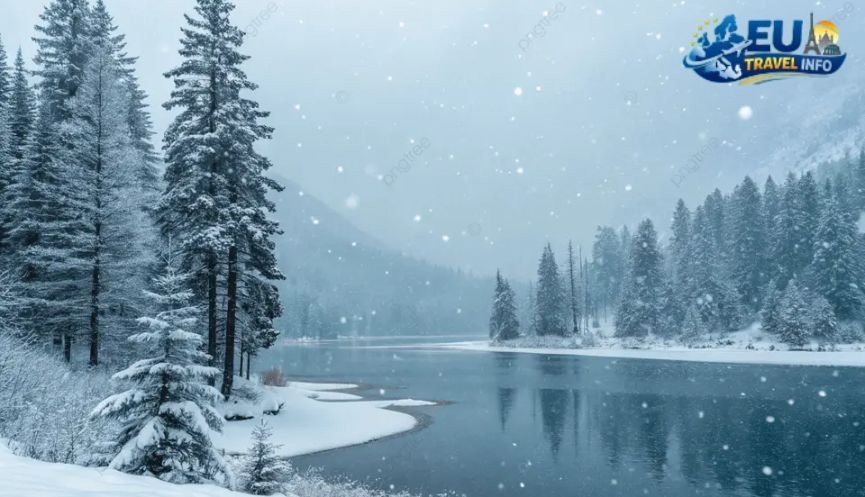
Winter lasts from November to March. It is a long season. It is a dark season. In December, you only get 4 to 5 hours of light. Though the days are short, they are beautiful. The sun stays low on the horizon. It creates a soft, pink light all day. This is the best time for photographers.
Many people think winter is the worst time to visit iceland. This is wrong if you love adventure. You can visit natural ice caves in the glaciers. These caves are only safe in the winter. They are made of deep blue ice. It is like being inside a diamond.
Also, the prices are lower. You will find fewer crowds at the big waterfalls. Best time to visit iceland february is great for a budget trip. Flights from Europe and North America are often cheaper then. February still feels like deep winter. You will see lots of snow in the north. Reykjavik might have snow, but it often melts because of the sea.
The average temperature in winter is around 32°F (0°C) in the south. It is not as cold as people think. It is warmer than many parts of the United States or Canada in winter. However, the wind is strong. It can blow you off your feet. Always check the wind warnings.
Searching for the Giants: Whale Watching
You might want to see the great whales. The best time to visit iceland for whale watching is from April to September. This is when the whales come to feed in the rich waters. Summer is the peak season. You have a 95% to 98% chance of seeing a whale on a tour in summer.
Humpback whales and Minke whales are very common. You might even see the massive Blue Whale in the north during June. Husavik is the whale watching capital. It is a beautiful town in the north. Additionally, you can see whales from Reykjavik all year.
Later in the year, you can still see some species. Orcas are more common in the winter. They follow the herring near the Snaefellsnes Peninsula. White-beaked dolphins and harbor porpoises stay all year. Therefore, you can always find some life in the sea.
Soaking in the Heat: Blue Lagoon and Hot Springs
You cannot come here without a swim. The best time to visit iceland blue lagoon is actually any time. It is open all year. However, sitting in 102°F (39°C) water while the air is freezing is special. Winter makes the steam feel more magical.
The best time to visit iceland hot springs depends on your style. If you want easy access, go to the Secret Lagoon or Sky Lagoon in the winter. If you want wild springs in the mountains, you must go in the summer. Places like Strutslaug or Landmannalaugar require a 4×4 and summer roads.
At that time, the Blue Lagoon can be very busy. You must book your ticket weeks in advance. Plus, if you go in the evening during winter, you might see the Northern Lights from the water. That is a true dream.
Autumn and Spring: The Shoulder Seasons
September and October are autumn. April and May are spring. These months are “shoulder seasons.” They offer a mix of everything. You get some daylight and some darkness. You get lower prices and fewer people.
In September, the first Northern Lights appear. The moss turns yellow and red. The berries are ready to pick. It is a beautiful time. However, it is also the wettest and windiest time.
In April, the snow starts to melt. The puffins return to the cliffs. It is the start of the bird watching season. Similarly, you can still see the Northern Lights until the middle of the month.
The Cost of Adventure: Saving Your Money
Iceland is an expensive place. You should plan your budget well. The cheapest months are February and March for flights. September to May is the general off-peak season. During this time, hotels and car rentals cost much less.
The most expensive time is June to August. Christmas and New Year are also very pricey. Everyone wants to see the “winter wonderland.” If you go in November, you can save money. The best time to visit iceland november is for those who do not mind the rain and wind but want to see the lights on a budget.
You can save money by cooking your own food. Buy your alcohol at the Duty-Free store in the airport. Tap water is free and very clean. Do not buy bottled water. It is a waste of money.
Driving the Island: A Practical Guide
You will likely rent a car. This gives you freedom. The Ring Road goes all around the island. It is mostly paved. Any car can drive it in the summer. However, winter is a different story.
You need a 4×4 vehicle from October to April. Ice and wind are dangerous. Sometimes the wind is so strong it can rip a car door off. Always hold the door with two hands. Plus, check road.is every morning. They tell you which roads are closed.
If you want to see the Highlands, you need to know about the F-roads. These roads are unpaved. They often have rivers you must cross with your car. Igor, a local expert, says “not all F-roads are created equal”.
Some roads like F35 (Kjalvegur) are now easier and do not have rivers. Others like F249 to Thorsmork are very dangerous. They have deep rivers that can drown a car. Never drive into a river alone. Watch someone else do it first. If you are unsure, turn back. Safety is more important than a photo.
Weather by the Numbers
You should know what to expect. Here is the average data for Reykjavik:
- January: 33°F (1°C), 4-5 hours light.
- February: 33°F (1°C), 7-9 hours light.
- March: 34°F (1°C), 11-13 hours light.
- April: 39°F (3°C), 14-16 hours light.
- May: 44°F (7°C), 18-20 hours light.
- June: 50°F (10°C), 21 hours light.
- July: 53°F (12°C), 20 hours light.
- August: 52°F (11°C), 18 hours light.
- September: 47°F (8°C), 13-14 hours light.
- October: 41°F (5°C), 9-11 hours light.
- November: 36°F (2°C), 5-7 hours light.
- December: 33°F (1°C), 4-5 hours light.
Gradually, you will see the patterns. The North is always colder. The Highlands are always colder. At that time, you must be ready for anything.
FAQ
What is the best month to go to Iceland?
The best month depends on your goals. July is best for the best weather and access to the Highlands. March and September are often called the best months for the Northern Lights because the weather is more stable.
What is the cheapest month to visit Iceland?
February and March are typically the cheapest for flights. Generally, the months from September to May (excluding Christmas) offer lower prices on hotels and cars.
What month are the northern lights in Iceland?
The season is from late August to mid-April. You cannot see them in the summer because the sky is too bright.
What is the temperature of Iceland by month?
Average temperatures in Reykjavik range from 33°F (1°C) in the winter months (January, February, December) to a high average of 53°F (12°C) in July.
Concluding words
In summary, the best time to visit Iceland in 2026 is a choice between the midnight sun of summer and the solar maximum auroras of winter. Summer offers 21 hours of light, green landscapes, and whale watching, but it costs more. Winter provides a magical world of blue ice caves and the Northern Lights, with lower prices but colder, darker days. Both seasons require good planning, layers of warm clothes, and a respect for the wild weather.