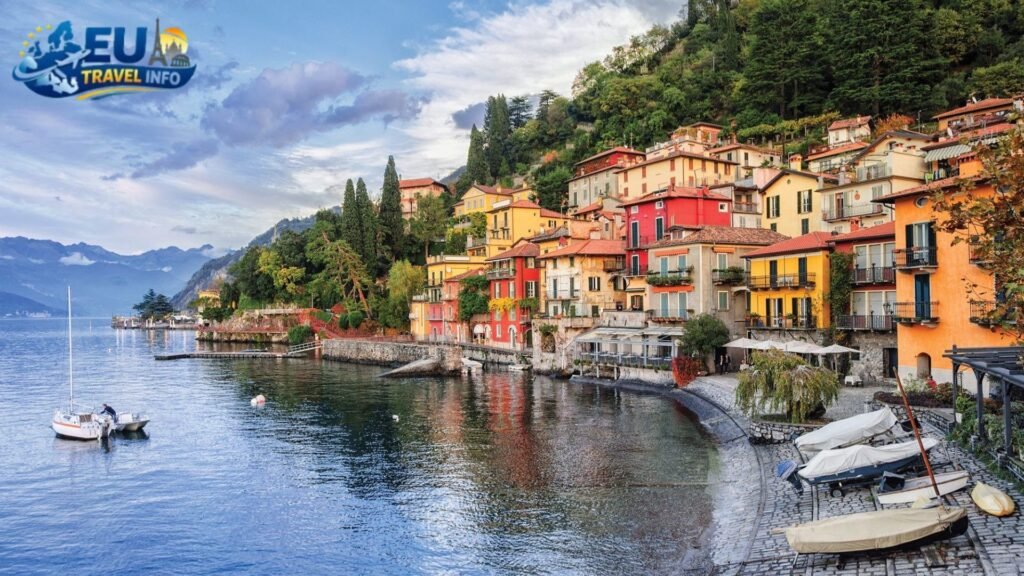
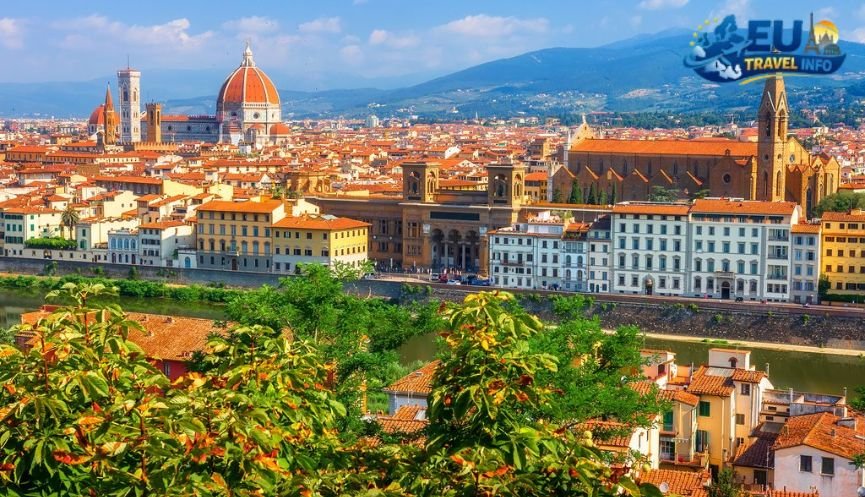
You plan a trip to Italy for 2026. You dream of the perfect bowl of pasta. You imagine the golden sun on ancient stone. You want the best experience possible. However, Italy is more popular than ever. Statistics show that international visitors reached 67 million in 2024. Experts forecast that numbers will hit 70 million by 2025. Therefore, 2026 will likely see at least the same massive volume of crowds. You must plan with care. You need to know exactly When Is the Best Time to Visit Italy.
First of all, you should think about your goals. Do you want the sun? Do you want to save your money? Or do you want the streets to yourself? Italy offers something different every month. You will find that the country is a visual record of history. It has over 4,200 museums and more than 360 cathedrals. The beauty is endless. Plus, the food is world-famous. Italy recently recorded an average of 94,000 restaurants. You have many choices.
The Sweet Spot for Weather and Sights

Most travelers agree that late spring and early autumn are the prime windows. Specifically, May and June or September and October offer the best balance. The weather is mild. You can walk through ruins without melting. At that time, temperatures usually range from 50°F to 85°F. These months are when Italy truly comes alive. Every tour and attraction operates at total capacity.
Additionally, the scenery is stunning. In the spring, the flowers bloom. In the fall, the vineyards on rolling hills turn gold. Similarly, the light is perfect for photos. Though these are the best months for weather, they are also very busy. You will not be alone. Therefore, you must book your tickets for major sites like the Uffizi Gallery or the Colosseum well in advance.
Finding the Best Time to Travel to Italy Cheap
You might want to protect your wallet. Travel costs can swing a lot by the season. If you want to find the best time to travel to italy cheap, look at February and November. These are the lowest months for flight prices. You will also find discounts on hotel rooms, rental cars, and even tours.
February is especially good for budget hunters. It is cold, so many tourists stay away. High temperatures in the north might only reach the mid-40s. In the south, they struggle to hit 60°F. However, you can enjoy winter sports or visit quiet museums. On top of that, February features amazing festivals. You can see the Venice Carnival or the San Remo Song Festival. These events add deep cultural value to your trip.
November is another great value month. It is the rainiest month, which keeps crowds low. You will deal with showers and overcast skies. But, the prices are wonderful. Early December also offers a “pre-holiday lull” where you can find strong deals before the Christmas surge.
Strategies for the Best Time to Visit Italy to Avoid Crowds
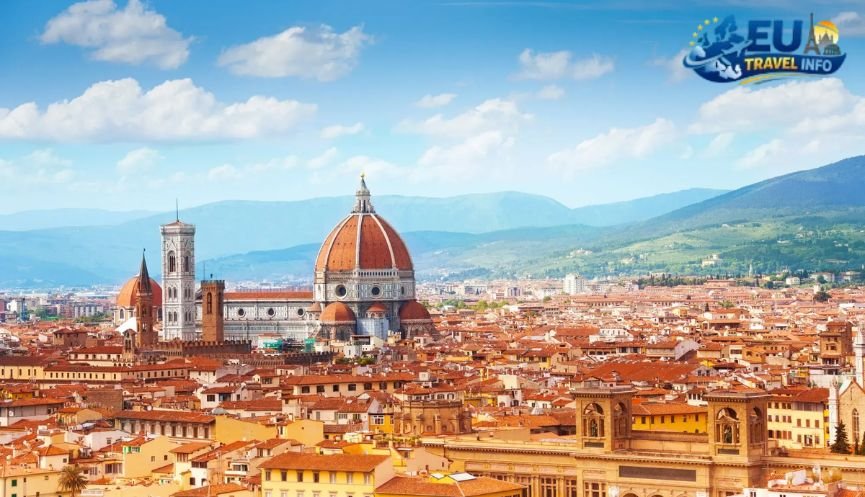
Crowds can ruin a romantic moment. You do not want to fight through a sea of selfie sticks. If you seek the best time to visit italy to avoid crowds, you must consider the low season. This period runs from November to February. Aside from the Christmas holidays, these months are very quiet.
You should realize that you are part of the tourist volume. If you only visit the “Big Three”—Rome, Florence, and Venice—you will see crowds almost year-round. To truly escape, you must change your approach. First of all, visit major sites at the very beginning or end of the day. Later, move one street away from the main tourist routes. You will often find yourself alone on a beautiful quiet street.
Another tip is to find “off-the-beaten-path” destinations. Instead of only Rome, you could try a town like Lucca. While Lucca can be busy during the Lucca Comics and Games festival in late October, it is often more manageable than the major hubs. Smaller cities in Tuscany and Umbria, like Siena or Orvieto, can be relatively calm even when the big cities are a “zoo”.
Seeking the Best Time to Visit Italy for Warm Weather
You might love the heat. You might want to spend your days on the coast. For the best time to visit italy for warm weather, you should aim for June. The sun is out. The water is getting warm. The summer peak begins in May and lasts through September.
However, you should be careful with July and August. These months are the hottest. Humidity often stays above 50%. A 90°F day can actually feel like 107°F. This heat is oppressive. Many Italians actually leave the cities in August to escape the temperature. They head to the beaches. Therefore, the cities are less crowded with locals, but the coastal areas are packed. Plus, many local businesses close for the entire month of August. You might see “closed” signs on the shops you wanted to visit.
Planning the Best Time to Visit Italy and Switzerland
You might want to see the Swiss Alps along with the Italian lakes. The best time to visit italy and switzerland together is usually late June or September. At that time, the mountain passes are open. The weather in Northern Italy, like Lake Como or the Dolomites, is perfect for hiking and boating.
The Dolomites are a highlight of the north. If you go in June, the alpine meadows are green and full of flowers. If you go in September, the air is crisp and clear. This timing avoids the extreme summer heat of the Italian south while ensuring the Swiss mountain trails are not covered in deep snow.
The Best Time to Go to Italy and Greece
You may want a Mediterranean grand tour. The best time to go to italy and greece is September. During this month, the school crowds have left. The sea water in both countries is at its warmest. You can enjoy the historical sites of Rome and Athens in comfortable temperatures.
Gradually, the prices begin to drop in September compared to the July peak. You get the “summer feel” without the “summer price tag” or the dangerous heat. It is a win-win for mature travelers who value comfort.
Finding the Best Time to Visit Italy Beaches
You want to lounge by the blue water. The best time to visit italy beaches is from late May to early July or the month of September. During these windows, the weather is hot enough for swimming. But, you avoid the August madness.
In August, every Italian family goes to the beach. The sand is covered in umbrellas. Prices for seaside hotels skyrocket. On the contrary, if you go in June, you have more space. You should avoid coastal towns in the dead of winter. Many seaside shops and restaurants shut down completely when it gets cold. The towns can feel like ghosts of themselves.
Is October a Good Time to Visit Italy?
You might wonder, is october a good time to visit italy? The answer is a big yes. It is one of the best months for sightseeing. The temperatures range from 55°F to 75°F. It is comfortable for long walks through the Roman Forum or the streets of Florence.
There is slightly more rain in October than in the summer. However, the crowds finally start to thin out. By late October, you enter a “shoulder season” sweet spot. Prices for flights and hotels often cool off compared to the summer. You can also enjoy food festivals like the White Truffle Festival in Alba during the fall. It is a feast for the senses.
The Best Time to Visit Italy Amalfi Coast
You dream of the dramatic cliffs and lemon groves. The best time to visit italy amalfi coast is May or September. In May, the spring air is fresh. The crowds are not yet at their peak. You can enjoy the views from Ravello or the streets of Positano with more ease.
September is also wonderful because the water is warm for boat tours. You should avoid the Amalfi Coast in July and August if you hate crowds. The narrow roads become a nightmare of traffic. Similarly, avoid it in the winter. The ferry services often stop running, and the towns become very quiet and sleepy.
Practical Tips for Your 2026 Journey
You have picked your dates. Now, you must prepare. Italy is unique. You should follow a few local rules to have the best time.
- Public Transport is Your Friend: You do not need to rent a car for the big cities. The train network is excellent. It takes you through quaint villages and famous vineyards.
- Book Everything Early: For a 2026 trip, start tracking flights 4 to 7 months ahead. Use “open-jaw” flights. For example, fly into Rome and out of Milan. This saves you time and money.
- Dine Like a Local: Italians eat dinner late. You should plan to eat between 8:00 PM and 10:00 PM. Do not rush. The meal is an experience.
- Learn the Language: You do not need to be fluent. However, learning key phrases makes your trip better. You will feel proud when you can order your wine in Italian.
- Tipping is Not Expected: You do not need to add a large tip like in the United States. It is a different culture.
A Monthly Breakdown for Your Planning
You might want a quick look at the calendar. Here is how 2026 might look for your travel plans.
- January: The slowest season. It is cold and can be rainy. But, there are no lines for monuments or restaurants. It is very cheap.
- February: One of the best months for airfare. It features the Venice Carnival. It is cold but magical.
- March: A shoulder season month. Prices start to rise as Easter approaches. The weather is “iffy” but can be pleasant.
- April: Very popular around Easter week. Rome is especially crowded during this time. Some weeks after spring break can offer good value.
- May: The start of the high season. The weather is perfect (50-85°F). Everything is open.
- June: High demand and high prices. It is great for beaches and mountains.
- July: Peak summer pricing. It is very hot and humid. You will see huge crowds.
- August: The hottest month. Many locals leave the cities. Beaches are at maximum capacity.
- September: High season continues but prices ease slightly after the summer travel fades. The weather is still warm and beautiful.
- October: A favorite for many. Early October is pleasant. Late October sees prices come down.
- November: The cheapest and rainiest month. It is the best time for budget travelers who do not mind an umbrella.
- December: Early December is quiet and a good deal. The end of the month sees a huge spike for Christmas and New Year.
FAQ
What are the cheapest months to go to Italy?
The cheapest months to visit are February and November. You will find the lowest flight prices and significant discounts on hotels and tours during these times. Early December can also offer “pre-holiday” deals before the Christmas rush begins.
Is $10,000 enough for a trip to Italy?
While the sources do not give a specific total budget, they mention that you can save a lot by traveling in the off-season (February/November). You can also save money by using the public transport network instead of renting a car. If you avoid peak summer prices and book in advance, $10,000 is a very healthy budget for a high-quality multi-week tour for a couple.
What is the best month to go to Italy?
Many consider May, June, September, and October to be the best months. These months offer the most comfortable weather for sightseeing, with temperatures between 50°F and 85°F. If you want to avoid crowds specifically, January is often cited as the best time to have the monuments to yourself.
What month has the least tourists in Italy?
January is generally the month with the fewest tourists. Locals and experienced travelers note that it is the slowest season, often resulting in no lines for major attractions. November also has very low visitor numbers because it is the rainiest month of the year.
Concluding words
Planning your 2026 trip to Italy requires balancing weather, costs, and crowd levels. The best overall times are late spring and early fall for perfect weather, while February and November are ideal for those on a budget. To avoid the massive crowds expected in 2026, consider visiting in the winter low season or exploring smaller, “off-the-beaten-path” villages. By booking early and choosing your months wisely, you can experience the best of Italian art, food, and culture without the stress of peak-season surges.