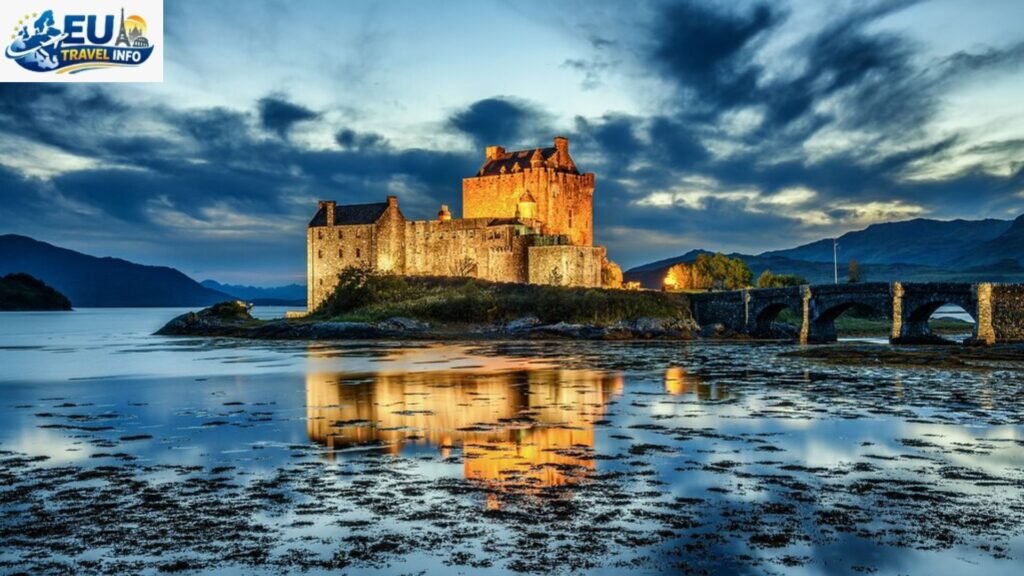
You stand on the edge of a rugged cliff. The wind carries a salty tang from the North Sea. The mist rolls over the purple heather. You realize that you finally arrived in the land of your dreams. However, one question remains in your mind. When Is the Best Time to Visit Scotland? This choice determines if you see a winter wonderland or a crowded street in August. You want the perfect balance of weather, wildlife, and peace. This expert 2026 guide provides every detail you need.
The Magic of the Scottish Spring
You will find that spring is a time of rebirth. The snow melts from all but the highest peaks in the Highlands. March marks the beginning of this season. The temperatures begin to rise. You can expect an average high of 10°C (50°F) in March. This increases to 16°C (61°F) by May.
First of all, April is a special month. It is often the driest month in places like Edinburgh. You see the green leaves start to bud on the trees. The wildflowers begin to blossom. You walk through a patchwork of colors. Additionally, the crowds are thin. This is the best time to visit scotland to avoid crowds before the summer rush begins. You can explore the wild landscapes without a sea of tour buses in your way.
May is a personal favorite for many travelers. The daylight hours grow longer. You get about 17 and a half hours of light by the end of June. This gives you extra time to wander the glens. You might even catch World Whisky Day on the third Saturday of May. Plus, the best month to visit scotland highlands for island hopping is often May. The beaches look resplendent under the sun. You see lambs bouncing in the fields.
The Heat and Hustle of Summer
 The mood changes as June arrives. The Scottish schools go on break first. This brings more local families to the coast. However, the first half of June remains a quiet window. You feel a nice energy in the air. July and August are the warmest months. The temperatures average around 18°C to 19°C (64°F to 66°F). You enjoy up to 18 hours of daylight.
You should know that August is a riot in the capital city. The best time to visit scotland edinburgh for culture is definitely during the Festival Fringe. It is the largest arts festival in the world. The city welcomes an explosion of creative energy. You can watch 351 different shows in a single batch of announcements. The Royal Edinburgh Military Tattoo also performs in front of the castle. Similarly, the Highland Games are in full swing across the country.
On the contrary, this is also the busiest time. The landscapes lose some magic in the din of coach tours. Prices for flights and hotels reach their highest point. You must book your stay early. Edinburgh is crowded. Locals often find the pace too fast. “August is a riot when Festival season drives locals mad,” says the traveler known as Travels with a Kilt.
The Golden Glow of Autumn
September brings a sharp change. The schools go back to class. The pace of travel subsides. Though September is often the wettest month, it is an improvement over a grey August. The air feels fresh. You see the first hints of gold in the trees.
You will find that October is the best time to visit scotland in autumn. The vibrant colors reach their peak toward the end of the month. Regions like Perthshire turn into a sea of red and orange. You hear the roar of the Red Deer stags in the hills. It is their breeding season. This sound is otherworldly. It dominates the glens.
Hiking is still very much a great option. You enjoy the last of the long days. However, some sites start to close for the winter from mid-October. You need to be flexible with your plans. The weather can change in ten minutes. You might see sun, then rain, then sun again.
The Quiet Chill of Winter
Many people think winter is the worst time to visit scotland. The days are short. The sun sets by 4 pm. December offers as little as 7 hours of daylight. The weather is often wet and windy. Temperatures hover around 0°C to 8°C (32°F to 46°F).
However, you might find a hidden charm here. This is the best time to visit scotland in winter if you love peace. You have the Highlands to yourself. The snow-topped peaks are a dream for photographers. You can sit by a roaring log fire in a cozy pub.
January and February are the coldest months. This is when you are most likely to see settled snow on the ground. There are about 38 days of snow each year on average. You can go skiing in the Cairngorms National Park. They have 30km of pisted runs for you to enjoy.
Finally, winter is the time for big celebrations. You can join the Hogmanay parties on New Year’s Eve. You can celebrate Burns Night on January 25th with haggis and whisky. You might even see the Northern Lights. The long nights provide a better chance to see the “Mirrie Dancers” snaking across the sky.
How to Survive the Midge Season

You cannot talk about Scotland without mentioning the midge. These are tiny biting insects. They emerge in late May and stay until September. The best time to go to scotland to avoid midges is during the colder months of October through April.
Midges love damp and still air. They are particularly vicious in the north and west. July and August are the worst months for these “wee beasties”. They hunt in swarms. They are attracted to the carbon dioxide you breathe.
Therefore, you must prepare. The best time to visit scottish highlands to avoid midges is when the wind is over 5mph. They cannot fly in a breeze. You should head for the water or high mountains. Sailing is a great way to stay bite-free. You can also use a repellent like Smidge or Avon Skin So Soft.
Wildlife Watching Through the Year
You see the most animal action in the summer. The seas are alive with plankton. This attracts whales and dolphins. You can spot Minke whales off the coast of Mull. June is the best month for birdlife. You can see Atlantic Puffins on high cliffs. St Kilda is home to about 270,000 birds.
Common seals pup in the summer. You see them chilling on sheltered shores. In the winter, you can visit the Cairngorm Reindeer Herd. There are over 150 reindeer in the herd. You can even hand-feed them on a guided trip.
Essential Packing and Practical Tips
The weather is fickle. You must be ready for everything. A good waterproof jacket is a must. You should wear light layers. This allows you to adjust as the temperature changes.
First of all, you should book your travel early if you plan to visit for Hogmanay. Space in Edinburgh fills up fast. Later, you should check the road conditions if you drive in the Highlands. Snow can close roads in the winter months.
You should also plan for the short days. You do not want to be driving on narrow mountain roads in the dark. Factor in the limited daylight hours when you plan your sightseeing.
FAQs
What is the cheapest time to go to Scotland?
The cheapest time to travel to Scotland is during the low season from November through March. You find lower airfare and accommodation prices during these months. September is also noted as a month where you can find significant savings on flights. Booking your flight on a Sunday can save you between 6% and 13% compared to a Friday.
What time of year to visit Scotland to avoid midges?
The best time to avoid midges is from October to April. These are the “midge-free” months because the weather is too cold for them to survive. If you must visit in summer, choose windy days or stay in the Lowlands where they are less of a problem.
How many days do you need to visit Scotland?
The sources suggest various itineraries depending on your goals. You can do a classic tour in 10 days, a budget adventure in 6 days, or a deep dive into the Highlands over 14 to 21 days. A week is often the minimum to see both a major city and a portion of the Highlands.
What is the prettiest place in Scotland to visit?
Prettiness is personal, but the Isle of Skye and the Highlands are frequently cited for their epic views. Glencoe offers dramatic mountain scenery, while Edinburgh is famous for its historic castle and stunning city viewpoints like Calton Hill. The Hebridean beaches in May are also considered some of the most beautiful in the world.
Concluding Words
The best time to visit Scotland depends on your personal taste. You choose May and June for long days and fewer crowds. You pick August for world-class festivals and warm weather. You select October for breathtaking autumn colors and the deer rut. Finally, you opt for winter if you want a quiet, snowy adventure with festive cheer. No matter when you go, Scotland offers a magical experience that stays with you forever.