You imagine yourself standing on a balcony with a view of the white Swiss Alps. You see glistening snow and hear the quiet of a mountain morning. You feel the crisp air on your face. Switzerland is a wondrous fairy-tale waiting for you to see it. However, you must realize that the best time to visit Switzerland is not the same for every person. You might want to see snow-capped peaks. You might prefer lush green meadows. You might love vibrant cultural events. Your choice depends on what you hope to experience.
You can see Switzerland in many different shades and colors as the seasons change. Most people think the best month to visit Switzerland 2026 is somewhere between June and August. But you should know that every season has something special to offer. You will find that When Is the Best Time to Visit Switzerland depends on your own heart. Pure magic. A dream come true. You need to plan your trip now.
Summer: The Peak Season for Sun and Greenery
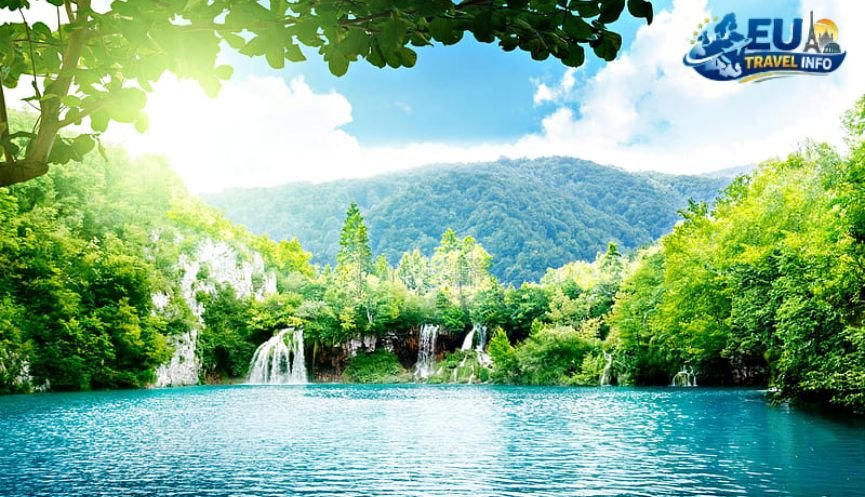
You will find that June to August is the peak season in Switzerland. The air temperature during these months stays between 19°C and 32°C. This is the best time to visit Switzerland in summer if you love a love affair with the sun. You can enjoy summer winds and find hidden lakesides that make you want to take a dip to cool off. The country is bustling with activities at this time. Tourists from all over the world flock here to enjoy their summer holiday.
You should head outdoors and get to know the beautiful surroundings. You can trek your way to Via Alpina through the northern Alps. You can also marvel at the views over Berne from Gurten. You might choose to stroll along Lake Zurich and see street artists in the evening. This is truly the best time to visit Switzerland for greenery. The vineyards in the Lavaux region look most beautiful when they are green and lush.
You will notice that the mountains glisten with snow under the sun while turquoise blue waters reflect the beauty of the region. You can taste the culture through many festivals. For example, the Ascona Music Festival brings world-famous artists to Lake Maggiore. If you love jazz, you must visit Lugano for free concerts. Zurich in July is full of opera, dance, and art. You should also check out the Gauklerfest Interlaken street festival for acrobatics and juggling. It is a complete family package!.
You must keep in mind that summer is the most popular time. There is a constant spur of excitement in the air. You can laze by a lake or hike intensive trails. However, you will see high numbers of tourists everywhere. You should book your tickets and rooms well in advance. Traveling within the country is hassle-free because the public transport is excellent. Plus, you should pack both cool and warm clothes because the weather can change.
Autumn: The Season of Golden Light and Wine
You might prefer a more quiet and pretty time. Autumn runs from September to December. The temperature usually ranges between 8°C and 15°C. You will see the summer bid goodbye as misty mornings suggest that winter is coming. The leaves turn from yellow to orange and then to gold. It looks like King Midas touched the whole country.
You will find that this is the best time to visit Switzerland for flowers in a different way. While spring has buds, autumn has the Grape Harvest Festival in September. You can see a spectacular floral parade in Neuchatel with floats covered in flowers and art. This is a fruity festival that celebrates the beginning of the harvest. You should head to the waterfront to see firelights illuminate the lake on Saturday.
You will find that October is the best month to visit Switzerland 2026 if you love fall foliage. Oeschinensee becomes a painter’s paradise with golden leaves and turquoise water. You can also visit Valle Verzasca to see an emerald-green river and a Romanesque bridge. For food lovers, autumn is the best time to visit Gruyères to taste cheese at La Maison du Gruyère.
You should consider this time because it is the low season. Fewer tourists visit now. You can spend time with your family in isolation. You can pick delicious chestnuts in the forests of Ticino. You should check weather reports before you book anything. You can often find discounts on hotels since it is not the busy time. Do not forget to get a Swiss Rail Pass if you want to travel a lot.
November: The Smart Choice for Budget Travelers

You might be worried about the high costs of a Swiss vacation. Switzerland has a reputation for being breathtaking but very expensive. Many people think high prices are unavoidable. However, there is a secret month that most tourists miss. November is the cheapest time to visit Switzerland.
You will find that November is the low season sweet spot. It sits between the autumn tourists and the winter ski rush. Prices drop for hotels, flights, and even some attractions. Travel providers reduce rates to fill empty rooms. You can save 30 to 50 percent on hotels in big cities like Zurich, Lucerne, and Geneva compared to July. This makes the country realistic for budget-conscious travelers.
You should know that best time to visit Switzerland november does have some trade-offs. The weather is cooler and there is more fog. Some mountain cable cars close for maintenance. This period is called the Zwischenzeit or “between time”. Many mountain resort towns like Zermatt and Mürren become very quiet. However, cities like Zurich and Bern are fully alive.
You can still enjoy scenic train rides like the Glacier Express. The mist can even make the views look more dramatic. You will find fewer crowds everywhere. Trams are empty and restaurants are calmer. Locals are often friendlier because they are not overwhelmed by huge groups. If you value peace and cost savings, November is a great choice.
Winter: A Dreamy Snowy Wonderland
You might fantasize about snow-capped mountains and a festive atmosphere. Winter lasts from December to February. The temperature fluctuates between -1°C and 4°C. Switzerland in winter is in a dreamy state. You can dash through the snow on skis in places like Grindelwald, Zermatt, and Engelberg.
You will find that January and February are the best time to visit Switzerland for snowfall. These are the coldest and driest months. You should stay in towns at 1,500 meters or higher to have the best chance of seeing snow. You can enjoy sledding and snowshoe hiking. Ski resorts are in full swing.
You should visit in December to enjoy the holiday season. You will find Christmas decorations and a cozy atmosphere in the cities. The Montreux Christmas Market is a must-see. You can sip mulled wine and buy local crafts with a beautiful lakeside view. Zurich has three different Christmas markets for you to explore. Most markets are open from late November to December 24.
You should be aware that December 24 to January 1 is the most expensive week of the year. Prices for rooms go up a lot. However, if you travel in late January or February, you might find lower prices than in the summer. You must carry woolen clothes and stay hydrated with hot beverages. Some routes might be blocked by heavy snow, so you need a flexible plan.
Spring: The Gentle Awakening of Nature
You can witness a magical transition from March to May. This is nature’s gentle awakening. Snow-capped peaks reflect in the warming lake waters. You will see Alpine blooms and flowering trees. This is the best time to visit Switzerland for flowers like tulips. The Morges Tulip Festival runs from late March to mid-May.
You will find that spring offers fewer crowds and better prices than summer. Water temperatures are still chilly, ranging from 5°C to 15°C. You can see the famous Swiss cow parades as the cattle go up to high pastures. This usually happens in May or June. You should visit Lake Lugano in the south for the earliest spring weather. Outdoor cafes there start opening as early as March.
You must know that spring is another Zwischenzeit or gap period. Some mountain facilities close from April to mid-May for safety checks. Hiking trails at high altitudes can be muddy or covered in melting snow. But in the lowlands, spring is beautiful. You can visit museums and enjoy city walks without the summer heat.
The Best Time for Your Honeymoon
You are planning the most romantic trip of your life. You want it to be perfect. Switzerland is basically a fairy tale come to life. It has stunning mountains and lakes so clear you can see the bottom. If you are looking for the best time to visit Switzerland for honeymoon, you have several great options.
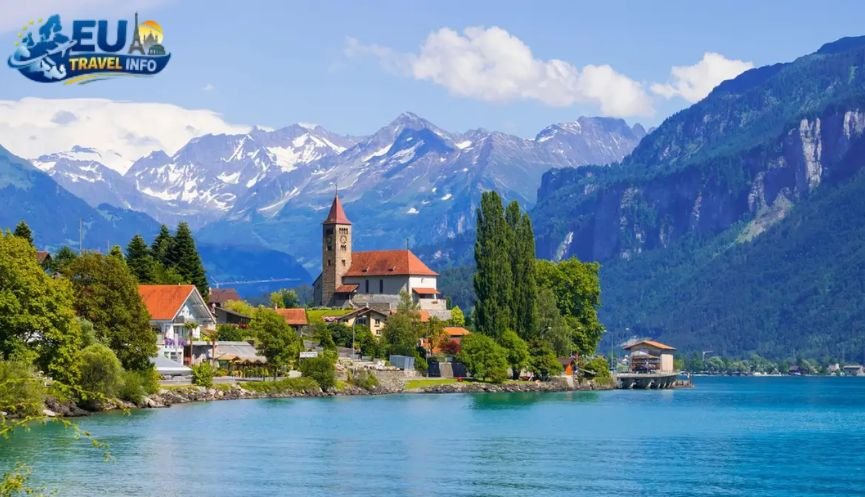
You might love the summer months of June to August. This is when the valleys are in full bloom but the peaks are still snowy. It is perfect for romantic boat rides on Lake Thun or Lake Brienz. You can see the legendary emerald-colored water of Lake Brienz, which looks like a Norwegian fjord. You could stay in Iseltwald, which is famous from the romantic drama “Crash Landing on You”.
You might prefer the autumn season for its golden light. September offers reliable weather and clear skies. You can walk through the Lavaux vineyard terraces during the harvest. The views of the lake and mountains are spectacular. It is a very romantic setting for wine tasting and slow walks. Plus, there are fewer tourists, so you get more privacy.
You could also choose December for a winter wonderland honeymoon. The Christmas markets create a magical atmosphere. You can cuddle up in a cozy Swiss chalet after a day of looking at snow. Just remember to book early because this is a very popular time for couples.
Guide to Switzerland’s Stunning Lakes by Season
You will find over 1,500 lakes scattered across this nation. Each one has its own personality that changes with the seasons.
Lake Geneva Region
You will find that Lake Geneva is the largest lake. In summer, it feels like a Mediterranean resort. The water warms to 20-24°C. You can take elegant steamboat cruises and visit world-class vineyards. If you want a quieter alternative, try Lake Neuchâtel. It has pristine sandy beaches and fewer crowds. In autumn, the vineyards here turn a beautiful gold.
Bernese Oberland
You must see Lake Thun and Lake Brienz. Lake Thun is the gateway to the Alps. It has stunning evening light that is perfect for romance. You can visit three lakeside castles here. Lake Brienz is known for its incredible turquoise color. This color is most vivid in the summer when the glaciers melt. For a high-altitude experience, you should visit Oeschinensee. It is at 1,578 meters and offers the ultimate alpine swimming experience. It is often snow-free from June to September.
Central Switzerland
You will find Lake Lucerne in the heart of the country. It is a fjord-like lake with historic paddle steamers. You can use it to reach famous mountains like Rigi and Pilatus. Lake Zug is a local secret. It has some of the warmest water, reaching 25-27°C in summer. It is also famous for spectacular sunsets. If you want drama, visit Walensee. It has 1,000-meter cliffs that plunge directly into the deep blue water.
Ticino and Eastern Switzerland
You can find a Mediterranean paradise at Lake Lugano. It has palm trees and the earliest pleasant weather. Summer water can reach a very warm 25-29°C. In the east, you must visit Caumasee. It is a turquoise gem fed by underground springs. It stays warm even though it is high in the mountains. The forest around it turns golden in the autumn, creating amazing reflections.
Traveling by Train: The Iconic Routes
You should experience the legendary Swiss trains regardless of when you visit. The Glacier Express and Bernina Express are world-famous. The Glacier Express is known as the slowest express train in the world. It takes 8 hours to go from Zermatt to St. Moritz. You will cross 291 bridges and go through 91 tunnels.
You will find that the best time for these rides is June to September. At this time, the valleys are green and the peaks are still white. However, the winter views are also stunning. You can see the snowy Alps through huge panoramic windows. A 4-day classic tour in second class costs about €980. This includes your travel, seat reservations, and 3 nights in hotels.
You should also try the Bernina Express. It is a true climate elevator. In just 4 hours, you go from the glaciers of the high mountains to the palm trees of Italy. You will cross the Bernina Pass at 2,253 meters. You must see the Brusio Spiral Viaduct, where the train makes a 360-degree loop.
2026 Festival Calendar You Should Know
You might want to plan your trip around these special events in 2026:
- January 13: Silvesterchlausen in Appenzell. You can see a medieval masked procession.
- January 19-24: World Snow Festival in Grindelwald. You can see amazing ice sculptures.
- February 8, 15, & 22: White Turf in St. Moritz. You can watch horse races across a frozen lake.
- Late February – March 1: Fasnacht (Carnival). This is a big deal in Basel, Lucerne, and Zurich.
- March 27 – May 10: Tulip Festival in Morges.
- April 17-20: Sechseläuten in Zurich. This spring festival ends with the burning of a giant snowman.
- June 26-28: National Yodel Festival in Zug.
- July 3-18: Montreux Jazz Festival.
- August 1: Swiss National Day. You will see fireworks and parades everywhere.
- September/October: Cow descents (Alpabfahrt). You can see cows wearing flower crowns as they return to the valleys.
- November 23: Zibelemärit (Onion Market) in Bern. This is a traditional and fun fair.
Practical Tips for Your 2026 Swiss Adventure
You should follow these tips to make your trip better:
- Check the weather daily. Swiss weather changes fast. Even simple activities can become dangerous in a storm. Use the MeteoSwiss app for the best info.
- Use the Swiss Travel Pass. It gives you unlimited travel on trains, buses, and boats. It also gives you free entry to many museums and 50% off most mountain railways.
- Pack layers. Even in summer, mountain tops are cold. In winter, you need good gear to handle the -1°C to 4°C temperatures.
- Avoid the “Zwischenzeit” if you want mountains. Mid-October to mid-November and April to mid-May are the worst for lifts and alpine hotels.
- Book early for peak times. If you visit in July or August, rooms book out months ahead. You will also pay 40-50% more during these months.
- Stay high for snow. If you want a white winter, stay in towns at 1,500 meters or higher, like Zermatt or St. Moritz.
Is Switzerland Worth Visiting in the Low Season?
You might ask if November is really worth it. The answer is yes, if you plan right. One traveler named Sarah says she finally afforded Switzerland in November. She found empty trams and hotel prices that were half of what they were in July. She walked along Lake Zurich without the crowds.
Another couple, Ahmed and his partner, tried November after a stressful trip in August. They said August was too packed and expensive. In November, they got hotel upgrades and smooth train travel. They never had to wait in lines. They said the mist made the mountains look more dramatic and “real”. If you want value and peace, the cheapest time to visit Switzerland is for you.
Planning Your Best 2026 Trip
You now have the secrets to a perfect Swiss holiday. You know that summer is for greenery, festivals, and swimming. You know that autumn is for wine, golden leaves, and better prices. You know that winter is for snow sports and Christmas magic. And you know that November is the best kept secret for your wallet.
You should decide what matters most to you. Do you want the perfect weather of July? Or do you want the quiet savings of November? Switzerland is ready for you in 2026. It is a land of 1,500 lakes and endless mountain peaks. It is a place where you can find both Mediterranean warmth and Arctic ice. Your adventure awaits.
FAQ
Which month is best to visit Switzerland?
You will find that September is often called the best overall month. The weather is stable and crisp. You avoid the massive summer crowds but still have full access to mountain trails and cable cars. You can also enjoy the beautiful wine harvest festivals.
What is the cheapest time to go to Switzerland?
You should book your trip for November to get the lowest prices. Hotel rates in big cities can drop by as much as 30 to 50 percent compared to the peak summer season. Flights are also usually cheaper due to lower demand.
What is the prettiest city in Switzerland to visit?
You will likely find Lucerne to be the prettiest city. It has a stunning lake, the famous Chapel Bridge, and is surrounded by mountains. Many people also consider Basel and Zurich to be very beautiful, especially during the Christmas market season.
Which is better, Switzerland or Ireland?
The sources do not provide a comparison between Switzerland and Ireland. You may want to check other travel guides for a side-by-side look at these two different countries.
Concluding words
You have learned that the best time to visit Switzerland depends on your goals for 2026. Summer offers the best greenery and swimming, while winter provides the most snow for sports and Christmas markets. September is a top choice for hiking and wine lovers who want fewer crowds. If you are on a budget, November is the clear winner for cost savings. No matter when you choose to go, Switzerland’s 1,500 lakes and towering Alps will offer you a trip you will never forget.