You stand on the edge of the Pacific Ocean. The salty breeze hits your face. Behind you, massive green mountains touch the clouds. This is Vancouver. It is a place where the city and nature live together. However, your experience depends on one big thing. The timing. You must pick the right month to get the most out of this trip. You might want sun and beaches. You might want pink flowers on every street. Or perhaps you want to save a lot of money. This guide will help you decide When Is The Best Time to Visit Vancouver.
Vancouver has a very mild climate for Canada. The city rarely gets too hot or too cold. Downtown stays around 11.0 °C (51.8 °F) on average throughout the year. But the rain. It is famous for a reason. You will see 169 rainy days in a typical year. Therefore, you must plan your dates with care.
The Warmest Days: High Season (June to Mid-September)
First of all, you should look at the summer months. This is the high season. The weather is at its best. July and August are the sunniest months you can find. Rain almost disappears during this time. In fact, some July months have seen zero rainfall at the airport.
The heat is comfortable. You will find average daily highs around 22.4 °C (72.3 °F) in July and August. This is the best time to visit vancouver for whale watching. You can hop on a boat from the city. Orcas and humpbacks splash in the water nearby. The ocean is bright. The sun stays out late. At the end of June, the sun does not set until nearly 10:00 PM.
“The city buzzes with energy,” says the local guide. You can cycle the 270 miles of bike lanes or walk the world’s longest uninterrupted seaside path. However, you must be ready for crowds. This is also when Alaskan cruise ships fill the harbor. Hotel prices go up. Wait times at restaurants get longer. Plus, July is often the worst month to fly if you want a deal.
The Budget Choice: Low Season (November to March)
On the contrary, you might prefer a quiet city and lower prices. This is the low season. November is often called the worst time to visit vancouver by some travelers. It is too cold for summer fun. It is too early for most skiing. The rain is heavy. Statistics show that November sees about 181.1 mm of rain.
But there is a bright side. This is the cheapest time to visit vancouver. You can find flight deals as low as $89 if you travel in February. Hotel rooms are much more affordable. You can spend your days in the many museums or the Vancouver Art Gallery.
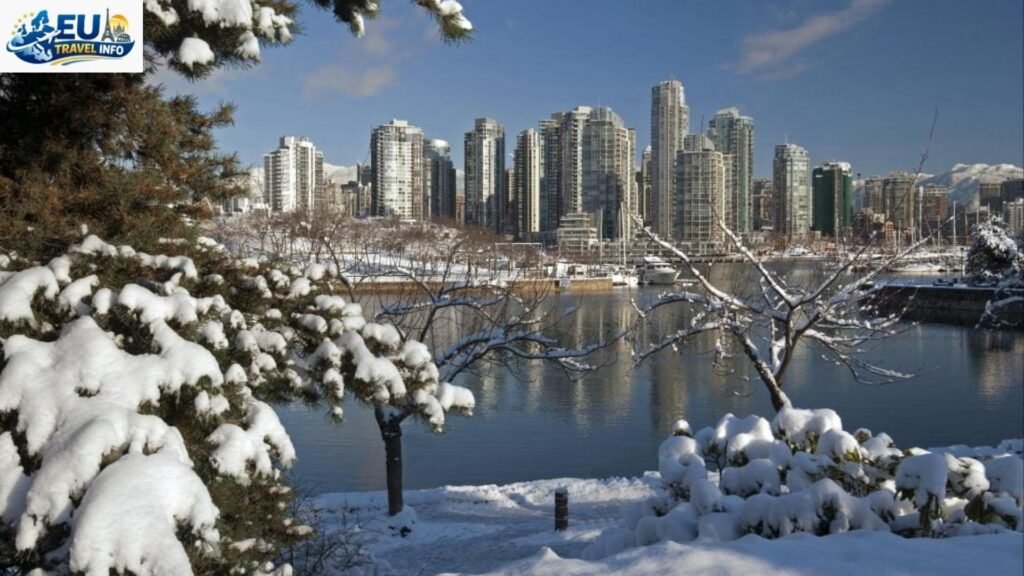
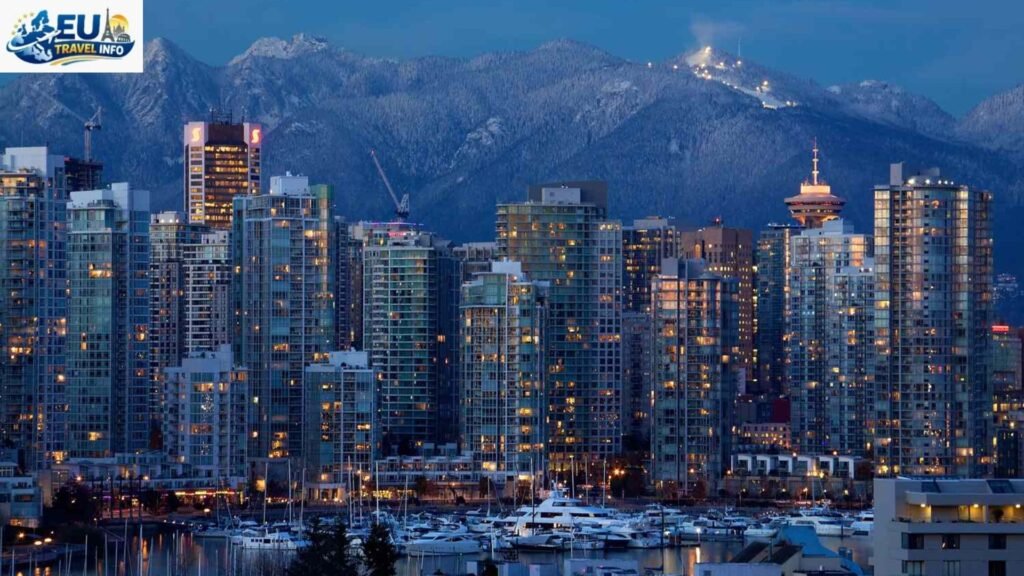
The winter is not all gloom. You can head to the mountains. Cypress Mountain, Mt. Seymour, and Grouse Mountain sit just outside the city. The best time for snow sports starts in late December and lasts until late March. You can enjoy a mild city day and then ski in the snow just a short drive away.
The Sweet Spot: Shoulder Seasons (April to May and September to October)
Many savvy travelers choose the shoulder seasons. These months offer a balance. You get lower prices than summer. You get better weather than winter.
Is april a good time to visit vancouver? Yes. It is a fantastic choice. The city wakes up. This is the best time to visit vancouver for cherry blossom trees. Over 40,000 cherry trees turn the streets pink and white. The temperature reaches a pleasant 13.1 °C (55.6 °F) during the day. You might see some showers, but the flowers make it worth the damp shoes.
Additionally, the fall is beautiful. September and early October are crisp and fresh. This is the best time to visit vancouver for fall colors. Stanley Park turns into a world of gold and crimson. You can hike the trails without the summer sweat. The crowds are gone. The city feels more local.
Planning a Bigger Trip: Best Time to Visit Vancouver and Banff
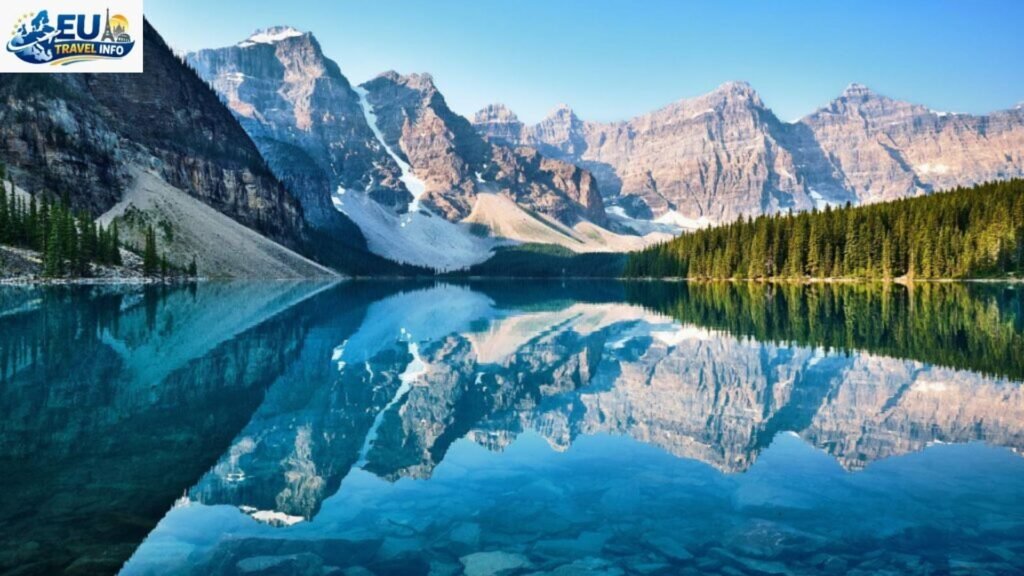
Perhaps you want to see the Rocky Mountains too. You are likely looking for the best time to visit vancouver and banff together. You should aim for July, August, or September.
Banff is much colder and higher than Vancouver. If you go in early June, some mountain lakes in Banff might still be frozen. By July, both places are warm and perfect for hiking. September is also great. You get the fall colors in Vancouver and the golden larch trees in the Rockies.
A Month-by-Month Experience Guide
January: The Quiet Start
The year begins with a chill. January averages around 4.1 °C (39.4 °F). It is the peak of the rainy season. However, foodies love this month. The Dine Out Vancouver Festival happens every January. You can eat at top restaurants for a fixed, lower price. It is a great way to taste the local food culture without a huge bill.
February: The Deal Month
February is often the cheapest time to fly to the city. The weather is still cool, but spring starts early here. You might see the first flowers at the end of the month. The average high is 7.9 °C (46.2 °F). If you like a calm city and empty parks, this is your time.
March: The Awakening
Spring arrives. The grass-cutting season begins in March. You will see more sun. The mountain snow is still great for skiing. It is a unique time. You can ski and go mountain biking on the same day.
April: The Pink City
April brings the Vancouver Cherry Blossom Festival. The city is stunning. The average high moves up to 13.1 °C (55.6 °F). It is a perfect time for photography. You can walk through gardens like VanDusen Botanical Garden and see thousands of species in bloom.
May: The Early Summer
May can feel like summer some years. The rain starts to dry up. You can enjoy the outdoor patios at Granville Island or Coal Harbour. It is a smart month for travel. You beat the June crowds but still get the green, lush views.
June: “Juneuary”
Do not let the name fool you. Locals call it “Juneuary” because it can be surprisingly rainy and cool. But when the sun hits, it is beautiful. The days are the longest of the year. You have plenty of time for late-night walks on the seawall.
July: The Sun King
July is the driest and one of the warmest months. The water is perfect for paddleboarding or swimming. Expect prices to be at their peak. You should book your hotel months in advance. The city is full of tourists from all over the world.
August: The Peak of Summer
August is very similar to July. The average high is 22.4 °C (72.3 °F). It is the best month for Indigenous experiences. You can kayak in Deep Cove or take a “Talking Trees” tour in Stanley Park. The weather is reliable and the ocean is bright.
September: The Golden Shift
September is a favorite for many. The first half of the month often feels like summer. Then, the air turns crisp. You get blue skies without the intense heat. It is a wonderful time for the Vancouver International Film Festival.
October: The Colorful Harvest
October brings the fall colors. The average high drops to 13.5 °C (56.3 °F). It is a bit more rainy, but the parks are a rainbow of orange and red. You can visit pumpkin patches or enjoy “Canyon Frights” at the Capilano Suspension Bridge.
November: The Rainy Peak
This month sees the most rain. Gray skies are the norm. Most of the daytime is cloudy. It is a good time for indoor shopping or visiting Science World. If you do not mind the rain, you can find great hotel rates.
December: The Holiday Glow
The city lights up for the holidays. You have a 20% chance of a white Christmas in Vancouver. It is usually a mix of rain and light snow. The temperature stays near 3.9 °C (39.0 °F). The mountain resorts open for the season, and the festive spirit is everywhere.
Things to Know Before You Go
Dress in layers. This is the most important rule. Even in summer, the evenings can be cool. In winter, you need a waterproof shell. Statistics show that the North Shore Mountains get double the rain of the airport. Therefore, your gear should be ready for anything.
Check the microclimates. The weather changes depending on where you are in the city. Inland areas like Pitt Meadows can be 5–10 °C warmer than the coast in summer. Winter inland is also colder by a few degrees.
Watch the calendar. Holidays and weekends are very busy. Try to visit mid-week to avoid the biggest crowds at popular spots like the Capilano Suspension Bridge.
Frequently Asked Questions
What is a good month to visit Vancouver?
July and August are best for sunny weather and outdoor fun. If you want flowers and fewer crowds, April and May are excellent choices.
What time of year is it cheapest to go to Vancouver?
February is usually the cheapest month for flights. The period from November to March has the lowest hotel prices because of the rain and cold.
Is Vancouver, BC expensive to visit?
Yes. It is one of the more expensive cities in Canada. Hotel prices in the summer can be very high. You can save money by visiting in the shoulder or low seasons.
What is the rainy season in Vancouver?
The rainy season lasts from October to March. November is typically the wettest month. You should expect frequent clouds and showers during this time.
Concluding Words
Vancouver is a city for all seasons. You will find sun and whales in the summer. You will find pink blossoms in the spring. You will find gold leaves in the fall. And you will find snowy peaks in the winter. Pick the time that fits your budget and your love for adventure. No matter when you go, the mix of mountains and ocean will take your breath away.