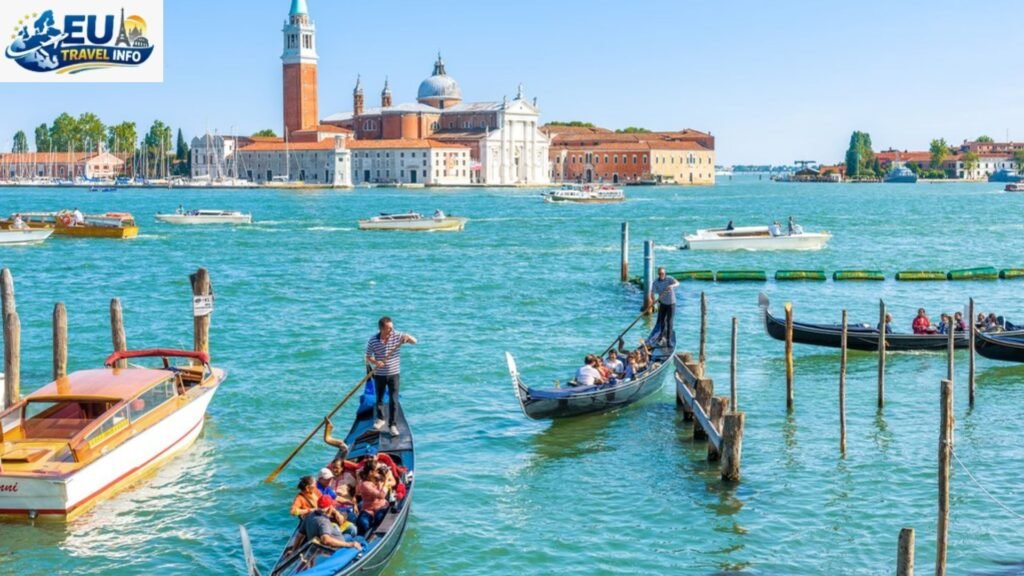
You stand on a small stone bridge. The water below reflects the ancient orange buildings like a mirror. A gondola passes quietly. You feel the history in every brick. Venice is a place that everyone should see at least once. However, your experience depends entirely on your timing. The weather, the number of people, and the cost of hotels change a lot throughout the year. You want to get this right for your 2026 trip. This guide helps you choose the perfect moment to see the city of canals.
The Big Picture of Venice Seasons
Venice has four very different seasons. Each one offers something special. First of all, you have the Spring. This time of year brings mild weather and flowers. Later, the Summer arrives with hot sun and huge crowds. After that, the Fall offers a golden light and cooling temperatures. Finally, the Winter brings a quiet, foggy magic and lower prices.
Most travelers think about When Is the Best Time to Visit Venice based on their own likes. You might love festivals. You might hate heat. Therefore, you must look at the data before you book your flight.
Key Stats for 2026
- Best Weather: May, June, September, and October (60-75°F).
- Peak Crowds: July and August (80,000 to 100,000 visitors per day).
- Best Value: January and November (Hotel rates are 40-50% lower than summer).
- Highest Costs: July, August, and Carnival in February (€250-400 per night for a mid-range hotel).
Transitioning to a deeper look, let us break down the year month by month.
January: The Deep Winter Calm
 January is the cheapest time to visit Venice. It is cold. The temperatures stay between 35°F and 45°F. You will see frequent gray skies. Sometimes it rains. However, the city is very quiet. The tourists from the holidays leave. You have the streets to yourself.
Hotel rates are at their lowest point of the year. You can find quality rooms for €80 to €150. This is a massive saving compared to the summer. Plus, you do not have to wait in long lines for museums like the Doge’s Palace.
You should pack warm clothes and a heavy coat. Also, you must watch for acqua alta or high water. This flooding happens often in January during full moons. The city puts up raised walkways. It is a unique sight. Similarly, the local life feels more real. You see residents at the markets without the tourist rush.
February: Carnival Magic
Is february a good time to visit venice? The answer depends on your love for parties. February weather is similar to January. It is chilly, around 38°F to 48°F. However, the city changes completely during the Venice Carnival. In 2026, this festival runs from February 14 to February 25.
This is the best time to visit venice carnival if you want to see amazing masks and costumes. People from all over the world come to St. Mark’s Square. You can join mask competitions or watch historical parades. On top of that, you might want to go to a masked ball in an old palace. These tickets are expensive. They can cost €200 to €500 per person.
You must book your hotel at least 8 to 10 months early for Carnival. Prices jump to €250-400 per night. It is very crowded. Around 3 million people visit during these 12 days. Later in the month, once the festival ends, the city becomes quiet and cheap again.
March: Spring Emergence
Is march a good time to visit venice? You will find that March is a bridge between winter and spring. The air gets warmer. Temperatures rise to 45-58°F. You will see more sun. Though, rain showers still happen often.
The city starts to wake up. Gardens begin to flower. You see more color against the stone walls. The days get longer. The sun sets around 6:30 PM by the end of the month. Therefore, you have more time for sightseeing.
Tourist numbers stay low in early March. They start to grow in the middle of the month. Hotel rates move to €120-200. This is still a good deal. Additionally, the risk of flooding goes down a lot. You should still pack layers. The temperature can change by 15-20°F between morning and afternoon.
April: Perfect Spring Conditions
April is a wonderful month. The weather is very comfortable at 52-65°F. You will enjoy more sunny days. The city is fully open. Every museum and restaurant uses its summer schedule.
The Venice Art Biennale preview usually happens in late April. This brings many art lovers to the city. Also, you must plan for Easter. In 2026, Easter falls on April 20. The city gets very busy during that week. You should book your hotel 4 to 6 months ahead for this time.
You will love the outdoor cafes. Alfresco dining is back. The markets at Rialto are full of fresh spring vegetables like artichokes and peas. It is a great time for boat rides to islands like Murano and Burano. Hotel rates are around €150-240.
May: Peak Spring Excellence

Is may a good time to visit venice? Many people say it is the absolute best. The weather is nearly perfect. You will enjoy temperatures between 60°F and 72°F. There is very little rain.
The Venice Art Biennale opens to the public on May 10, 2026. It runs all the way until November. This exhibition is world-famous. It adds a cool, modern vibe to the historic city. You can explore art in old buildings and parks.
The crowds are growing but they are not at their maximum yet. You should expect 40-50% fewer people than in July. Hotel rates are around €180-280. On top of that, the sun stays up until 8:30 PM. You have so much time to explore every alley.
June: Summer Begins
June is hot but not too sticky. Temperatures are 68-78°F. The days are the longest of the year. The sun does not set until 9:00 PM. This is great for long walks and boat rides on the Grand Canal.
You should look out for the Vogalonga Rowing Marathon on June 1, 2026. Thousands of rowers fill the canals. It is a beautiful local tradition. Also, the beach season starts at the Venice Lido. The water is warm enough for a swim.
Crowds become heavy in late June as schools close. You will find longer lines at St. Mark’s Basilica. Rates for hotels move to €200-320. Therefore, you must buy your museum tickets online in advance to save time.
July and August: Peak Summer Intensity
This is often called the worst time to visit venice by regular travelers. Why? Because it is very hot and very crowded. Temperatures reach 85-90°F with high humidity. The air feels heavy.
The city is packed. You will see 80,000 to 100,000 visitors every single day. Lines for attractions can be 90 to 120 minutes long without a skip-the-line ticket. St. Mark’s Square can be hard to walk through in the middle of the day.
Hotel prices are at their peak. You will pay €250-400 for a standard room. Luxury rooms can go for €500-800. However, if you love the beach, the Lido is great. You can also enjoy the Festa del Redentore on July 19, 2026. This local festival has amazing fireworks over the water.
September: Autumn Gold
Many experts agree that September is the best time to visit venice to avoid crowds while still having summer weather. The temperatures are a lovely 68-78°F. Once Labor Day (September 2) passes, the crowds drop by 30-40%.
The Venice Film Festival happens on the Lido from August 28 to September 7, 2026. You might see celebrities on the red carpet. It makes the city feel very glamorous. After the festival, the city becomes much more peaceful.
Hotel rates drop about 25-35% from the August highs. You can find rooms for €170-260. The light is beautiful for photos. Similarly, the food markets change. You will see pumpkins and mushrooms instead of summer fruits. September is truly a “sweet spot” for travel.
October: Extended Autumn
October is a smart choice. Early in the month, it still feels like summer. Temperatures are 58-68°F. It is very pleasant for walking. Gradually, the air cools down.
This is the best time to visit venice to avoid flooding if you go early in the month. Late October is when the acqua alta season usually starts. You should check the tide forecasts if you visit then.
The crowds are much smaller. Hotel rates settle at €140-220. The Biennale is still open until November 24. Therefore, you can see the world’s best art without the May crowds. Plus, the fall colors on the islands are stunning.
November: Authentic Venice Returns
November is for the brave and the budget-conscious. It is the cheapest time to visit venice along with January. Hotel rates fall to €100-170. You will find very few tourists.
The weather is damp and chilly. Temperatures are 45-58°F. It is the wettest month of the year. Fog often rolls in over the canals. It looks very mysterious and romantic. At that time, you can take amazing photos of empty bridges.
You must prepare for acqua alta. It happens often this month. You should buy rubber boots. They cost about €15-25 in local shops. The city feels very authentic. Residents take back their squares. You can enjoy a coffee in a quiet cafe and feel like a local.
December: Holiday Atmosphere
December is cold but festive. Temperatures are 38-48°F. You will see a large Christmas tree in St. Mark’s Square. The city is decorated with lights. It is not as flashy as London or Paris, but it is very charming.
Early December is very quiet and cheap. However, prices spike for Christmas and New Year’s. Hotels will cost €200-350 for those holiday weeks. You should book 4 to 5 months ahead for a holiday trip.
Daylight is short. The sun sets at 4:30 PM. This makes the city feel cozy. You can spend your afternoons in museums or at the opera at La Fenice. Just be aware that some restaurants close for a few days around December 24-26.
On top of these monthly details, you should know about the specific challenges of the city.
Understanding the High Water (Acqua Alta)
You have likely seen pictures of people walking in water in Venice. This is acqua alta. It is not a permanent flood. It is a temporary tide.
Why Does It Happen?
It happens when the sun and moon align to pull the tides higher. Southern winds called the scirocco push water from the Adriatic Sea into the lagoon. It usually happens between late October and early March.
Is It Dangerous?
No, it is usually just an inconvenience. The water rises slowly. You will hear sirens across the city to warn you. One beep means a light flood. Four beeps mean a serious one. Most floods only last 2 to 4 hours.
The MOSE Barrier
Venice now has a system called MOSE. It is a set of 78 giant yellow gates at the openings of the lagoon. When a very high tide is coming, these gates rise up to block the water. It has saved the city from many big floods since 2021. However, it does not stop small floods, so you might still see puddles in St. Mark’s Square.
How to Prepare
- Check the Tide: Use the Hi!Tide Venice app.
- Wear Boots: Buy “overboots” for a few euros or get real rubber boots.
- Use Walkways: The city puts up wooden platforms so you can keep your feet dry.
Moving forward, let us look at the financial side of your trip.
Flight and Travel Costs from the United States
You must think about more than just hotels. Flights from the US change price based on the season too.
- Winter (Jan-Feb): The cheapest flights. You can find tickets for $500-$800 roundtrip.
- Spring/Fall (Shoulder): Prices move to $700-$1,100.
- Summer (Peak): The most expensive time. Tickets are $1,000-$1,400.
You can save $100-$200 by flying on a Tuesday or Wednesday instead of a weekend. Also, you should consider flying into Milan and taking a train to Venice. Sometimes this is much cheaper.
Crowd Analysis: Avoiding the Crush
You will have a much better time if you do not feel like a sardine in a can.
- Peak Season (June-August): Massive crowds. You will wait in long lines for everything. It is loud and busy.
- Shoulder Season (April-May, Sept-Oct): The best balance. There are people, but you can still breathe and move easily.
- Low Season (Nov-March): Very few people. You can take photos of the famous bridges with no one else in the shot.
If you must visit in the summer, try to explore early in the morning. At 7:00 AM, the city is empty and beautiful. By 10:00 AM, the day-trippers arrive and it gets crowded.
Booking Strategy for 2026
You need a plan to get the best spots.
- Peak Season: Book 4 to 6 months in advance for hotels.
- Carnival: Book 8 to 10 months in advance.
- Winter: You can book just 4 to 8 weeks ahead and still find great rooms.
Additionally, you should stay in the historic center if you can afford it. It is much more magical at night. However, if you are on a tight budget, stay in Mestre. It is on the mainland and only a 10-minute train ride away. You will save a lot of money there.
Special Events Summary for 2026
- Venice Carnival: February 14–25.
- Easter Week: Around April 20.
- Vogalonga: June 1.
- Redentore Festival: July 19.
- Venice Film Festival: August 28–September 7.
- Venice Art Biennale: May 10–November 24.
Therefore, you have many choices for your 2026 adventure.
FAQ
What time of year is Venice flooded?
Flooding, or acqua alta, typically happens between late October and early March. It peaks in November and December. These events usually only last a few hours around the high tide.
What is the cheapest time to visit Venice?
The winter months of November, January, and early February (before Carnival) are the cheapest. You will find hotel rates and flights are often 30% to 50% lower than in the summer.
How many days is enough for Venice?
While you can see the main sites in a day, a 3 to 4-day trip is much better. This gives you time to visit the islands like Murano and Burano and explore the quiet neighborhoods like Dorsoduro.
Is Venice better at day or night?
Venice is magical at both times, but night is special. Once the day-trippers leave, the city becomes quiet and romantic. The lights reflect off the canals, and the crowds disappear. However, the daytime is better for visiting museums and markets.
Concluding Words
The best time to visit Venice in 2026 is during the shoulder months of May, June, September, and October for ideal weather and manageable crowds. If you want to save money, choose January or November. To see the world’s most famous party, visit for Carnival in February. Avoid the extreme heat and massive crowds of July and August if possible. No matter when you go, this floating city will capture your heart with its timeless beauty.