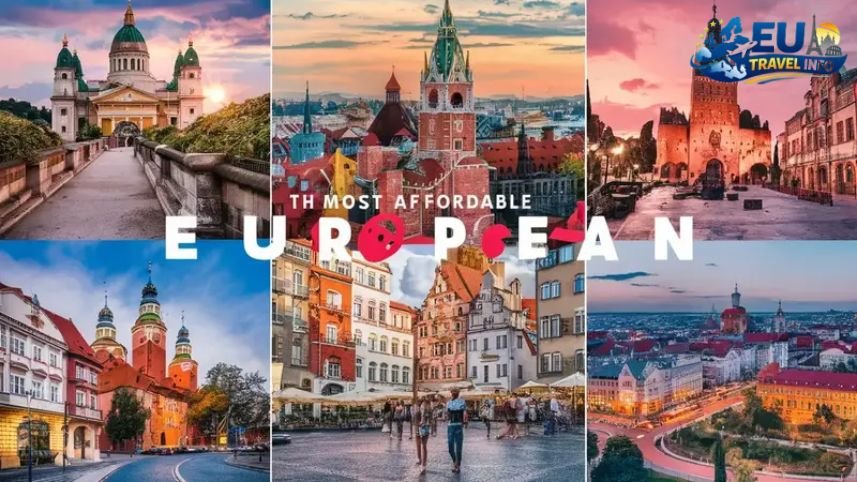

My 6 Month Europe Trip Budget was the result of a long dream. I wanted to see everything. From the blue water of Santorini to the old streets of Prague. It was a massive plan. Six months is a long time. You might ask yourself about the cost. Is it too expensive for a mature traveler? No. It is about how you plan it. Preparation is the key. I will share everything I learned. This is my personal guide for you.
Six months on the road. A life-changing choice. It is not just a vacation. It is a new way of life. First of all, let us talk about the big picture. Many people look for a 6 month round the world trip cost. They think Europe is the hardest part. Sometimes it is. However, you can make it work. Additionally, you might wonder how much money do you need to travel for 6 months in asia or how much money do you need to travel for 6 months in south america. Those places are cheaper. That is a fact. But Europe offers a history you cannot find anywhere else.
The Big Question: What is the Total Cost?

I spent a lot of time on my 6 Month Europe Trip Budget. You need a clear framework. I found that travelers usually fall into three groups. First, there is the Frugal Backpacker. They spend about €10,000 to €12,000 for six months. They stay in dorms. They cook every meal. Second, there is the Mid-Range Semi-Resident. This was my choice. This group spends between €18,000 and €22,000. You get private rooms. You eat out sometimes. Finally, there is the Premium Explorer. They spend €35,000 to €45,000 or more. They stay in nice hotels. They eat at fancy places.
Therefore, the daily average matters a lot. In Western Europe, you might spend €75 to €125 per day. On the contrary, Eastern Europe is much easier on the wallet. You can survive on €40 to €90 per day there. Some cities like Warsaw only cost €35 to €65 per day. On top of that, Scandinavia will demand €150 or more every single day. It is a big range.
Why You Should Choose a Long Trip
A long trip allows for slow travel. This is a great benefit. You do not rush. You stay in a city for a week. You learn the name of the baker. You find the best park for a picnic. Plus, you save money on transport. Moving every two days is what kills a budget. I learned this the hard way. Speed is expensive.
Gradually, I realized that I needed to balance my route. I stayed in Norway for a week. It was beautiful. But it was pricey. My monthly expenses there were about €1,125. Later, I moved to Bulgaria. My costs dropped to €606 for the whole month. This balance saved my trip. You must mix the expensive West with the affordable East. This is how to travel europe for 6 months without going broke.
Transportation: How I Moved Around
The European rail system is one of the best in the world. I love the train. It is comfortable. It is better for the environment than flying. First of all, I looked at the Eurail Global Pass. This pass covers 33 countries. For a long trip, the Continuous Pass is great. A 3-month continuous pass for an adult costs about €717 in second class. If you are a senior over 60, you get a 10% discount.
However, you must watch out for reservation fees. High-speed trains in France, Italy, and Spain require them. These can cost €10 to €30 for each ride. Additionally, some trains like the Eurostar have limited seats for pass holders. You should book those early. On the contrary, in Germany and Austria, you can often just hop on the train with no extra fee.
If you want the absolute cheapest way, use the bus. FlixBus is the king of budget travel. I found tickets for as low as €5. Their buses have Wi-Fi and power outlets. They are not fancy. But they work. Similarly, you can use budget airlines. Ryanair, EasyJet, and Wizz Air are very common. I saw flights for €15. But be careful. They charge for everything. Baggage fees can double your price.
I also investigated the Wizz Air “All You Can Fly” membership. It costs €499 per year. You pay €9.99 for each flight. Though it sounds good, it has many rules. You can only book 72 hours before the flight. Seat availability is not guaranteed. This plan is best for people with extreme flexibility.
Finding a Place to Sleep
Accommodation is your biggest cost. It usually takes 20% to 40% of your budget. For my 6 Month Europe Trip Budget, I mixed different styles. Hostels are the classic choice. A dorm bed in Amsterdam might cost €40. In Warsaw, it is only €15 to €35. I preferred private rooms in hostels. They give you the social vibe but with more peace. These cost about €80 to €150 per night in Western cities.
Additionally, I used monthly rentals. This is a smart move for a long residency. Platforms like Airbnb or Vrbo offer discounts for stays over 28 days. A furnished studio in Paris can cost €1,007 per month. In Warsaw, a similar place is only about €735. These places have kitchens. This is vital. Cooking your own food can save you €20 to €30 every day.
On top of that, I tried House Sitting. TrustedHousesitters is a great site for this. I stayed in a beautiful home for free. I just had to feed a cat. It was a wonderful break from hostels. You could also look at Work Exchanges. Sites like Worldpackers or Workaway connect you with hosts. You work about 20 hours a week for a bed and meals. It is a great way to meet locals.
Food: Eating Like a Local

You cannot eat at restaurants every day for six months. Your budget will disappear. I followed a simple rule. I ate one nice meal out per day. For the rest, I went to the supermarket. Lidl, Aldi, and Biedronka are your friends. They have high-quality food for low prices. A daily grocery budget of €20 to €30 in the West is plenty. In the East, it is even lower, around €10 to €18.
Additionally, you should look for lunch specials. In Spain, they call it the “menu del día”. It is often much cheaper than dinner. Street food is also a great option. I loved the falafel wraps in Berlin and pizza in Rome. These cost just a few euros.
The price of drinks varies wildly. A coffee in Portugal is about €1.50. In Denmark, it is €4 to €6. A beer in Stockholm can be €10. Therefore, you should adjust your habits. Drink local wine in the South and beer in the East. Avoid the tourist traps. The best food is often where the locals eat.
Hidden Costs: What I Did Not Expect
My 6 Month Europe Trip Budget had a few surprises. First, Tourist Taxes. Many cities like Venice, Amsterdam, and Barcelona charge a nightly fee. It is usually €1 to €7 per night. For two people over six months, this can be €500. You must pay this in cash or by card at your hotel.
Second, Public Toilets. You have to pay for them in many places. It is usually €0.50 to €2. It sounds small. However, it adds up over 180 days. Third, Baggage Storage. Train station lockers cost €5 to €15 per day. I used a service called Radical Storage. It costs only €5 per bag per day. They have thousands of locations in local shops. It is very convenient.
Finally, ATM Fees. Some banks charge a lot for international withdrawals. Iceland has the highest fees at 4.60%. I used a fee-free debit card like the one from Charles Schwab. They reimburse your fees. This is a huge help for a long trip. Also, never use Dynamic Currency Conversion. Always choose to be charged in the local currency.
Staying Connected and Safe
Connectivity is a necessity today. I did not want to pay high roaming fees. I used eSIM technology. GigSky and Airalo are popular choices. I paid about $30 to $60 for a monthly plan. It was much cheaper than my home plan. Additionally, I used a VPN for safe browsing on public Wi-Fi.
Safety is also important. Europe is generally very safe. But you must be smart. Pickpockets are active in crowded areas. I kept my phone in a secure pocket. Plus, I bought travel insurance. This is not optional for a 6-month trip. It covers illness, theft, and cancellations. I paid about $300 to $1,000 for my total insurance premium.
If you are from the USA or Canada, you can stay in the Schengen Area for 90 days every 180 days. For a 6-month trip, you need to plan carefully. You can spend 90 days in Schengen countries like France and Germany. Then you must spend 90 days in non-Schengen countries like the UK, Ireland, or parts of the Balkans. This is how you stay legal without a special visa.
Regional Differences: A Quick Guide
The continent is divided by price. First, the North. Norway, Sweden, and Denmark are the most expensive. You need at least €150 per day. Second, the West. France, Germany, and the UK are in the middle. Expect €80 to €100 or more.
Third, the South. Spain, Portugal, Greece, and Italy are mid-range. You can do well on €60 to €120 per day. Finally, the East. Poland, Hungary, Romania, and the Balkans are the best value. You can live comfortably on €40 to €80 per day. I loved Albania and Bosnia. They are beautiful and very affordable.
Gradually, I learned to mix these regions. I would spend two weeks in an expensive city. Then I would spend a month in a cheaper country. This is the secret to a long-term 6 Month Europe Trip Budget.
My Top Money-Saving Tips
First of all, pack light. If you have only a carry-on, you save on budget airline fees. Plus, your back will thank you. I used a 40-liter backpack. It was perfect. Second, book early. Train tickets can be 30% cheaper if you book a week in advance.
Third, use City Tourist Cards. Many cities sell passes that include transport and museum entry. The Paris Museum Pass saved me a lot of money. Fourth, take free walking tours. They are a great way to see the city. Just remember to tip your guide.
Additionally, use the sharing economy. BlaBlaCar is a great way to hitch a ride with locals. It is often faster than the bus and very interesting. You meet new people and see the countryside. Similarly, you can use Couchsurfing to stay with locals for free. It is about the experience, not just the bed.
Perspective: Comparing Other Trips
You might wonder about the one month europe trip cost. For a single month, you might spend $2,500 to $4,500. This includes your flights and everything else. It is a good way to test the waters. But six months is different. It is a marathon.
How does it compare to a 6 month round the world trip cost? A global trip is often more expensive because of the long flights between continents. However, if you spend time in Asia or South America, the daily cost is much lower. For example, how much money do i need to travel europe for 3 months? You can expect to need about half of my 6-month budget. So, perhaps €9,000 to €11,000 for a mid-range experience.
Additionally, you might see 6 month travelling packages. These are often for younger backpackers. They are structured. I prefer to do it myself. It gives you more freedom. Indie travel is about seeing the world your way.
FAQ
How much money for 6 months travel?
Six months in Europe. A big dream with a big price tag. A mid-range trip usually costs between €18,000 and €22,000. On the contrary, frugal travelers can survive on €10,000 if they stay in dorms. Therefore, your choices matter.
Can I spend 6 months in Europe?
A long residency in the sun. It is possible. However, you must follow the 90-day Schengen Area rule. You must spend half your time in non-Schengen countries like the UK or Romania. Additionally, you need to watch your dates.
How to plan a 6 month trip?
A route across many borders. First of all, choose your path. You should balance expensive Western countries with cheaper Eastern ones. Later, use tools like Rome2Rio or Trainline to compare transport costs. Plus, buy travel insurance.
Is $5000 enough for a vacation?
One month of freedom. This amount is plenty for a short adventure. But it is not enough for six months. First of all, the costs will add up fast.
How much money to save for 6 months?
A bank account for the road. You should save at least €18,000 for a comfortable residency. Plus, you need an extra buffer for emergencies. Finally, do not forget the initial flight costs.
Which country gives a 6 month visa?
A long stay in one spot. The United Kingdom often allows visitors to stay for up to six months. Additionally, some national “Type D” visas allow for longer stays in one country.
What’s the cheapest month to go to Europe?
Cold air and low prices. The winter months from November to March are the cheapest. Prices for beds can drop by 20% to 30%. Therefore, winter is best for savings.
Do I need a visa to go to Europe for 6 months?
Paperwork for your journey. You might need it. Americans do not need a visa for 90 days in Schengen. But you need a national visa for a six-month stay in a single country.
What countries can you live in for 6 months?
A home away from home. The United Kingdom is a great choice for a long stay. Also, countries like Albania or Bulgaria allow for affordable regional residencies.
Which three European countries can be visited together?
Small countries with close ties. The Benelux region includes Belgium, the Netherlands, and Luxembourg. Similarly, many people group London, Paris, and Amsterdam for short trips.
Is $1000 enough for a vacation?
A quick escape. It is enough for a very short trip. For example, a one-week trip to London, Paris, and Amsterdam can cost about $1,000. On top of that, you must pay for your main flights.
How to travel on an airplane with a 6 month old?
Safe flights with a little one. You should check specific airline rules for children. Some airlines like Wizz Air offer tips for traveling with kids. Children under 4 often travel for free on a lap.
Concluding words
A 6 Month Europe Trip Budget requires a smart plan. You must balance the high costs of the West with the affordable prices of the East. You can save money by using trains, buses, and supermarkets. Flexibility is very important on such a long journey. Finally, every euro you spend is an investment in your memories.