I sat at my kitchen table last year, staring at a colorful map of the world. My dog, a lively pug named Buddy, looked up at me with those big, soulful eyes. I knew then that I could not leave him behind. I had to figure out how to travel to Europe with a dog. The process felt like a mountain of confusing rules at first. However, I learned that with the right plan, it is a dream come true.
The world of pet travel is actually booming right now. Recent numbers show that 78% of American pet owners now travel with their furry friends each year. On top of that, the whole pet travel industry grows by about 9.5% every single year. Since dogs make up 58% of all pets that travel, we really need good info on how to do this right. If you are wondering, “Can I travel to Europe with my dog?” the answer is a big, loud yes.
First of all, I will walk you through the basic steps. Later, I will share the deep secrets about flights, trains, and costs. This is the ultimate guide for anyone who loves their dog as much as I do.
The Paperwork Maze: Where to Start

You must get the documents right. A single mistake can ruin your whole trip. I know this because I made a mistake with Buddy’s paperwork the first time. Therefore, you must follow these rules exactly.
Every dog needs an ISO-compliant microchip. This is a 15-digit chip that a vet puts under their skin. First of all, you must get the chip before or on the same day as the rabies vaccine. If you do it the other way around, the EU will not accept it. Additionally, the rabies vaccine must happen at least 21 days before you fly. Your pet must be at least 12 weeks old before they get this shot.
The Animal Health Certificate (AHC)
If you are a traveler from outside the EU, you usually need an Animal Health Certificate. This document is the key to the door. You must visit a vet who is accredited by the government, like the USDA in the US or CFIA in Canada. However, there is a catch. This certificate is only valid for 10 days from the time the vet signs it until you arrive in Europe. Once you land, it stays valid for four months of travel within the EU. More about, How to Travel to Europe with a Dog.
The Magic Blue Booklet: The EU Pet Passport
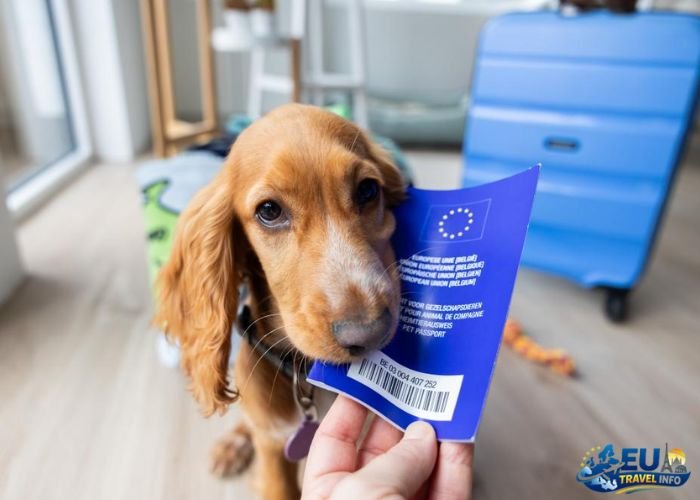
The best way to travel to europe with a dog is to get an EU Pet Passport. This is a small blue booklet that keeps all the health records in one place. First of all, it is only for residents, but I found a clever way to get one. While I was in Spain, I found a vet who issued a passport to Buddy. Gradually, this made my life so much easier.
To get one as a visitor, you must see an authorized EU vet once you land. They will likely give your dog a rabies booster shot in Europe to make the passport official. Therefore, you can skip the expensive health certificates on your next trip. Plus, the passport is valid for the life of your pet as long as you keep the shots up to date.
How to Fly Across the Ocean

I know the thought of a long flight is scary. However, you have three main choices for how your dog travels.
- In-Cabin: Your dog stays in a soft carrier under the seat in front of you. This is only for very small dogs, usually under 8kg (17 lbs) including the carrier.
- Checked Baggage: Your pet flies in a special part of the plane that is temperature-controlled. You are on the same flight, but they are in the hold.
- Manifest Cargo: This is for large dogs or international moves. Experts handle the pets as a “live animal shipment”. It follows very strict safety rules.
How to travel to europe with a large dog often means using cargo or checked baggage. Additionally, some people choose private jets like K9 Jets. This is very expensive, costing anywhere from $8,000 to $50,000, but it allows your large dog to sit right next to you in the cabin.
Specific Tips for Different Travelers
Every journey is different. How to travel from us to europe with a dog depends on your airline. North American airlines like United or Air Canada often allow dogs in the cabin if they fit the carrier, even without a hard weight limit. On the contrary, most European airlines like Lufthansa or KLM are very strict about that 8kg limit.
The UK Connection
How to travel from uk to europe with a dog changed after Brexit. You can no longer use a UK-issued pet passport to enter the EU. Therefore, you must get an Animal Health Certificate for every single trip. On top of that, your dog needs a tapeworm treatment if you are going to Ireland, Finland, Malta, or Norway. A vet must give this pill 24 to 120 hours before you arrive.
Traveling with a Service Dog
How to travel to europe with a service dog is a special case. In the US, you can self-train a service dog. However, Europe is different. Most European airlines only recognize service dogs if they come from an accredited school like Assistance Dogs International (ADI). If your dog is not from one of these schools, they might have to travel as a regular pet. Similarly, you must check the specific rules for the country you visit, as access rights vary.
Moving Around the Continent
Once you land, the fun really starts. How to travel around europe with a dog is surprisingly easy because Europe loves dogs. First of all, trains are your best friend. Most trains allow small dogs in carriers for free. Large dogs usually need a discounted ticket and must wear a muzzle.
Additionally, ferries are a great option. I took Buddy on a ferry from Italy to Croatia, and it was a breeze. Some ferries even have pet-friendly cabins so your dog can sleep right with you. Later, I found out that the Queen Mary 2 is the only cruise ship that lets dogs cross the Atlantic between New York and the UK. They have 24 kennels and even a “poop deck” with a New York fire hydrant for the dogs.
The True Cost of Pet Travel

I want to be honest with you about the money. Most people spend between $1,500 and $5,000 to fly a dog internationally. Therefore, you must budget for more than just the flight ticket.
- Small Dogs (In-Cabin): Usually costs $150 to $400 round trip.
- Large Dogs (Cargo): Can cost $1,000 to $3,000 or more.
- Vet Bills: An international health certificate appointment can cost around $395.
- Government Fees: Digital submission to the USDA is between $148 and $338.
- Equipment: A high-quality crate can cost $350 to $495, or even $2,000 for strong breeds.
On top of that, some countries like Australia or New Zealand have strict quarantine rules. They might charge $50 to $200 every single day to keep your dog in a facility. Gradually, these costs add up, so planning early is vital.
Equipment and Crate Safety
Your dog’s crate is their home during the flight. Therefore, it must be perfect. The IATA rules say the crate must be big enough for the dog to stand, turn, and lie down naturally. Additionally, it must have ventilation on all four sides.
First of all, you must measure your dog. The length of the container should be the length of the dog plus half the height of their leg. On top of that, snub-nosed breeds like pugs need a crate that is 10% larger for better airflow. I also recommend adding absorbent bedding and a familiar blanket that smells like home.
My Personal Tips for a Smooth Trip
I have learned many things on my travels with Buddy. First of all, do not sedate your dog for a flight. Altitude and drugs are a dangerous mix and can even be fatal. Instead, use calming pheromone sprays or natural chews.
Similarly, crate training is the most important thing you can do. I put Buddy’s crate in the living room weeks before the trip. I put treats inside and made it a happy place. Therefore, when he finally got on the plane, he felt safe.
Finally, always carry a “go-bag” in your carry-on luggage. My bag always has:
- Printed copies of health records.
- Wipes and poop bags for accidents.
- A collapsible water bowl.
- A spare leash and harness.
- Small dry treats for rewards.
Common Mistakes to Avoid
I see people making the same errors all the time. However, you can be smarter.
- Arriving Late: You need more time when you travel with a pet. I always add a two-hour buffer to my usual airport time.
- Wrong Food Timing: A heavy meal right before a flight can cause vomiting. I give Buddy a light meal 3 to 4 hours before we leave.
- Missing Microchip Dates: Your microchip must be recorded before the rabies shot.
- Ignoring Breed Bans: Some countries and airlines ban breeds like Pit Bulls or XL Bullies. Therefore, always check local laws before you book.
Is It Really Worth It?
I can tell you that seeing Buddy run on a beach in Spain or sit with me at a café in Paris made every bit of stress worth it. Europe is incredibly dog-friendly. In Italy, dogs are allowed in restaurants, shops, and even some supermarkets. Germany has amazing parks and public transit for pets.
Traveling with your best friend changes the whole experience. Gradually, you stop being a tourist and start living like a local. People will stop you in the street to pet your dog. It is a wonderful way to make friends. Read something new, How to Travel to Europe with a Dog.
Finally, remember that preparation is the secret. If you get the shots, the chips, and the crates right, you will have the trip of a lifetime. As I always say, “You do not have to be perfect. You just have to be prepared”.
Imagine your dog is a little explorer with a tiny backpack. Planning this trip is like packing that backpack with all the right tools so they can navigate the world safely. Once they have everything they need, the whole world becomes their backyard.
Safe travels to you and your pup!
FAQ
Is it easy to travel with a dog around Europe?
Yes, it is very easy. Europe is one of the best regions in the world for pet owners. I found that dog culture is incredibly strong in cities like Paris and Berlin. You can bring your dog into many cafés, restaurants, and even some shops or supermarkets. Additionally, public transport in Europe is very dog-friendly. Most trains and buses allow dogs as long as they are on a lead or in a carrier.
What European country is the easiest to bring a dog?
Most EU countries follow the same basic rules, which makes the process consistent. However, I noticed that France, Spain, and Germany are very straightforward when you arrive. Additionally, countries like Portugal and Finland are known for being very welcoming to newcomers with pets.
What airlines in Europe allow dogs?
Several major airlines are great for this. Lufthansa has a top reputation for pet safety. KLM and Air France offer both in-cabin and cargo options. ITA Airways and Iberia also allow pets, with some weight limits. On top of that, Eurostar Red trains between Belgium, France, Germany, and the Netherlands allow small pets for free in carriers.
Can I fly with my dog?
Yes, you certainly can. Your dog can fly in the passenger cabin with you if they are small enough. If they are larger, they will travel as checked baggage or manifest cargo. Cargo is often the safest and most compliant option for long international trips.
Conclusion
Travel to Europe with your dog is a rewarding adventure that requires a solid plan. First of all, you must handle the paperwork like microchips and rabies vaccines with perfect timing. Choose a pet-friendly airline and decide if your dog will fly in the cabin or cargo based on their size.
Once you land, you will find that Europe is a wonderful place for pets, with easy train travel and welcoming cafés. Preparation is the secret to a stress-free trip. Proper planning ensures you and your best friend create priceless memories together.